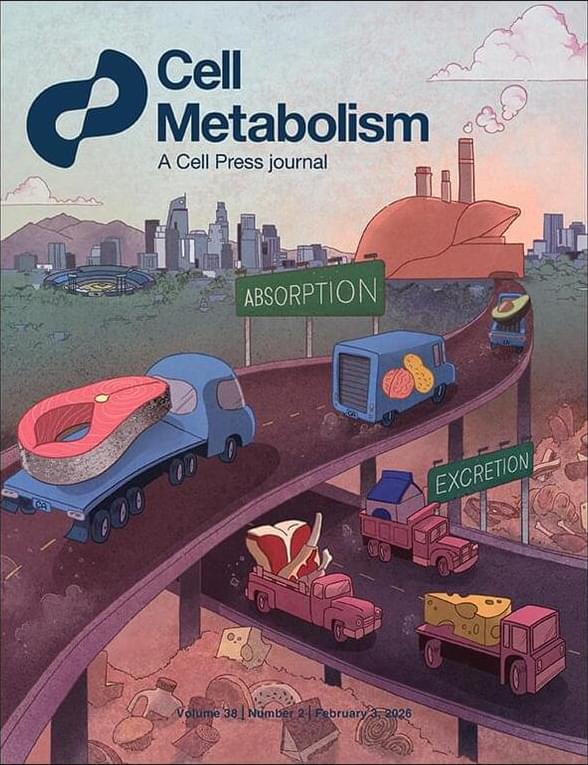
Human MASLD is a diurnal disease!
Circadian rhythm controls hepatic lipid and glucose metabolism, but it is not known if diurnal patterns exist in functional processes governing intrahepatic lipid accumulation in humans.
By studying metabolism across day and night in human participants, the researchers show that metabolic dysfunction-associated steatotic liver disease (MASLD) is a nighttime disease driven by upregulated hepatic and peripheral insulin resistance with lower plasma insulin levels at night, secondary to reduced insulin secretion and elevated insulin clearance.
These daily patterns persist after weight loss, suggesting that nighttime metabolic dysfunction is a key driver of liver fat accumulation. sciencenewshighlights ScienceMission https://sciencemission.com/MASLD-is-a-diurnal-disease
By studying metabolism across day and night in human participants, Marjot et al. show that MASLD is a nighttime disease driven by poor insulin action and low insulin levels. These daily patterns persist after weight loss, suggesting that nighttime metabolic dysfunction is a key driver of liver fat accumulation.