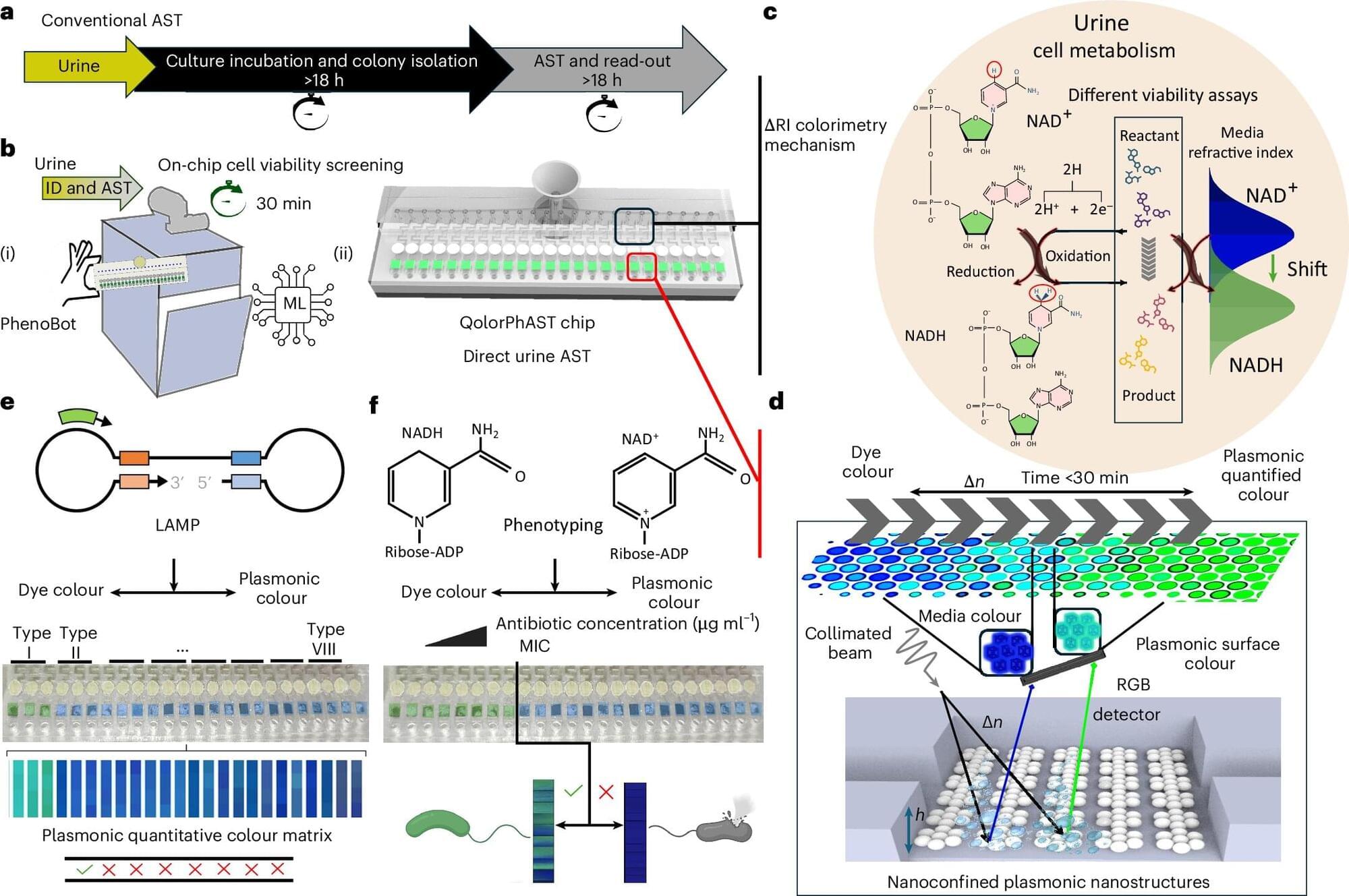
McGill researchers have developed a diagnostic system capable of identifying bacteria—and determining which antibiotics can stop them—in just 36 minutes, a major advance in the global effort to curb antimicrobial resistance (AMR). Current clinical testing methods typically take 48 to 72 hours, leaving physicians without timely guidance.
The researchers say this innovation arrives at a critical moment due to the urgency of the AMR crisis, which arises from bacteria developing resistance to antibiotics.
“We are losing the race against antimicrobial resistance,” said Sara Mahshid, associate professor in the Department of Bioengineering and lead author on the Nature Nanotechnology study. “Every year, more than one million people die, more than from HIV/AIDS or malaria, and delayed treatment is a major driver. Rapid testing isn’t a luxury; it’s the missing link between diagnosis and survival.”