Recent advances in biomolecular archaeology have revealed that ancient objects can retain the molecular fingerprints of past aromatic practices. These molecules provide unprecedented insight into ancient perfumery, medicine, ritual, and daily life.
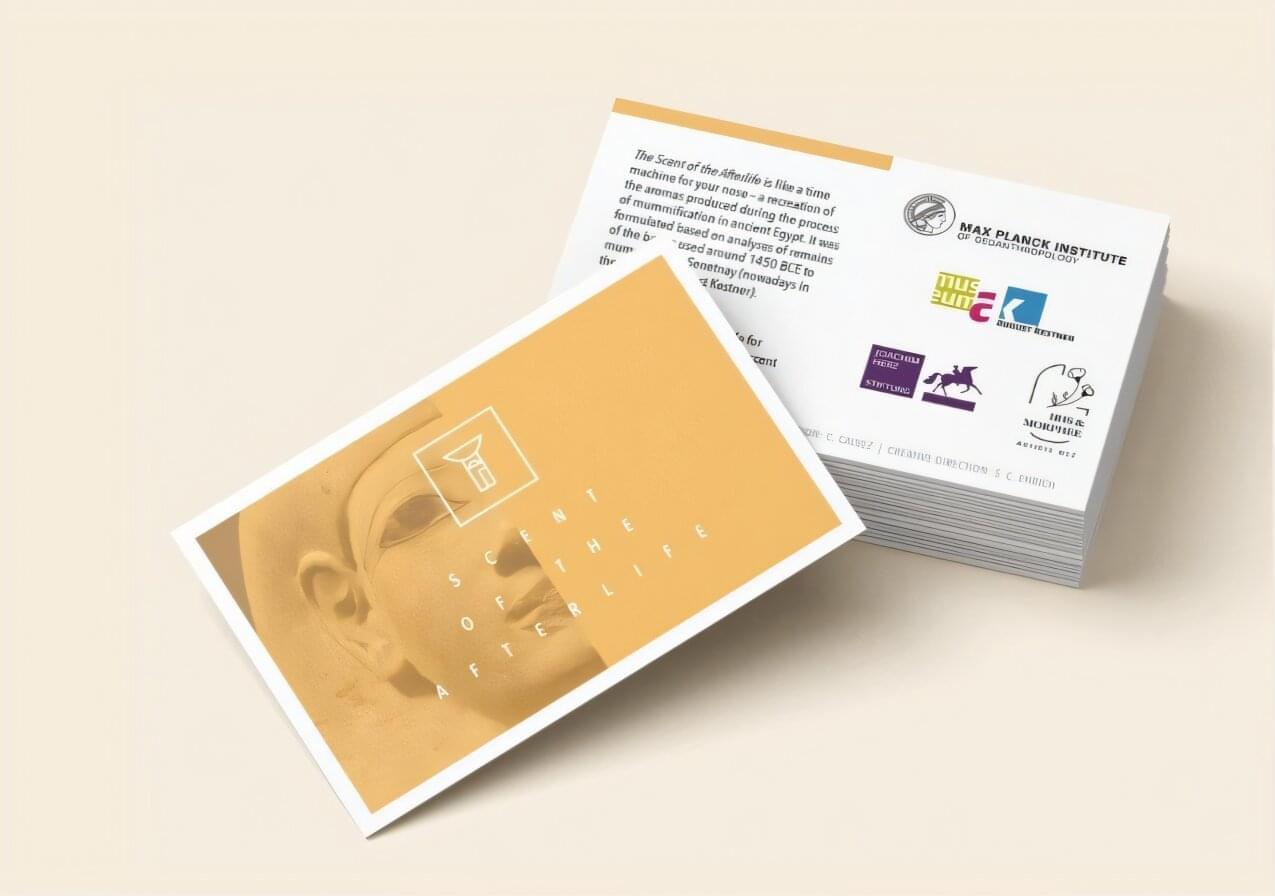
In a publication in Frontiers in Environmental Archaeology, an interdisciplinary research team led by archaeo-chemist Barbara Huber (Max Planck Institute of Geoanthropology and the University of Tübingen), shows how museums can use this molecular evidence to engage audiences with the sensory worlds of the past. The team combined their expertise to create a new workflow for converting biomolecular data into accessible, visitor-ready olfactory recreations.
“This research represents a significant shift in how scientific results can be shared beyond academic publications,” explains Huber.