Although DNA is tightly packed and protected within the cell nucleus, it is constantly threatened by damage from normal metabolic processes or external stressors such as radiation or chemical substances. To counteract this, cells rely on an elaborate network of repair mechanisms. When these systems fail, DNA damage can accumulate, impair cellular function, and contribute to cancer, aging, and degenerative diseases.
One particularly severe form of DNA damage are the so-called DNA–protein crosslinks (DPCs), in which proteins become attached to DNA. DPCs can arise from alcohol consumption, exposure to substances such as formaldehyde or other aldehydes, or from errors made by enzymes involved in DNA replication and repair. Because DPCs can cause serious errors during cell division by stalling DNA replication, DNA–protein crosslinks pose a serious threat to genome integrity.
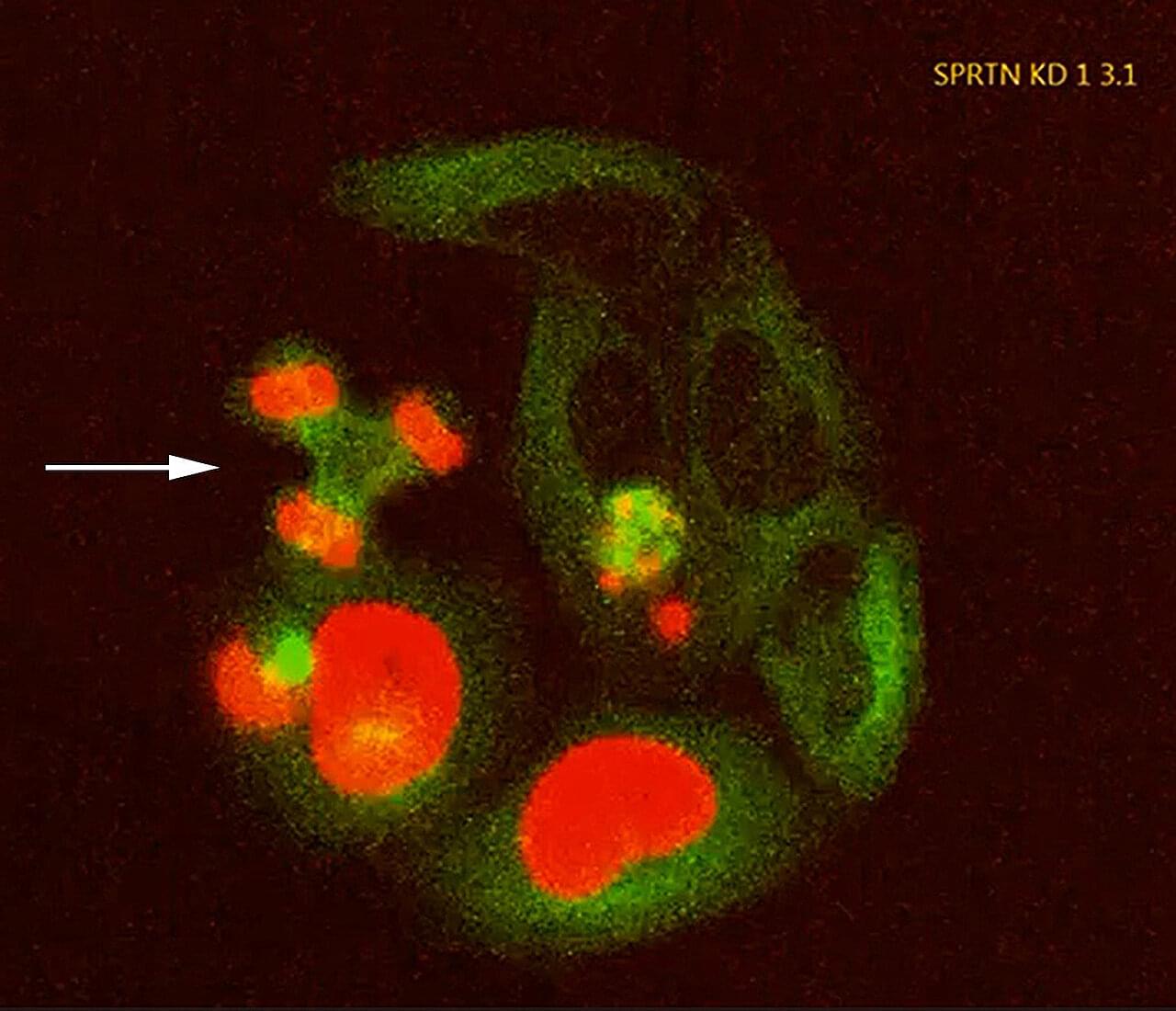
The enzyme SPRTN removes DPCs by cleaving the DNA-protein crosslinks. SPRTN malfunctions, for example as a result of mutations, may predispose individuals to developing bone deformities and liver cancer in their teenage years. This rare genetic disorder is known as Ruijs-Aalfs syndrome. Its underlying mechanism remains poorly understood, and there are no specific therapies.