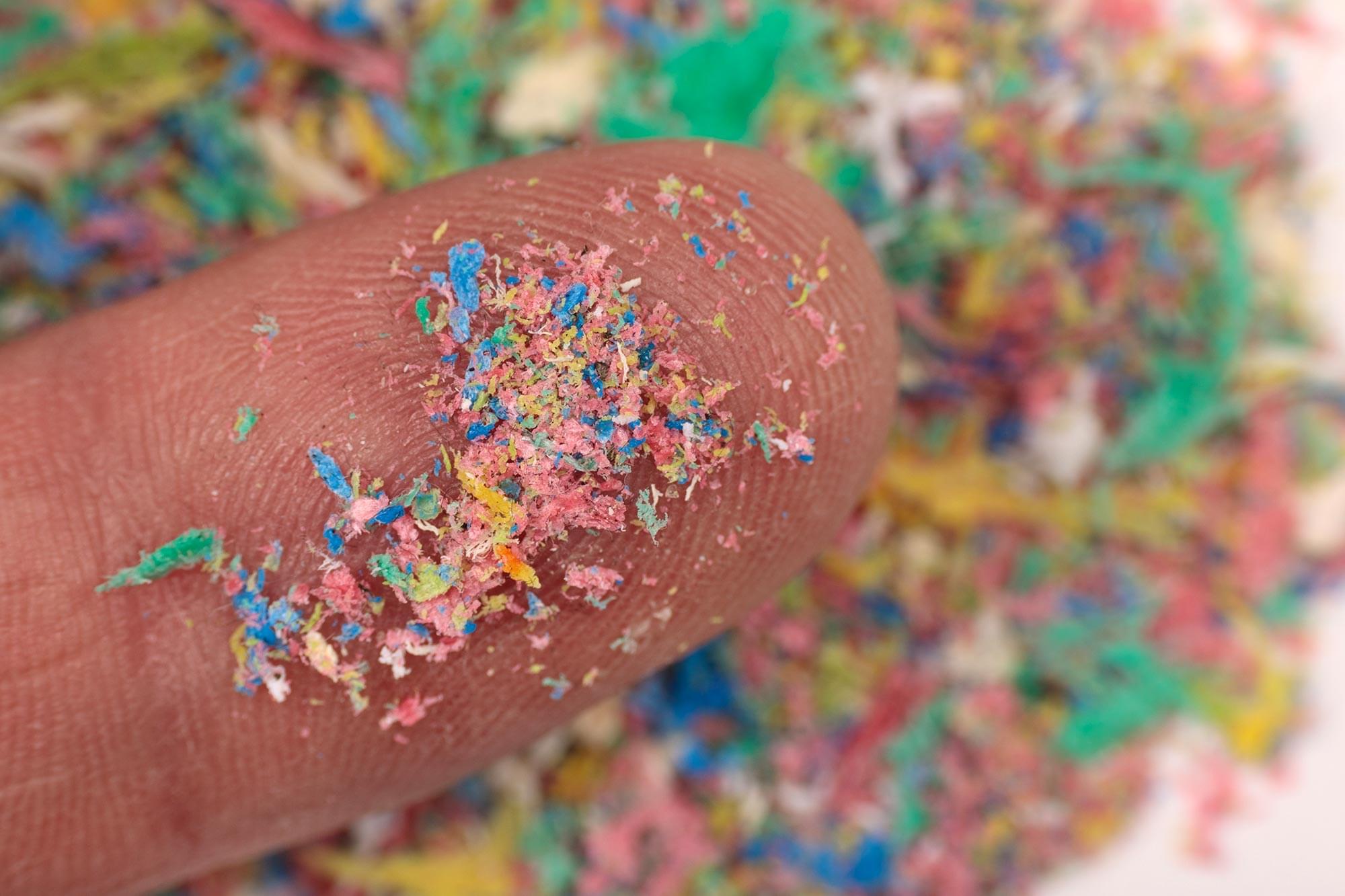
Nanoplastics already raise fears because people can ingest them directly. Now scientists say these tiny particles can create a different kind of danger when they end up in water: they can help bacteria become tougher and harder to remove.
A study in Water Research led by Virginia Tech’s Jingqiu Liao, working with international collaborators, found that nanoplastics can influence how environmental microbes behave in ways that may indirectly affect human health. The concern is not just what the particles might do in the body, but what they might encourage in the water systems people rely on every day.
“It is very important to better understand the adverse effects of the nanoplastics on human health, and not just in humans but also in the environment, which indirectly influences human health,” said Liao, assistant professor of civil and environmental engineering. “The nanoplastics can make the antimicrobial-resistant pathogens better survive, which could be harmful to the environment and would have public health implications.”