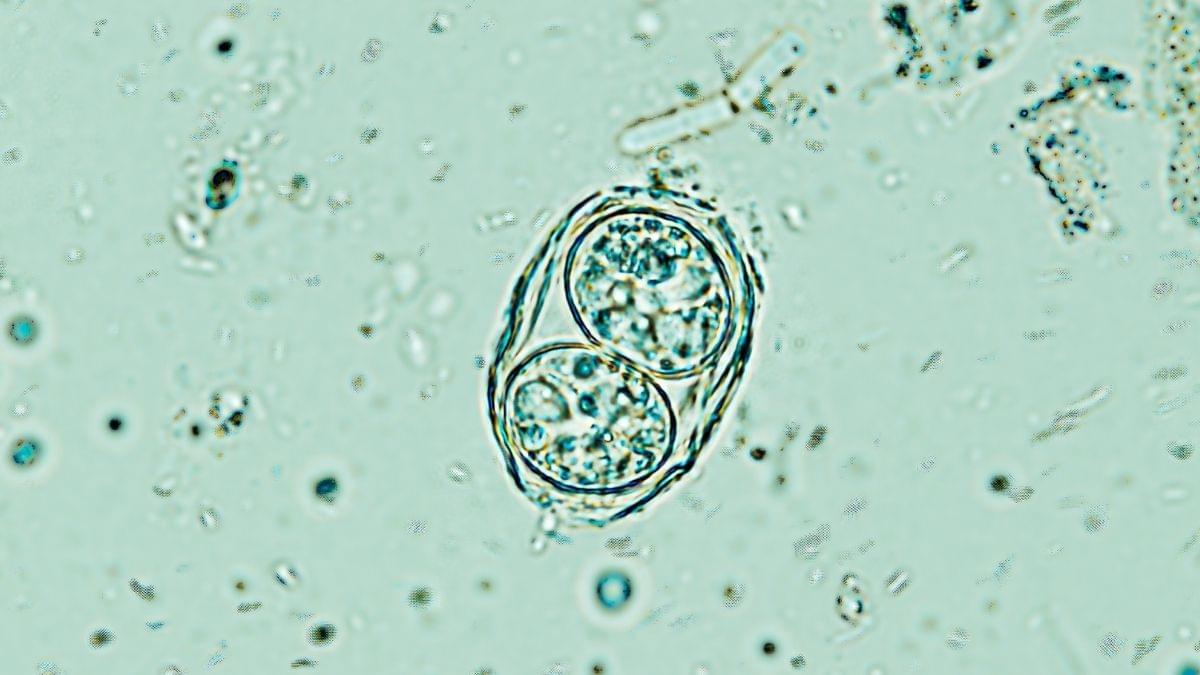
A parasite that lives permanently in the brains of millions may not be as uniformly dormant as scientists once thought.
Researchers at the University of California, Riverside (UCR) have recently found evidence of low-level T. gondii reactivation in the brains of mice, even during long-term infection.
Today, more than a third of the world’s human population is infected by Toxoplasma gondii, a brain-invading parasite that reproduces in cats with mice and other animals acting as intermediate hosts.