Procrastination, the tendency to unnecessarily delay or put off tasks even if this will have negative consequences, is a common behavior for many people. While occasionally delaying or putting off bothersome tasks is not necessarily problematic, severe and prolonged procrastination is closely tied to some neuropsychiatric disorders, including attention-deficit/hyperactivity disorder (ADHD) and anxiety disorders.
Unveiling patterns in the brain’s structure and genetic factors linked to procrastination could help to reliably uncover this tendency to postpone tasks in affected individuals. This could in turn inform the development of preventative strategies or interventions that tackle procrastination early, before it exacerbates other underlying mental health disorders.
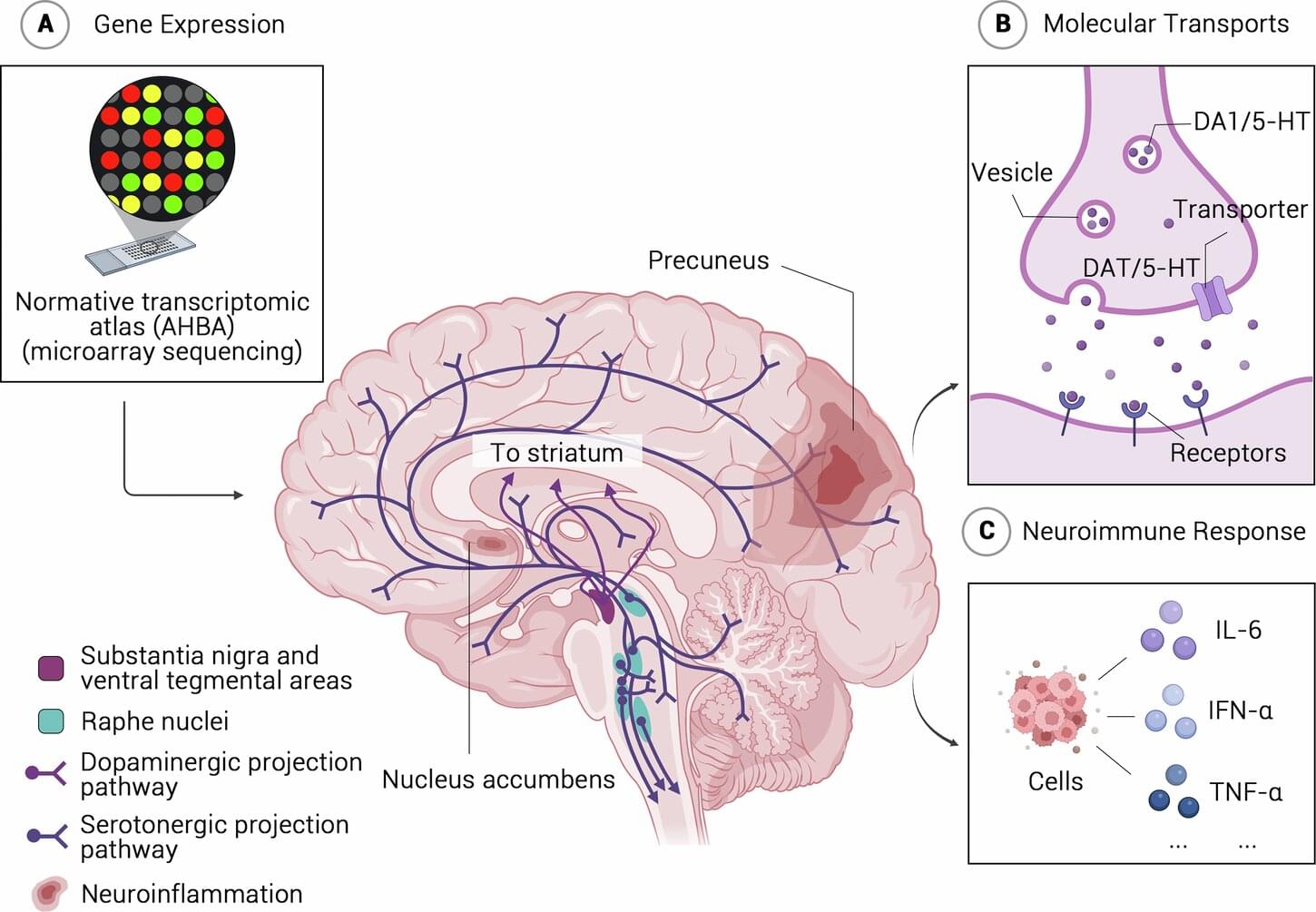
Researchers at the Chinese Academy of Sciences and other institutes in China recently carried out a study aimed at shedding new light on the biological and genetic roots of procrastination. Their paper, published in Molecular Psychiatry, outlines specific patterns in the brain’s structure during adolescence that are linked to procrastination in adulthood.