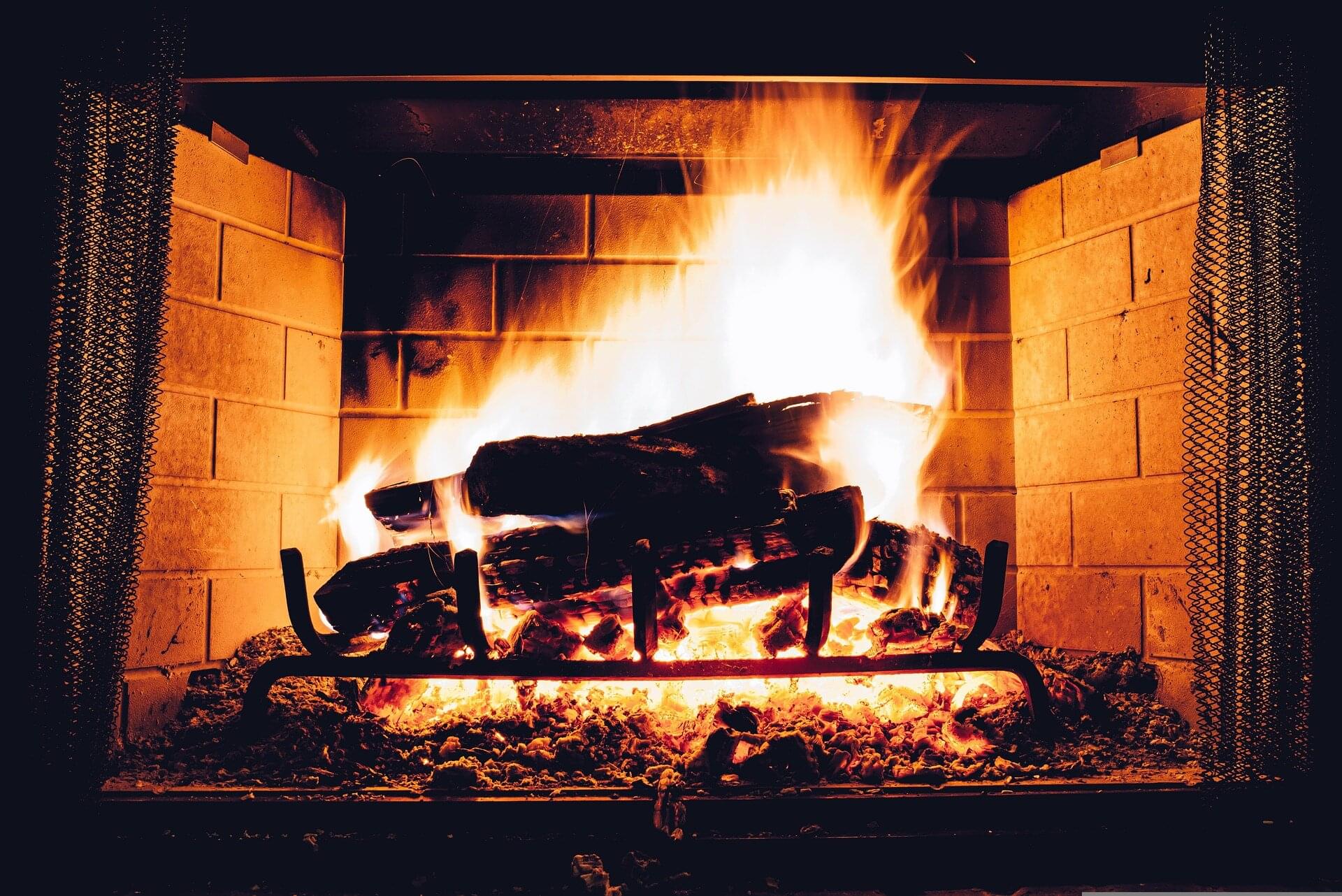
Throwing another log into a crackling fireplace on a cold winter’s night might seem like a cozy, harmless tradition. But Northwestern University scientists have found residential wood burning is a major—yet often overlooked—contributor to winter air pollution across the United States.
Although only 2% of U.S. homes rely on wood as their primary heating source, residential wood burning accounts for more than one-fifth of Americans’ wintertime exposure to outdoor fine particulate matter (PM2.5), the new study found.
These tiny airborne particles can penetrate deep into the lungs and enter the bloodstream, where they are linked to increased risks of heart disease, lung disease and even premature death. Among their findings, the scientists calculated that pollution from residential wood burning is associated with about 8,600 premature deaths per year.