Muons are unstable subatomic particles that spontaneously and rapidly transform into other particles via a process known as electroweak decay. Altering the speed with which muons decay into other particles was so far deemed a challenging quest, requiring very strong electromagnetic fields that cannot be produced in conventional laboratory settings.
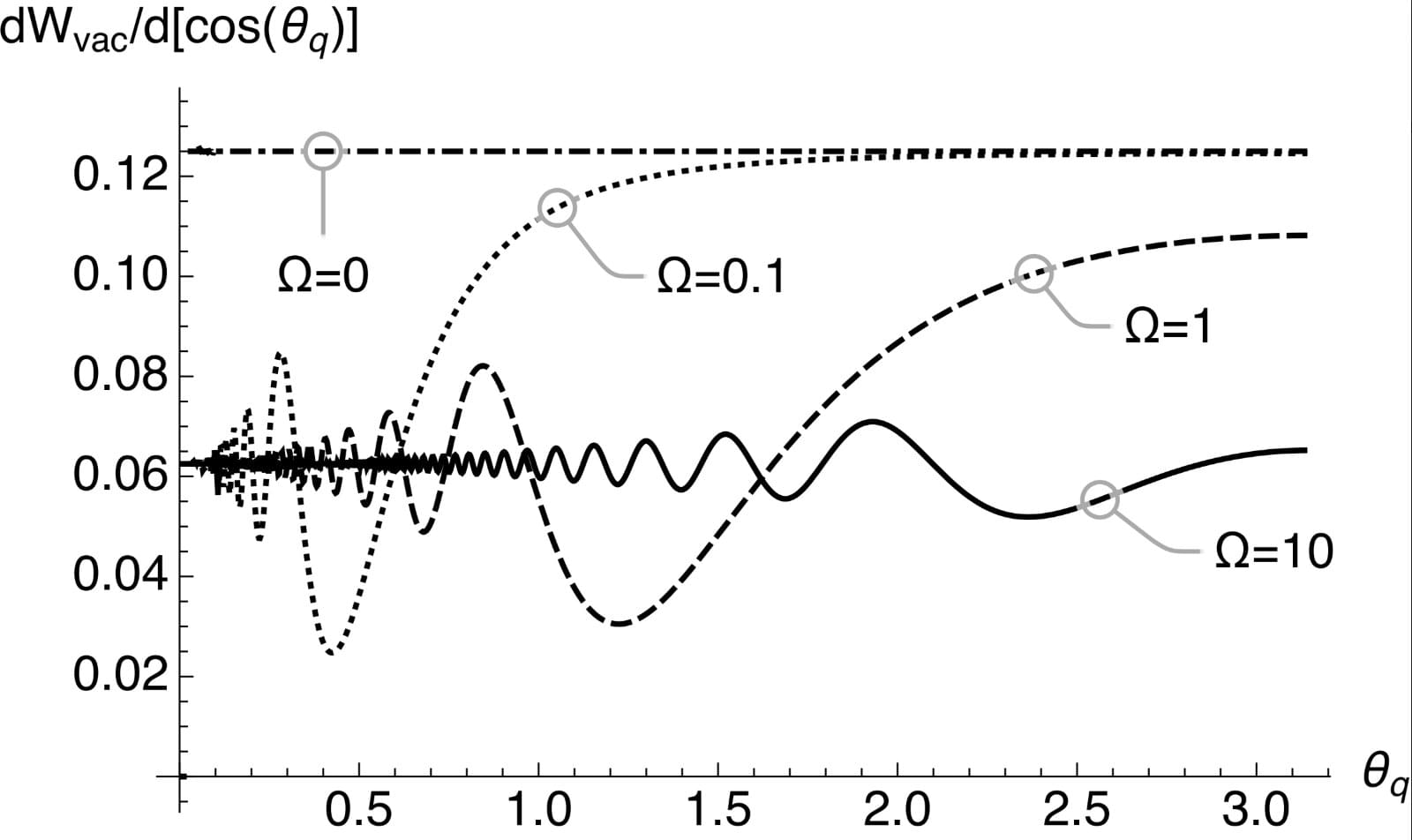
Researchers at the University of Plymouth, however, explored the possibility of influencing muon decay using short laser pulses. Their paper, published in Physical Review Letters, suggests that the behavior of muons can be altered when they pass through laser beams, an effect that could, in principle, also be achieved using laboratory lasers.
“Records are regularly being set for the highest intensity electromagnetic fields we can produce in the lab,” Dr. Ben King, co-author and Associate Professor of Theoretical Physics at the University of Plymouth, told Phys.org.