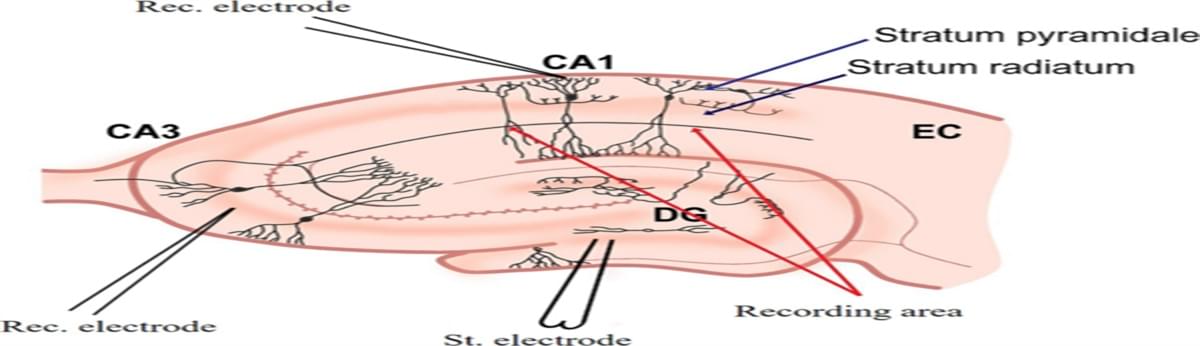
Isting gap in neuromorphic engineering by mimicking biological neuron dynamics and realizing effective clinical applications to promote functional recovery and quality of life enhancement in patients with brain injury. The novel neuromorphic engineering approaches leverage the dynamic behavior of brain neurons, incorporating electronic circuits that emulate neuronal dynamics. A basic configuration involves a neural model designed to mimic the dynamics of a living neuron, with the potential to replace damaged brain tissue when implanted, thus restoring signal propagation. An enhanced configuration integrates a closed-loop system, wherein the feedback signal from biological neurons synchronizes the artificial neuron with its living counterpart, allowing continuous self-adjustment of system parameters and promoting a neuro-autogenerative regime.