Toggle light / dark theme

Digital twin opens way to effective treatment of inflammatory diseases

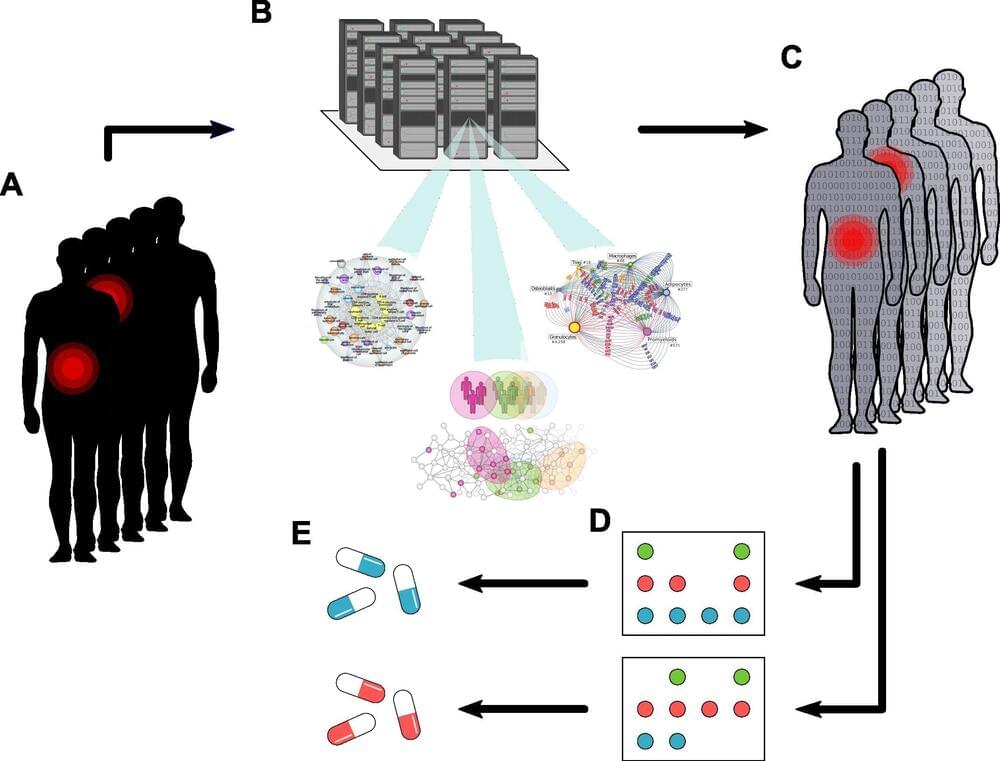
Inflammatory diseases like rheumatoid arthritis have complex disease mechanisms that can differ from patient to patient with the same diagnosis. This means that currently available drugs have little effect on many patients. Using so-called digital twins, researchers at Karolinska Institutet have now obtained a deeper understanding of the “off and on” proteins that control these diseases. The study, which is published in Cell Reports Medicine, can lead to more personalized drug therapies.

Many patients with inflammatory diseases such as , Crohn’s disease and ulcerative colitis, never feel fully healthy despite being on medication. It is a problem that causes significant suffering and expense.

In an inflammatory disease, thousands of genes alter the way they interact in different organs and cell types. Moreover, the varies from one patient to another with the same diagnosis, and even within the same patient at different times.


Alternative bladder cancer treatment emerges amid worldwide shortage of standard of care BCG

An on-going, worldwide shortage of bacillus Calmette-Guérin (BCG) means that many patients with a common and serious type of bladder cancer have limited access to this effective standard of care treatment. But for the first time in almost 50 years, there appears to be a viable treatment alternative.

A new study from the University of Iowa finds that a safe, inexpensive combo-chemotherapy is better tolerated than BCG and is better at preventing high-grade cancer recurrence in patients with non-muscle invasive (NMIBC).

Bladder cancer is the sixth most common cancer in the U.S., and NMIBC accounts for about 75% of bladder cancer cases. High-risk NMIBC has a significant risk of both recurrence and progression. Typical treatment for high-risk NMIBC involves surgical removal of the tumor followed by treatment with BCG.

“Sorry in advance!” Snapchat warns of hallucinations with new AI conversation bot

On Monday, Snapchat announced an experimental AI-powered conversational chatbot called “My AI,” powered by ChatGPT-style technology from OpenAI. My AI will be available for $3.99 a month for Snapchat+ subscribers and is rolling out “this week,” according to a news post from Snap, Inc.

But like its GPT-powered cousins, ChatGPT and Bing Chat, Snap says that My AI is prone to “hallucinations,” which are unexpected falsehoods generated by an AI model. On this point, Snap includes a rather lengthy disclaimer in its My AI announcement post:

/* */