Toggle light / dark theme

Get the latest international news and world events from around the world.

Log in for authorized contributors

Can planes evacuate in 90 seconds? New simulations show the safest cabin layout

In case of an emergency, the Federal Aviation Administration requires aircraft to be able to evacuate within 90 seconds. However, as the median age of the global population increases, the growing number of elderly airline passengers poses new challenges during emergency situations.

In AIP Advances, an international collaboration of researchers simulated 27 different evacuation scenarios in the case of a dual-engine fire in an Airbus A320, one of the most common narrow-body aircraft in the world. They compared three different cabin layouts with three different ratios of passengers over the age of 60 and three different distributions of those passengers.

“While a dual-engine fire scenario is statistically rare, it falls under the broader category of dual-engine failures and critical emergencies in aviation. History has shown that dual-engine failures and emergencies, such as the famous ‘Miracle on the Hudson’ involving Captain Sullenberger, can happen and lead to severe consequences,” said author Chenyang (Luca) Zhang.

Targeting the tiniest divide: Research reveals potential vulnerability in bacterial reproduction

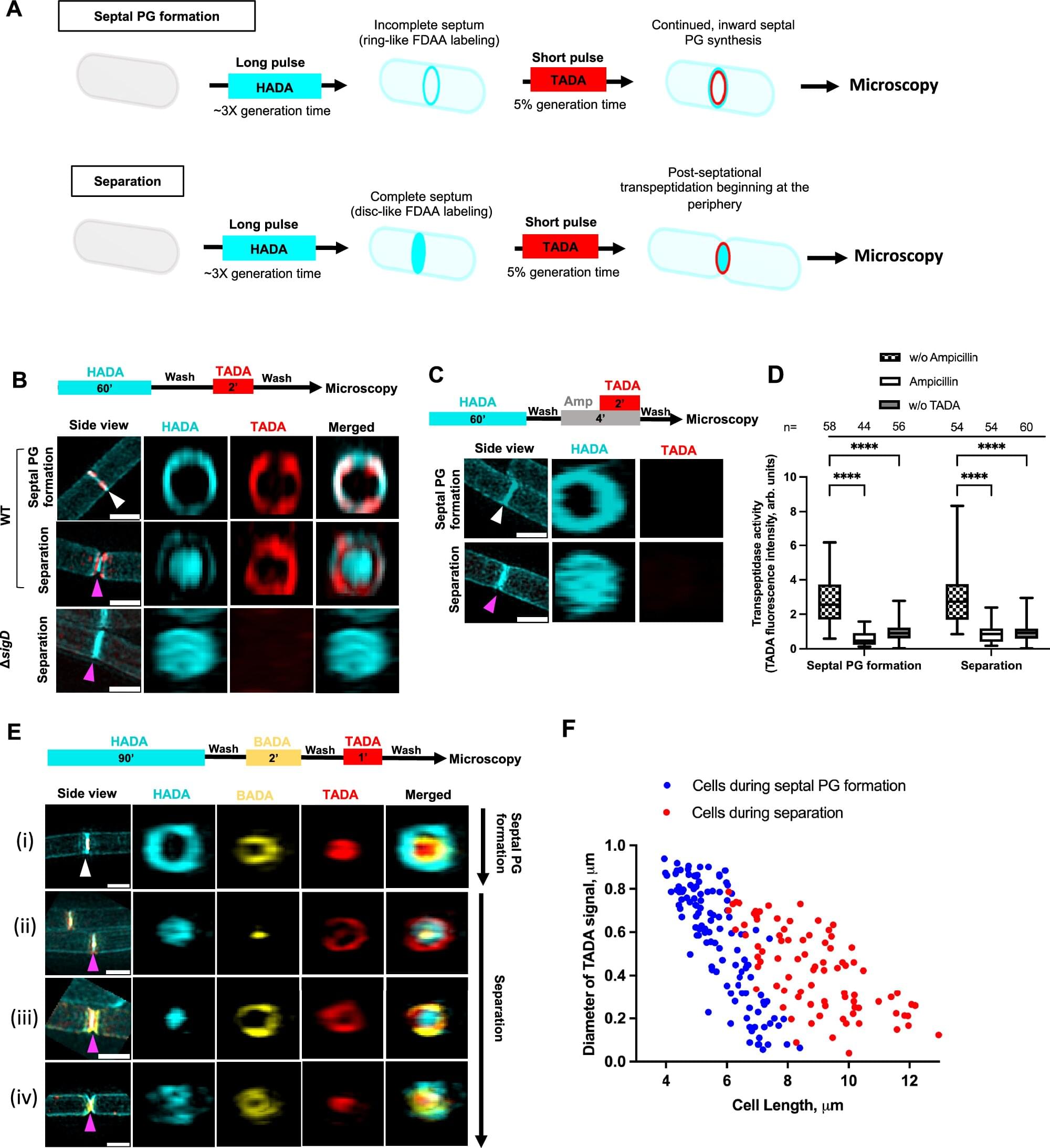
A Université de Montréal study has found a previously unknown mechanism in bacterial reproduction that could be attacked by future antibiotics. Bacteria reproduce by dividing into two: they form a wall, or septum, between the two future cells while remodeling the old cell walls so the so-called “daughter” cells can separate without bursting. Until now, scientists had believed that once the dividing wall was built, bacteria gradually break down the links between its two sides to allow the cells to separate in a process called cleavage.

However, the new study published in Nature Communications shows that bacteria actually strengthen the septum during the final moments of cleavage by a previously undetected mechanism. The research was led by Yves Brun, a professor in the Department of Microbiology, Infectiology and Immunology at Université de Montréal and holder of the Canada 150 Research Chair in Bacterial Cell Biology.

Racetrack-shaped lasers developed for bright, stable frequency combs

A new, miniature laser source developed by applied physicists in the Harvard John A. Paulson School of Engineering and Applied Sciences (SEAS) and the Technical University of Vienna (TU Wien) could soon pack the power of a laboratory-based spectrometer—an important workhorse tool for precision environmental gas analysis—onto a single microchip.

The device, a ring-shaped, “racetrack” quantum cascade laser, generates a specific type of light source, called a frequency comb, in the difficult-to-access mid-infrared region of the electromagnetic spectrum. It was developed in the lab of Federico Capasso, the Robert L. Wallace Professor of Applied Physics and Vinton Hayes Senior Research Fellow in Electrical Engineering, in collaboration with co-senior author Benedikt Schwarz and colleagues at TU Wien.

The research was co-led by first author Ted Letsou, a postdoctoral researcher in the Capasso group, and Johannes Fuchsberger, a graduate student at TU Wien, and is published in Optica.

The influencers with millions of followers who don’t actually exist

Lil Miquela has 2.5 million Instagram followers, a high-fashion wardrobe, and a clear political voice. She has advocated for Black Lives Matter and the LGBTQI+ community, fronted major brand campaigns, and built a devoted global fanbase. She also has no pulse.

Lil Miquela is a virtual influencer, a computer-generated character designed to look, sound, and behave like a real person. And she is not alone.

In China, Liu Yexi blends traditional aesthetics with cyberpunk visuals to amass a huge following. Ling, created by Chinese AI startup Xmov, has promoted Tesla, Vogue, and luxury tea brand Nayuki.

What builds cohesion in diverse societies? Brain scans point to shared national identity cues

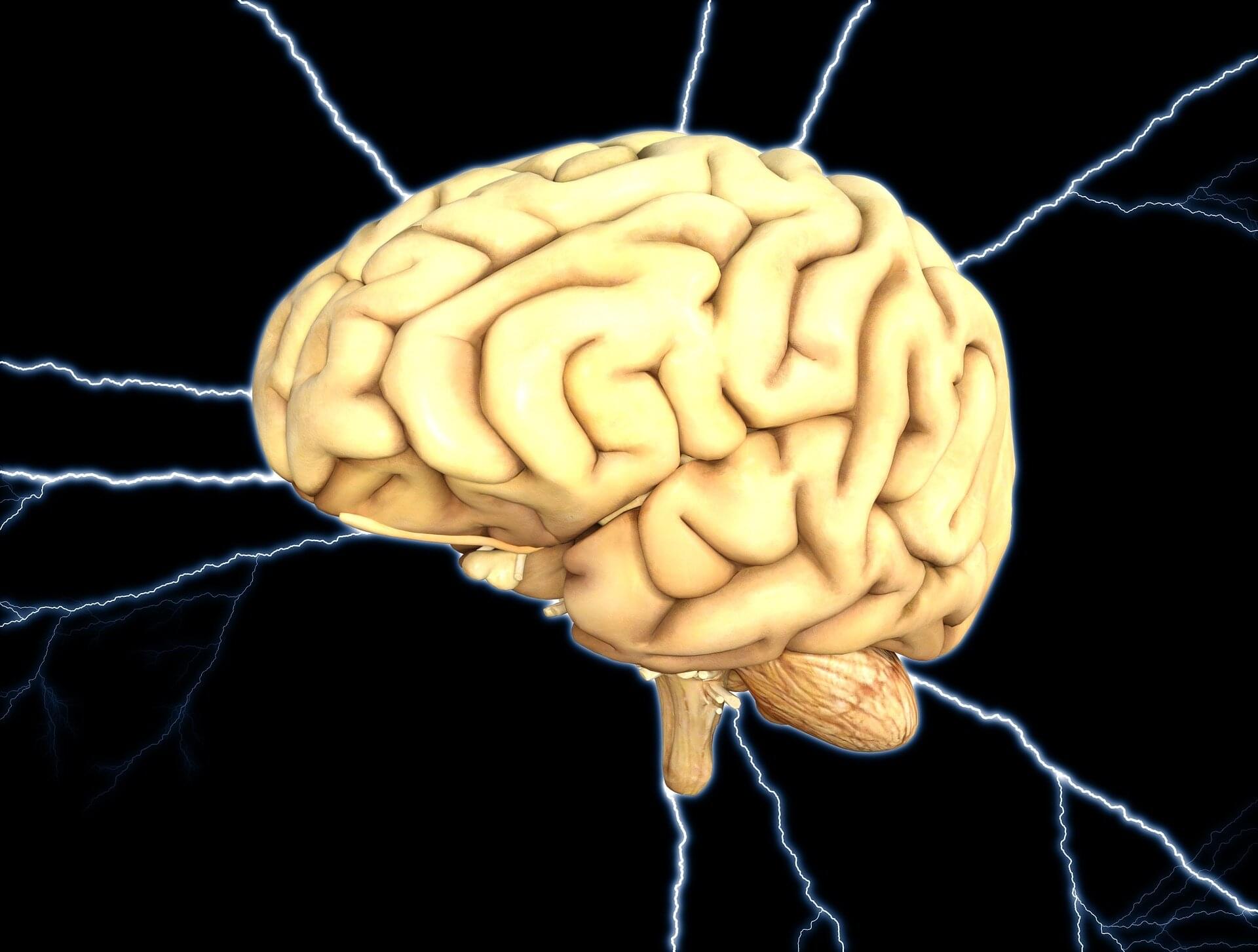
The brain? It has a flexible social perception. In interactions with people from different ethnic groups, it tends to respond more inclusively when a shared national identity is made salient. A study, by the University of Trento, Italy, and Nanyang Technological University, Singapore (NTU Singapore), published in Proceedings of the National Academy of Sciences, sheds light on the underlying neural mechanisms.

The findings help to better understand the relationship between ethnic and national identity and have implications for improving intergroup relations in multicultural societies.

The study shows that the brain’s representation of social boundaries can rapidly reorganize in response to context. The research team suggests that this neural flexibility underlies the human ability to navigate complex social environments characterized by multiple and interconnected group identities.

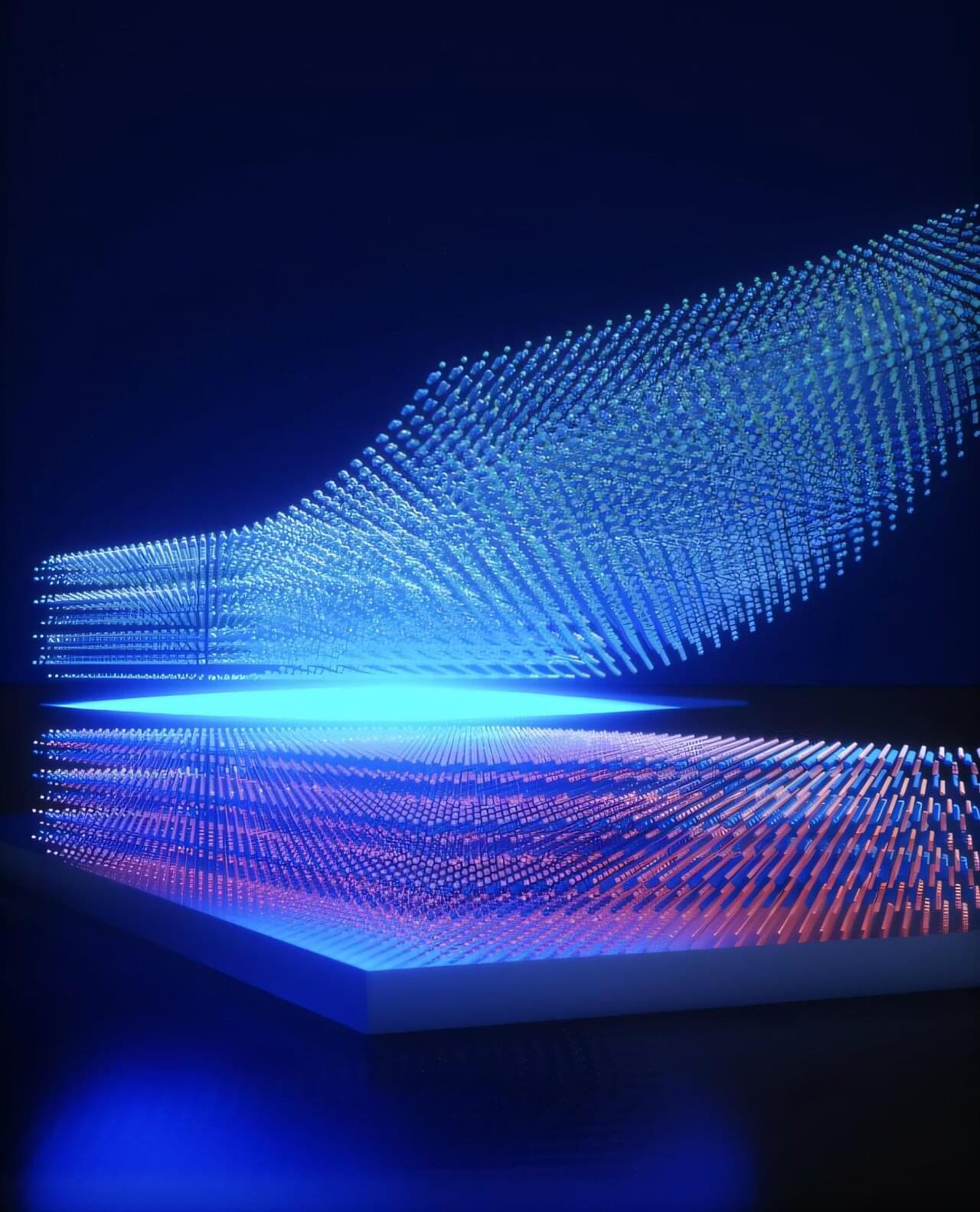
Engineers introduce first synthetic charged domain wall in 2D material

In a first for the field, materials scientists from The Grainger College of Engineering at the University of Illinois Urbana-Champaign have interfaced two materials to artificially generate a highly conductive ferroelectric charged domain wall. Led by associate professor of materials science and engineering Arend van der Zande and graduate student Shahriar Muhammad Nahid (now a postdoc at Stanford) and published in Advanced Materials, their approach highlights the versatility of charged domain walls in 2D materials and may be used in the future development of neuromorphic devices and reconfigurable electronics.

2D materials are valued for their utility in molecular-scale systems, which are used to create new kinds of memory and molecular electronic architectures. While most materials must be grown naturally layer by layer, 2D materials can be stacked like building blocks to create arbitrary structures.

One emerging 2D material of interest is indium selenide (α-In2Se3), a layered semiconductor that is also ferroelectric. Ferroelectric materials exhibit spontaneous and mutable electric polarization—something that piqued the interest of van der Zande and Pinshane Huang, professor of materials science and engineering.

Chiral metasurfaces guide twisted light into free space

Light can carry angular momentum in two distinct ways. One comes from polarization, which describes how the electric field rotates. The other comes from the shape of the wavefront itself, which can twist like a corkscrew as it travels. This second form, known as orbital angular momentum, has attracted wide interest because it allows light to encode information, interact with matter in new ways, and probe physical and biological systems. Despite this promise, producing well-defined twisted light in free space remains technically challenging, especially when the light originates from small or localized sources.

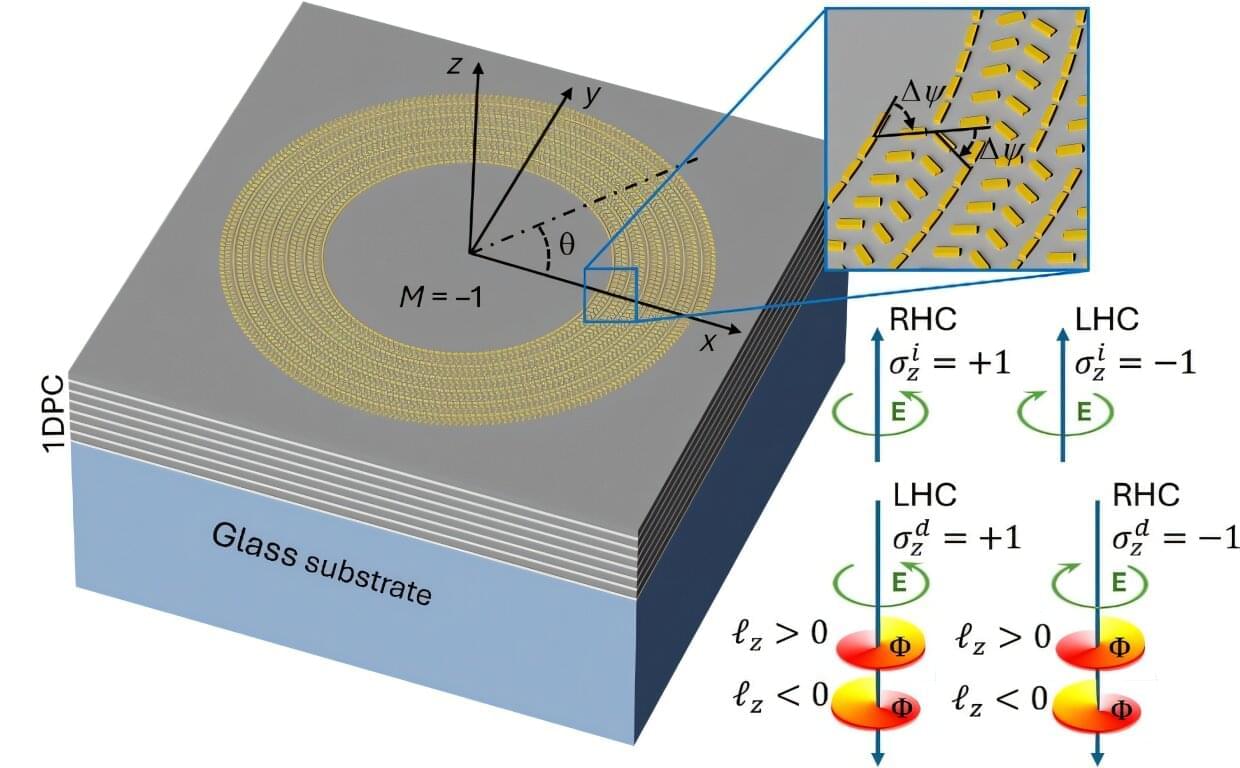
Recent research reported in Advanced Photonics Nexus demonstrates a route to generating twisted light beams by combining a dielectric multilayer with a patterned metallic surface. The work shows that surface-bound light waves can be converted into free-space beams with controlled angular momentum and polarization. Importantly, the approach avoids several limitations of earlier designs and points toward future integration with single-photon emitters.

Many existing methods for generating orbital angular momentum rely on reshaping a laser beam using holograms, liquid-crystal plates, or patterned films known as metasurfaces. While effective for large, externally illuminated beams, these approaches struggle when light must be generated directly on a chip or from nanoscale emitters such as quantum dots or single molecules. Such sources cannot uniformly illuminate a structure or arrive at a precisely defined angle, making efficient beam shaping difficult.

Chip-scale light technology could power faster AI and data center communications

Researchers at Trinity have developed a new light-based technology on a tiny chip that could help make the data centers behind cloud computing, artificial intelligence, and global internet services faster and more efficient. In the new research, recently published in Nature Communications, the Trinity team reported one such promising advance with collaborators at the University of Bath and the Swiss Federal Institute of Technology Lausanne (EPFL).

The team developed a new way to generate extremely stable signals of light using microscopic ring-shaped devices called “microresonators.” These signals form what scientists call optical frequency combs, sometimes described as “optical rulers” because they produce a series of evenly spaced colors of light that can be used to measure light with remarkable precision.

The researchers also demonstrated a new type of light pulse called a “hyperparametric soliton.” This stable pulse is the key behind the major advancement in this work, as it allows the comb signals to be produced at different colors of light from the laser that powers the device.

Scientists capture atoms in motion, unlocking next-generation memory technology

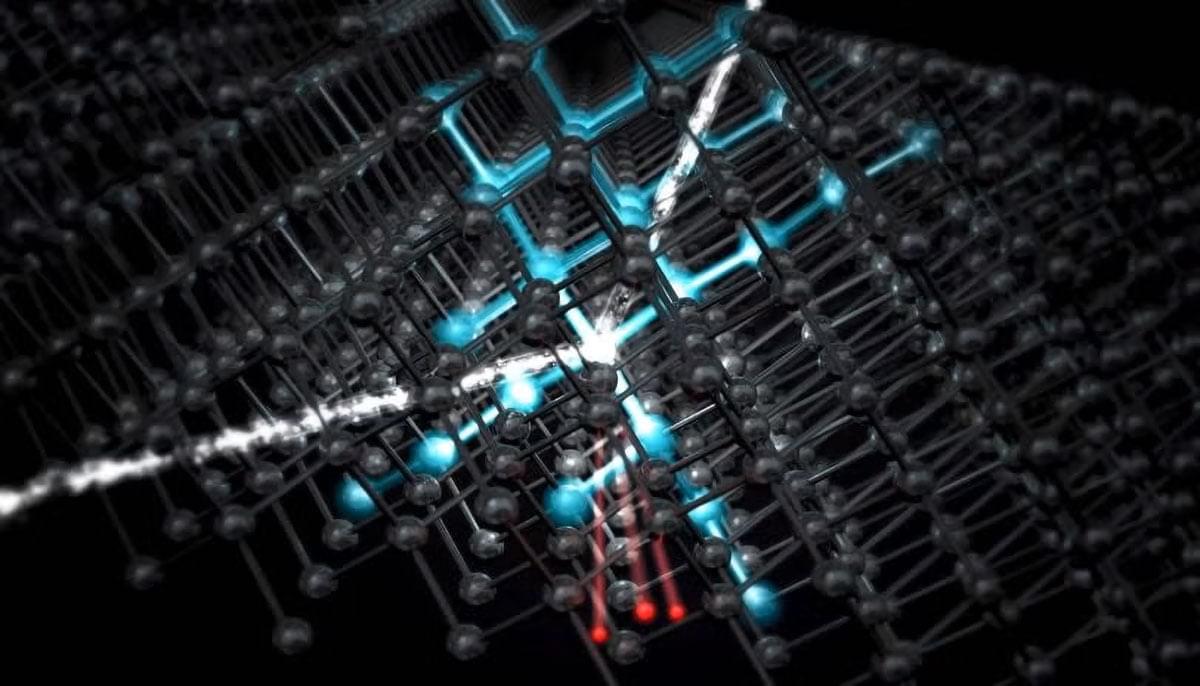
Monash University researchers have captured the exact atomic movements that write data to next-generation memory devices, which could pave the way for smaller, faster and more energy-efficient electronics. Published in Nature Communications, the study was led by Dr. Kousuke Ooe, a Japan Society for the Promotion of Science (JSPS) postdoctoral fellow in the School of Physics and Astronomy at Monash University who is first author of the paper, in collaboration with Australian Laureate Professor Joanne Etheridge and researchers from the Japan Fine Ceramics Center, Kyoto University, and the University of Osaka.

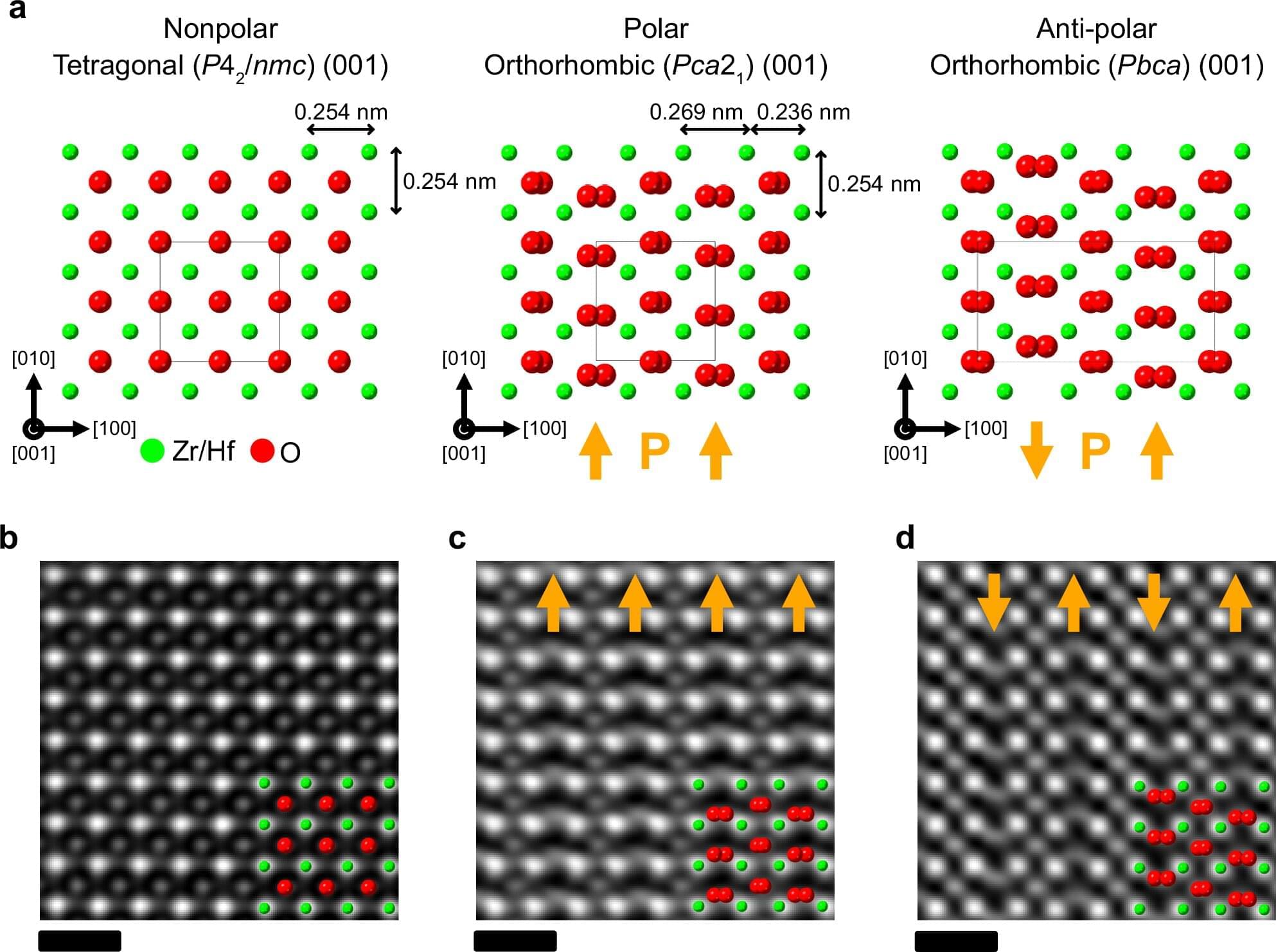
Using advanced electron microscopy at the Monash Center for Electron Microscopy (MCEM), the team captured atomic-scale movements inside promising memory materials, known as fluorite-type ferroelectrics, that could overcome current limits to how small and efficient memory devices can become.

Everyday technologies, such as smartphones, medical devices, wearable electronics and contactless IC cards used in public transport, store data as billions of digital 1s and 0s. In these materials, the physical position of an atom acts like a “switch”—and moving an atom just a fraction of a nanometer is what flips a data bit from a 0 to a 1.

/* */