Toggle light / dark theme

New chip-fabrication method creates ‘twin’ fingerprints for direct authentication

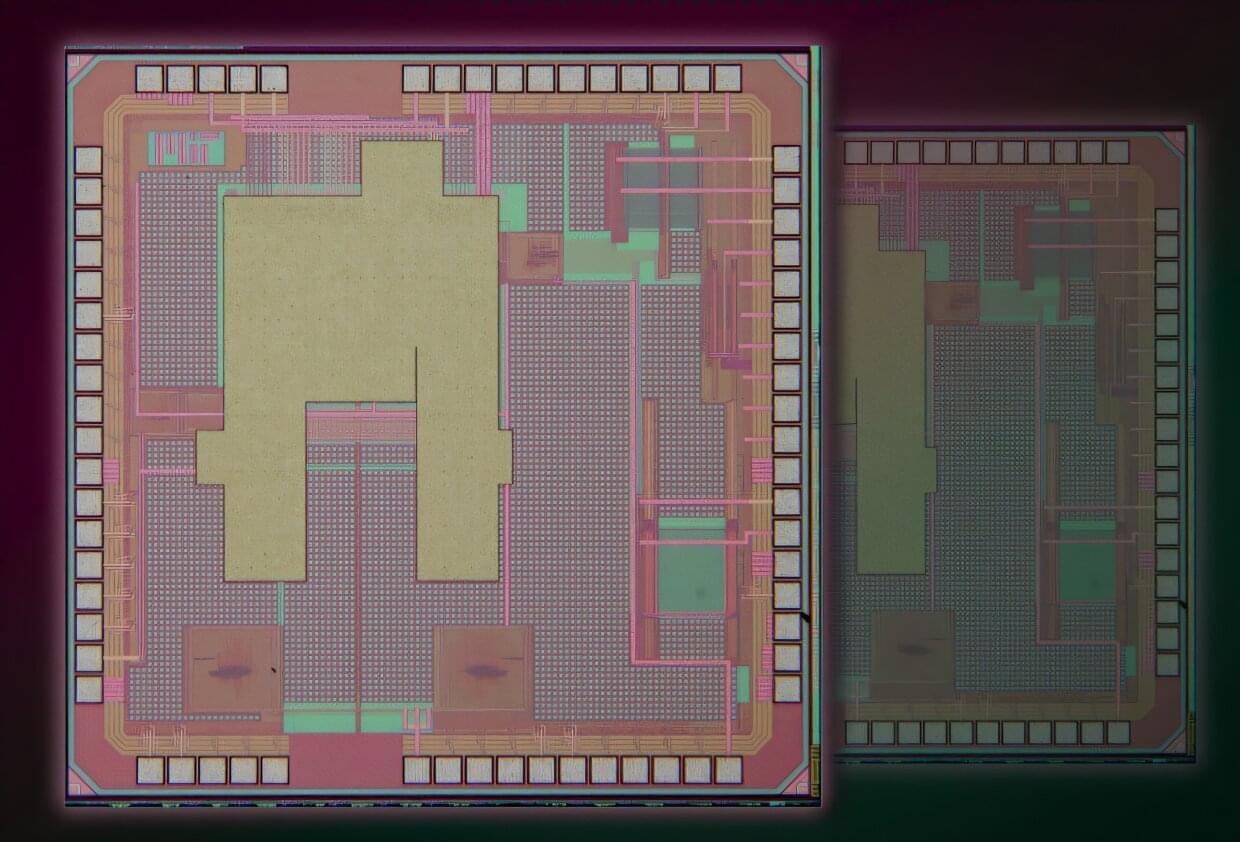
Just like each person has unique fingerprints, every CMOS chip has a distinctive “fingerprint” caused by tiny, random manufacturing variations. Engineers can leverage this unforgeable ID for authentication, to safeguard a device from attackers trying to steal private data.

But these cryptographic schemes typically require secret information about a chip’s fingerprint to be stored on a third-party server. This creates security vulnerabilities and requires additional memory and computation.

To overcome this limitation, MIT engineers developed a manufacturing method that enables secure, fingerprint-based authentication, without the need to store secret information outside the chip.
Neutron scattering helps clarify magnetic behavior in altermagnetic material

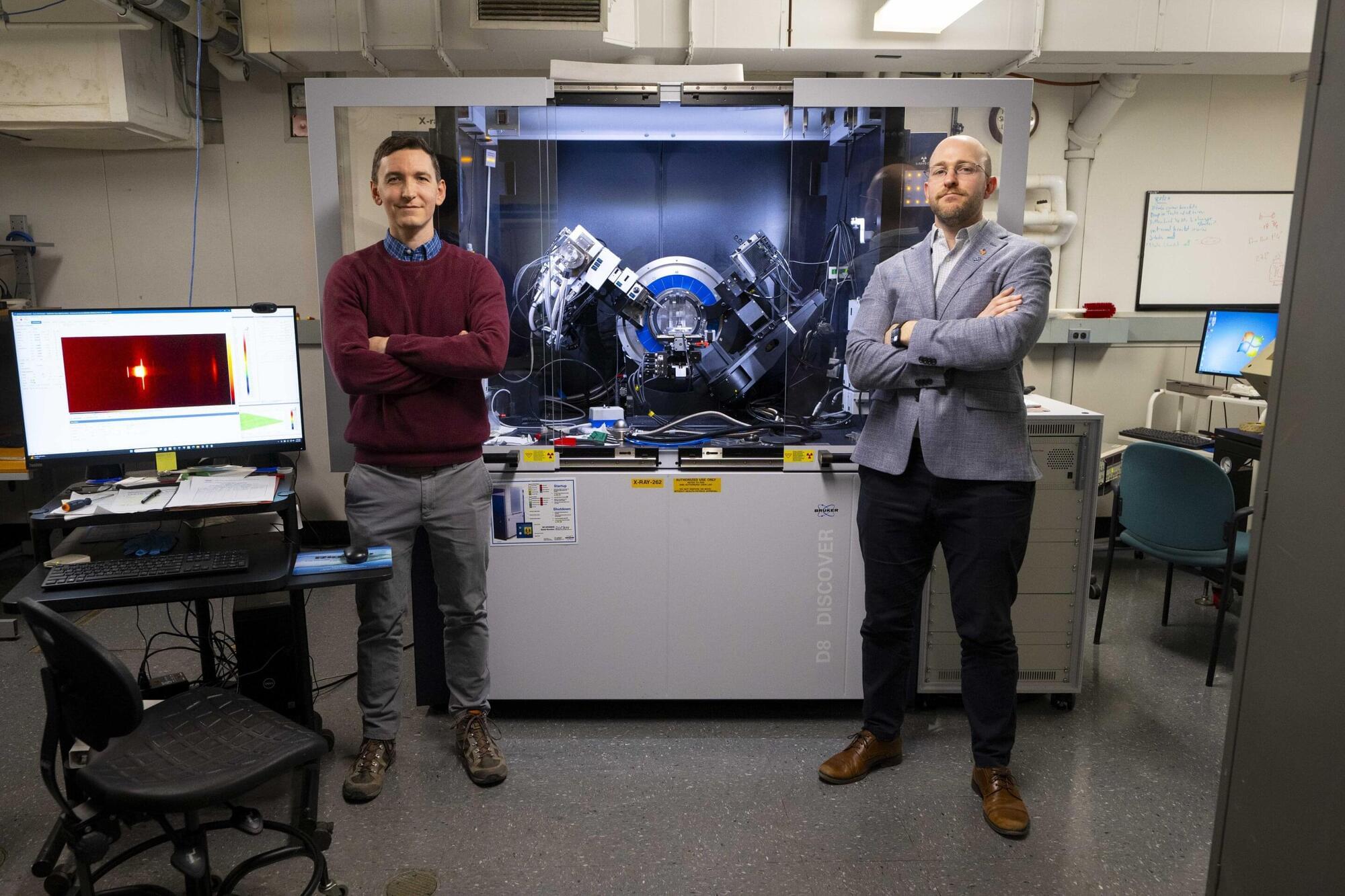
Scientists at the U.S. Naval Research Laboratory (NRL) have identified the true source of a magnetic effect seen in the material ruthenium dioxide (RuO₂), helping resolve an active debate in the rapidly growing field of altermagnetism. The study is published in the journal ACS Applied Materials & Interfaces.

RuO₂ has drawn global attention as a possible “altermagnetic” material, a newly predicted class of materials that could enable faster, more energy-efficient computing technologies. The excitement has been fueled by theory and early experimental reports suggesting that RuO₂ might host an unusual magnetic state with major implications for spintronics and high-speed electronics.

“Altermagnets are a hot field of research right now,” said Steven Bennett, Ph.D., an NRL materials scientist and co-author of the study. “There’s been a rush to experimentally demonstrate what theorists predicted, because the impact on high-speed, energy-efficient computing could be significant.”

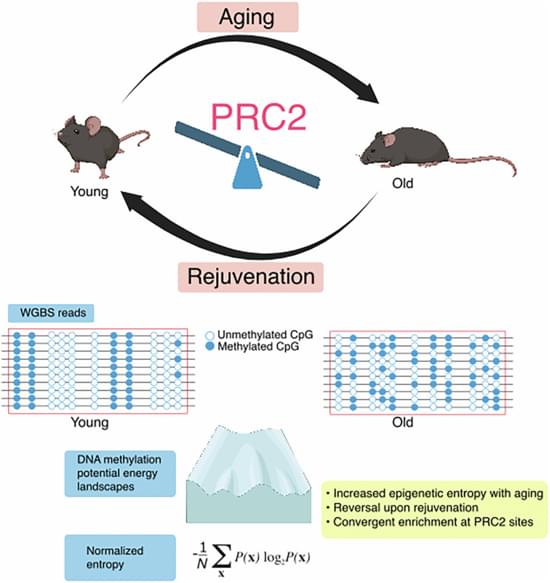
Convergence of aging- and rejuvenation-related epigenetic alterations on PRC2 targets

Rejuvenation of tissues in physiologically aging mice can be accomplished by long-term partial reprogramming via expression of reprogramming factors (Oct4, Sox2, Klf4, and c-Myc). To investigate the epigenetic determinants of partial reprogramming-mediated rejuvenation, we used whole-genome bisulfite sequencing to carry out unbiased comprehensive profiling of DNA methylation changes in skin from mice subjected to partial reprogramming, as well as young and untreated old controls. We found a striking convergence of age- and rejuvenation-related epigenetic alterations on targets of the Polycomb repressive complex 2 (PRC2), with increased DNA methylation level and entropy over these regions. Native ChIP demonstrated extensive loss of H3K27me3 in aged epidermis compared to young, partially overlapping regions with age- and rejuvenation-related DNA methylation changes. In addition, large H3K9me2-marked “LOCK” heterochromatin domains defined the boundaries for hypomethylated highly entropic regions during aging. These results are also supported by a likewise prominent enrichment of PRC2 targets in gene expression data, suggesting that PRC2 activity can modulate aging and mediate tissue rejuvenation.

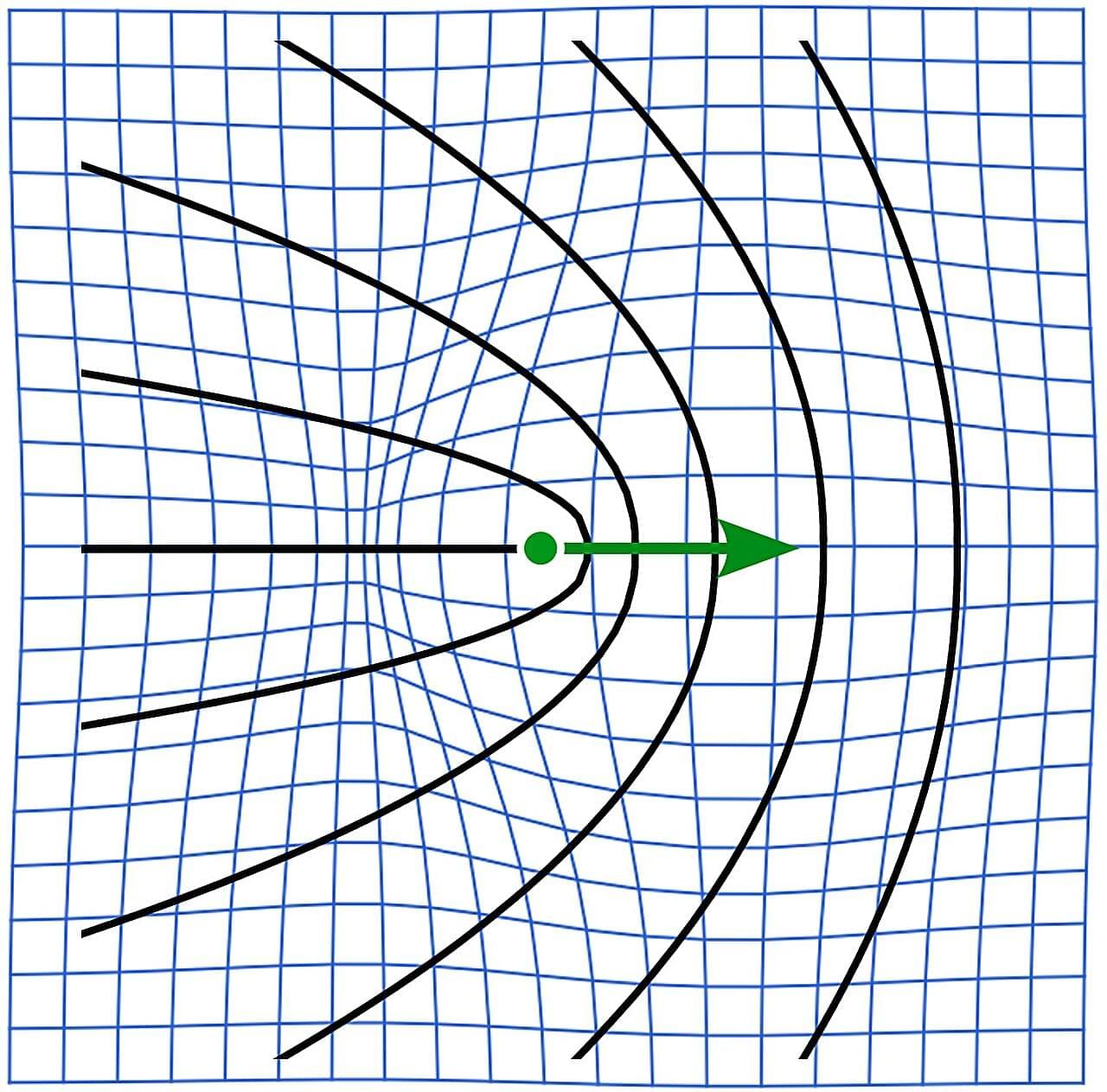
Living tissues are shaped by self-propelled topological defects, biophysicists find

With a new mathematical model, a team of biophysicists has revealed fresh insights into how biological tissues are shaped by the active motion of structural imperfections known as “topological defects.” Published in Physical Review Letters, the results build on our latest understanding of tissue formation and could even help resolve long-standing experimental mysteries surrounding our own organs.

Topological defects are structural imperfections that emerge in systems hosting multiple, incompatible configurations of particles. They can be found in many different kinds of systems—both natural and manmade—but are especially important for describing “active fluids,” which are composed of particles that constantly harvest energy from their surroundings and convert it into motion, generating their own propulsion.

This behavior also underpins the physics of liquid crystal displays, where topological defects emerge in 2D systems of rod-shaped molecules and help determine how light is modulated to produce the images and colors we see every day on our phones, laptops, and TV screens.

Quantum entanglement could link distant telescopes for sharper images

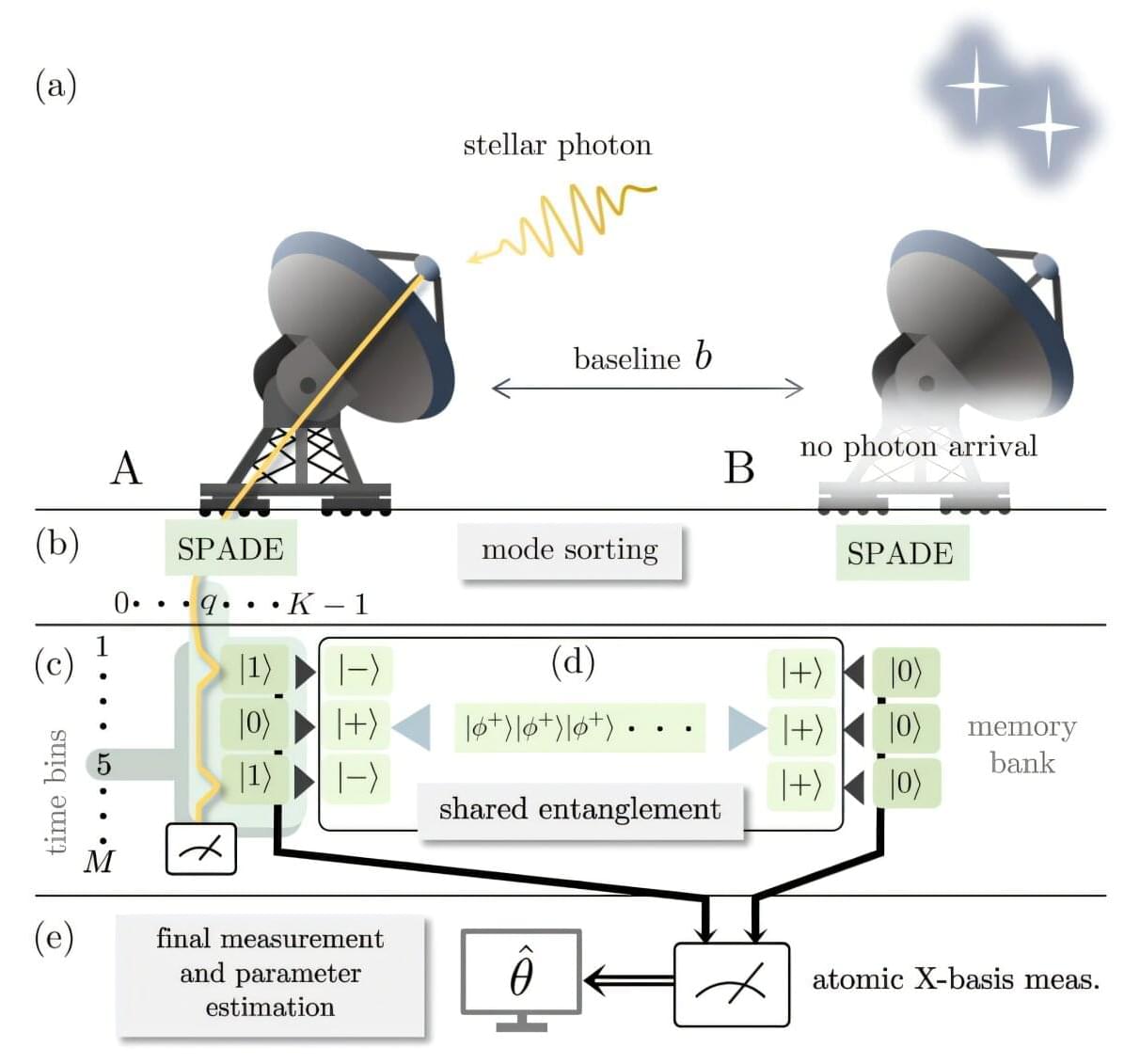
To capture higher-definition and sharper images of cosmological objects, astronomers sometimes combine the data collected by several telescopes. This approach, known as long-baseline interferometry, entails comparing the light signals originating from distant objects and picked up by different telescopes that are at different locations, then reconstructing images using computational techniques.

Conventional long-baseline interferometry methods combine the light signals collected by different telescopes using an interferometer. To do this, however, it relies on delicate optical links that bring light beams together and that are difficult to establish when telescopes are located at long distances from each other.

Researchers at University of Arizona, University of Maryland and NASA Goddard Space Flight Center recently proposed an alternative approach to achieve higher resolution telescopy images that leverages a quantum effect known as entanglement. Their proposed approach, outlined in a paper published in Physical Review Letters, allows distant entangled telescopes, which share a unified quantum state irrespective of how distant they are, to extract the same information about a given scene or cosmological image.

Transistor-like MXene membranes enhance ion separation

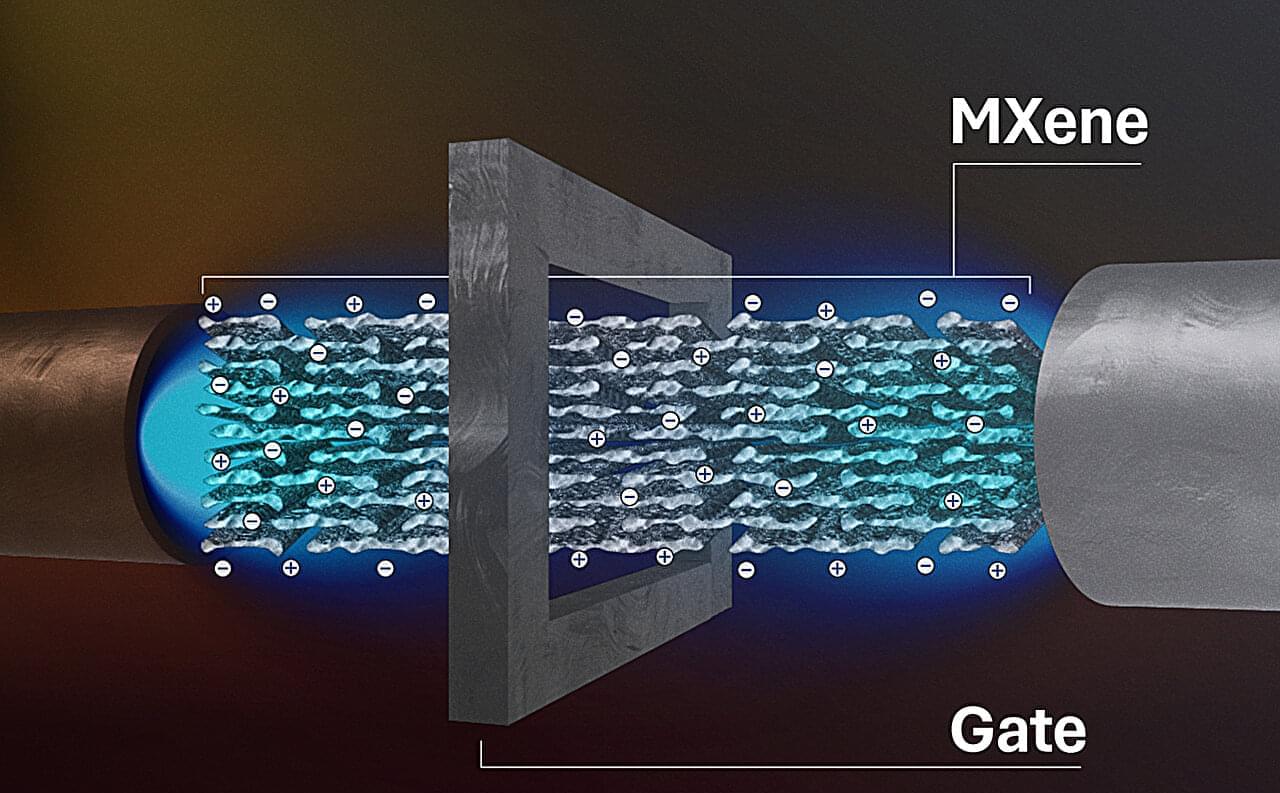
By applying voltage to electrically control a new “transistor” membrane, researchers at Lawrence Livermore National Laboratory (LLNL) achieved real-time tuning of ion separations—a capability previously thought impossible. The recent work, which could make precision separation processes like water treatment, drug delivery and rare earth element extraction more efficient, was published in Science Advances.

The membranes are made of stacks of MXenes —2D sheets that are only a few atoms thick. Ions squeeze through nanoscale channels formed in the gaps between the stacked MXene layers.

Until now, scientists thought MXene membrane properties were intrinsic and unchangeable once created. The rate of ion transport was thought to be baked in from the beginning.

Is this glass square the long, long future of data storage?

Scientists at Microsoft Research in the United States have demonstrated a system called Silica for writing and reading information in ordinary pieces of glass which can store two million books’ worth of data in a thin, palm-sized square.

In a paper published today in Nature, the researchers say their tests suggest the data will be readable for more than 10,000 years.

New chip-scale microcomb uses lithium niobate to generate evenly spaced light

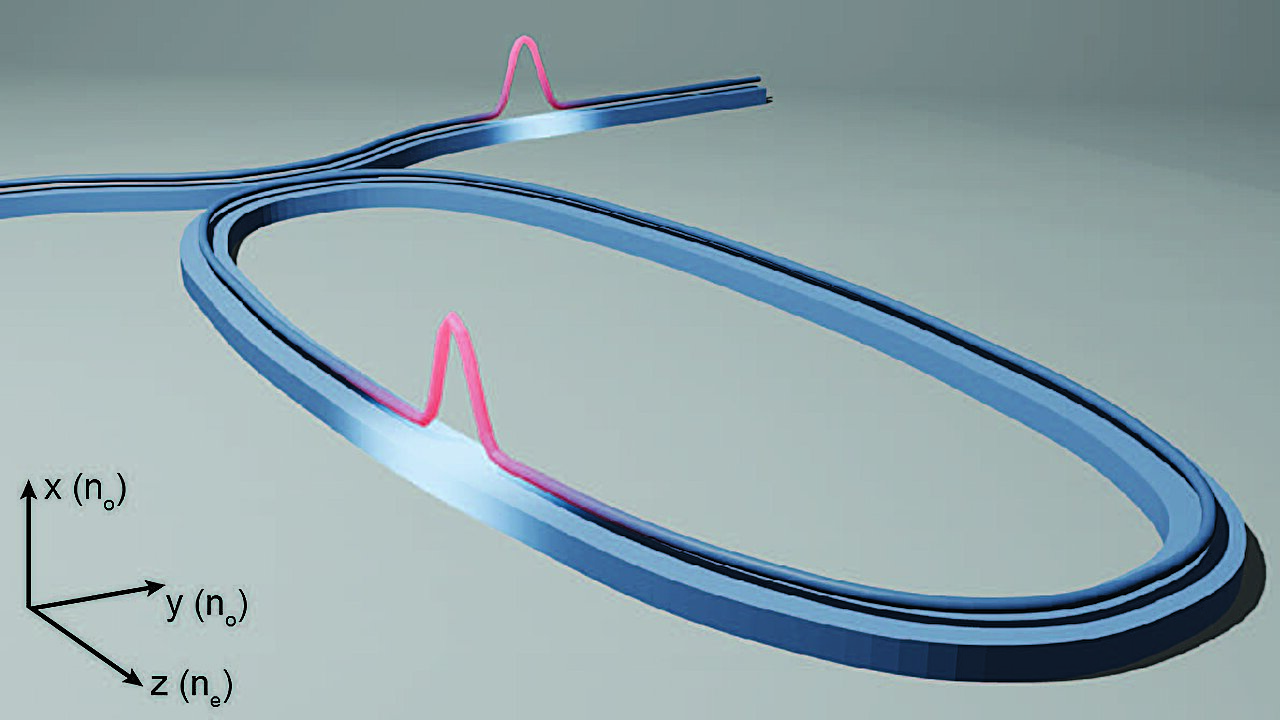
Applied physicists in the Harvard John A. Paulson School of Engineering and Applied Sciences (SEAS) have discovered a new way to generate ultra-precise, evenly spaced “combs” of laser light on a photonic chip, a breakthrough that could miniaturize optical platforms like spectroscopic sensors or communication systems.

The research was led by Marko Lončar, the Tiantsai Lin Professor of Electrical Engineering and Applied Physics at SEAS, and published in Science Advances. The paper’s first author is Yunxiang Song, a graduate student in Quantum Science and Engineering.

Next-generation OLEDs rely on fine-tuned microcavities

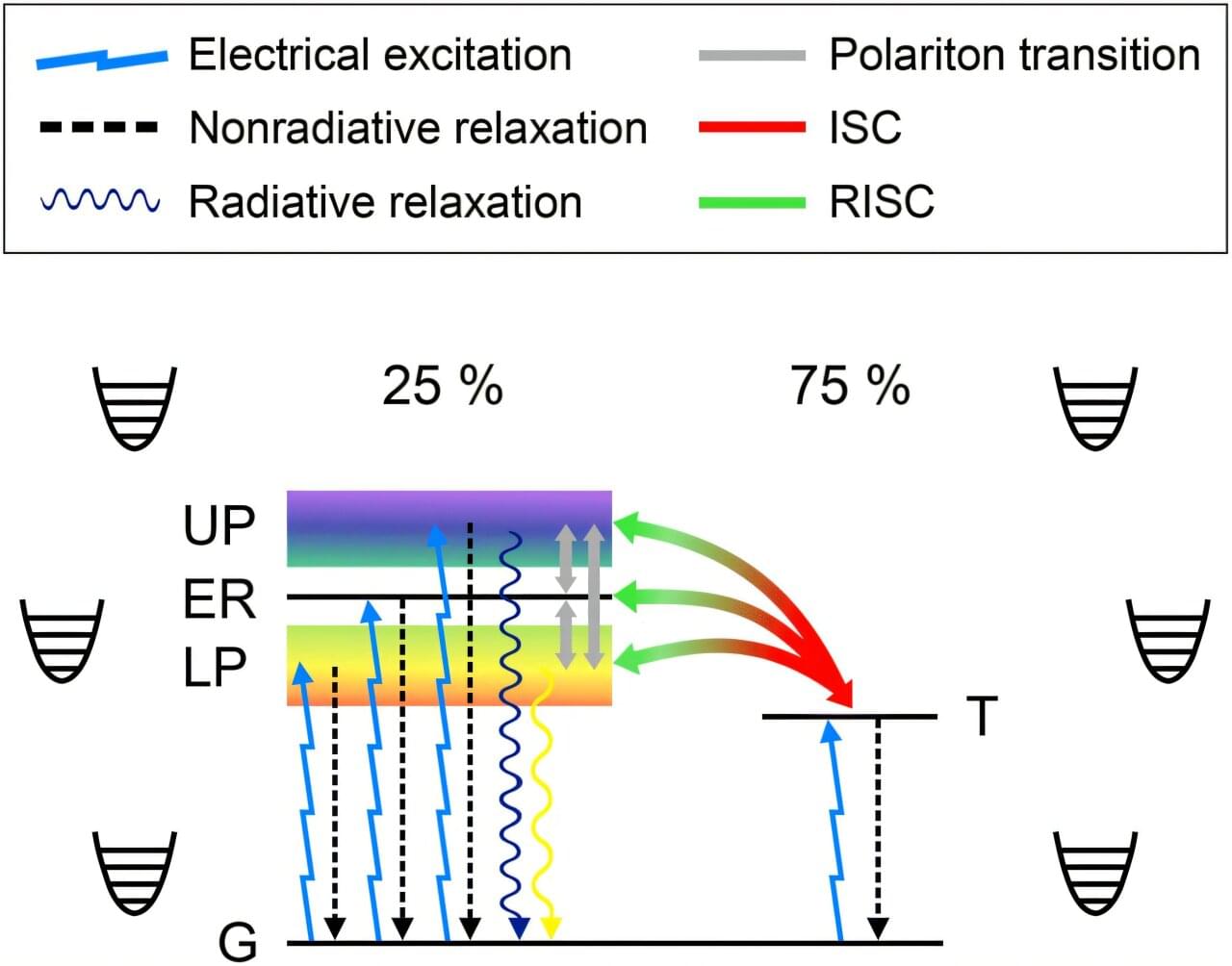
Researchers have developed a unified theory of microcavity OLEDs, guiding the design of more efficient and sustainable devices. The work reveals a surprising trade-off: squeezing light too tightly inside OLEDs can actually reduce performance, and maximum efficiency is achieved through a delicate balance of material and cavity parameters. The findings are published in the journal Materials Horizons.

Organic light-emitting diodes (OLEDs) offer several attractive advantages over traditional LED technology: they are lightweight, flexible, and more environmentally friendly to manufacture and recycle. However, heavy-metal-free OLEDs can be rather inefficient, with up to 75% of the injected electrical current converting into heat.

OLED efficiency can be enhanced by placing the device inside an optical microcavity. Squeezing the electromagnetic field forces light to escape more rapidly instead of wasting energy as heat. “It is basically like squeezing toothpaste out of a tube,” explains Associate Professor Konstantinos Daskalakis from the University of Turku in Finland.

Simplifying quantum simulations—symmetry can cut computational effort by several orders of magnitude

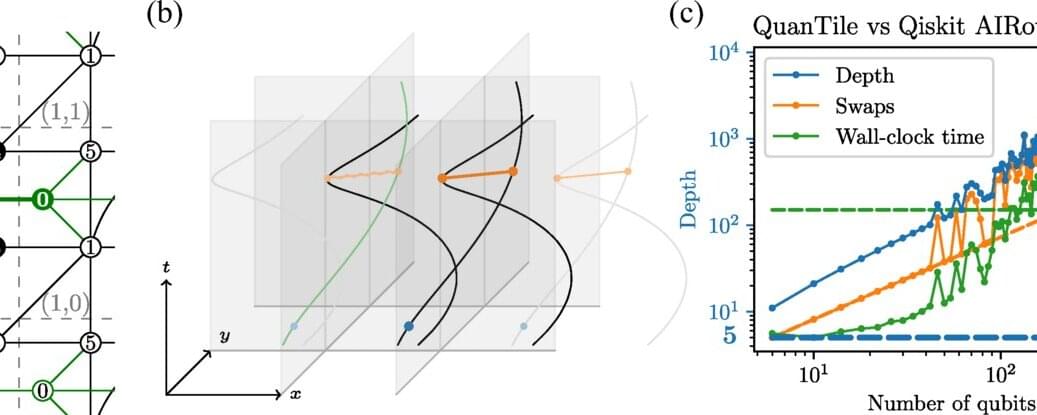
Quantum computer research is advancing at a rapid pace. Today’s devices, however, still have significant limitations: For example, the length of a quantum computation is severely limited—that is, the number of possible interactions between quantum bits before a serious error occurs in the highly sensitive system. For this reason, it is important to keep computing operations as efficient and lean as possible.

Drawing on the example of a quantum simulation, physicists Guido Burkard and Joris Kattemölle from the University of Konstanz illustrate how harnessing symmetry dramatically lowers the computational effort needed: They use recurring patterns in the quantum systems to reduce the required computational effort by a factor of a thousand or more. The method has now been published in the journal Physical Review Letters.

/* */