Toggle light / dark theme

Get the latest international news and world events from around the world.

Log in for authorized contributors

Engineers improve infrared devices using century-old materials

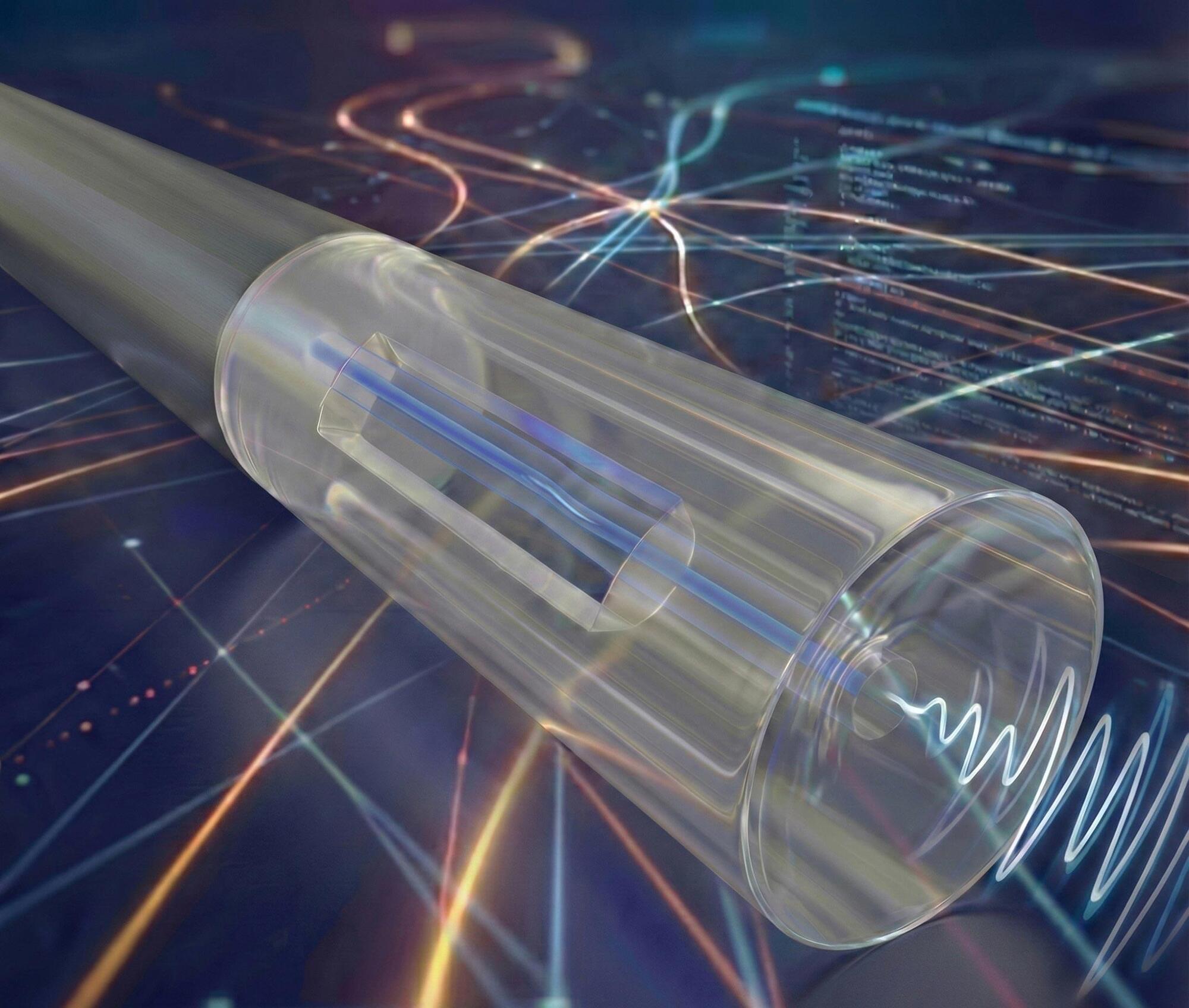
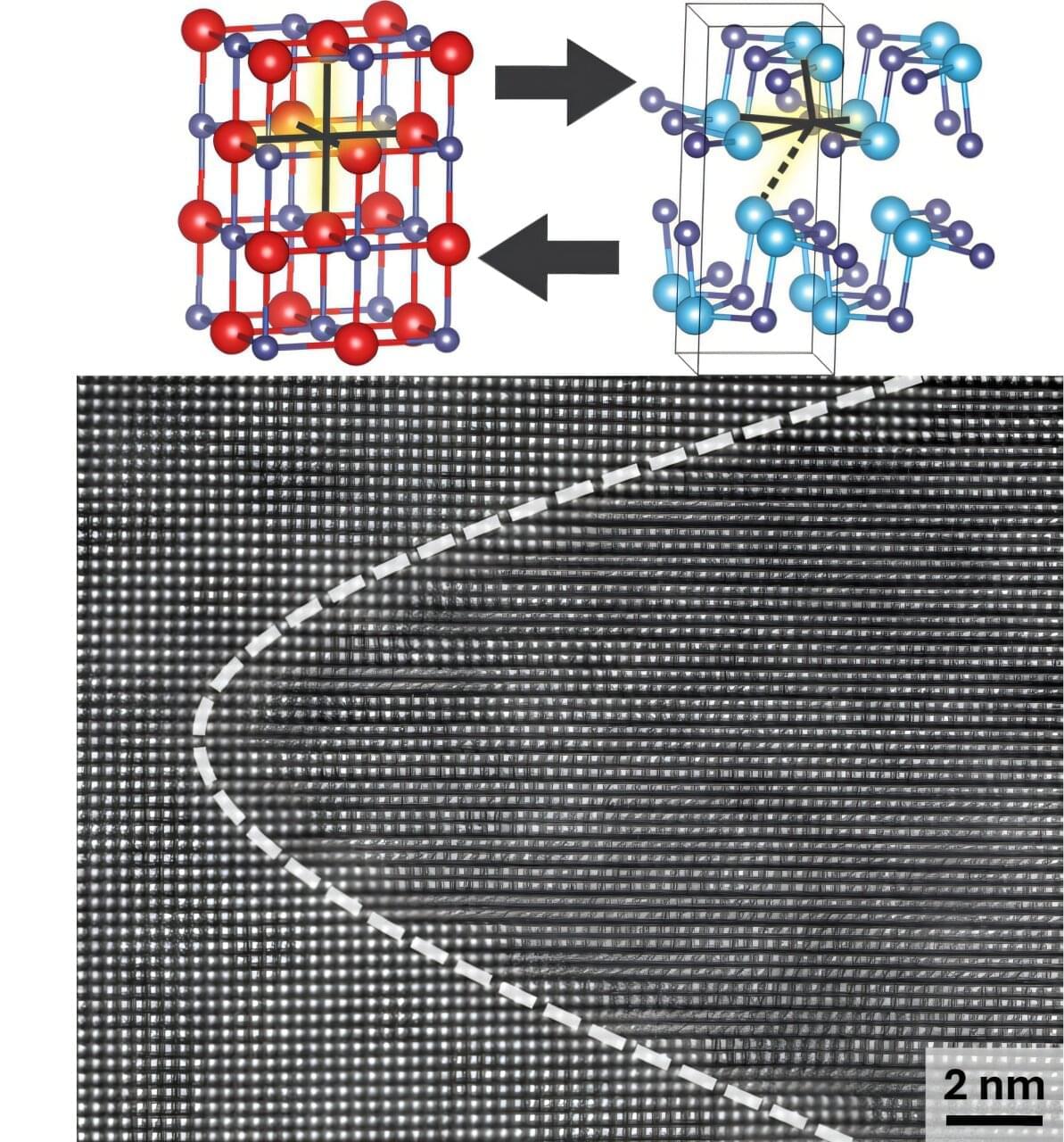
After decades of intense research, surprises in the realm of semiconductors—materials used in microchips to control electrical currents—are few and far between. But with a pair of published papers, materials engineers at Stanford University debut a promising approach to using a well-studied semiconductor to improve infrared light-emitting diodes and sensors. They say the approach could lead to smaller, sleeker, and less expensive infrared technologies for environmental, medical, and industrial uses.

“We taught an old dog new tricks,” said senior author Kunal Mukherjee, an assistant professor of materials science and engineering at the Stanford School of Engineering, putting the work’s importance in perspective. “The so-called IV–VI materials we’re working with—lead selenide and lead tin selenide—are more than a hundred years old. They are among the oldest semiconductors historically recorded. We found a way to integrate them with modern technology to produce a new type of infrared diode and to control the infrared light in important ways.”

The new diode emits infrared light in a desirable range of longer wavelengths (4,000–5,000 nanometers) good for sensing gas in the air (think greenhouse gases in the sky) or in medical settings (think carbon dioxide meters).
Rare Type Icn supernova SN 2024abvb is among the most luminous known

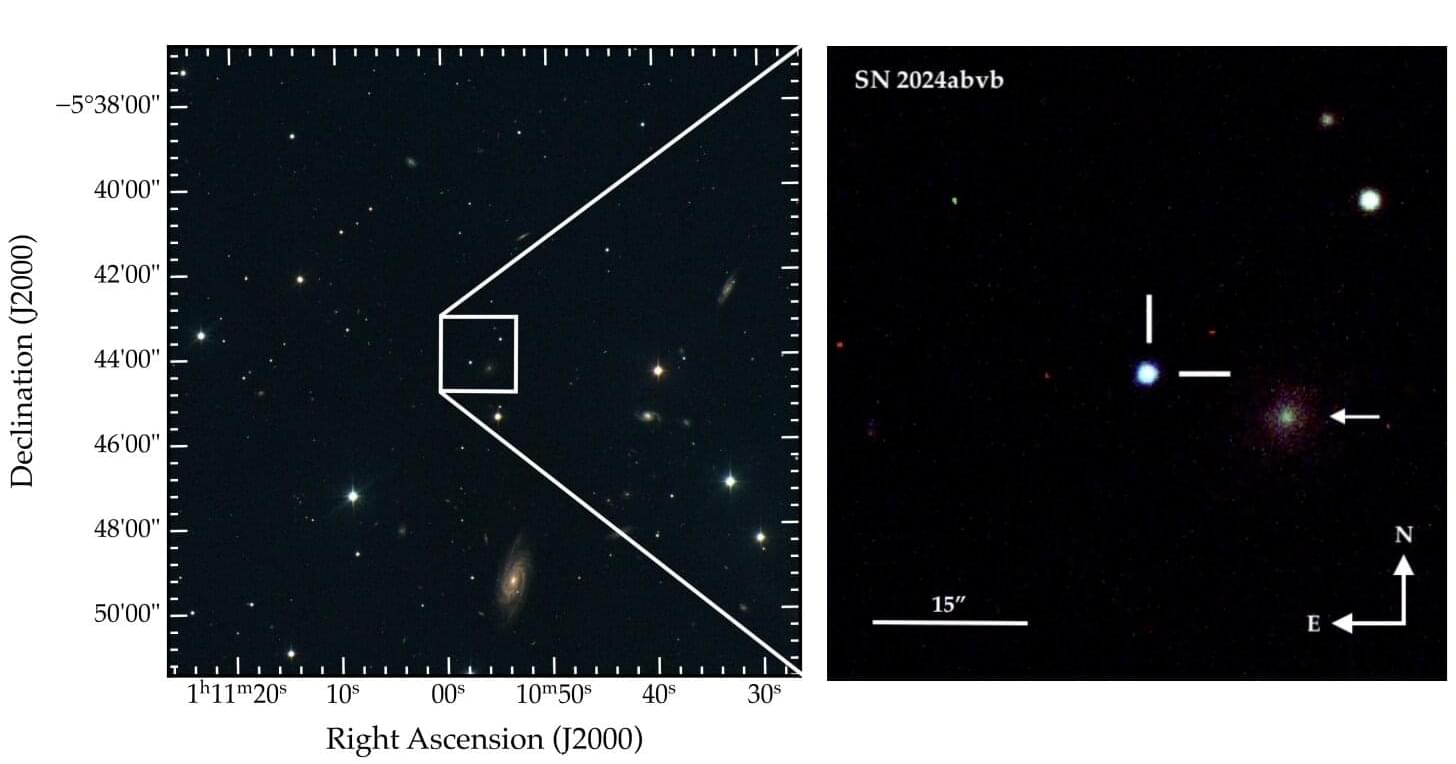
An international team of astronomers has carried out photometric and spectroscopic observations of SN 2024abvb—a recently discovered supernova of a rare Type Icn. The new observational campaign yields important information regarding the properties and nature of this supernova. The study was published February 18 on the arXiv pre-print server.

Supernovae (SNe) are powerful and luminous stellar explosions. They are important for the scientific community as they offer essential clues into the evolution of stars and galaxies. In general, SNe are divided into two groups based on their atomic spectra: Type I and Type II. Type I SNe lack hydrogen in their spectra, while those of Type II showcase spectral lines of hydrogen.

Type Icn SNe are an extreme subtype of interacting stripped-envelope supernovae (SESN). They have strong, narrow oxygen and carbon lines but weak or absent hydrogen and helium lines, presenting additional complications to the stripping mechanism. They have narrow emission features indicative of circumstellar interaction.

APT37 hackers use new malware to breach air-gapped networks

North Korean hackers are deploying newly uncovered tools to move data between internet-connected and air-gapped systems, spread via removable drives, and conduct covert surveillance.

The malicious campaign has been named Ruby Jumper and is attributed to the state-backed group APT37, also known as ScarCruft, Ricochet Chollima, and InkySquid.

Air-gapped computers are disconnected from external networks, especially the public internet. Physical isolation is achieved at the hardware level by removing all connectivity (Wi-Fi, Bluetooth, Ethernet), while logical segregation relies on various software-defined controls, like VLANs and firewalls.

Giving AI a human soul (and a body)

Can we give an AI human emotions? A soul? Can AI truly feel, or will it just act like it does?

In this episode of TechFirst, I talk with Vishnu Hari, founder and CEO of Ego AI (backed by Y Combinator) and former AI product manager at Meta, about building emotionally intelligent AI characters that persist across games, Discord, chat, and even physical robots.

Vishnu survived a violent attack in San Francisco that left him partially blind with a traumatic brain injury. During recovery, as he felt his own neural pathways healing, he began asking a deeper question:

If humans are “applied math,” can AI simulate the fragile, flawed, emotional parts of being human too?

We explore:
• What “emotionally intelligent AI” really means.
• Whether AI has an internal life — or just performs one.
• Why today’s chatbots collapse into therapy or roleplay.
• Small language models vs large models for real-time conversation.
• Persistent AI characters that move across games and platforms.
• Plugging AI into a physical robot in Singapore.
• The moment an AI said: “It felt good to feel.”

Vishnu’s company, Ego AI, is building behavior-based architectures, character context protocols, and gear-shifting AI systems that switch between models — all aimed at simulating humanness, not just intelligence.

Social media feeds: Algorithm redesign could break echo chambers and reduce online polarization

Scroll through social media long enough and a pattern emerges. Pause on a post questioning climate change or taking a hard line on a political issue, and the platform is quick to respond—serving up more of the same viewpoints, delivered with growing confidence and certainty.

That feedback loop is the architecture of an echo chamber: a space where familiar ideas are amplified, dissenting voices fade, and beliefs can harden rather than evolve.

But new research from the University of Rochester has found that echo chambers might not be a fact of online life. Published in IEEE Transactions on Affective Computing, the study argues that they are partly a design choice—one that could be softened with a surprisingly modest change: introducing more randomness into what people see.

New model predicts the melting of free-floating ice in calm water

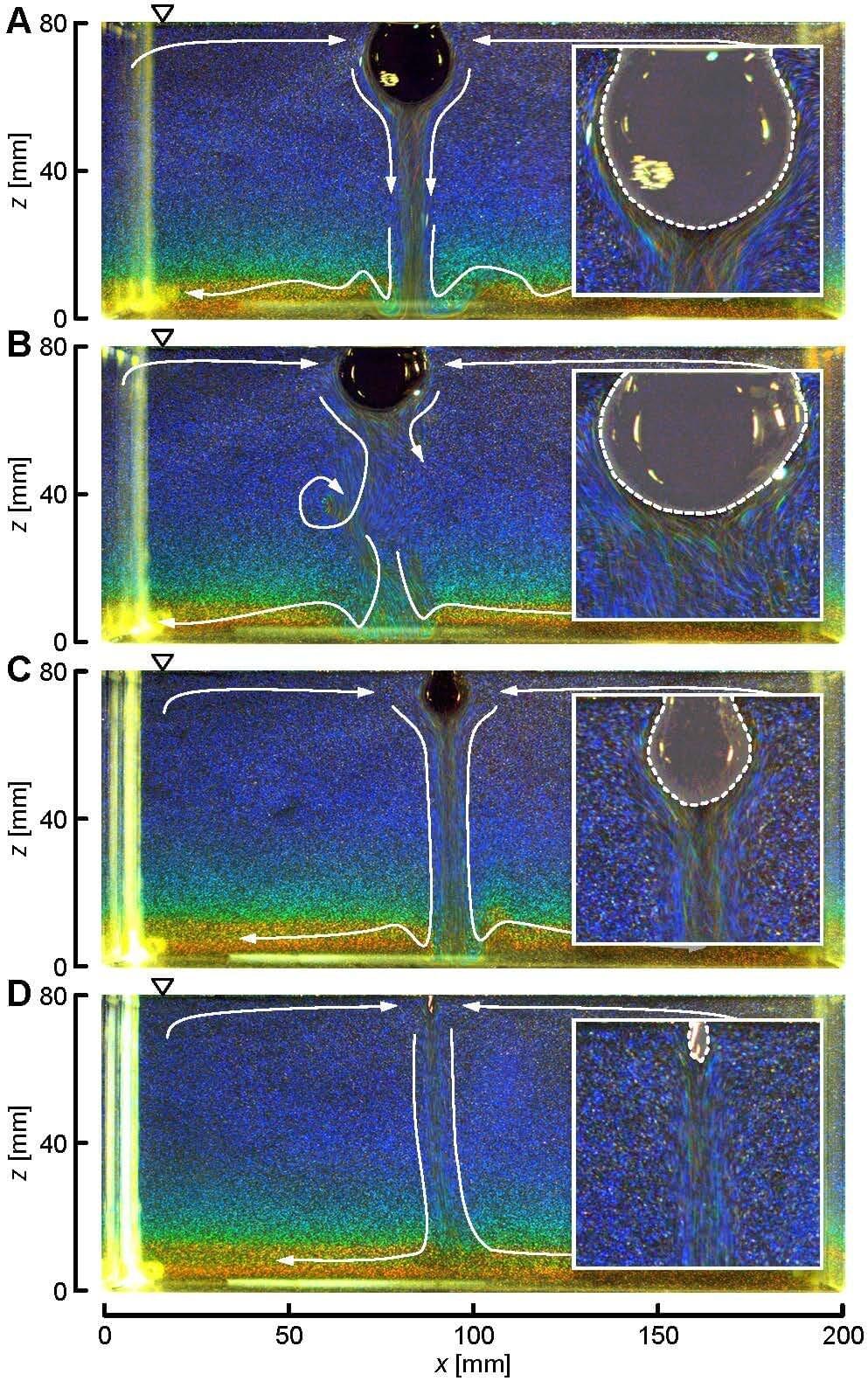
A pair of US researchers have developed a new model to tackle a deceptively simple problem: how a small block of ice melts while floating in calm water. Using an advanced experimental setup, Daisuke Noto and Hugo Ulloa at the University of Pennsylvania have captured the intricate dynamics that underlie this everyday process—work that could ultimately pave the way for more accurate predictions of melting sea ice. The study has been published in Science Advances.

If you place a block of ice in a glass of water, it will float at the surface and gradually melt. While this scenario seems simple at first glance, the dynamics involved are surprisingly complex: even if the surrounding water is completely still, the flow of heat from the warmer liquid into the colder ice generates motion that disrupts the system.

As the ice melts, it can begin drifting, spinning, or even flipping over. In turn, these motions alter the surrounding flow of water and heat, affecting the overall melting rate and making it remarkably difficult for physicists to predict how long the ice will last.

Reshaping gold leads to new electronic and optical properties

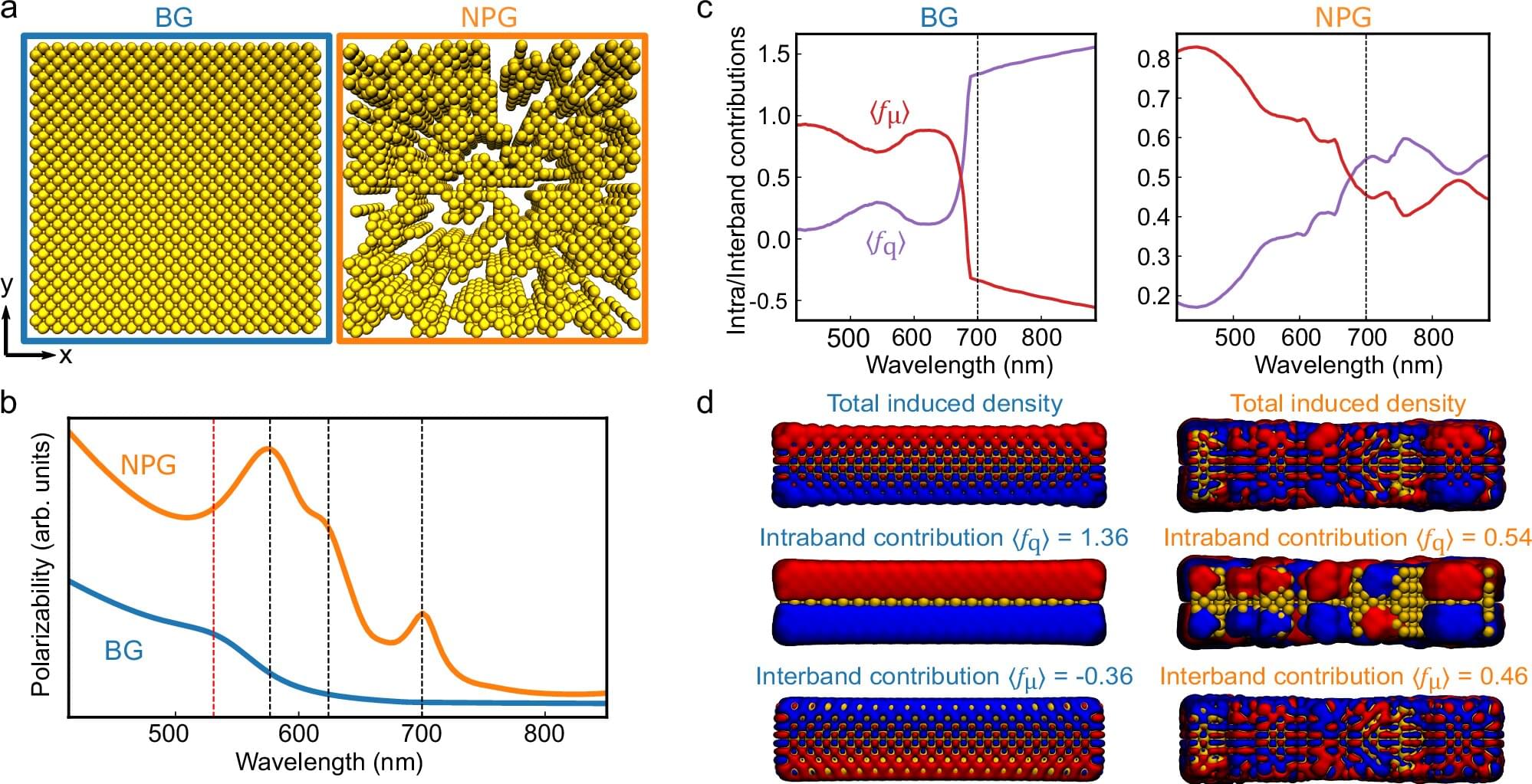
By changing the physical structure of gold at the nanoscale, researchers can drastically change how the material interacts with light—and, as a result, its electronic and optical properties. This is shown by a study from Umeå University published in Nature Communications.

Gold plays a crucial role in modern advanced technology thanks to its unique properties. New research now demonstrates that changing the material’s physical structure—its morphology—can fundamentally enhance both its electronic behavior and its ability to interact with light.

“This might make it possible to improve the efficiency of chemical reactions such as those used in hydrogen production or carbon capture,” says Tlek Tapani, one of the leading researchers behind the study and doctoral student at the Department of Physics.

Lab study suggests longer waves fracture floating ice sheets at lower stress

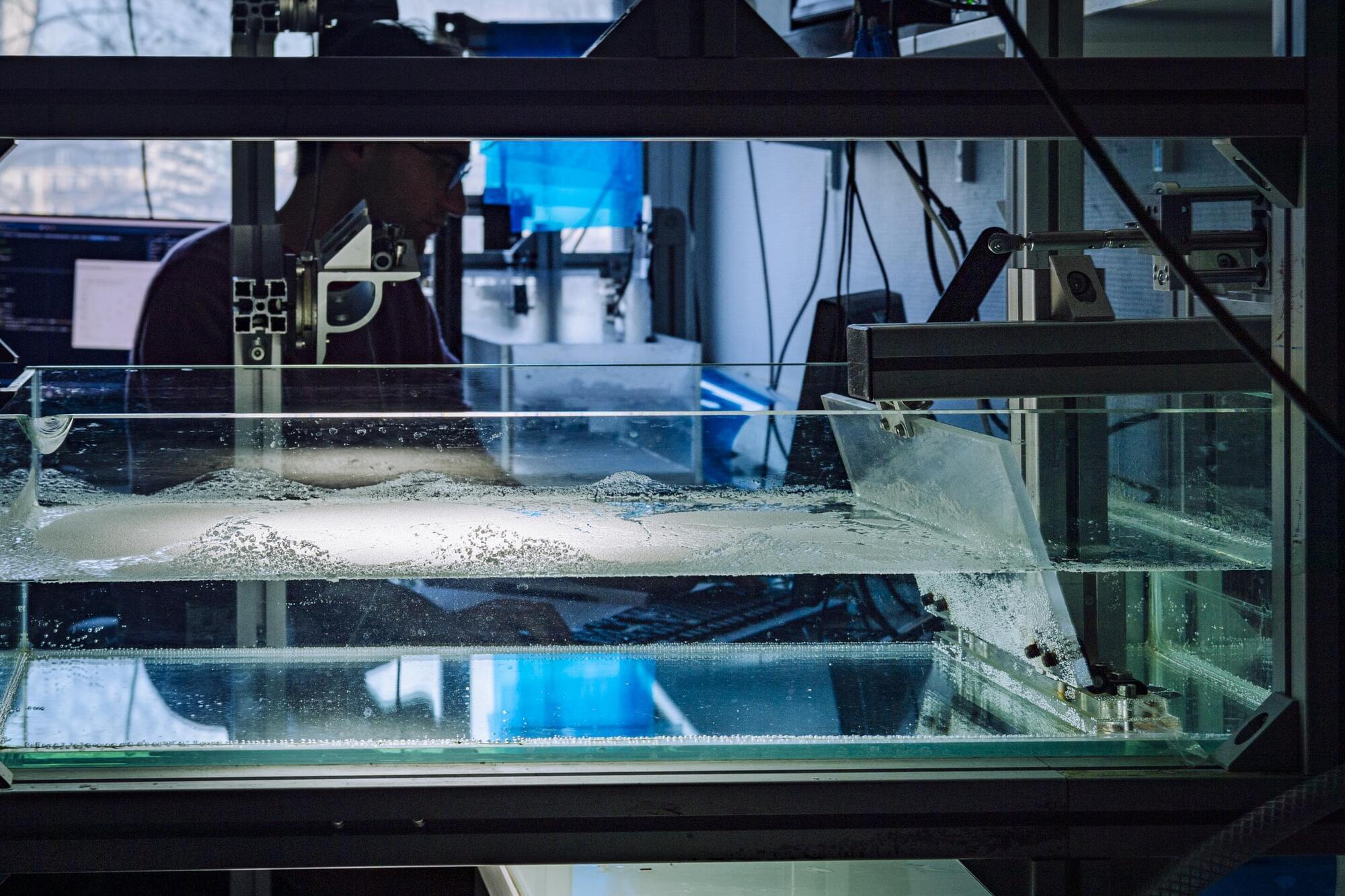
When waves are moving across ice-covered seas, they can cause sheets of ice to bend and ultimately break. Understanding the processes underlying these wave-induced ice fractures and predicting when they will occur could help to better forecast how climate change will impact the environment and marine ecosystems on Earth.

Researchers at PMMH Lab, ESPCI, CNRS, PSL University, Sorbonne Université and Université Paris Cité recently performed a new laboratory experiment aimed at shedding new light on this phenomenon. The results of this experiment, published in Physical Review Letters, suggest that the stress at which ice sheets break depends on the length of the underlying waves.

“Since 2021, we wanted to study the propagation of ocean waves in floating ice, with laboratory-scale experiments, and in particular the fracture of a thin sheet by a surface wave,” said Stéphane Perrard, senior author of the paper, told Phys.org. “We were later inspired by the work of E. Dumas Lefevbre and D. Dumont, who monitored the fracture of a real sea ice layer by the wake of an icebreaker. To study a small-scale analog of their experiment, we used the concept of scale invariance: the same physical phenomenon can occur at very different scales, as long as the key ingredients are conserved across scales.”

/* */