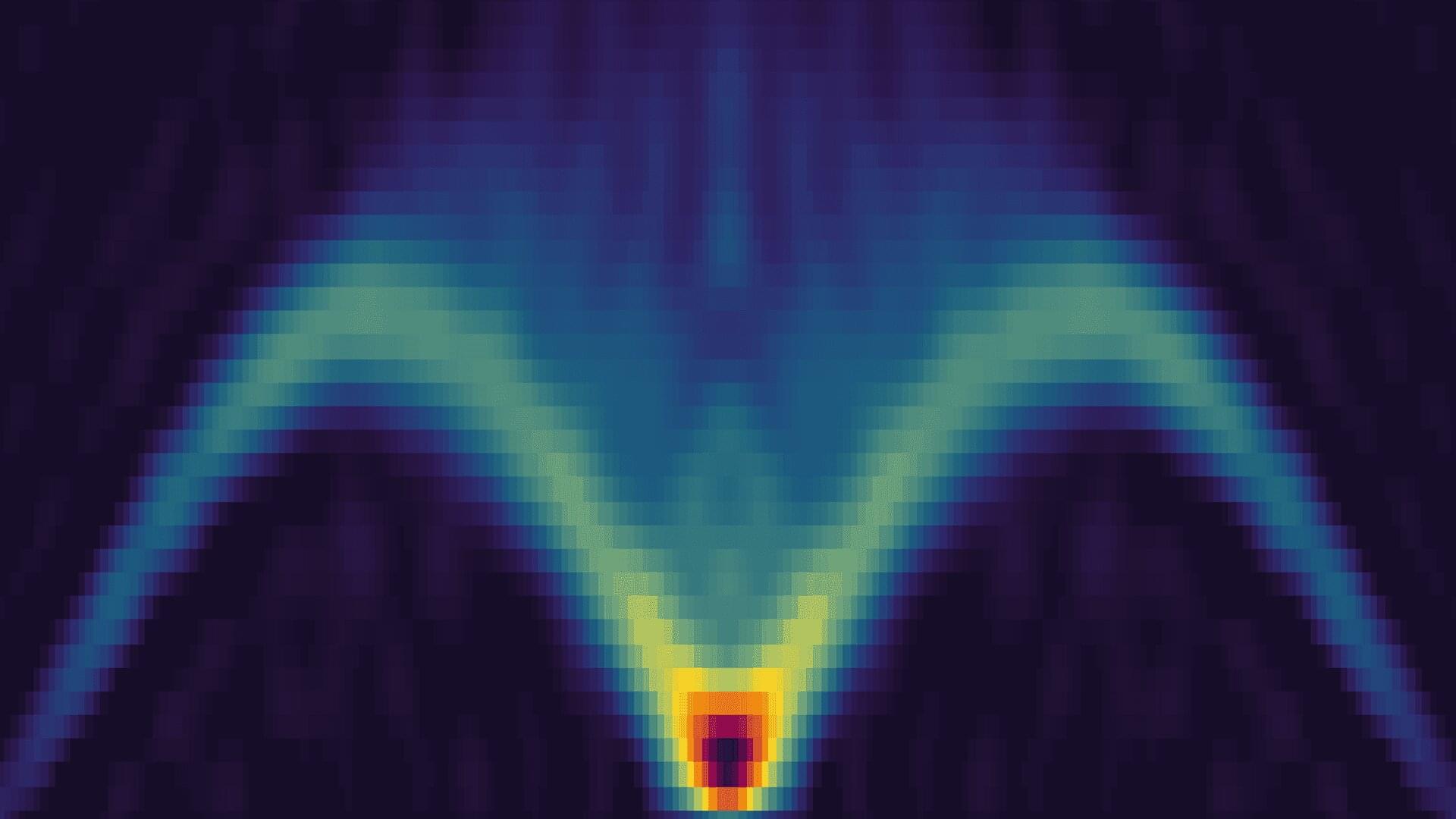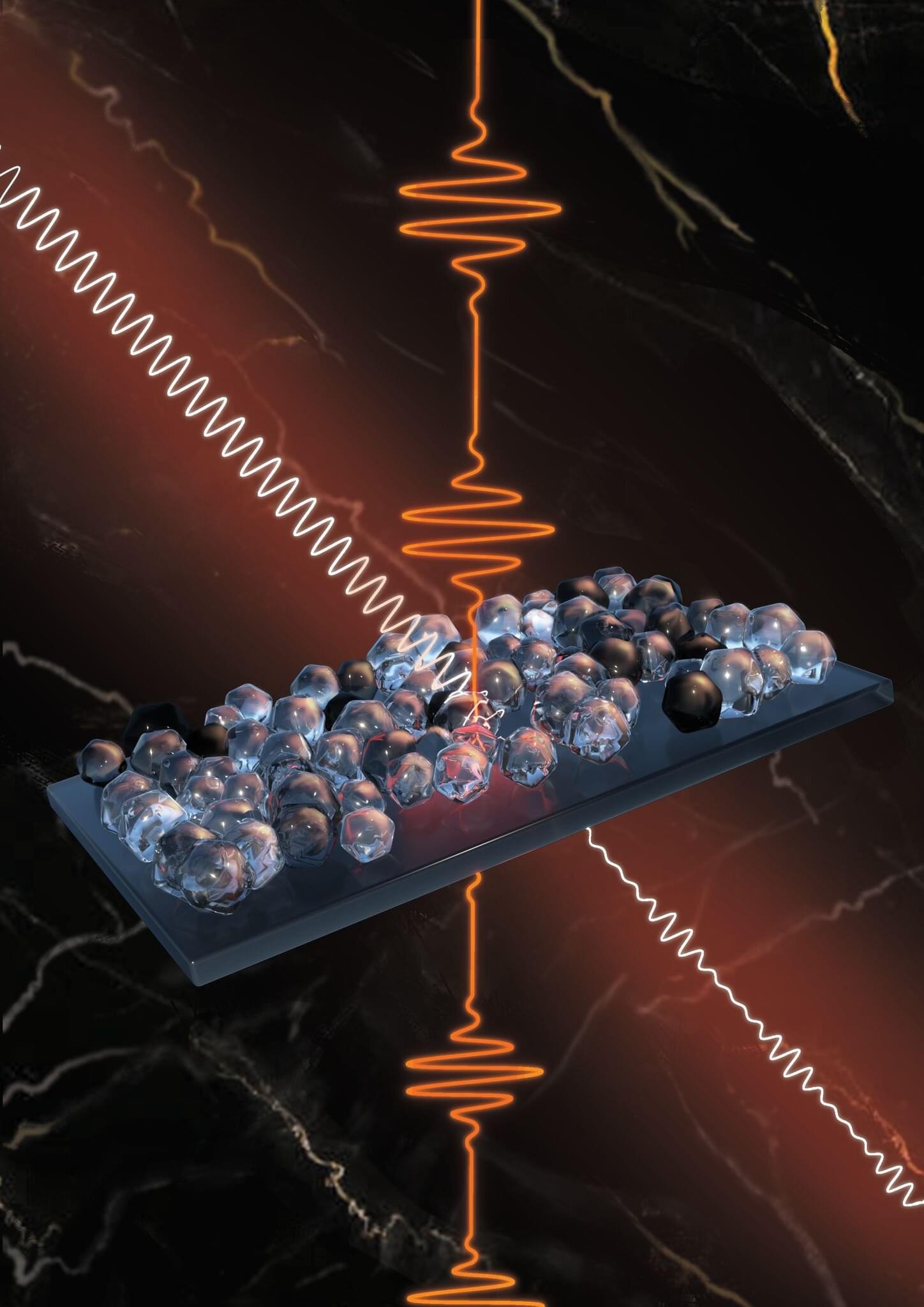
Just as an antenna interacts with radio waves, light interacts with metallic nanostructures. Therefore, understanding how a structure influences field oscillations provides valuable insights into the structure’s physical properties. An international research team, including scientists from the Max Planck Institute for the Science of Light (MPL), is investigating the changes in field oscillations that occur when light interacts with indium tin oxide (ITO) nanocrystals. This will deepen our understanding of how the interaction between light and these nanocrystals depends on time.
Precise and high-speed control of light is crucial to optical communication. It opens up the possibility to transmit data more quickly and efficiently in the future. Optical switches, which can activate or deactivate light pulses selectively, are a key component in achieving this.
To ensure optimal performance and prevent delays caused by switching times, the switches must respond very fast. Ideally, they also have the highest possible modulation depth. This refers to the difference in brightness between the light transmitted in the “on” and “off” states. Additionally, a suitable switch exhibits the same predictable behavior each time it is used.