Toggle light / dark theme

Get the latest international news and world events from around the world.

Log in for authorized contributors

Understanding protein motion could greatly aid new drug design

For many people, “protein” is the key element of a food order. However, beyond the preferred choice of meats or plant-based alternatives, proteins encompass a large class of complex biomolecules whose chemical structure is encoded in our genes. Proteins have critical functions in living cells; they help repair and build body tissues, drive metabolic reactions, maintain pH and fluid balance, and keep our immune systems strong.

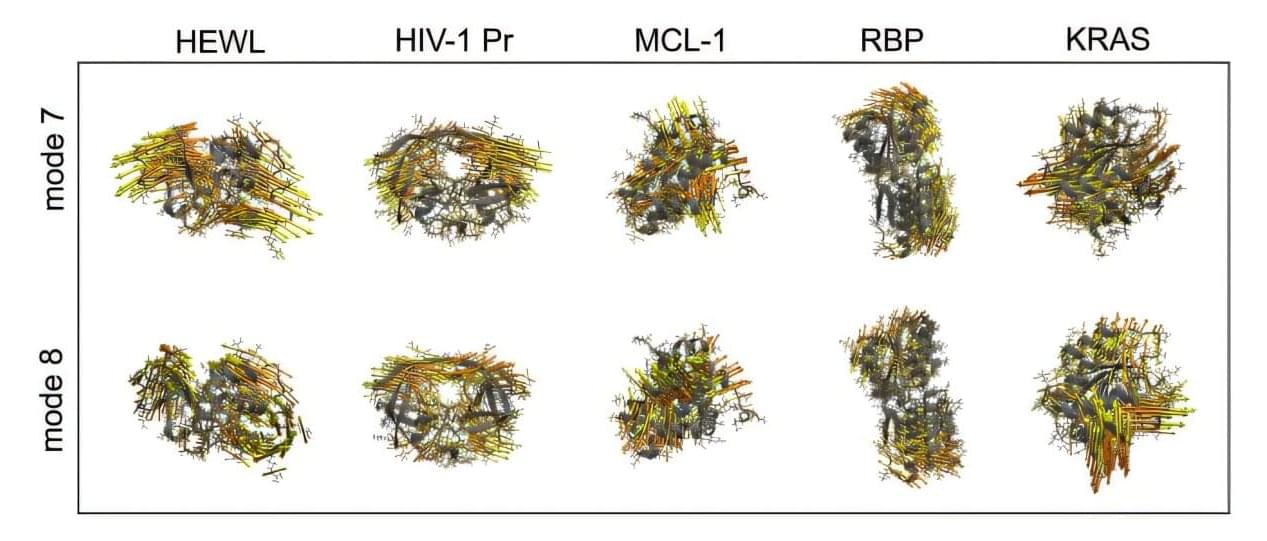
To perform their important functions, many proteins have a dynamic molecular structure capable of adopting multiple conformations. For a long time, scientists have suspected that proteins don’t change shape at random. Instead, they seem to move according to deep, slow rhythms—like a building that sways gently in the wind rather than shaking violently.

Those slow rhythms guide how a protein bends, twists, and shifts between its different forms. If one could understand those rhythms, one might be able to predict—and even hurry along—the protein’s movements.

Brain-inspired AI hardware helps autonomous devices operate efficiently and independently

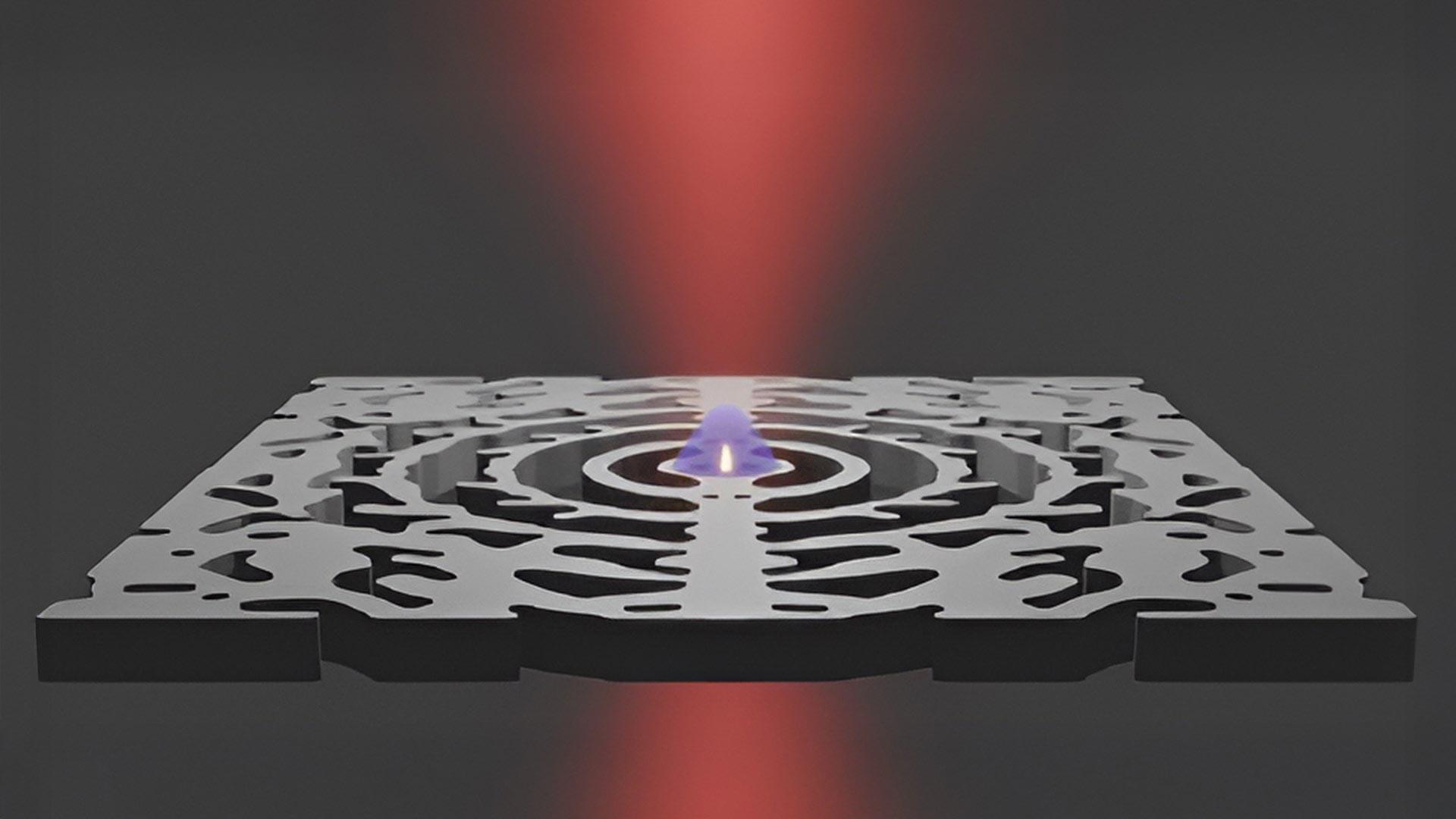
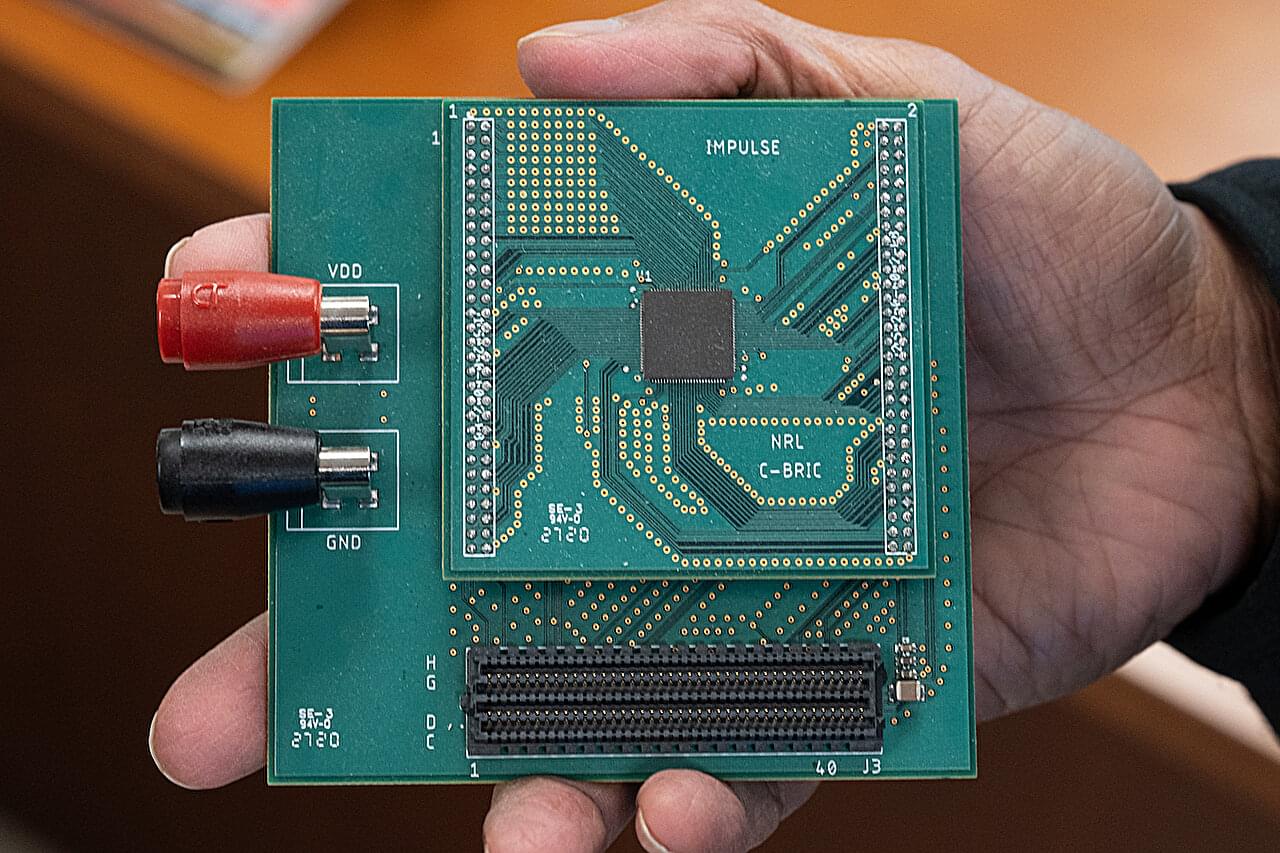
The human brain constantly makes decisions. It requires minimal power to move bodies in a desired direction or avoid an object. A Purdue University engineer uses the brain’s efficiency as inspiration to help autonomous vehicles, such as drones and robots, make crucial, time-sensitive decisions while operating in the field.

Kaushik Roy, the Edward G. Tiedemann, Jr. Distinguished Professor of Electrical and Computer Engineering in Purdue’s Elmore Family School of Electrical and Computer Engineering and director of the Institute of Chips and AI, is developing brain-inspired hardware that enables autonomous devices to efficiently navigate and adapt to their environment. This work is published in Communications Engineering

AI-powered machines have advanced significantly over the past several decades thanks to machine learning, which enables these devices to recognize patterns and make predictions or decisions. But the algorithms that facilitate this learning require immense amounts of energy to operate due to their intensive calculations and the design of the hardware that runs them.

This Supervolcano Is Refilling With Magma After 7,300 Years

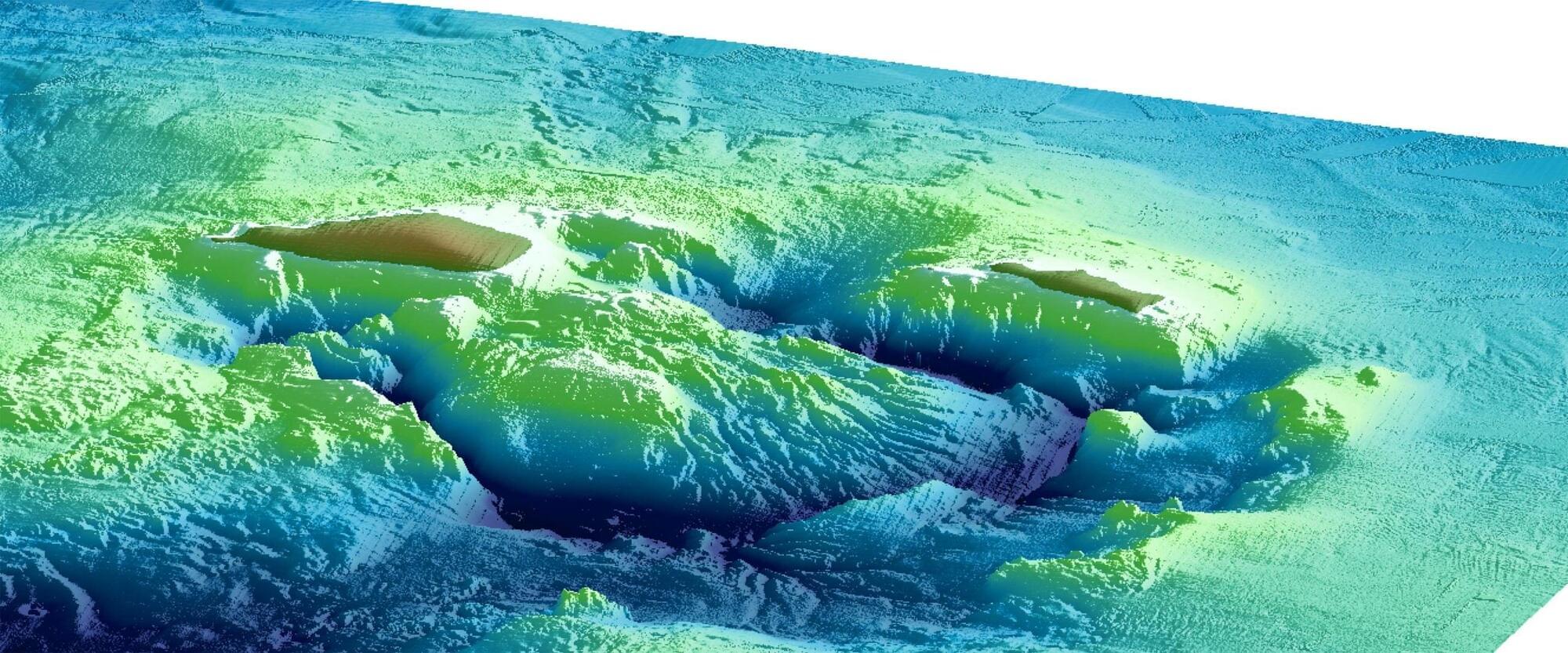
A supervolcano that once shook the Earth is quietly recharging—and scientists are finally seeing how it happens.

Scientists have found that the magma reservoir linked to the largest volcanic eruption of the Holocene is filling again. The discovery, led by Kobe University researchers studying Japan’s Kikai caldera, offers new insight into how massive caldera systems such as Yellowstone and Toba behave and may improve our ability to anticipate future activity.

What Makes Supervolcanoes So Powerful

Backdoored Telnyx PyPI package pushes malware hidden in WAV audio

TeamPCP hackers compromised the Telnyx package on the Python Package Index today, uploading malicious versions that deliver credential-stealing malware hidden inside a WAV file.

The supply-chain attack was observed by application security firms Aikido, Socket, and Endor Labs, and was attributed to TeamPCP based on the same exfiltration pattern and RSA key seen in previous incidents caused by the same actor.

TeamPCP is responsible for multiple recent supply-chain (e.g., Aqua Security’s Trivy vulnerability scanner, the open-source Python library LiteLLM) and wiper attacks targeting Iranian systems.

/* */