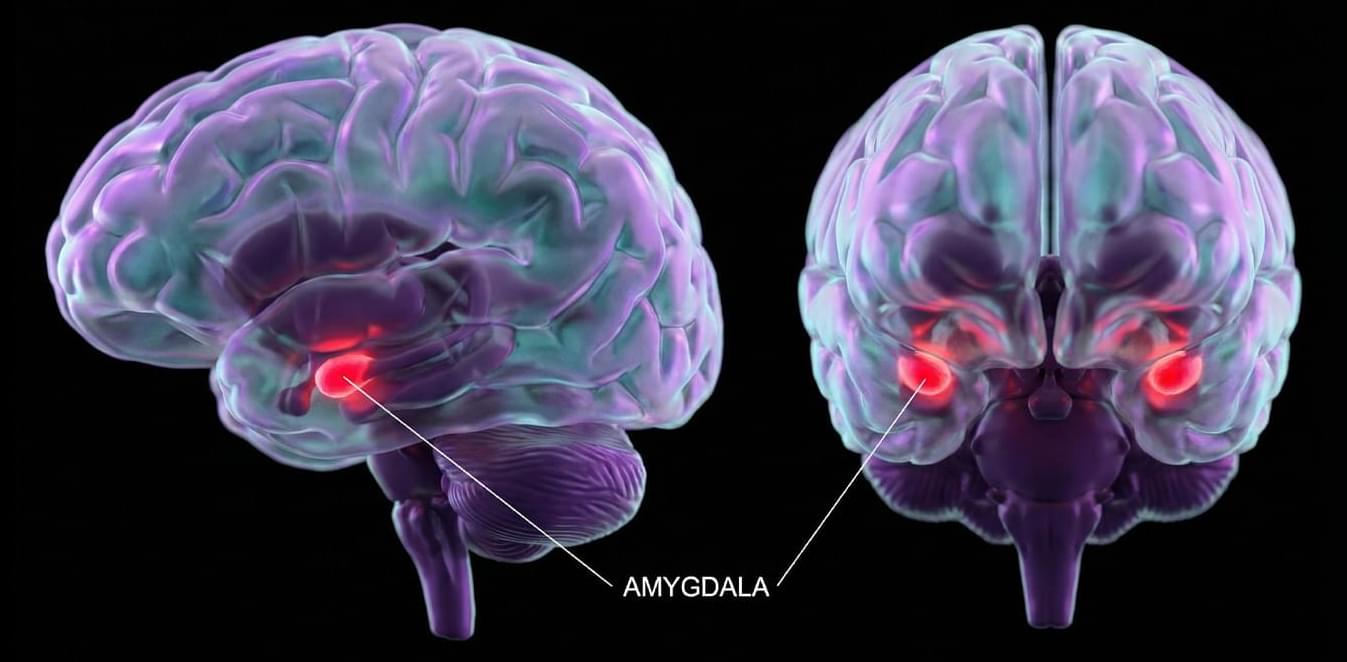
A newly released neuroimaging study reveals that young adults who heavily overuse smartphones show altered functional connectivity in the amygdala. These specific neural differences correlate to everyday difficulties in managing negative emotions.
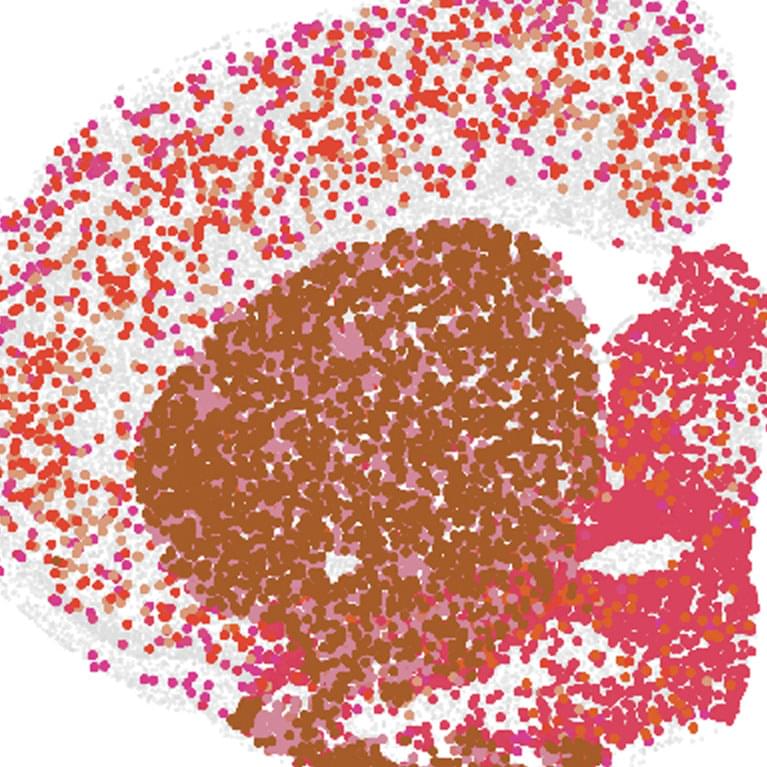
A new study from the Salk Institute maps how the aging brain changes at the epigenetic level — cell type by cell type.
The researchers created one of the most detailed single-cell atlases yet of the aging mouse brain, spanning 8 brain regions, 36 cell types, and hundreds of thousands of cells. They found major age-related changes in DNA methylation, chromatin structure, and gene activity, with some of the strongest changes appearing in non-neuronal cells.
This kind of work matters because it moves brain aging closer to mechanism — not just describing decline, but identifying the molecular regulatory shifts that may drive vulnerability to neurodegenerative disease.
Highlights Salk researchers create epigenetic atlas of cell type-specific changes in the aging mouse brain The atlas represents eight different brain regions and 36 different cell types, and shows clear epigenetic differences associated with different ages The new resource—available publicly on Amazon Web services—can be used to unravel age-related contributions to neurodegenerative diseases like Alzheimer’s, Parkinson’s, and ALS LA JOLLA—Neurodegenerative diseases affect more than 57 million people globally. The incidence of these diseases, from Alzheimer’s to Parkinson’s to ALS and beyond, is expected to double every 20 years. Though scientists know aging is a major risk factor for neurodegenerative diseases, the full mechanisms behind aging’s impact remain unclear.
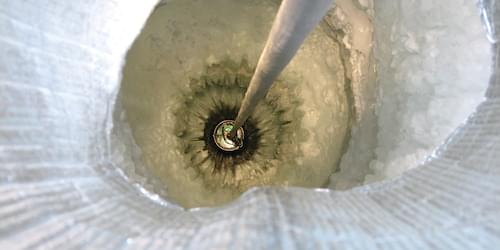
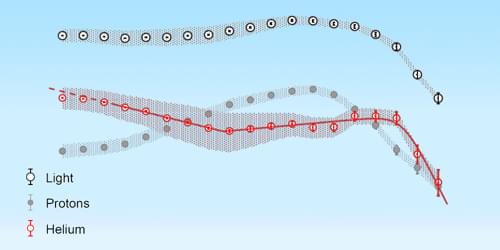
The spectrum of cosmic neutrinos can unmask the types of astrophysical sources that produce these and other high-energy particles. The IceCube Neutrino Observatory, whose detectors lie buried in Antarctic ice, has been measuring cosmic neutrinos since 2010. Early data releases suggested that the neutrino spectrum is a single falling power law, which is consistent with simple models relating cosmic neutrinos to cosmic rays. But now, after 14 years of observation, IceCube’s data show evidence for a break, or knee-like downward bend, in the spectrum at an energy of around 30 tera-electron-volts [1, 2]. Such a break could evince a mix of neutrino sources.
Cosmic neutrinos are predominantly generated whenever high-energy cosmic rays collide with other particles. The neutrino spectrum can therefore reveal information about how and where cosmic rays are accelerated. If the acceleration takes place exclusively in shock environments, where collisions produce neutrinos, the neutrino spectrum would be a single power law. However, the latest analysis of neutrino data by the IceCube Collaboration has uncovered a more complex spectrum. The researchers sifted through a decade’s worth of neutrino observations using improved models of both backgrounds and detector uncertainties. The results show a spectrum break with a statistical confidence of 4 sigma (where 5 sigma constitutes a bona fide detection).
The break could mean that neutrinos come from more than one source class, with each class having a different way of accelerating cosmic rays, says collaboration member Vedant Basu from the University of Utah. He also points out that the observed shape of the neutrino spectrum is consistent with predictions based on the properties of the diffuse gamma-ray background, supporting models that assume the two types of particles originate from the same sources.

Amebiasis is a parasitic disease caused by the microscopic protozoan Entamoeba histolytica. Infection occurs through the ingestion of cysts from contaminated water or food. Worldwide, approximately 50 million symptomatic cases are estimated annually, mainly in tropical and subtropical regions.
Fumagillin, a fungal natural product, has been studied for decades as a potential antiparasitic drug, but its more potent relative, ovalicin, was never developed. Now, a study published in the Journal of the American Chemical Society reveals why: although ovalicin is highly active against amebiasis, liver enzymes rapidly break it down in the body. Researchers used a chem-bio hybrid approach to turn that insight into metabolically stable drug candidates that worked in animal models of amebiasis, including liver infection with abscess formation.
The research team, led by scientists from the Graduate School of Bioagricultural Sciences at Nagoya University, identified the liver cytochrome P450 enzymes responsible for ovalicin breakdown, with CYP 2B1 and CYP 2C6 emerging as the main drivers. Blocking these enzymes with a chemical inhibitor significantly prolonged ovalicin survival, providing strong evidence that rapid liver metabolism limits its effectiveness.
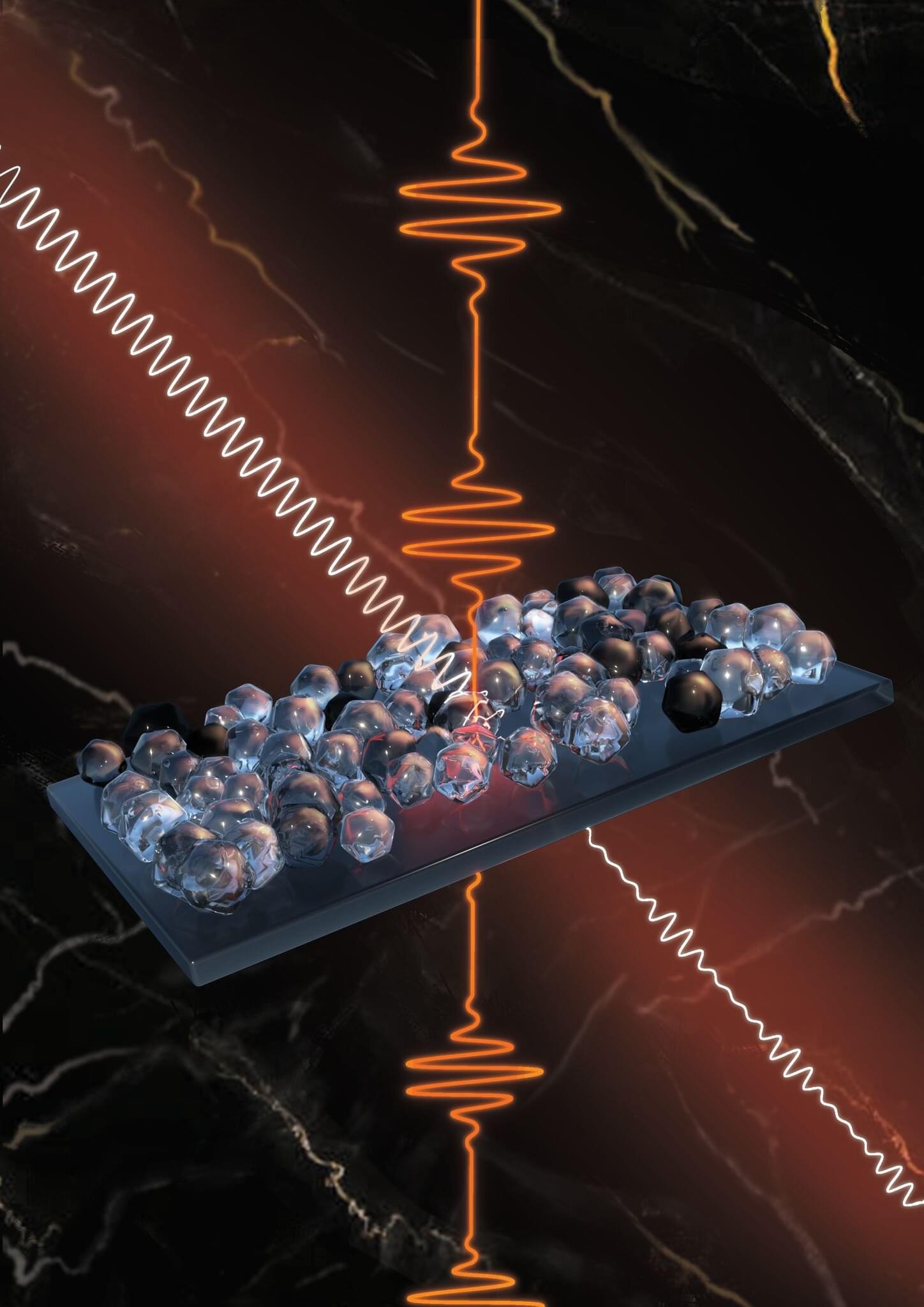
Just as an antenna interacts with radio waves, light interacts with metallic nanostructures. Therefore, understanding how a structure influences field oscillations provides valuable insights into the structure’s physical properties. An international research team, including scientists from the Max Planck Institute for the Science of Light (MPL), is investigating the changes in field oscillations that occur when light interacts with indium tin oxide (ITO) nanocrystals. This will deepen our understanding of how the interaction between light and these nanocrystals depends on time.
Precise and high-speed control of light is crucial to optical communication. It opens up the possibility to transmit data more quickly and efficiently in the future. Optical switches, which can activate or deactivate light pulses selectively, are a key component in achieving this.
To ensure optimal performance and prevent delays caused by switching times, the switches must respond very fast. Ideally, they also have the highest possible modulation depth. This refers to the difference in brightness between the light transmitted in the “on” and “off” states. Additionally, a suitable switch exhibits the same predictable behavior each time it is used.
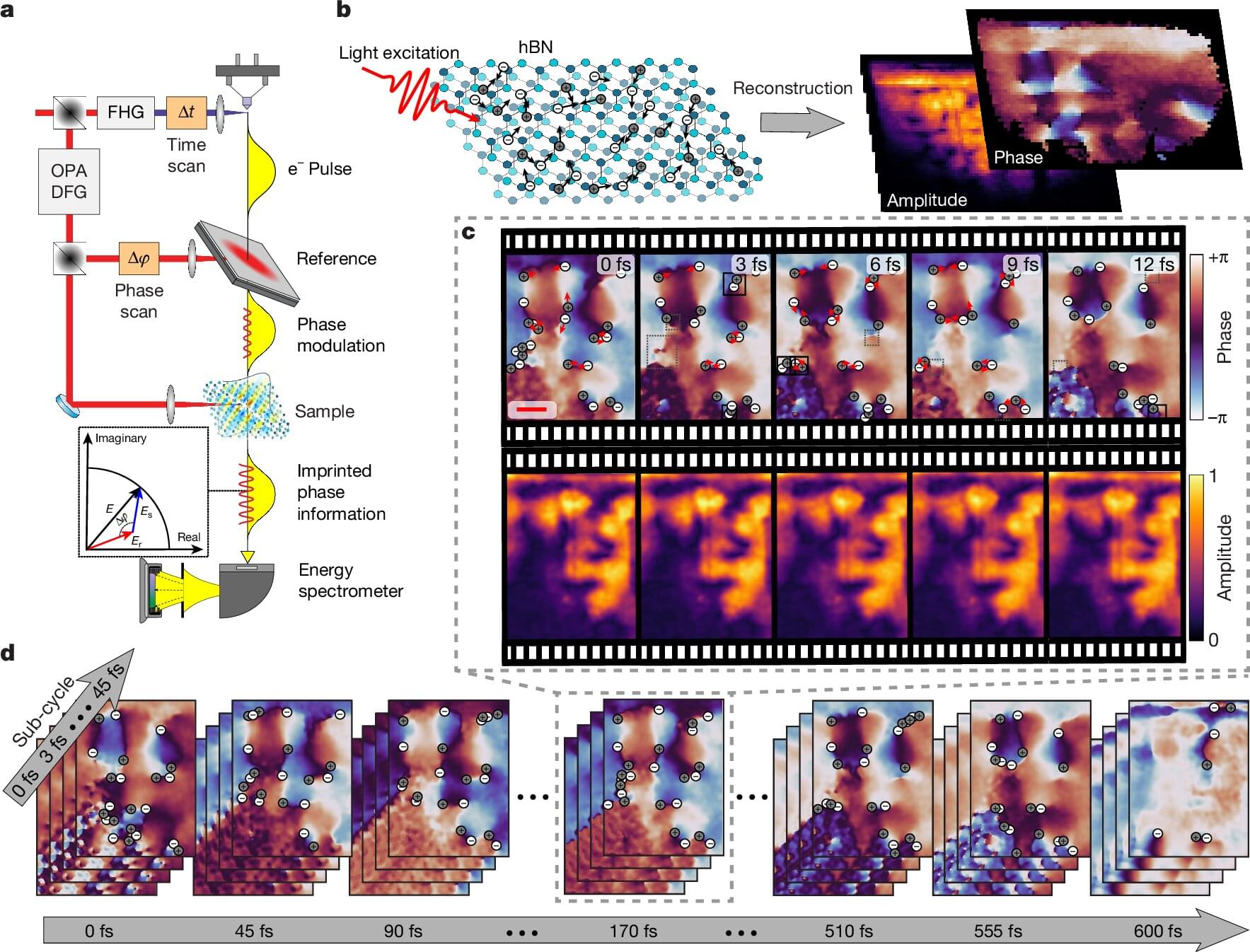
A research group from the Technion-Israel Institute of Technology reports in Nature an unprecedented achievement in electron microscopy: the direct measurement of “dark points” within light waves. By doing so, the researchers were able to confirm a prediction from the 1970s that the speed of these points exceeds the speed of light.
The “dark points” measured by the group are essentially tiny “holes” in the wave structure. Known as vortices, the holes are a common phenomenon in nature: We encounter them in ocean waves, in air currents, and even in coffee when we stir it or pour it into the sink. As early as the 1970s, a surprising theoretical prediction was proposed: Vortices may move faster than the wave in which they are formed. As strange as it sounds—imagine a vortex in a river overtaking the flow of water in which it exists—the phenomenon is real. Until now, this was based on theory. The research team’s achievement has now confirmed it experimentally.

Astronomers using NASA’s Hubble Space Telescope have found evidence that the spinning of a small comet slowed and then reversed its direction of rotation, offering a dramatic example of how volatile activity can affect the spin and physical evolution of small bodies in the solar system. This is the first time researchers have observed evidence of a comet reversing its spin.
The object, comet 41P/Tuttle-Giacobini-Kresák, or 41P for short, likely originated in the Kuiper Belt, and was flung into its current trajectory by Jupiter’s gravity, now visiting the inner solar system every 5.4 years.
After its 2017 close passage around the sun, scientists found that comet 41P experienced a dramatic slowdown in its rotation. Data from NASA’s Neil Gehrels Swift Observatory in May 2017 showed the object was spinning three times more slowly than it had in March 2017 when it was observed by the Discovery Channel Telescope at Lowell Observatory in Arizona.
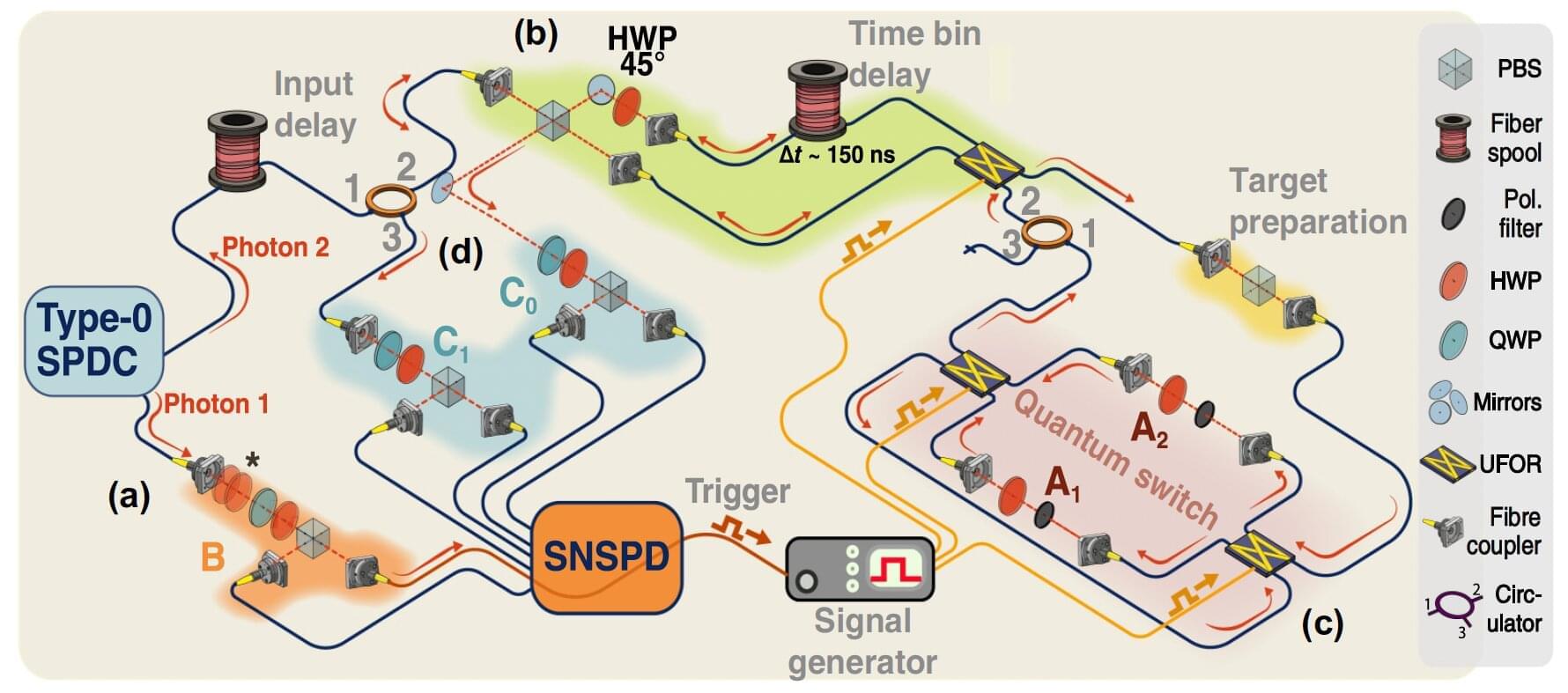
For the first time, a team of physicists in Austria has carried out an experiment that appears to verify the principle of indefinite causal order: an idea that suggests that timelines of events can exist in multiple orders at the same time. Led by Carla Richter at the Vienna Center for Quantum Science and Technology, the researchers hope their result could finally allow physicists to verify a key prediction of quantum theory. The results have been published in PRX Quantum.
The basic principle of cause and effect underpins everything that happens in the classical world: for an event to occur, it must be triggered by another event in its past. Yet in the quantum world, physicists have long suspected that these rules may not always apply.
Just as quantum particles can exist in superpositions of multiple states which collapse to a single outcome when measured, indefinite causal order suggests something similar may apply to entire sequences of events. Until a measurement is made, multiple orders of cause and effect can exist in superposition.
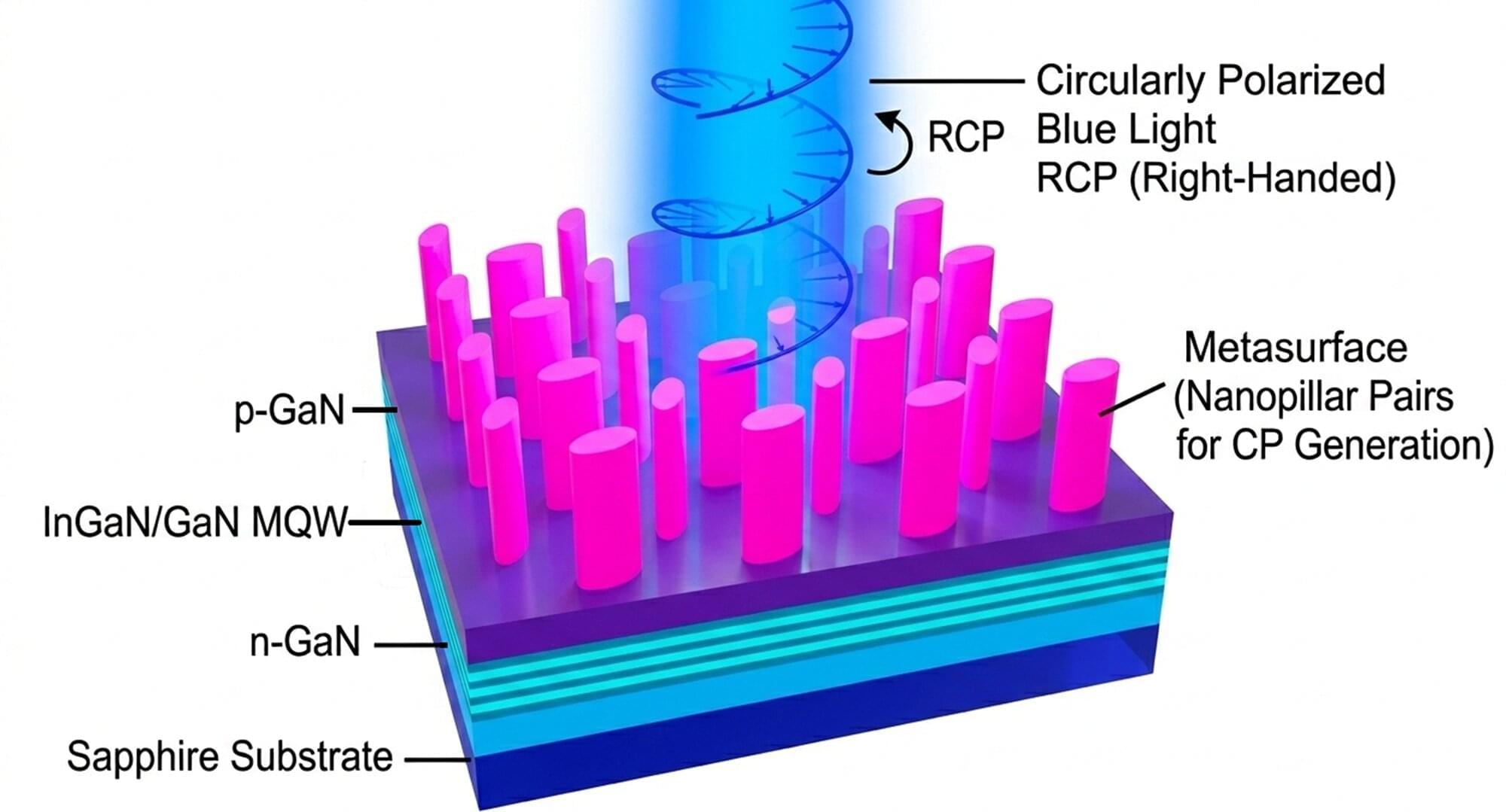
From 3D movie screens to augmented-reality devices, many modern technologies rely on our ability to manipulate light. Doing so in a cost-effective and efficient way, however, is often a formidable task. In an article published in Optics Letters, researchers from the University of Osaka announced a new light-emitting diode (LED) design that may help shrink complex optical systems into much smaller devices. The LED produces circularly polarized light using a built-in nanostructured surface, eliminating the need for bulky external optical components.
Circularly polarized light, whose electric field rotates like a corkscrew as it travels, is essential for technologies such as 3D displays, advanced imaging systems, and quantum communication tools. Traditionally, generating this kind of light requires optical components such as polarizers and special plates that modify the light’s phase. However, these components make devices larger, more complex, and harder to integrate.
“Our goal is to simplify the way circularly polarized light is produced,” says corresponding author Shuhei Ichikawa. “By integrating polarization control directly into the LED with a specially designed metasurface, we remove the need for additional optical components.”