Toggle light / dark theme

New CRISPR tool spreads through bacteria to disable antibiotic resistance genes

Antibiotic resistance (AR) has steadily accelerated in recent years to become a global health crisis. As deadly bacteria evolve new ways to elude drug treatments for a variety of illnesses, a growing number of “superbugs” have emerged, ramping up estimates of more than 10 million worldwide deaths per year by 2050.

Scientists are looking to recently developed technologies to address the pressing threat of antibiotic-resistant bacteria, which are known to flourish in hospital settings, sewage treatment areas, animal husbandry locations, and fish farms. University of California San Diego scientists have now applied cutting-edge genetics tools to counteract antibiotic resistance.

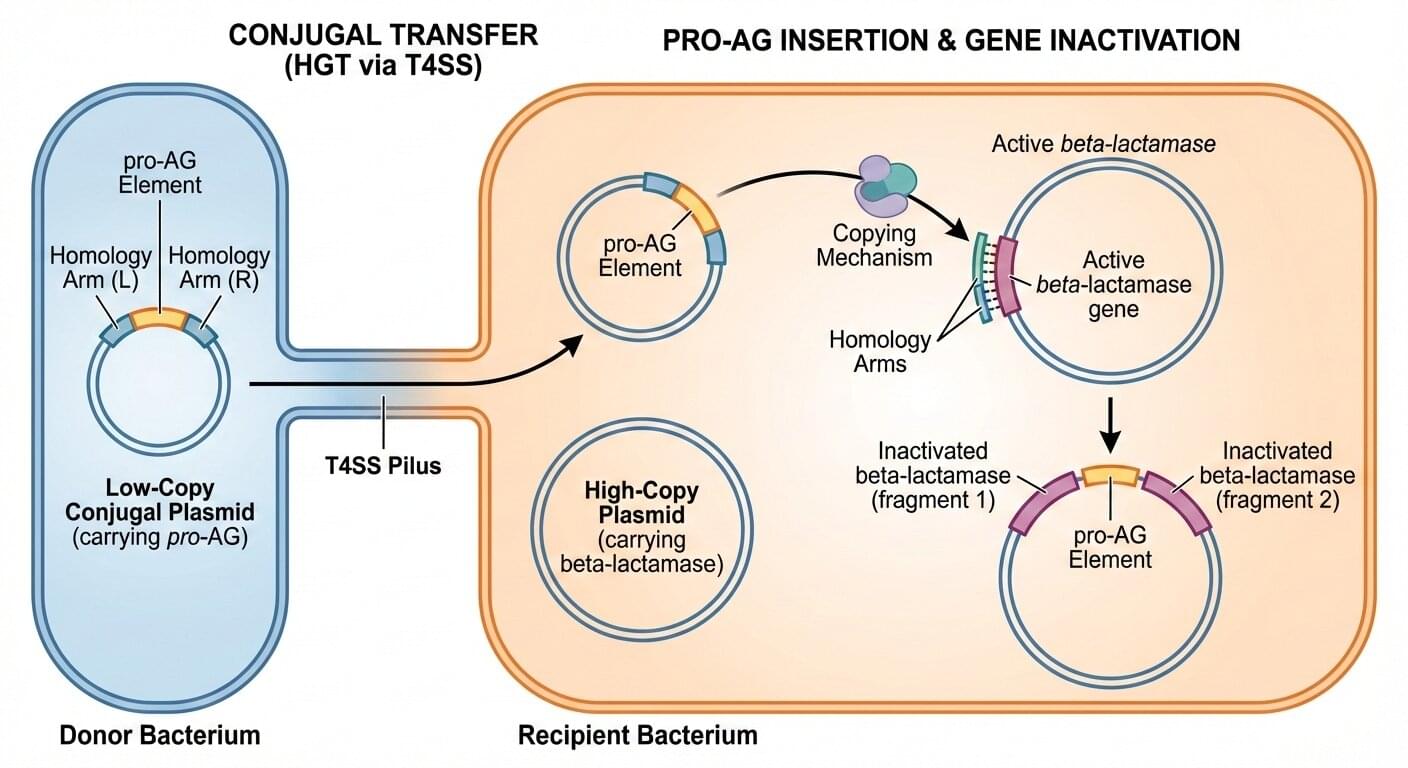
The laboratories of UC San Diego School of Biological Sciences Professors Ethan Bier and Justin Meyer have collaborated on a novel method of removing antibiotic-resistant elements from populations of bacteria. The researchers developed a new CRISPR-based technology similar to gene drives, which are being applied in insect populations to disrupt the spread of harmful properties, such as parasites that cause malaria. The new Pro-Active Genetics (Pro-AG) tool called pPro-MobV is a second-generation technology that uses a similar approach to disable drug resistance in populations of bacteria.
Sleep disruption damages gut’s self-repair ability via stress signals from brain: A biological chain reaction

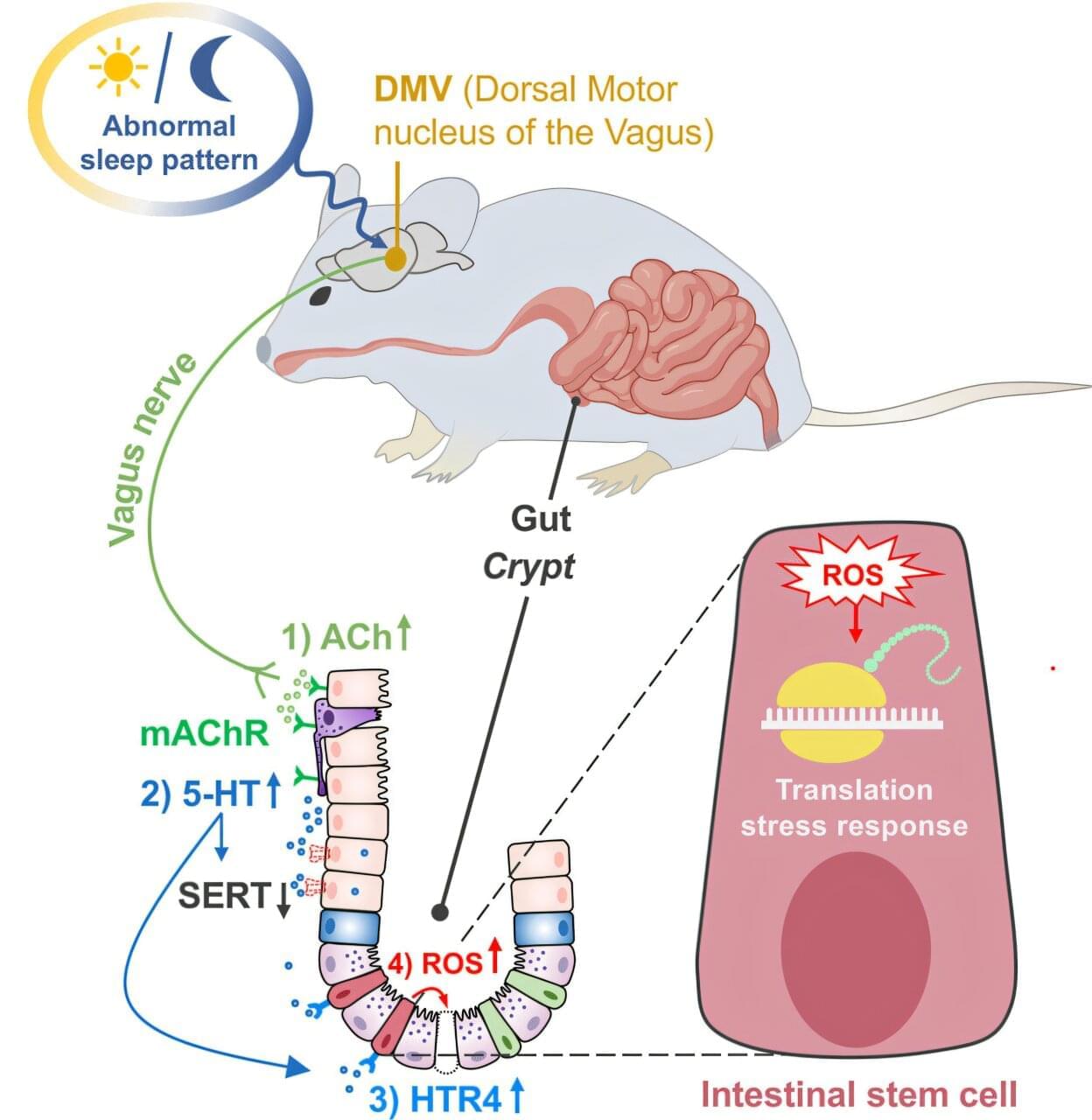
Chronic sleep disruption doesn’t just leave people tired and irritable. It may quietly undermine the gut’s ability to repair itself, increasing vulnerability to serious digestive diseases. A new study from the University of California, Irvine, the University of Chinese Academy of Sciences and the China Agricultural University reveals, step by step, how disturbed sleep causes the brain to send harmful signals to the intestines, ultimately damaging the stem cells responsible for maintaining a healthy gut lining.

The research uncovers a previously unknown biological chain reaction linking the brain’s sleep center to intestinal health. The findings are published in Cell Stem Cell and offer new insight into why people with chronic sleep problems are more likely to develop gastrointestinal disorders such as inflammatory bowel disease, diabetes-related gut complications and chronic inflammation.

Physicians have long known that irregular or insufficient sleep is associated with a wide range of health problems, from mood disorders to high blood pressure. Yet how changes in sleep can directly harm organs that do not sleep themselves, such as the intestines, has remained largely elusive. This study answers that question by tracing the damage from its neurological origins all the way to the gut’s regenerative machinery.

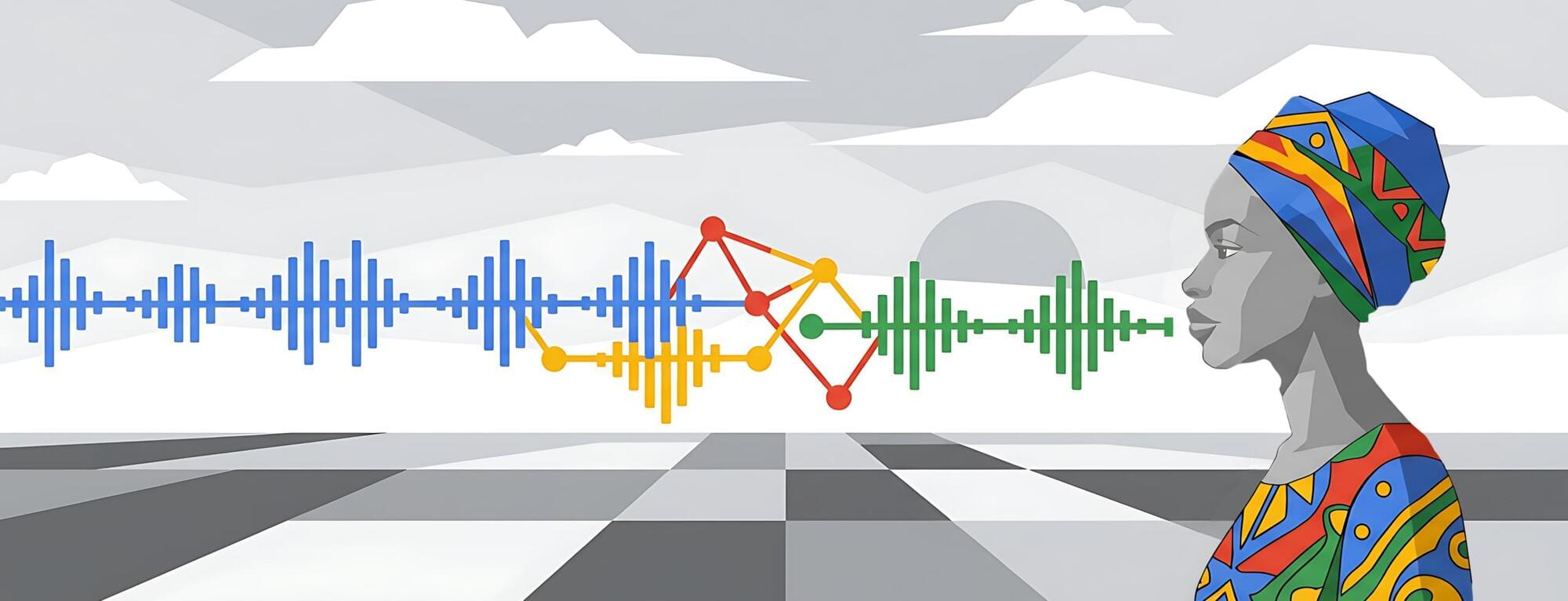
Google launches speech dataset for African languages

Google has collaborated with African universities and research institutions to launch WAXAL, an open-source speech database designed to support the development of voice-based artificial intelligence for African languages.

African institutions, including Makerere University in Uganda, the University of Ghana, Digital Umuganda in Rwanda, and the African Institute for Mathematical Sciences (AIMS), participated in the data collection for this initiative. The dataset provides foundational data for 21 Sub-Saharan African languages, including Hausa, Luganda, Yoruba, and Acholi.

WAXAL is designed to support the development of speech recognition systems, voice assistants, text-to-speech tools, and other voice-enabled applications across sectors such as education, healthcare, agriculture, and public services.

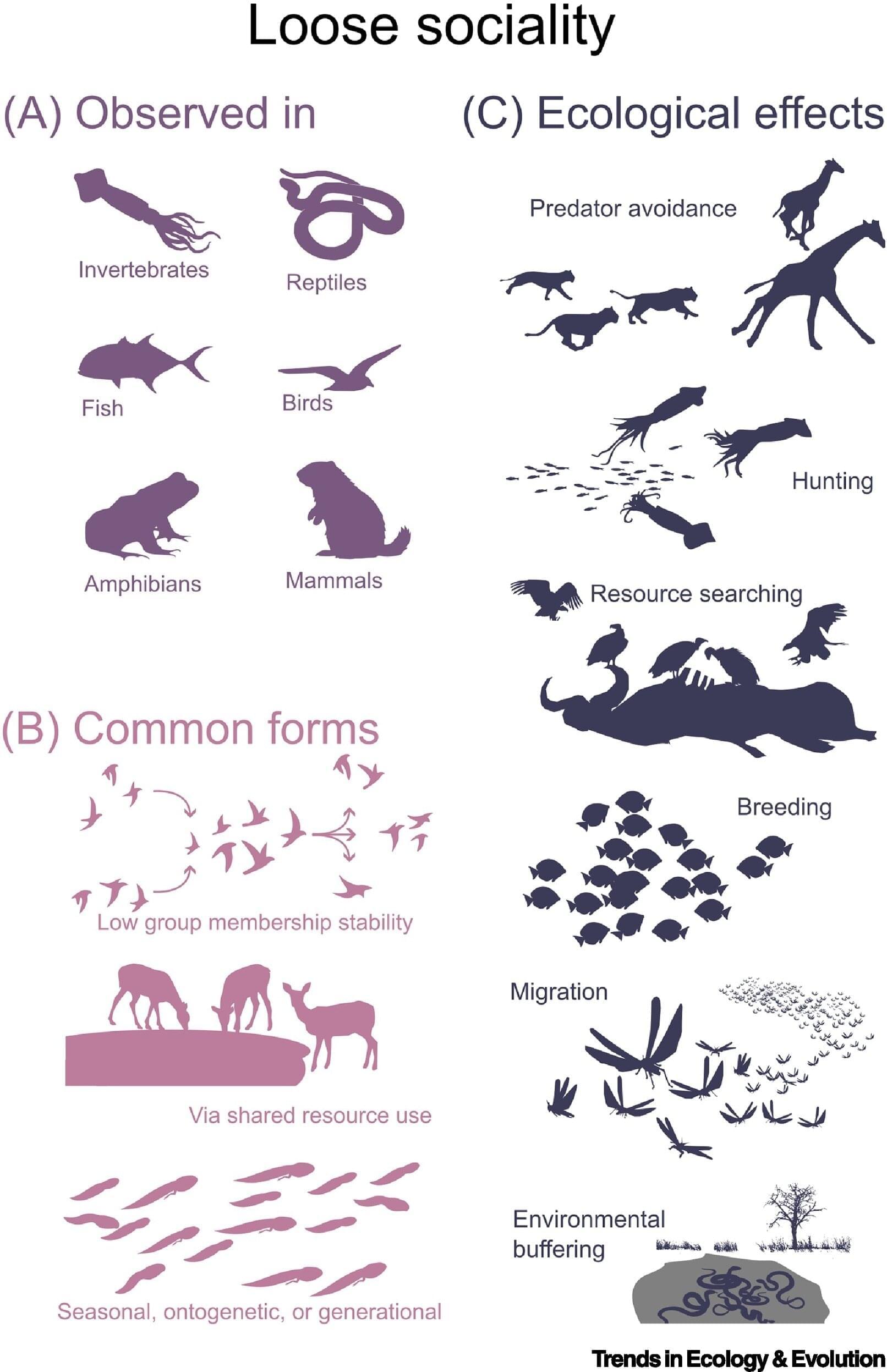
From deer to chickadees: How fewer social encounters could raise extinction risk

Imagine an asteroid striking Earth and wiping out most of the human population. Even if some lucky people survived the impact, Homo sapiens might still face extinction, because the social networks humans rely on would collapse.

This dynamic also plays out in the wild.

Social interactions are essential for many animals, helping them to locate food, spot predators and raise offspring. Without such connections, individuals can struggle to survive.

Sweet reset: How sugar tastings help the brain quiet old memories

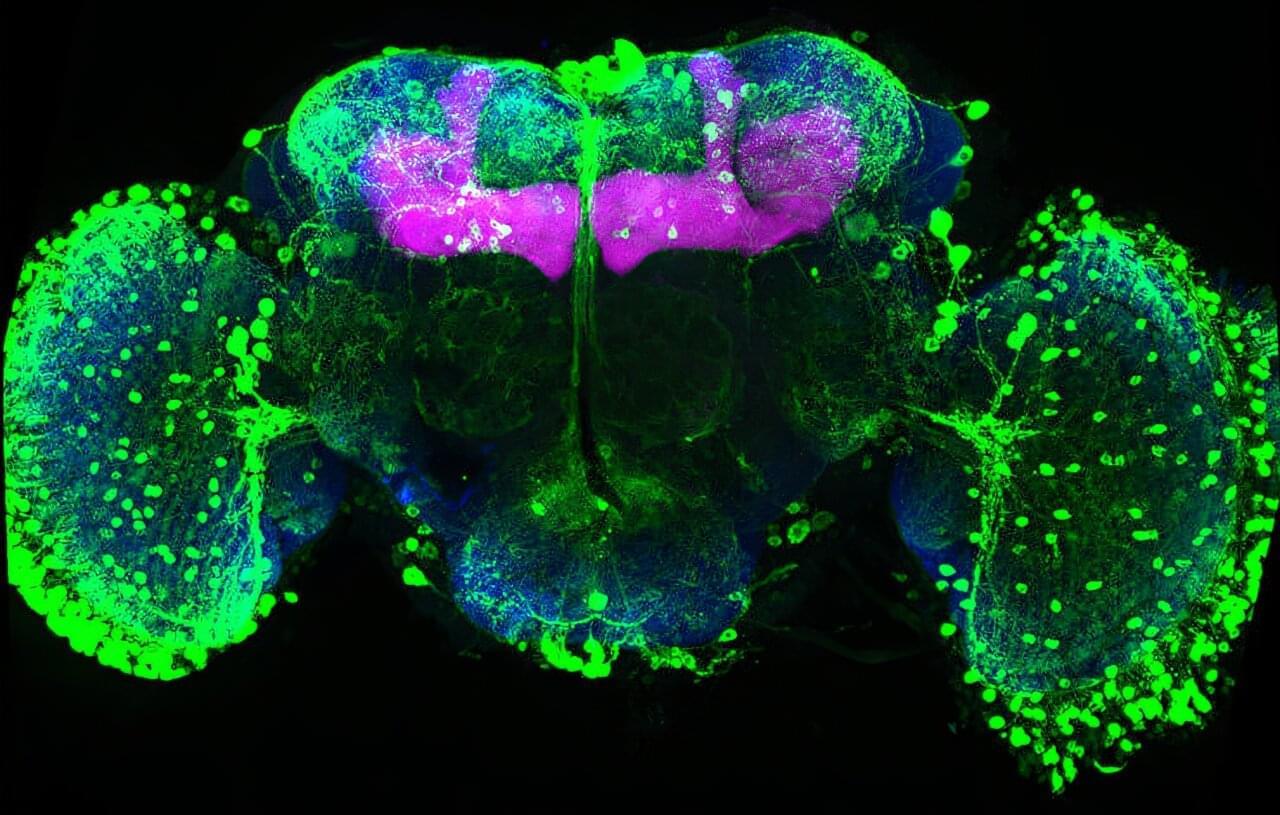
Memories must be flexible so animals can adapt when the world changes. FMI neuroscientists have found that in fruit flies, simply tasting a sugar reward again can weaken all previous associated memories. This process may inspire new ways to safely update harmful or unwanted memories. The paper is published in the journal Current Biology.

Memories help animals survive by guiding them on what to look for and what to avoid, such as remembering the smell of food or the warning signs of danger. But in a constantly changing world, those memories must also remain flexible. If a reward or threat no longer has the same meaning, the brain needs ways to update what it has learned without completely forgetting the past.

Peppermint oil plasma coating could cut catheter infections without releasing drugs

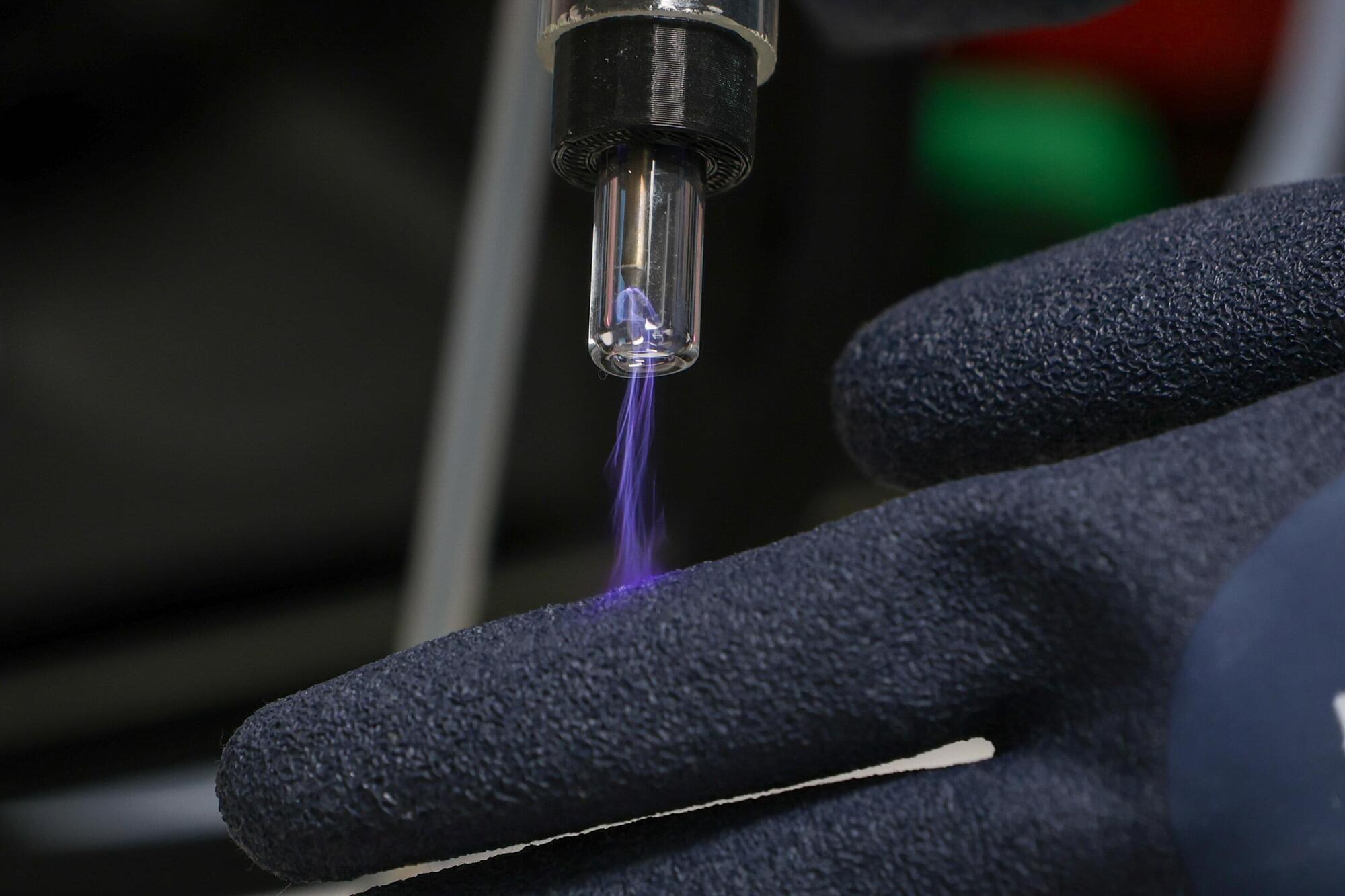
Australian researchers have developed a high‑performance coating made from peppermint essential oil that can be applied to the surfaces of many commonly used medical devices, offering a safer way to protect patients from infection and inflammation.

Matthew Flinders Professor and senior author of the new study, Professor Krasimir Vasilev, says the idea emerged after noticing that eating peppermint leaves from his drink significantly relieved his sore throat, inspiring him to explore whether its bioactivity could be converted into a durable coating using plasma technology—something he has been researching for more than two decades.

The team from Flinders’s Biomedical Nanoengineering Laboratory—including Professor Vasilev (Director), Associate Professor Vi‑Khanh Truong, Dr. Andrew Hayes, and Ph.D. candidates Trong Quan Luu and Tuyet Pham—created a nanoscale peppermint‑oil coating that protects against infection, inflammation and oxidative stress, while remaining compatible with human tissue and suitable for medical materials.

Study Reveals an Unexpected Way to Boost Recovery After a Stroke

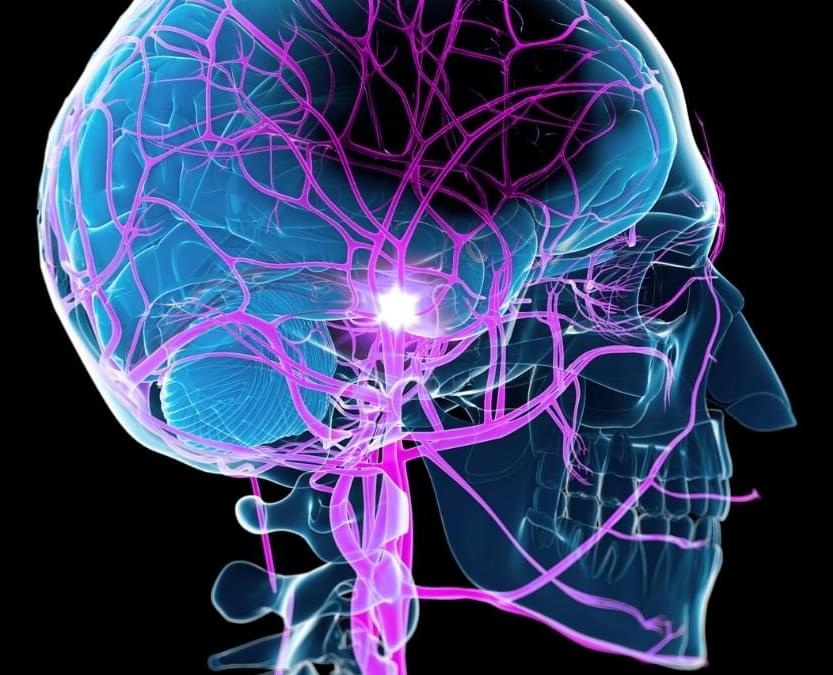
For many stroke survivors, recovery may not mean restoring what was lost but strengthening what remains.


Stroke survivors often face substantial and long-lasting problems with their arms. Both arms often decline together: When one arm is more severely affected by the stroke, the other becomes more difficult to use as well.

Compared with a healthy person’s dominant hand, a stroke survivor may take up to three times longer to complete everyday tasks using their less-impaired arm.

This creates a frustrating reality. People with severe impairment in one arm must rely almost entirely on their other arm for daily activities, such as eating, dressing, and household tasks.

Chill brain-music interface: Using brain signals to enhance the emotional power of music

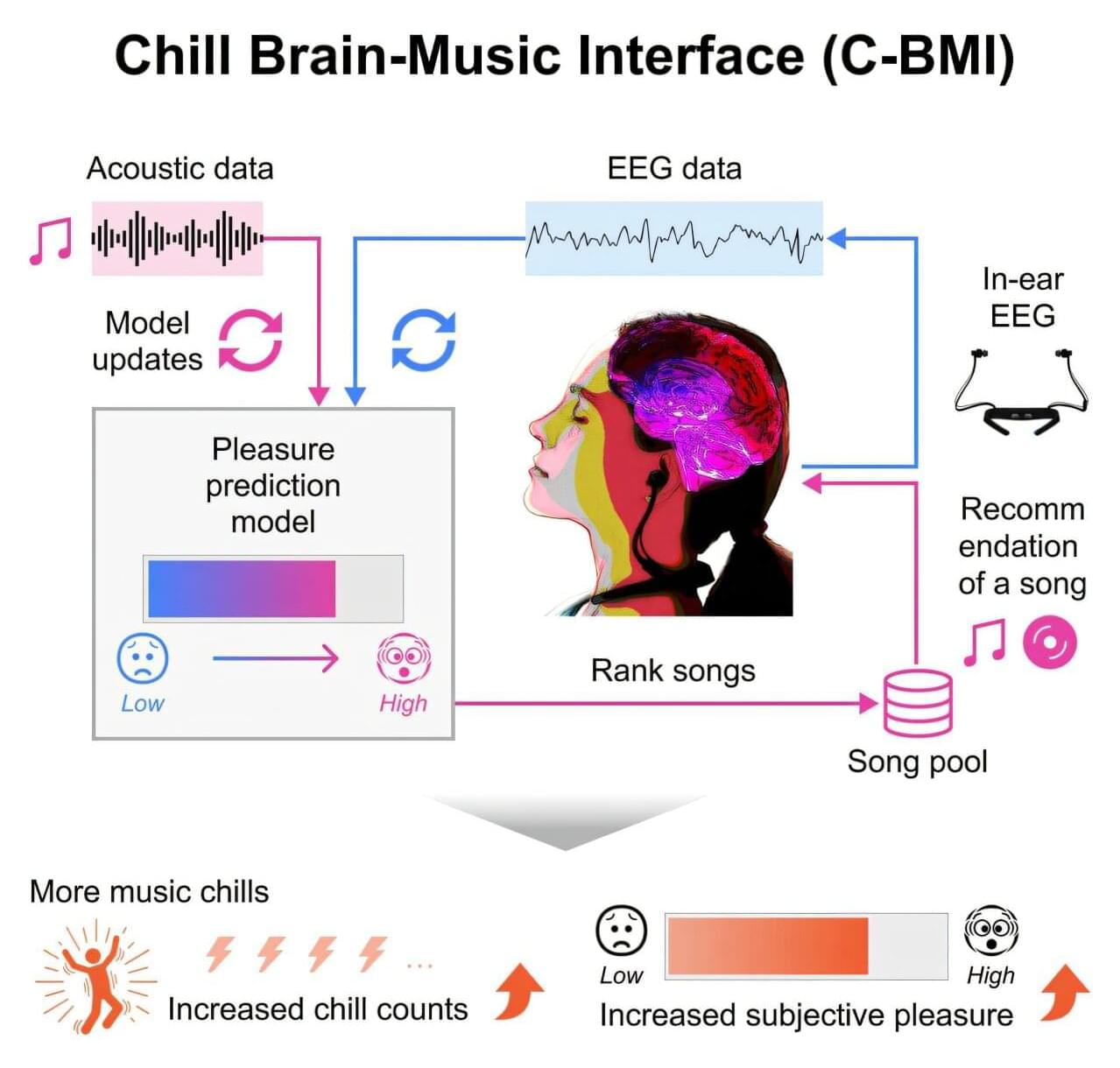
Musical chills are pleasurable shivers or goosebump sensations that people feel when they resonate with the music they’re listening to. They reduce stress and have beneficial side effects, but they are difficult to induce reliably. Now, researchers from Japan have developed a practical system that uses in-ear electroencephalography sensors to measure the brain’s response to music in real time and provide music suggestions that enhance chills.

Most people are familiar with “musical chills”—a sudden, involuntary shiver or goosebump sensation that occurs when a song resonates perfectly with one’s emotions. These chills are not just a surface-level feeling, but a profound neurological event. When we experience intense musical pleasure, parts of the brain’s reward system activate in a manner similar to how they would respond to life-affirming stimuli, such as beloved foods or positive social connections.

However, despite the universal nature of the experience, musical chills are difficult to trigger reliably. This limits our ability to harness their psychological and physiological benefits, even with today’s on-demand access to vast libraries of music.

Dr. Chris Oswald — Precision Nutrition, Epigenetics & Practitioner-Led Longevity Care

Precision Nutrition, Epigenetics & Practitioner-Led Longevity Care — Dr. Chris Oswald — Head of Medical Affairs, Pure Encapsulations, Nestlé Health Science.


Dr. Chris Oswald, DC, CNS, is Head of Medical Affairs for Pure Encapsulations (https://www.pureencapsulations.com/), part of Nestlé Health Science family. He is a chiropractor, certified nutrition specialist and certified functional medicine practitioner and has been treating patients since 2007.

At Pure Encapsulations, Dr. Oswald leads medical education, scientific strategy, and innovation across well-known professional brands including Pure Encapsulations, Douglas Labs, Klean Athlete, Genestra, and others. In this role, he sits at the intersection of clinical science, practitioner education, and product innovation — translating complex evidence into practical tools that help healthcare professionals practice more confident, personalized nutritional medicine.

Dr. Oswald’s clinical work, in combination with his work in professional dietary supplement companies, gives him unique insight into the creation of clinically useful tools and education to support the unique needs of clinicians and patients in functional, integrative and natural health.

Before joining Pure Encapsulations, Dr. Oswald held senior leadership roles across the nutraceutical and health tech landscape, including Chief Science Officer, Head of Product Innovation and R&D, Head of Operations, Interim Head of Sales, and VP of Nutraceuticals at companies like January AI and Further Food. Across those roles, he’s led everything from supply chain and regulatory strategy to product development, claims substantiation, and national practitioner education.

/* */