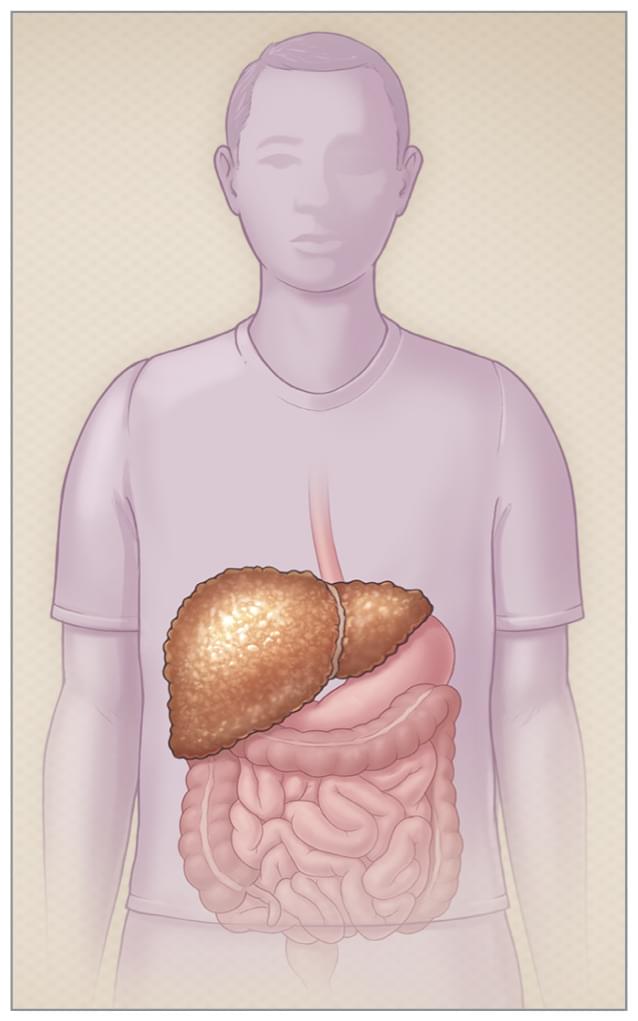
This Medical News article discusses a new study that examined the liver and mortality benefits of alcohol abstinence in patients with decompensated cirrhosis.
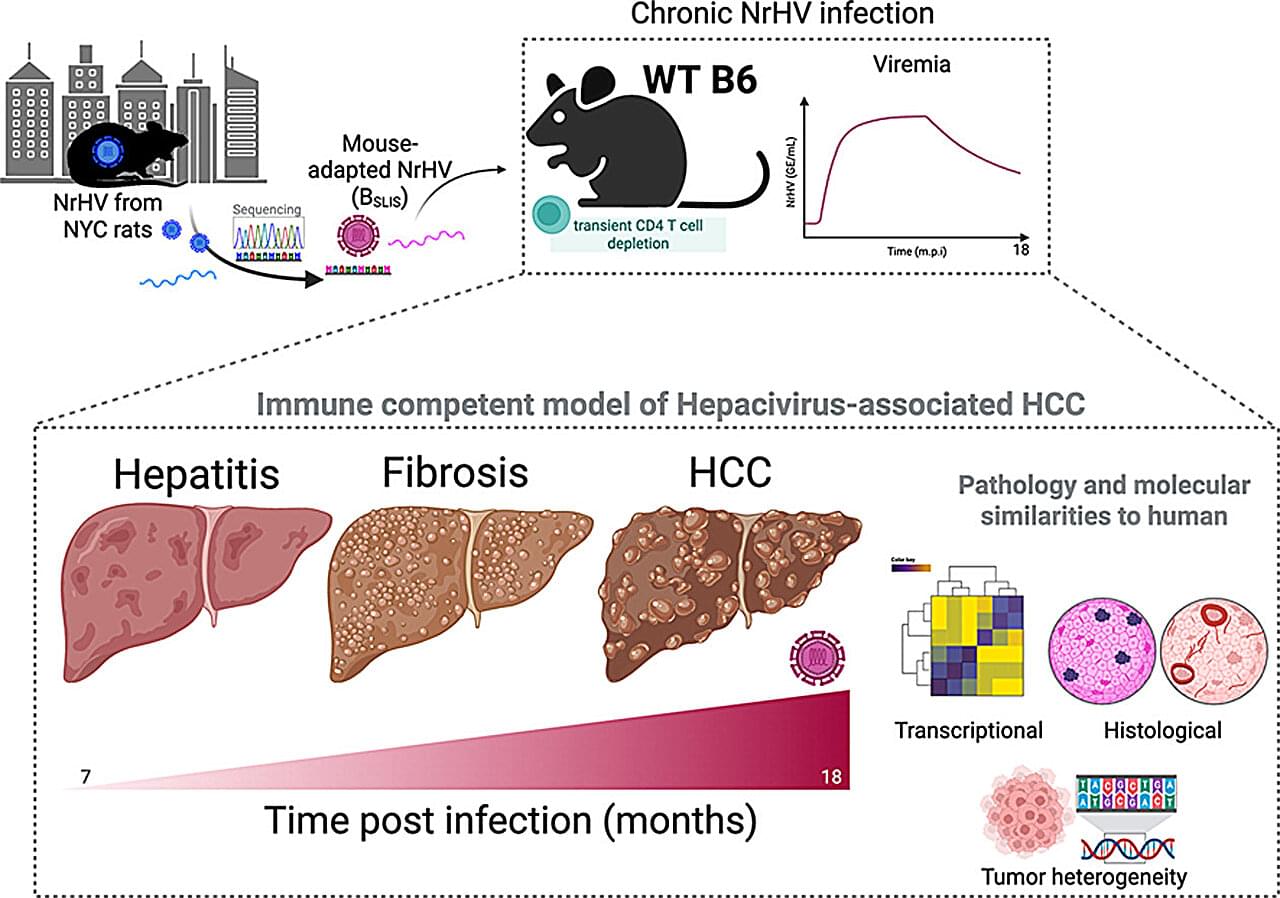
Liver cancer is one of the world’s deadliest cancers, and most cases are linked to chronic viral hepatitis. Yet scientists have lacked an animal model that faithfully recapitulates how the disease unfolds in people, from initial infection with a virus to liver inflammation, scarring, and cancer. Now, researchers at The Rockefeller University have developed that model, as described in the Journal of Hepatology.
By infecting ordinary laboratory mice with an engineered version of Norway rat hepacivirus (NrHV)—a close relative of hepatitis C virus (HCV)—and tracking the animals over 18 months, the team documented the progression from chronic viral hepatitis to spontaneous liver cancer.
“This model fills a critical gap that has long existed in the field,” says Charles M. Rice, whose Laboratory of Virology and Infectious Disease helmed the study. “For the first time, we have a system in which natural chronic viral infection drives liver cancer in an immunologically healthy animal, opening the door to studies and preclinical trials that simply weren’t possible before.”
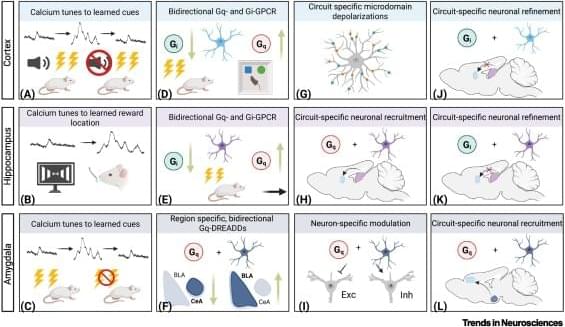
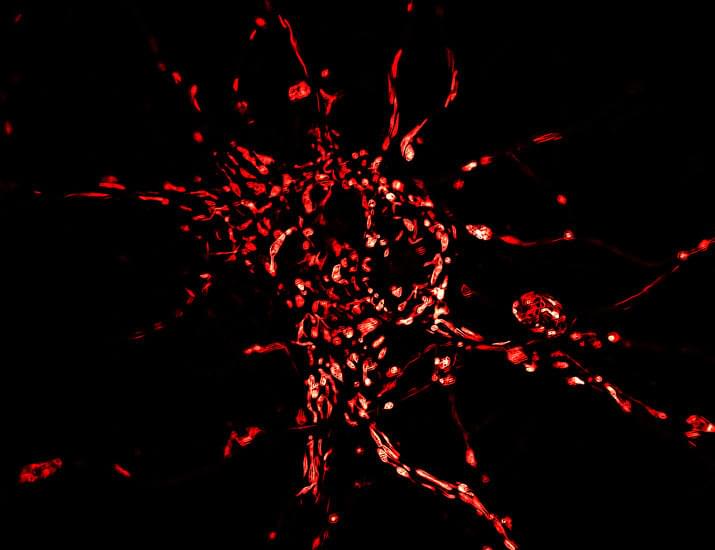
Astrocyte plasticity in learning and memory.
Neuronal hallmark features of learning and memory, such as activity dependent plasticity, circuit-level modulation, and gene regulatory mechanisms, are also observed in astrocytes.
Astrocytic calcium displays plastic, activity-dependent recruitment and refinement (akin to neuronal activity) across neuronal subtypes, brain regions, and behavioral paradigms, and Designer Receptors Exclusively Activated by Designer Drugs (DREADDs)-mediated manipulations highlight astrocytic recruitment of circuit-specific neurons.
Astrocyte peripheral processes display activity-dependent plasticity and are able to discriminate between neuronal subtypes, circuits, and even individual synapses.
Single-cell RNA sequencing reveals molecularly defined subtypes of astrocytes that display unique transcriptional responses to learning and memory and implicates potential ‘ensemble’-like networks of astrocytes. sciencenewshighlights ScienceMission https://sciencemission.com/astrocyte-plasticity
Learning and memory arise from coordinated activity-dependent plasticity across neural circuits and brain regions. Astrocytes are increasingly recognized as active contributors to learning and memory via their roles in sensing, integrating, and responding to contextual information. Astrocytes modulate synaptic transmission, engage in circuit-specific signaling, and display context-dependent calcium dynamics that influence behavior. In this review, we focus on astrocyte functions across rodent models that display plasticity traditionally ascribed to neurons, including activity-dependent molecular and structural plasticity, circuit-level modulation, ensemble-like networks, and transcriptional, translational, proteomic, and epigenetic plasticity.
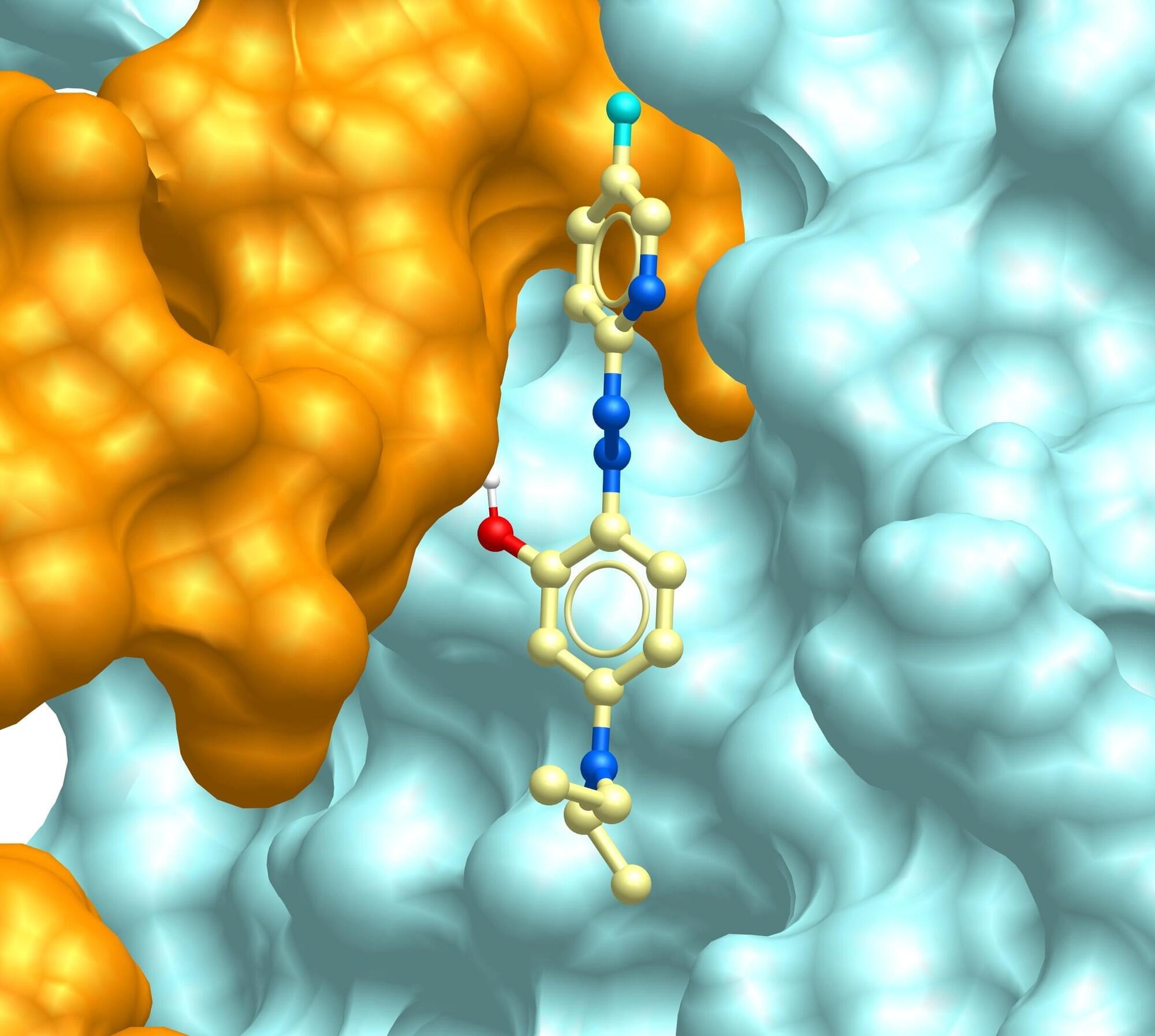
Scripps Research scientists have developed a new class of drug compounds that reduce harmful inflammation while leaving the body’s ability to fight infections intact—a long-sought goal in treating autoimmune diseases. The compounds, called ENDOtollins, work by interrupting a “molecular handshake” between two proteins inside immune cells. The research, published in Nature Chemical Biology, could lead to more targeted treatments for conditions like lupus, rheumatoid arthritis and juvenile arthritis, which together affect more than 15 million Americans.
“A key component of our approach is to begin by understanding the biological mechanisms at play,” says Sergio D. Catz, professor at Scripps Research and senior author. “By accomplishing this first, we can more easily target the pathway driving inflammation without affecting other important processes.”
From the article:
” home new advances bring the era of quantum computers closer than ever
Quantum computing New Advances Bring the Era of Quantum Computers Closer Than Ever By Charlie Wood April 3, 2026
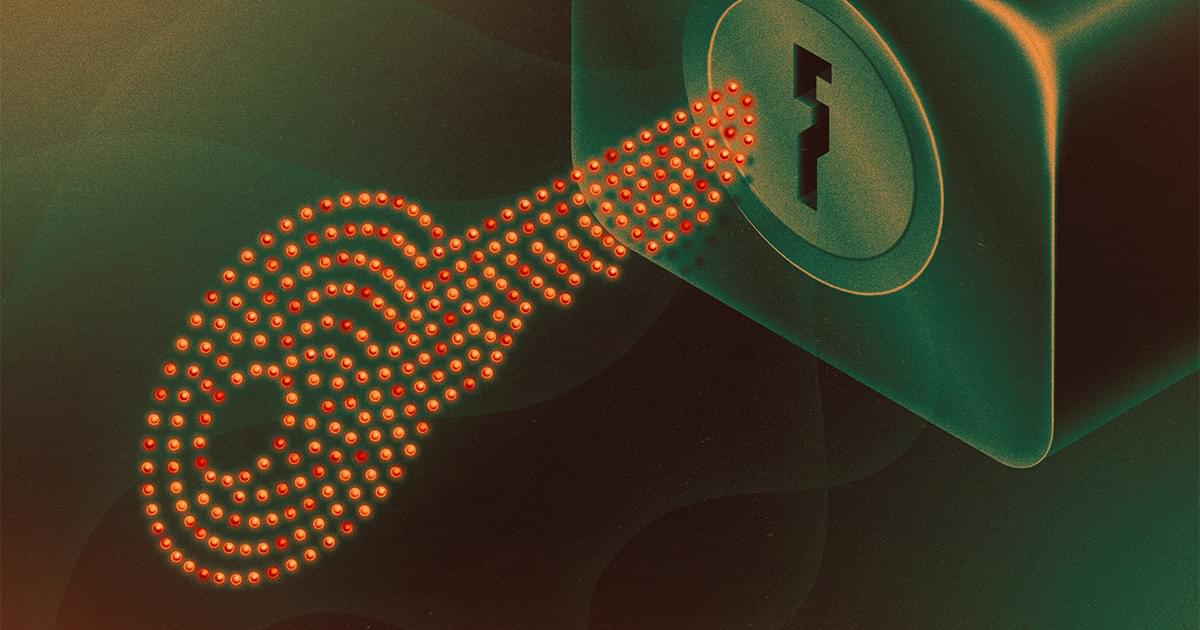
Two research groups say they have significantly reduced the amount of qubits and time required to crack common online security technologies.
Kristina Armitage/Quanta Magazine Introduction Some 30 years ago, the mathematician Peter Shor(opens a new tab) took a niche physics project — the dream of building a computer based on the counterintuitive rules of quantum mechanics — and shook the world.
Shor worked out a way for quantum computers to swiftly solve a couple of math problems that classical computers could complete only after many billions of years. Those two math problems happened to be the ones that secured the then-emerging digital world. The trustworthiness of nearly every website, inbox, and bank account rests on the assumption that these two problems are impossible to solve. Shor’s algorithm proved that assumption wrong.
For 30 years, Shor’s algorithm has been a security threat in theory only. Physicists initially estimated that they would need a colossal quantum machine with billions of qubits — the elements used in quantum calculations — to run it. That estimate has come down drastically over the years, falling recently to a million qubits. But it has still always sat comfortably beyond the modest capabilities of existing quantum computers, which typically have just hundreds of qubits.
This is the preliminary webinar #16 of the IV SRI World Congress (SRIC4)
Abstract:
The expansion of the commercial spaceflight sector and democratization of space is creating new opportunities for artists to engage directly with the environment of space. For a new generation of space artists, space presents new physical and philosophic questions. This webinar explores how space artists are redefining their practice through direct engagement with space, using case-studies of work that has been deployed on board the ISS, sub-orbital flights, and zeroG flights. Through these, the webinar will explore how artists are revising traditional art methods and materials through interactions with microgravity; the relationships between artists, astronauts and audiences; and the disciplinary and hierarchy challenges faced by artists operating in the space sector.
An essential Bio:
Dr Barbara Brownie is an Associate Dean (Education) at the Royal College of Art. Barbara’s research explores space as a site for art and design, with a particular focus on effects of weightlessness. Her book, Spacewear: Weightlessness and the Final Frontier of Fashion (Bloomsbury, 2019), considers the challenges and opportunities that the commercial space age presents to fashion designers, and how weightlessness necessitates new approaches to clothing and the dressed body. Her most recent book, Art in Orbit (Bloomsbury 2025), explores the relationship between the arts and space sectors, and the spaceworks that demonstrate art’s value in space exploration. In 2026 and 2027 she will be sending writing and artworks to space on three separate flights: one sub-orbital, one orbital, and one lunar. She co-leads the _Space research group at the RCA, a group of artists and researchers operating at the intersection of art and aerospace.
Enjoy the videos and music you love, upload original content, and share it all with friends, family, and the world on YouTube.
Get “The AI Career Survival Guide” here: https://technomics.gumroad.com/l/ai-survival-guide.
What happens when human labor becomes mathematically obsolete? For thousands of years, the global economy has run on the biological engine of human workers. But a new era has arrived: The Physical Singularity.
In this video, we break down the brutal thermodynamics of the labor inversion, revealing how major AI companies are mass-producing humanoid robots that operate for just 57 cents an hour. We expose the massive industry shift from digital generation to “World Models,” and how China’s manufacturing miracle is driving hardware costs to zero. With 10 billion robots projected by the 2040s, experts like Geoffrey Hinton are warning of a hive-mind “alien intelligence.” The digital era is over. The physical agent era has begun.
Welcome to Technomics. If you want to stay ahead of the curve and understand the real impact of the AI revolution, hit that subscribe button.
Sources & Research Links:
The 57¢ / Hour Labor Inversion Math: https://www.ark-invest.com/articles/valuation-models/ark-pub…oid-robots.
Unitree G1 Official $16,000 Pricing: https://www.unitree.com/g1/
China’s 2024 Robotics Dominance (IFR Report): https://ifr.org/ifr-press-releases/news/china-dominates-industrial-robot-market.
Elon Musk’s 10 Billion Robot Prediction: https://www.youtube.com/watch?v=ODsjGOGX_oM
Geoffrey Hinton on AI Hive Mind (“Immortality, but it’s not for us”): https://www.youtube.com/watch?v=qpoRO378qRY
Geordie Rose on Alien Intelligence (“The same way you don’t care about an ant”): https://www.youtube.com/watch?v=1pd4i2YlGmc.
DeepSeek AI Cost Efficiency Breakthroughs: https://www.deepseek.com/
Timestamps:
00;00 — The 57¢ Workforce & The Great Deception.
02;48 — The Math of the Labor Inversion.
05;01 — Why OpenAI Killed Sora (World Models)
09;16 — The Manufacturing Miracle: China’s Hardware Collapse.
12;53 — 10 Billion Robots & Alien Intelligence.
15;58 — How to Survive the Singularity.
Disclaimer:
The content in this video is for educational and informational purposes only and does not constitute financial or investment advice. The views and opinions expressed in this video are based on current research and industry trends, which are subject to rapid change. We do not guarantee the accuracy or completeness of the projections discussed. Copyright Disclaimer under section 107 of the Copyright Act 1976, allowance is made for “fair use” for purposes such as criticism, comment, news reporting, teaching, scholarship, education, and research.
#PhysicalSingularity #HumanoidRobots #ArtificialIntelligence #OpenAI #FutureOfWork #TechTrends