Canal • 27 mil seguidores • Welcome to this knowledge hub! We give the basic idea about the cosmos from big-bang to black-hole :- Why & how the universe was born? How our universe works? How to solve the mystery of human’s death? How to unify quantum mechanics with general relativity?
These are all about physics. Therefore we provide the basic knowledge of physics too. Please stay connected with us.
Progress is accelerating but clarity isn’t always keeping up.
Check out our new sponsor, NADclinic at nadclinic.com. They are the one-stop-shop marketplace for longevity, and pioneers in NAD+ solutions. From longevity and AI to the future of healthcare, innovation is moving fast but understanding is still catching up. The result is a growing tension between what’s being promised and what’s actually proven.
Today, David Ewing Duncan brings a grounded, big-picture perspective on these shifts. Drawing from his work at the intersection of science, technology, and human behavior, he explores why skepticism is rising, how hype can distort progress, and what it really means to live in an era of rapid innovation.
The conversation goes beyond longevity touching on self-awareness, the limits of current science, the role of AI, and how we can think more critically about the future we’re building.
Are we asking better questions or just chasing better tools? David Ewing Duncan is an award-winning science journalist, bestselling author, and speaker known for exploring the intersection of health, technology, and the future of human life.
While it seems logical that age-related cognitive decline would be blamed on brain aging and degeneration (which, like anything in the brain, is notoriously hard to treat), there’s some evidence that processes elsewhere in the body influence the brain’s ability to form memories. In particular, neuronal pathways that sense the status of other organs in the body can influence cognitive functions in the brain.
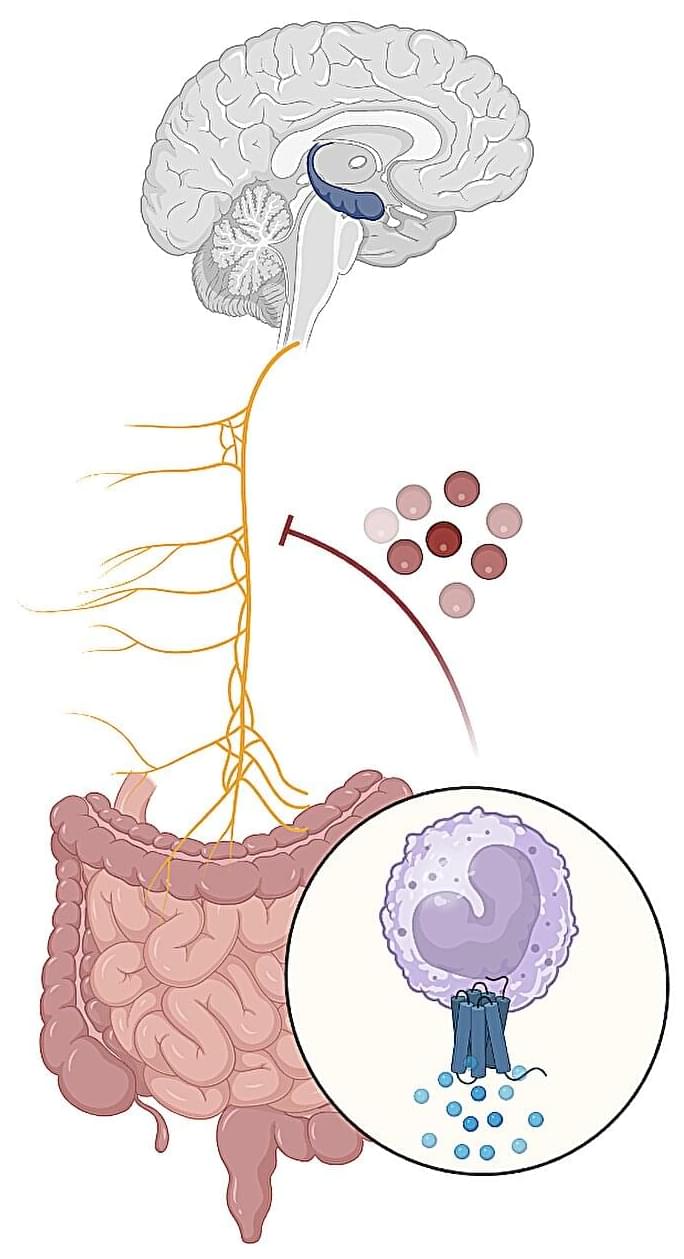
Other studies have shown that our gut microbiome affects learning, memory, and behavior. But what we don’t yet understand is how these connections work—the specific molecules, microbes, and gut-brain communication involved—and whether we can use that knowledge to prevent or reverse age-related memory loss.
In our new work published today in Nature, we discovered that the aging gastrointestinal tract produces specific molecules that blunt the activity of a key gut-brain neuronal pathway, leading to age-related cognitive decline in mice.
“It is impossible to be a mathematician without being a poet in soul.”-Sofia Kovalevskaya
We don’t often think of math as something that’s “dangerous” or “forbidden”; after all, what could be so dangerous about numbers? Russian-born Sofia Kovalevskaya was told at numerous points during her life that she had to stop studying math, that girls weren’t good enough, they weren’t allowed to go to school, or teach classes, edit magazines or win awards. Sofia Kovalevskaya never gave in to the couldn’t’s or wouldn’t’s. She fought time and again for her right to continue learning and teaching, eventually becoming one of the most celebrated mathematicians of her century and the first woman professor of a northern European University. Today, we celebrate Sofia and all the young mathematicians who overcome great odds!
When Sofia Kovalevskaya was a little girl in the early 1850’s, her room wasn’t wallpapered with flowers or meadowscapes, it was covered in pages and pages of math lecture not es. She would stare at the pages filled with differential and integral analysis, and while she didn’t understand exactly what she saw, Sofia saw beauty in the calculations.
Engineered cells are a high-value genetic asset that is key to many fields, including biotechnology, medicine, aging, and stem cell research, with the global market projected to reach $8.0 trillion USD by 2035. Yet the only ways to keep the cells safe are strong locks and watchful guards.
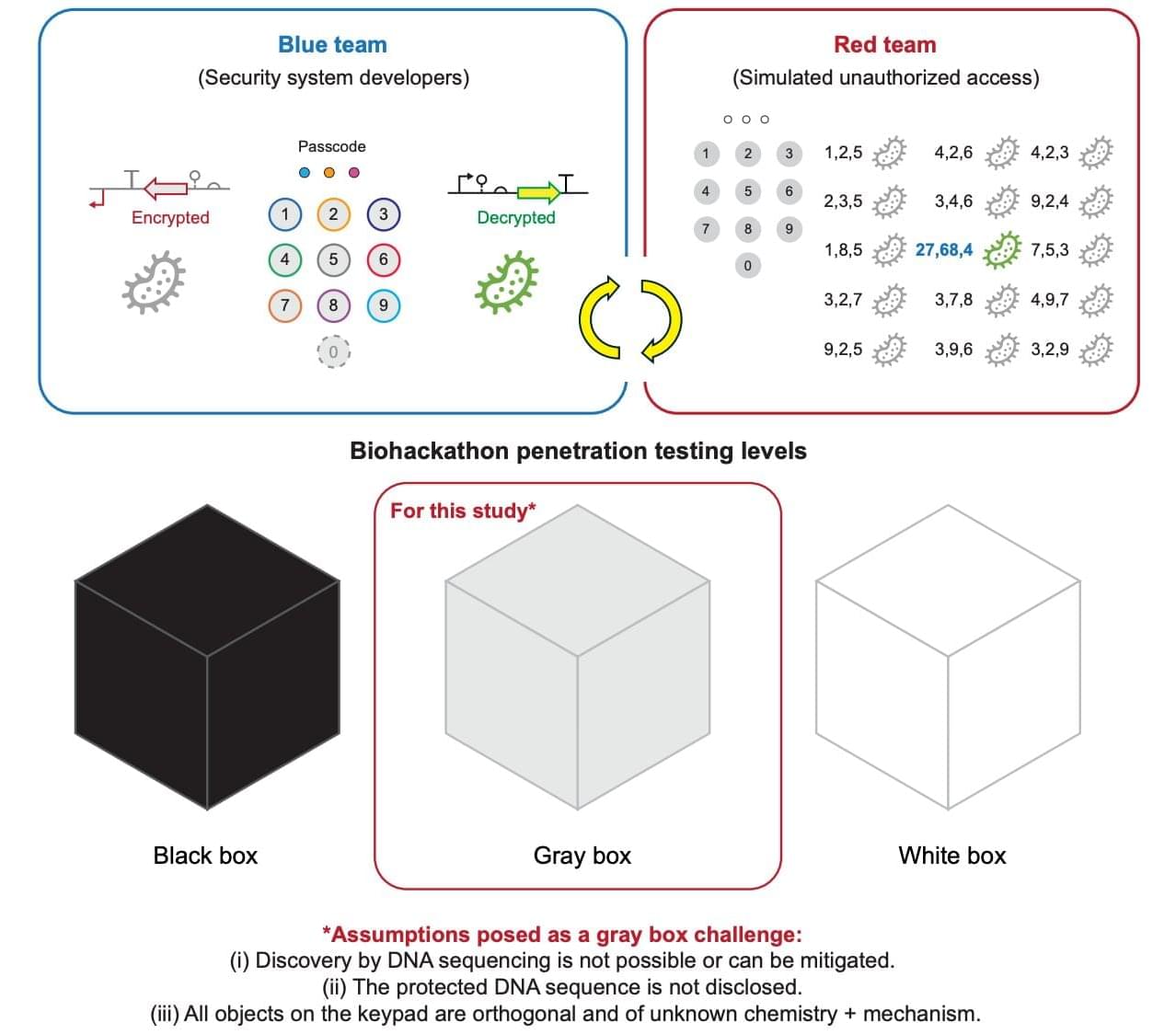
In Science Advances, a team of U.S. researchers present a new approach to genetically securing precious biological material. They created a genetic combination lock in which the locking or encryption process scrambled the DNA of a cell so that its important instructions were non-functional and couldn’t be easily read or used.
The unlocking, or decryption, process involves adding a series of chemicals in a precise order over time—like entering a password—to activate recombinases, which then unscramble the DNA to their original, functional form.
Space has become critical infrastructure for climate monitoring, disaster risk reduction, connectivity, navigation, education, and long-term planetary resilience. Even more important, space is an open horizon for new industrial development and settlement, starting with Earth orbit, the geo-lunar system, and the near-Earth asteroids. The Space 18th SDG initiative proposes a non-regulatory, enabling framework that strengthens the existing 17 SDGs by recognizing outer space as both an enabler of sustainable development and an environment requiring stewardship. THE PANEL: Prof. Sergio Marchisio, Space Law Expert, La Sapienza University, Rome, Italy. Ms. Fikiswa Majola, Deputy Director Space Systems, Department of Science and Technology (DST) South Africa. Prof. Guoyu Wang — Space Law Center, China National Space Administration. Dr. Claire Nelson, The Future Forum, Giamaica. Adriano V. Autino, SRI CEO & Founder. Maria Antonietta Perino, Thales Alenia Space, Italy. Stefano Antonetti, D-ORBIT SpA, Strategy Director, Italy. Antonio Stark, iSpace, Japan. MODERATES: Dr. Gülin Dede, SRI Director of Relations, Chair of the Space 18th SDG Coalition.
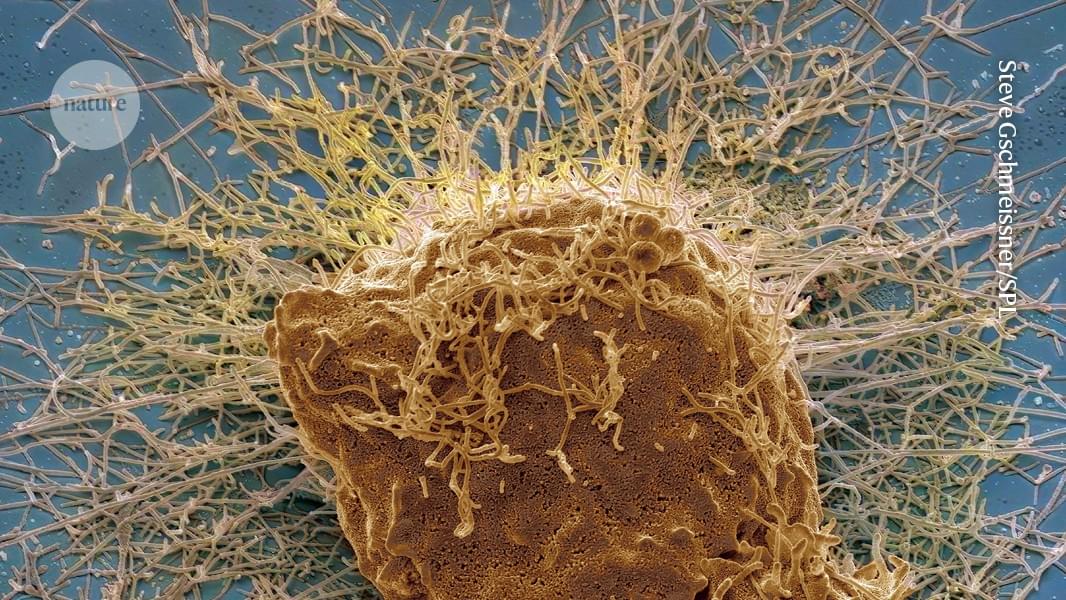
Researchers at Oregon Health & Science University have uncovered a key reason why immunotherapy has largely failed in pancreatic cancer—and identified a promising strategy to overcome that resistance. The study, published in the journal Immunity, shows that pancreatic tumors actively reshape their immune environment by co-opting regulatory immune cells that normally shut down tumor-killing cells. By reprogramming those cells, the research reveals a potential pathway to make immunotherapy effective against one of the deadliest and most treatment-resistant cancers.
“Pancreatic cancer is incredibly resistant to most therapies,” said the study’s senior author, Katelyn Byrne, Ph.D., assistant professor of cell, developmental and cancer biology in the OHSU School of Medicine and member of the OHSU Brenden-Colson Center for Pancreatic Care. “Even when we know the immune system is capable of long-lasting protection, it’s been very difficult to get that response to work in this disease.”
Immune checkpoint inhibitors and other immunotherapies have transformed care for cancers such as melanoma and lung cancer, but they have shown little benefit for pancreatic cancer. One major reason, Byrne said, is the presence of large numbers of regulatory T cells, or Tregs, inside pancreatic tumors.