Podcast Episode · Heliox: Where Evidence Meets Empathy 🇨🇦 · April 9 · 47m

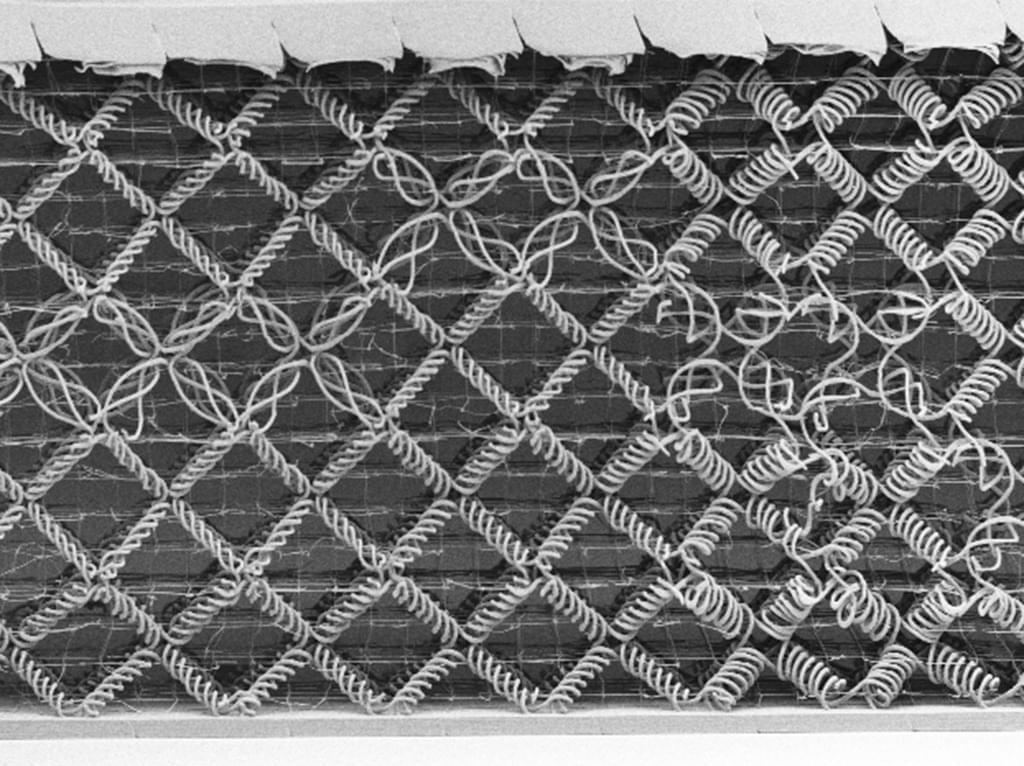
MIT’s Department of Mechanical Engineering (MechE) offers a world-class education that combines thorough analysis with hands-on discovery. One of the original six courses offered when MIT was founded, MechE faculty and students conduct research that pushes boundaries and provides creative solutions for the world’s problems.

The exploit only affected Build 42 branches of Project Zomboid (the game’s current ‘unstable’ testing release), so if you’re on Build 41, you were “not vulnerable to this specific issue,” the dev said. While The Indie Stone hasn’t determined what the malicious files were actually doing, “we strongly recommend that anyone who downloaded them take appropriate security measures to ensure their system is safe. Simply uninstalling the mods is not sufficient.”
If you use mods in Project Zomboid, check them against the list below to determine if you’ve downloaded and run any of these mods, which all look to be sound or music-related.

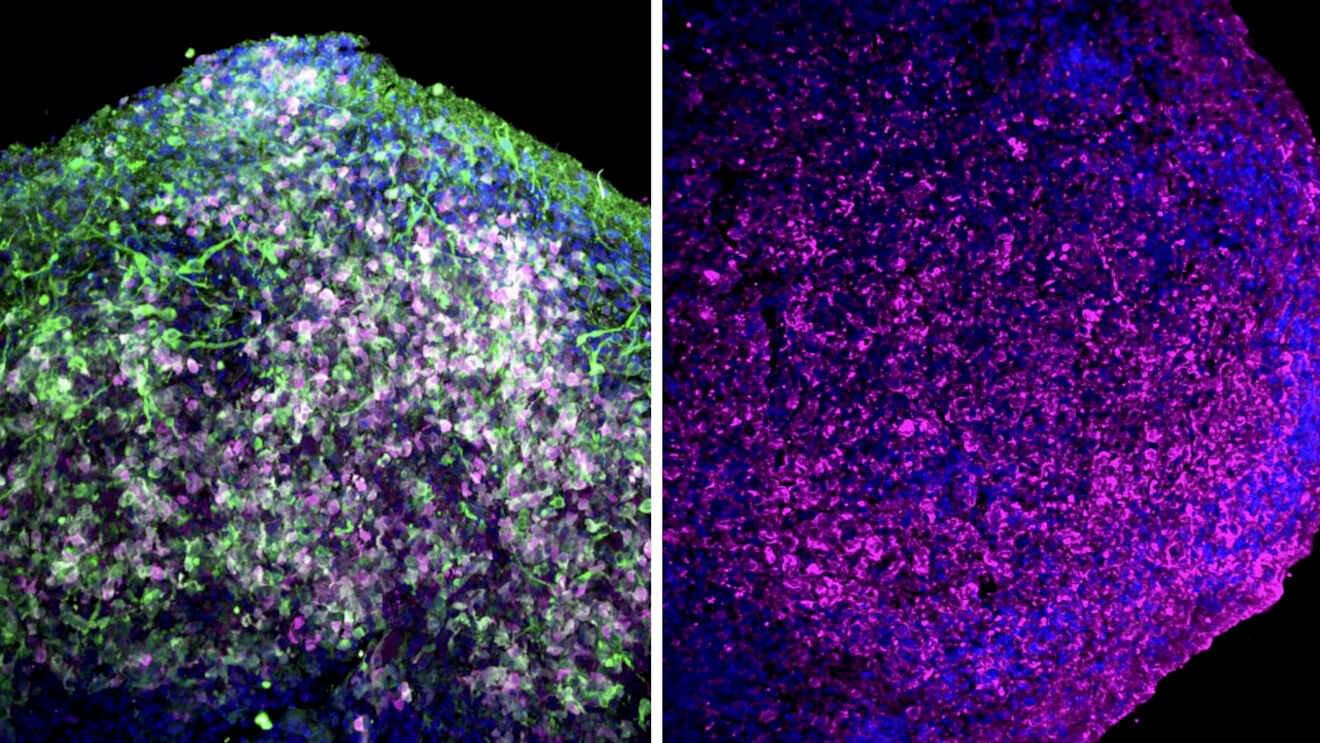
Organoids are miniature, simplified versions of an organ. Over the past two decades, scientists have developed them for the gut, lung, liver, mammary gland, brain, and more. Now, researchers at Yale School of Medicine (YSM) have organoid-ized the pineal gland, a small structure in the brain that regulates sleep patterns through its production of the hormone melatonin.
In a study published in Cell Stem Cell, the researchers demonstrate how pineal gland organoids can be used to study sleep dysfunction in conditions like Angelman syndrome, autism, and depression.
“In a number of neuropsychiatric conditions, severe sleep problems are a major symptom,” says In-Hyun Park, Ph.D., associate professor of genetics at YSM and senior author of the study. “With pineal gland organoids, we may be able to uncover the causes of those sleep disturbances and possibly identify treatments.”
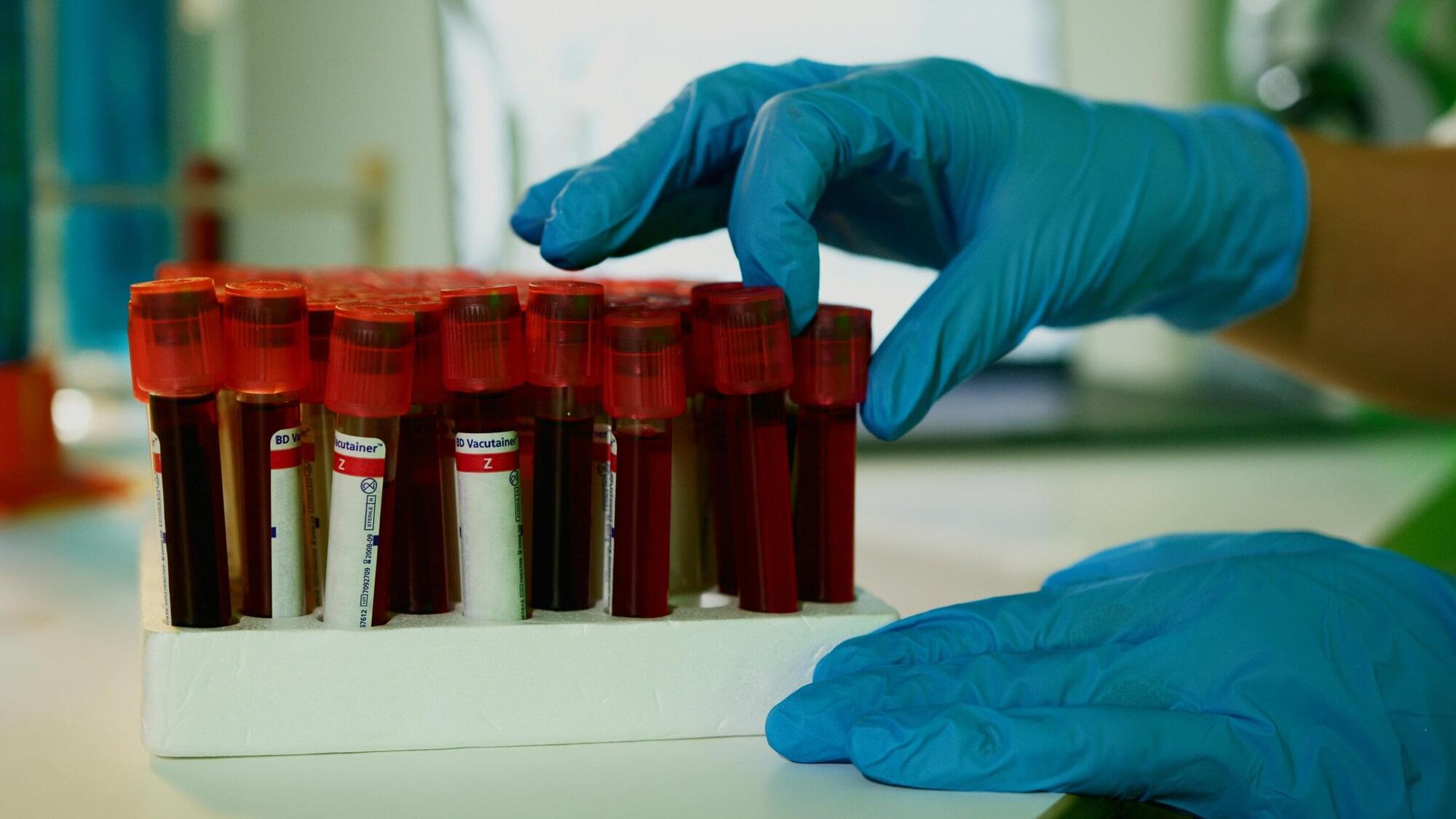
A routine blood test taken by millions in the U.S. each year to measure “bad” cholesterol is not the best measure to guide treatment and prevent heart attacks and strokes, suggests a new Northwestern Medicine study published in JAMA. The study found that another blood test called apolipoprotein B (apoB) outperformed LDL and non-HDL cholesterol in guiding cholesterol-lowering therapy, such as taking statins and other medications.
“We found that apoB testing to intensify cholesterol-lowering medication would prevent more heart attacks and strokes than current practice, and that these health benefits were achieved at a cost that represents good value for U.S. health care payers,” said study lead author Ciaran Kohli-Lynch, assistant professor of preventive medicine in the division of epidemiology at Northwestern University Feinberg School of Medicine.
According to Kohli-Lynch, this is the first comprehensive study to show that using apoB testing to guide cholesterol-lowering treatment is cost-effective.
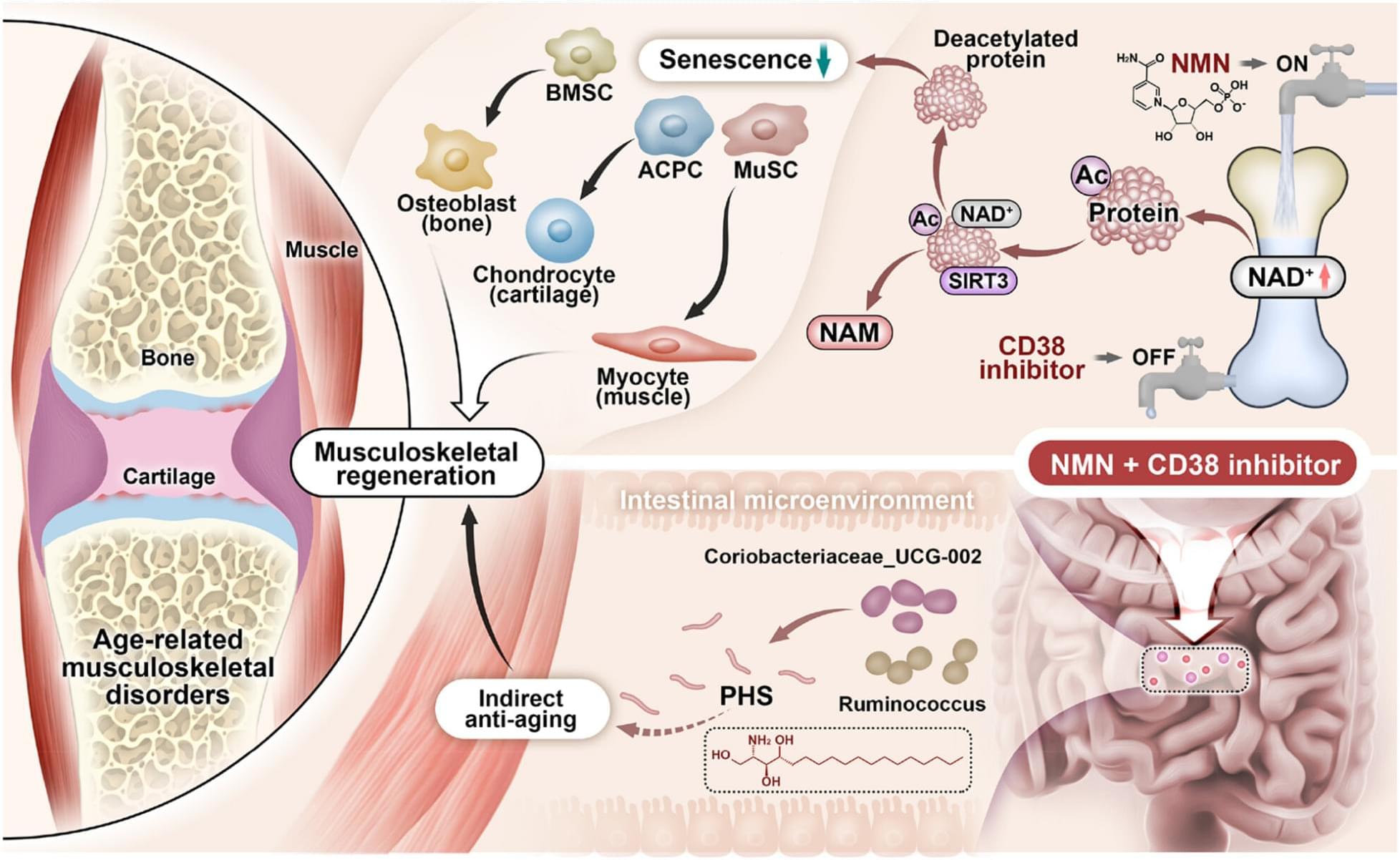
A novel synergistic drug combination (N + A) consisting of an NAD+ precursor (NMN) and an NAD+ consumption (CD38) inhibitor (API) promotes musculoskeletal regeneration in aging. Notably, increased NAD+ serves as a coenzyme for SIRT3, exerting a robust anti-senescence effect, thus promoting tri-lineage differentiation into chondrocytes, osteoblasts, and myocytes. Furthermore, oral administration of the N + A formulation modulated the intestinal microenvironment, promoting the gut microbiota-derived production of the metabolite PHS, thereby exerting indirect anti-aging effects in musculoskeletal disorders.
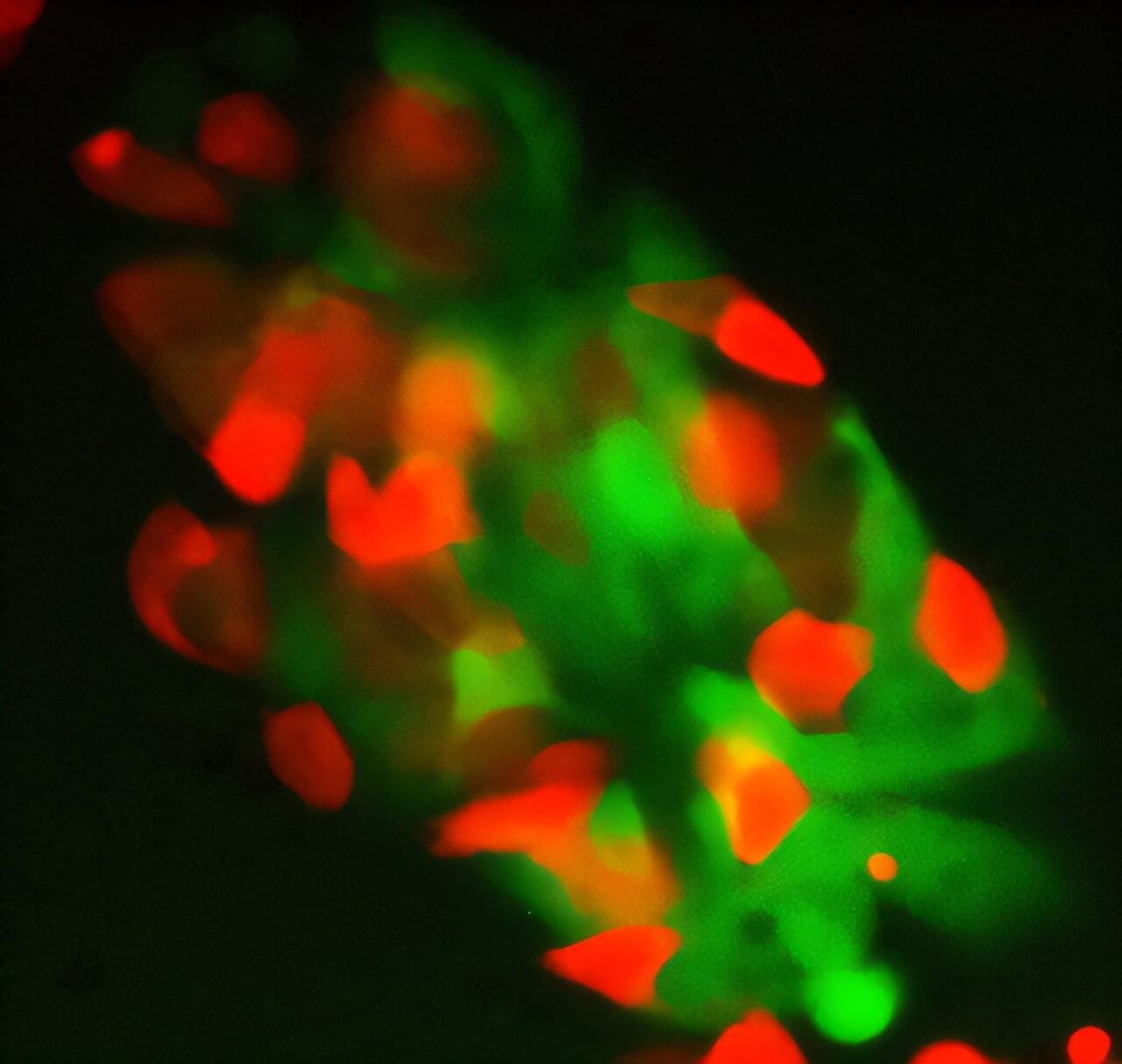
A study published in Cell Research advances a central idea in stem cell biology by identifying a checkpoint that controls the identity of many different types of stem cells across developmental stages. For nearly two decades, scientists have understood that stem cell self-renewal depends on blocking differentiation signals—a concept described in earlier work, including Qi-Long Ying and Austin Smith’s 2008 Nature paper titled “The ground state of embryonic stem cell self-renewal.”
Now, researchers from the labs of Ying at USC and Guang Hu at the National Institute of Environmental Health Sciences (NIEHS), one of the National Institutes of Health (NIH), have identified the protein GSK3α as a “stemness checkpoint” that drives differentiation and that can be inhibited to maintain stem cell identity.
This discovery introduces a new conceptual framework: Rather than viewing stem cell maintenance as the result of many unrelated signaling conditions, distinct stem cell types share common checkpoints.
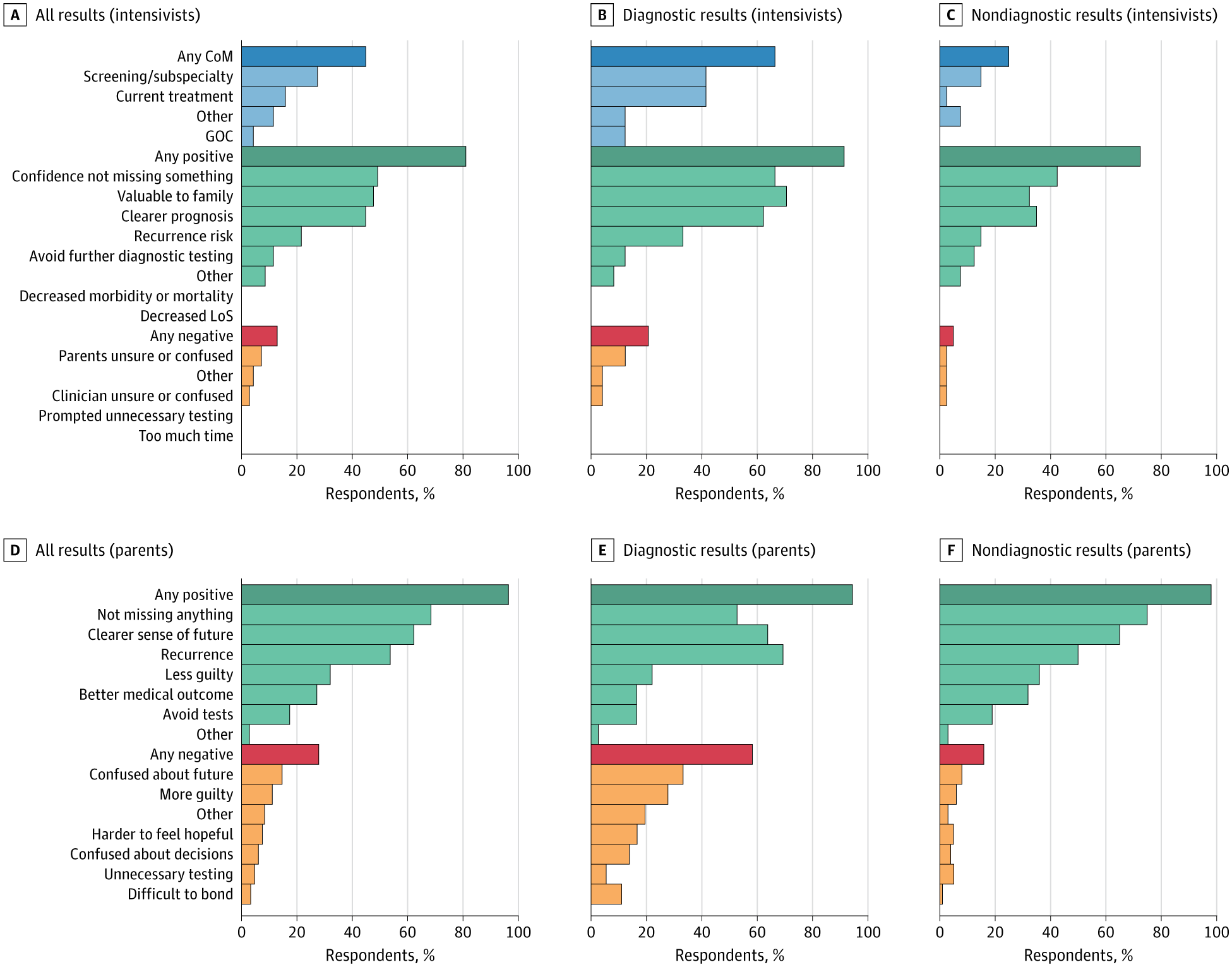
Rapid neonatal genomic testing was perceived as beneficial by both parents and intensivists, especially for informing prognosis, though negative outcomes such as uncertainty or confusion were also reported by some parents.
This survey study assesses intensivists’ and parents’ perceptions of the utility of rapid genomic testing for critically ill neonates.