Toggle light / dark theme

Get the latest international news and world events from around the world.

Log in for authorized contributors

The scientist using AI to hunt for antibiotics just about everywhere

When he was just a teenager trying to decide what to do with his life, César de la Fuente compiled a list of the world’s biggest problems. He ranked them inversely by how much money governments were spending to solve them. Antimicrobial resistance topped the list.

Twenty years on, the problem has not gone away. If anything, it’s gotten worse. Infections caused by bacteria, fungi, and viruses that have evolved ways to evade treatments are now associated with more than 4 million deaths per year, and a recent analysis, published in the Lancet, predicts that number could surge past 8 million by 2050. In a July 2025 essay in Physical Review Letters, de la Fuente, now a bioengineer and computational biologist, and synthetic biologist James Collins warned of a looming “postantibiotic” era in which infections from drug-resistant strains of common bacteria like Escherichia coli or Staphylococcus aureus, which can often still be treated by our current arsenal of medications, become fatal. “The antibiotic discovery pipeline remains perilously thin,” they wrote, “impeded by high development costs, lengthy timelines, and low returns on investment.”

Common Vitamin May Reduce Buildup of Alzheimer’s Proteins, Study Finds

New research has linked levels of vitamin D in midlife with toxic tangles of tau protein that accumulate in the brains of those with Alzheimer’s disease.

A statistical analysis of blood samples and brain scans from 793 adults showed that the more vitamin D in someone’s system in middle age, the lower the amount of tau protein tangles they tended to have years later.

The finding comes from an international team of researchers, and while it doesn’t prove direct cause and effect, it suggests an association that’s worth looking at.

Scripps Research scientists uncover new mechanism cancer cells use to survive DNA damage

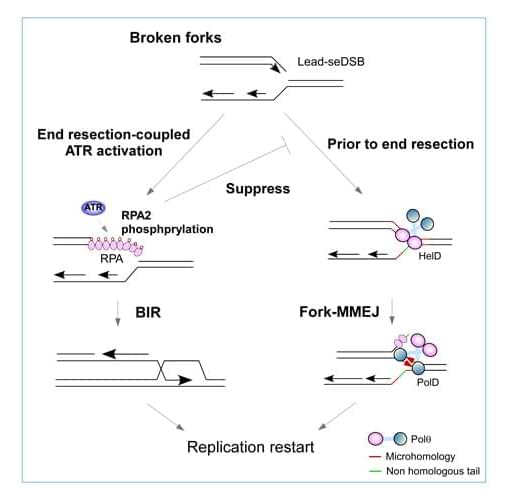
LA JOLLA, CA— A cancer drug target already being investigated in clinical trials turns out to be doing something even more consequential than researchers realized. Scientists at Scripps Research have discovered that the enzyme Pol theta (Polθ) drives a DNA repair mechanism directly at broken replication forks—one of the most frequent forms of DNA damage in cancer cells. The findings, published in Molecular Cell on March 16, 2026, help explain how tumors survive relentless replication stress and clarify why Pol theta inhibitors may be an effective strategy to selectively target cancer.

“We’ve uncovered a whole new dimension of how cancer cells cope with DNA damage at replication forks,” says Xiaohua Wu, professor at Scripps Research and senior author of the study.

Every time a cell divides, it must make an exact copy of its entire genome, a process carried out by molecular machinery that unzips the DNA double helix and reads each strand to build a new one. The point where this unzipping and copying actively happens is called a replication fork. But when this replication machinery encounters damage, forks can stall or collapse, leaving behind dangerous one-ended DNA breaks that are particularly difficult to repair and, if left unresolved, can kill the cell. This is particularly true in cancer cells, where replication stress is constant.

Engineering high-fidelity tapasin variants to enhance MHC-I antigen presentation

New in JBC press|

asbmbJBC.


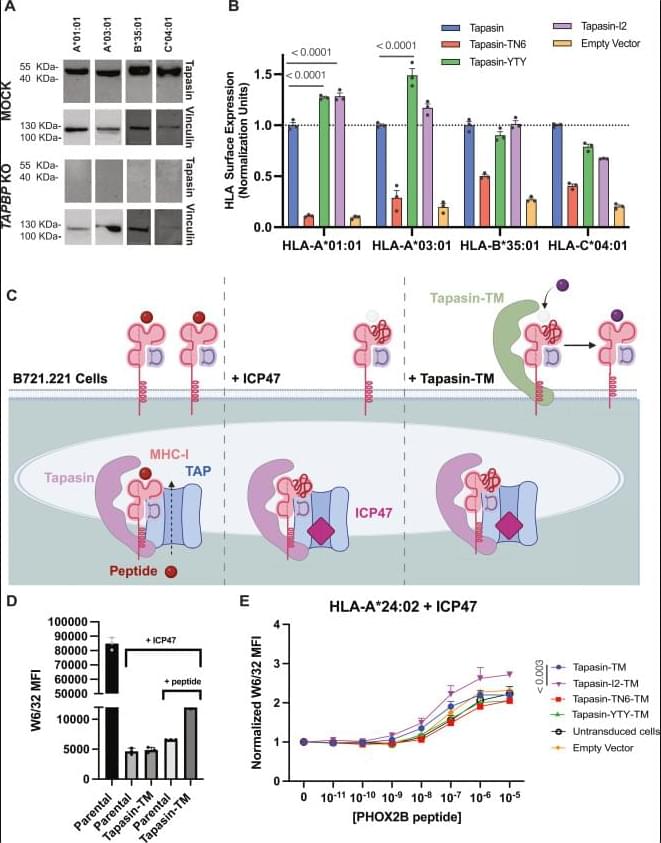
Human leukocyte antigen (HLA) proteins are extremely polymorphic, with different allotypes exhibiting a wide range of dependencies on the chaperone tapasin for peptide loading, expression, and stability at the cell surface. Given its central role in antigen processing, tapasin is frequently downregulated across viral infections and cancers, impairing antigen presentation and hindering the identification of therapeutically relevant peptide antigens. We hypothesized that elucidating the mutational tolerance of tapasin surfaces which mediate interactions with polymorphic HLA residues can provide a means for fine-tuning its chaperoning function and reveal mechanistic epitopes that underlie its function.

Overlooked non-coding genes cause diabetes in babies, study reveals

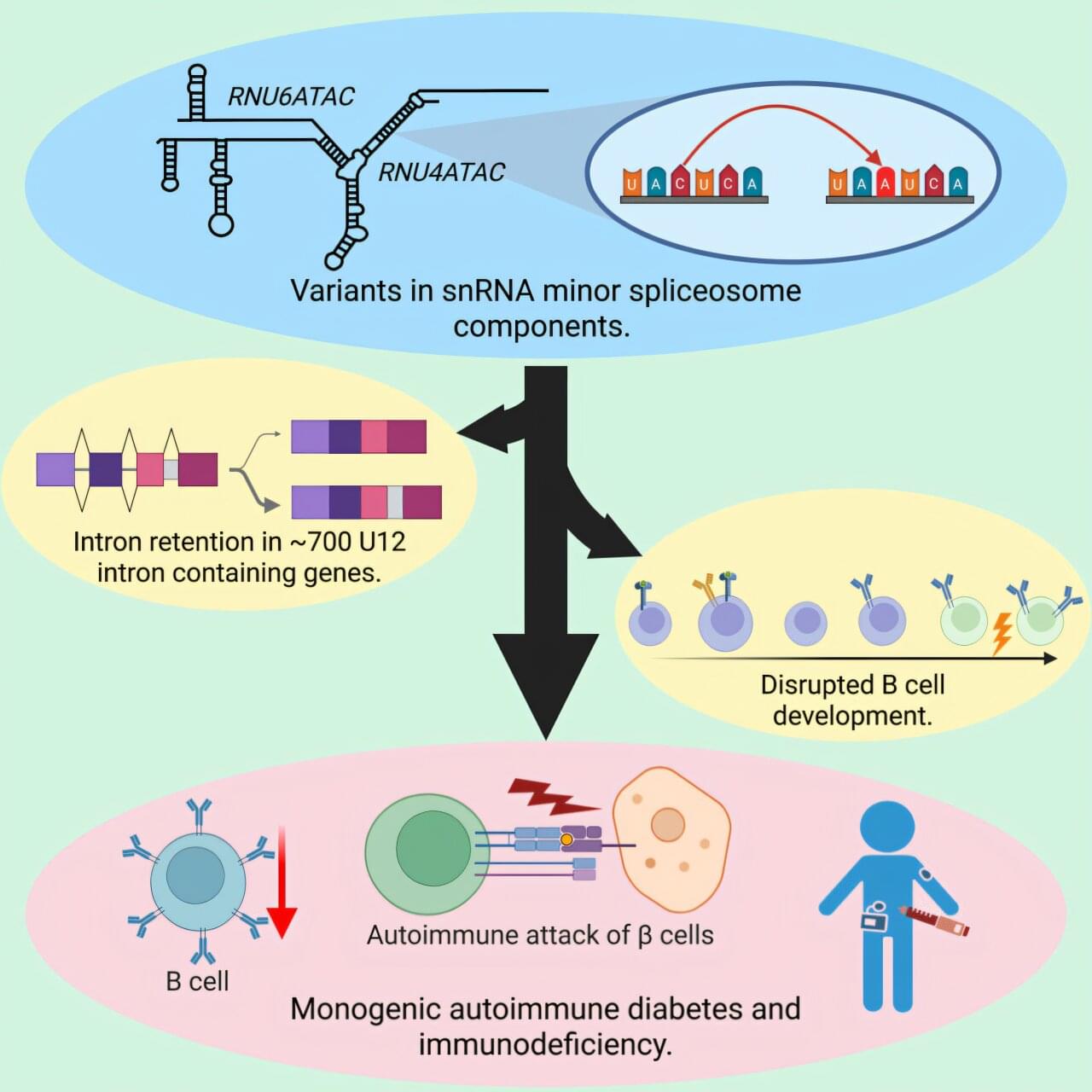
Scientists have found new genetic causes for diabetes in babies—in a part of the genome that has historically been overlooked in genetic studies. Until recently, most research has investigated causes of disease in “coding” genes—those that produce proteins. Now, academics at the University of Exeter and their international collaborators have found that DNA changes in two genes that instead make functional RNA molecules are a cause of diabetes. RNA plays various roles in the body, including regulating genes and influencing how genetic information is “read” and interpreted.

The study is titled “Bi-allelic variants in the non-protein-coding minor spliceosome components RNU6ATAC and RNU4ATAC cause syndromic monogenic autoimmune diabetes,” and was published in the American Journal of Human Genetics.

The team used genome sequencing, a method that reads all the letters in a person’s DNA. They found that changes in two genes called RNU4ATAC and RNU6ATAC were the cause of autoimmune neonatal diabetes in 19 children.

/* */