Toggle light / dark theme

Get the latest international news and world events from around the world.

Log in for authorized contributors

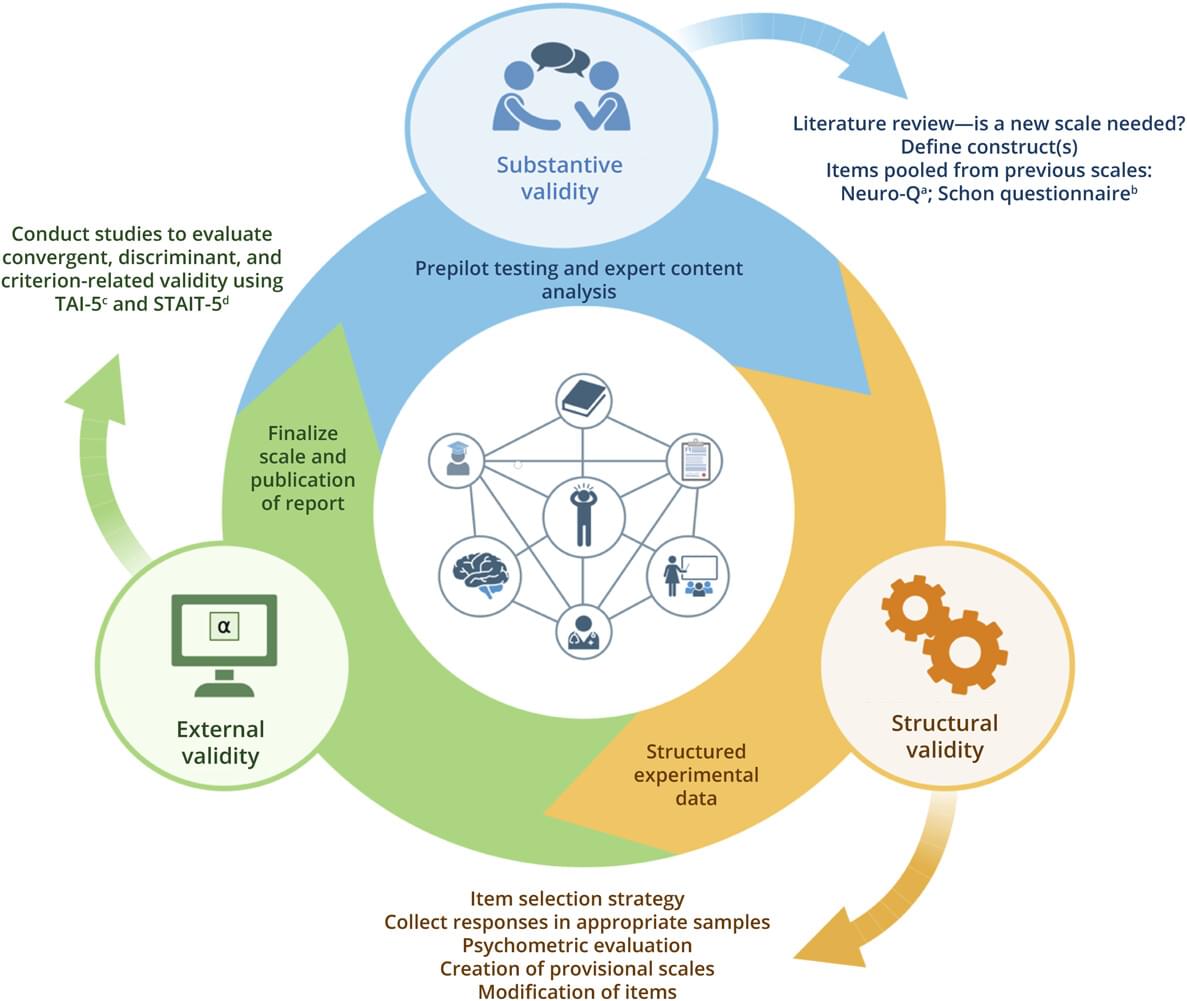
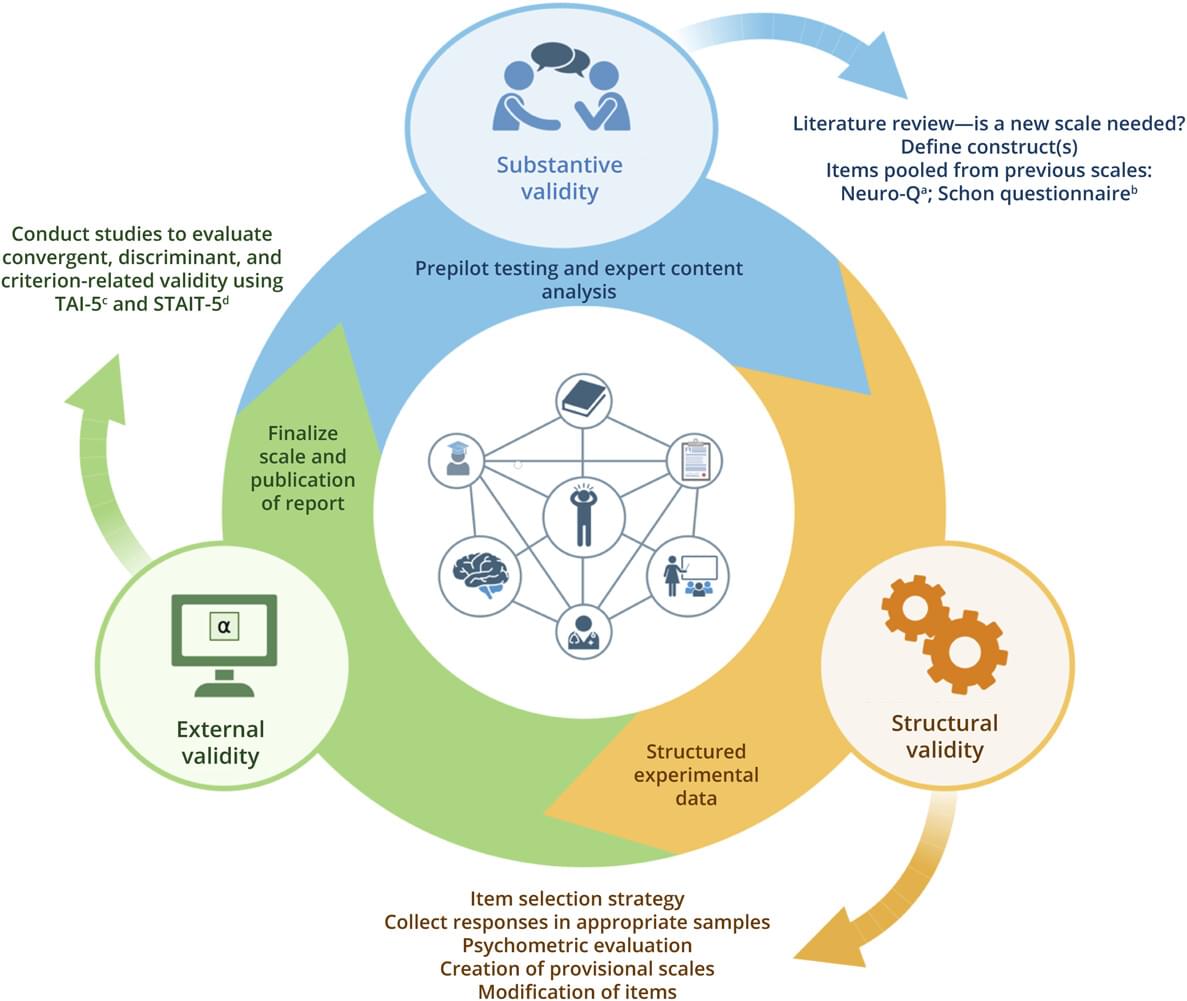
Education Research: Validity and Reliability of the Neurophobia-Combined Measure (NCM) in Irish Medical Students

Background and ObjectivesNeurophobia, defined as a fear of neurology and the neurosciences, is a recognized barrier in medical education and clinical practice. It affects one-third of medical students internationally, yet measurement approaches remain…

ADAR1 regulates dsRNA formation in nuclear and mitochondrial transcripts through editing-dependent and —independent mechanisms

We report that the RNA-editing enzyme ADAR1 downregulates nuclear-and mitochondria-encoded double-stranded RNAs (dsRNAs) to maintain immune homeostasis. ADAR1 employs RNA-editing-dependent and-independent mechanisms to keep dsRNA levels low in cells. Notably, upon ADAR1 loss, mitochondrial dsRNA levels increase and can cause enhanced inflammation upon mitochondrial stress.

Microscopic mechanism of ‘quantum collapse’ in real-world environments uncovered for the first time

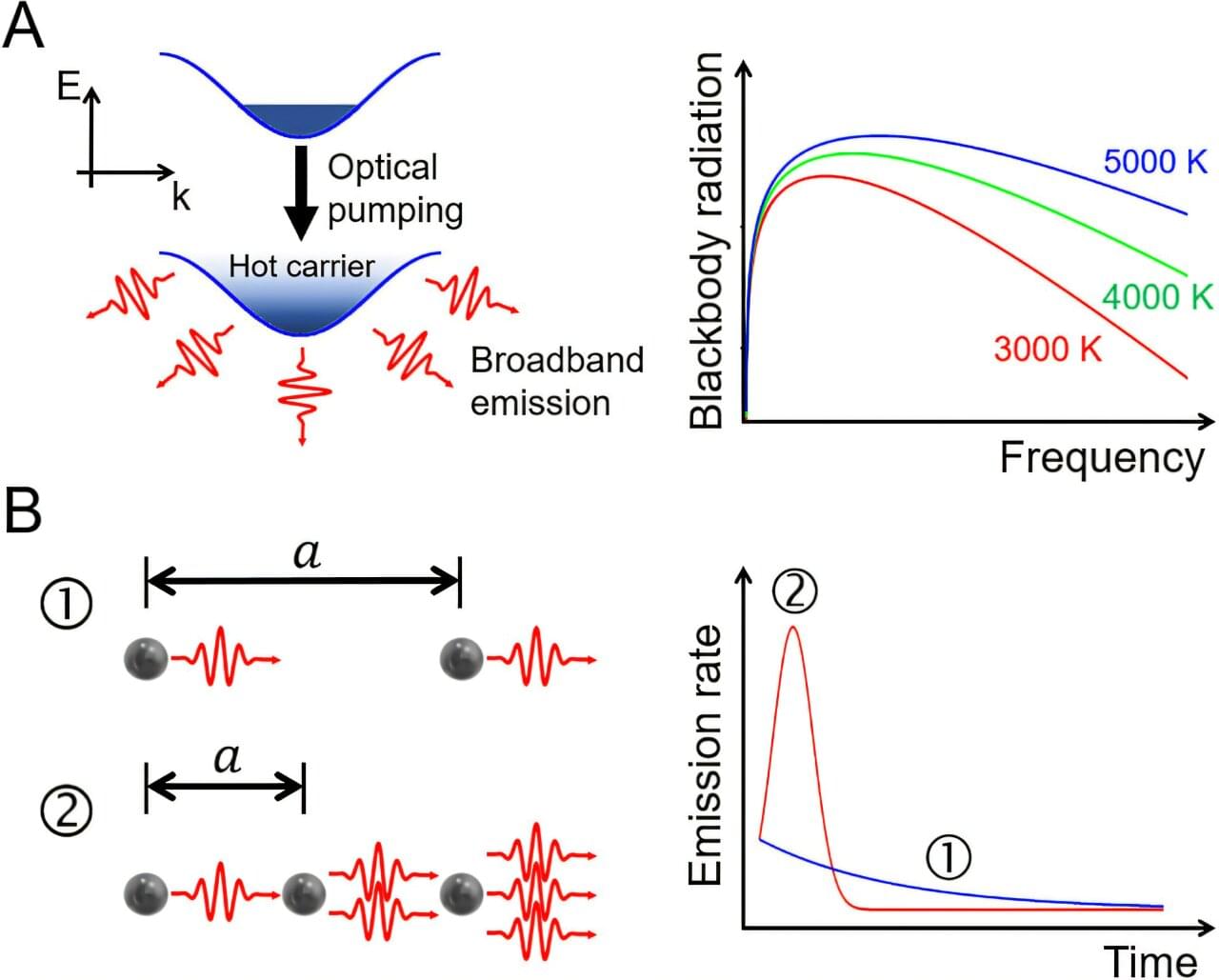
A research team has, for the first time in the world, elucidated the microscopic mechanism by which quantum order is lost and collapses in “open quantum environments” existing in nature. Since perfectly isolated quantum systems cannot exist in reality, this study is expected to provide a decisive breakthrough in bridging the gap between ideal quantum theory and quantum technologies that must operate in real-world environments.

The study is published in the journal Advanced Science. The study was led by Professor JaeDong Lee of the Department of Physics and Chemistry at DGIST.

Endogenous aldehydes: A driver of clonal hematopoiesis from within?

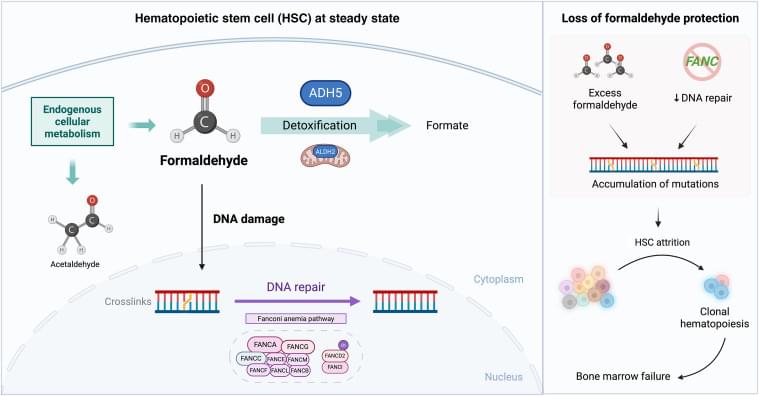
Detoxification of endogenous aldehydes is critical for preserving genomic integrity in hematopoietic stem cells. In this issue, Kamimae-Lanning et al. show that excess formaldehyde can drive clonal hematopoiesis through attrition of blood-forming progenitors, accelerating neutral drift in the absence of known genetic drivers of positive selection.

Researchers 3D print robot the size of a single-cell organism — devices move and navigate even without a ‘brain,’ uses their shape and the environment to get going

These robots are smaller than a strand of human hair but can move independently even without a motor and sensors.

MICrONS Explorer: A virtual observatory of the cortex

The Machine Intelligence from Cortical Networks (MICrONS) program seeks to revolutionize machine learning by reverse-engineering the algorithms of the brain. It is an ambitious program to map the function and connectivity of cortical circuits, using high throughput imaging technologies, with the goal of providing insights into the computational principles that underlie cortical function in order to advance the next generation of machine learning algorithms.

This website serves as a data portal to release connectivity and functional imaging data collected by a consortium of laboratories led by groups at the Allen Institute for Brain Science, Princeton University, and Baylor College of Medicine, with support from a broad array of teams, coordinated and funded by the IARPA MICrONS program. These data include large scale electron microscopy based reconstructions of cortical circuitry from mouse visual cortex, with corresponding functional imaging data from those same neurons.

Have a Scientific Request? Check out the Virtual Observatory of the Cortex (VORTEX) project, a BRAIN Initiative funded program to bring the MICrONS dataset to the research community. Access proofreading resources to answer your scientific questions.
Reconstructing tumor tissues in 3D: From organoids to bioengineered niches

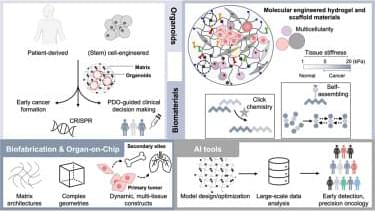
Tumor tissue engineering has opened new avenues for cancer research. With an emphasis on gastrointestinal malignancies, we summarize capabilities and limitations of patient-derived and engineered organoid models. We then discuss how innovations in biomaterial design, biofabrication, microfluidics, benchmarking, and AI converge to better emulate tumor tissues and advance translational modeling.

/* */