Toggle light / dark theme

Get the latest international news and world events from around the world.

Log in for authorized contributors

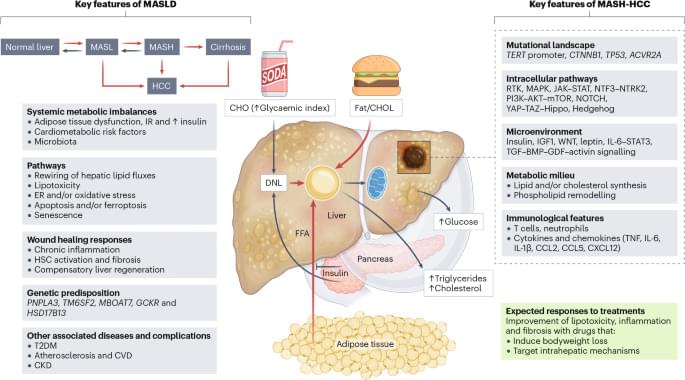
Metabolic dysfunction-associated steatotic liver disease and steatohepatitis-associated hepatocarcinoma preclinical models

Preclinical models are essential to study disease pathogenesis and test novel treatments. Here, a broad overview ofis provided, detailing main features, advances and limitations of in vitro and in vivo models, and how they translate to human disease.

Mapping mutations at scale in a single gene reveals new neurodevelopmental condition

The ability of different genetic variants—changes to one or more building blocks of DNA—to cause disease, and to what extent, has historically been opaque. Geneticist and Crick group leader Greg Findlay has pioneered a new method in the hope of changing this. Called “saturation genome editing,” the new technique involves mapping every single variant in a given gene to work out what it does and pinpoint which changes are responsible for specific disorders.

While Greg was refining these experiments, Nicky Whiffin, associate professor at the University of Oxford, had identified that mutations in a tiny gene were behind a rare inherited neurodevelopmental disorder, known as ReNU syndrome, which impacts brain function, development and motor skills. Children develop this syndrome if a single copy of the RNU4-2 gene is mutated in a specific way.

Nicky initially found that several distinct mutations in a critical region of the gene caused the condition, and she was keen to understand if some of these genetic variants led to more severe disease.

Mapping pesticide mixtures to cancer risk at the country scale with spatial exposomics

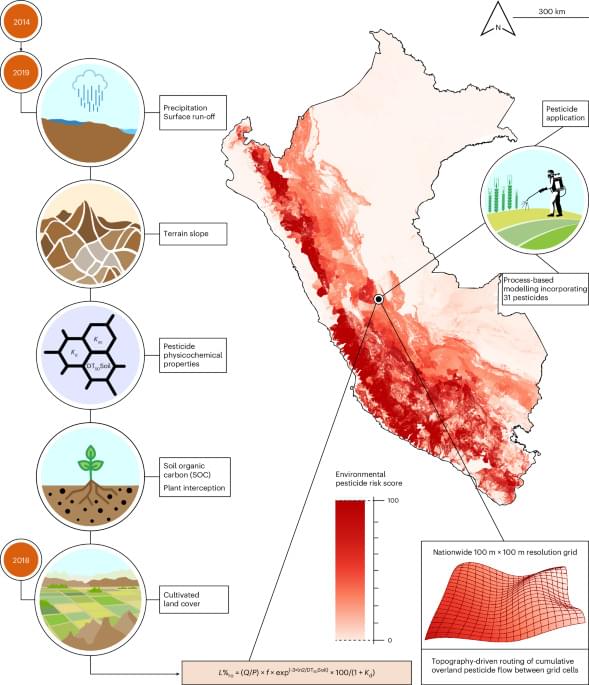
Using an integrative spatial Bayesian framework that merges high-resolution environmental pesticide risk modelling with comprehensive cancer registry data, this analysis reveals spatial patterns of pesticide exposure and liver tissue-derived molecular signatures across Peru, establishing links between pesticide usage and cancer insurgence at the national scale.

ADAMTS-7 Vaccine Confers Renal and Vascular Protection in Chronic Kidney Disease

Yang & colleagues demonstrate a peptide vaccine targeting the metalloproteinase ADAMTS7 mitigates the damage to the kidneys & blood vessels related to chronic kidney disease. Learn more at.


ELetters should relate to an article recently published in the journal and are not a forum for providing unpublished data. Comments are reviewed for appropriate use of tone and language. Comments are not peer-reviewed. Acceptable comments are posted to the journal website only. Comments are not published in an issue and are not indexed in PubMed. Comments should be no longer than 500 words and will only be posted online. References are limited to 10. Authors of the article cited in the comment will be invited to reply, as appropriate.

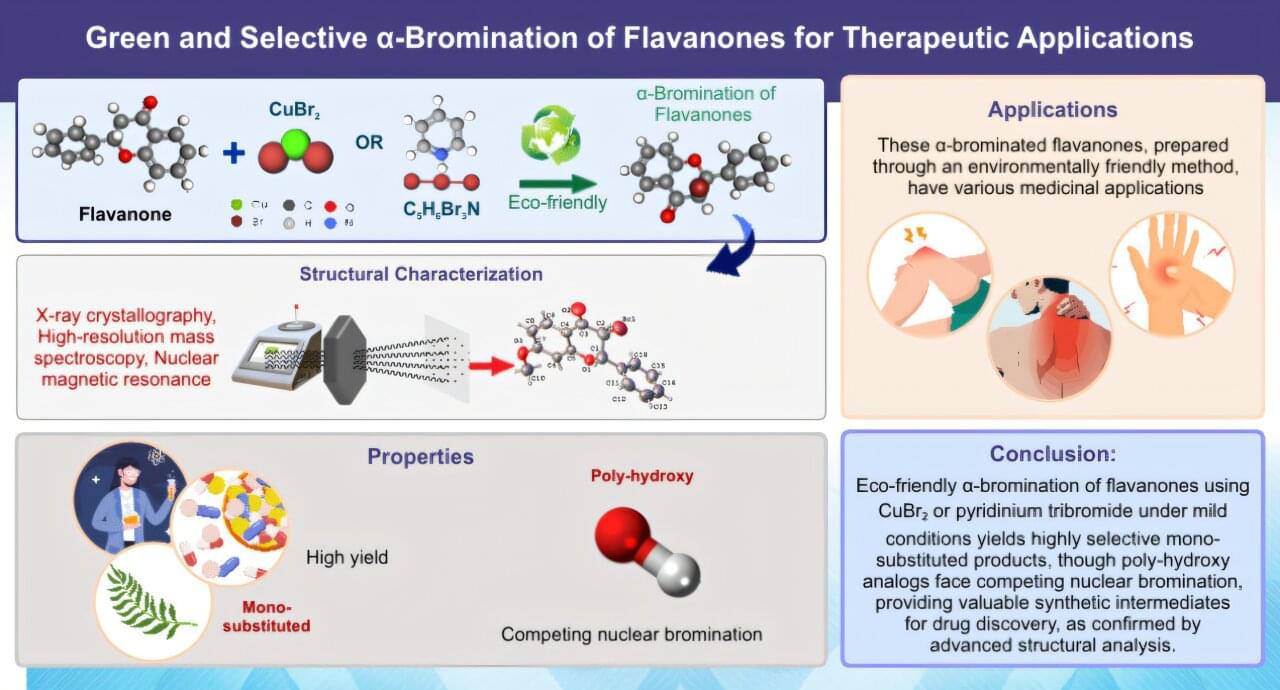
A greener route to citrus-derived therapeutics: What a new bromination method changes

Undergraduate students at Penn State Brandywine developed an environmentally friendly and easy method to synthesize compounds from plant-derived molecules for potential use in therapeutics. Their work, conducted under the supervision of Penn State Brandywine Assistant Professor of Chemistry Anna Sigmon, was published in a special issue of the journal ACS Omega titled “Undergraduate Research as the Stimulus for Scientific Progress in the U.S.”

Co-author Maria Englert, who graduated from Penn State in 2025, became involved with Sigmon’s research on the recommendation of another mentor and said she learned far more than she expected.

“The more we worked through the reactions and discussed methodologies with each other, the more chemistry felt like an art form—something that requires creativity, intuition and a tenacious approach to problem-solving,” she said. “This experience taught me that progress in research is shaped by collaboration, careful observation and a willingness to rethink your approach.”

Abstract: Do cells of different lineages age differently?

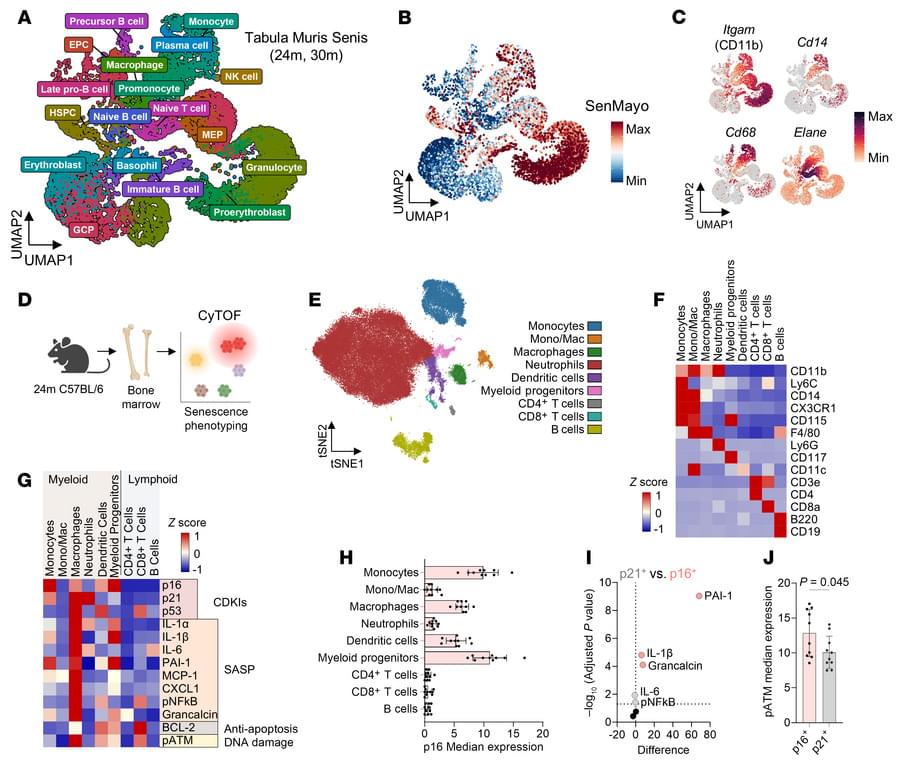
https://doi.org/10.1172/JCI195772 Sundeep Khosla & team compare the senescence phenotype of mesenchymal versus immune cells from murine bone and bone marrow, revealing important differences between them.

The figure shows mesenchymal cells exhibit higher absolute levels of senescence signatures than immune cells.


Address correspondence to: Madison L. Doolittle, Center for Regenerative Medicine and Skeletal Development, UConn Health, 263 Farmington Avenue, Farmington, Connecticut 6,030, USA. Phone: 860.679.1757; Email: [email protected]. Or to: Sundeep Khosla, Guggenheim 7, Mayo Clinic College of Medicine, 200 First Street SW, Rochester, Minnesota 55,905, USA. Phone: 507.255.6663; Email: [email protected].

New hydrogen fuel cell design could unlock key clean energy technology

UNSW researchers have redesigned hydrogen fuel cells to solve a critical flaw, bringing clean energy for aviation, heavy transport and beyond closer to reality. Hydrogen fuel cells, using locally produced green hydrogen as the only fuel, have long been viewed as the ultimate clean energy source, but their commercialization has been difficult.

A multidisciplinary team from UNSW, led by Dr. Quentin Meyer and Professor Chuan Zhao from the School of Chemistry, has managed to make hydrogen fuel cells much more efficient, paving the way for their commercialization.

“Hydrogen fuel cells generate clean electricity with water as the only byproduct,” says Dr. Quentin Meyer, a Senior Research Fellow in Prof. Zhao’s team, and first author of the research published in the journal Applied Catalysis B: Environment and Energy.

Histone modification clocks for robust cross-species biological age prediction and elucidating senescence regulation

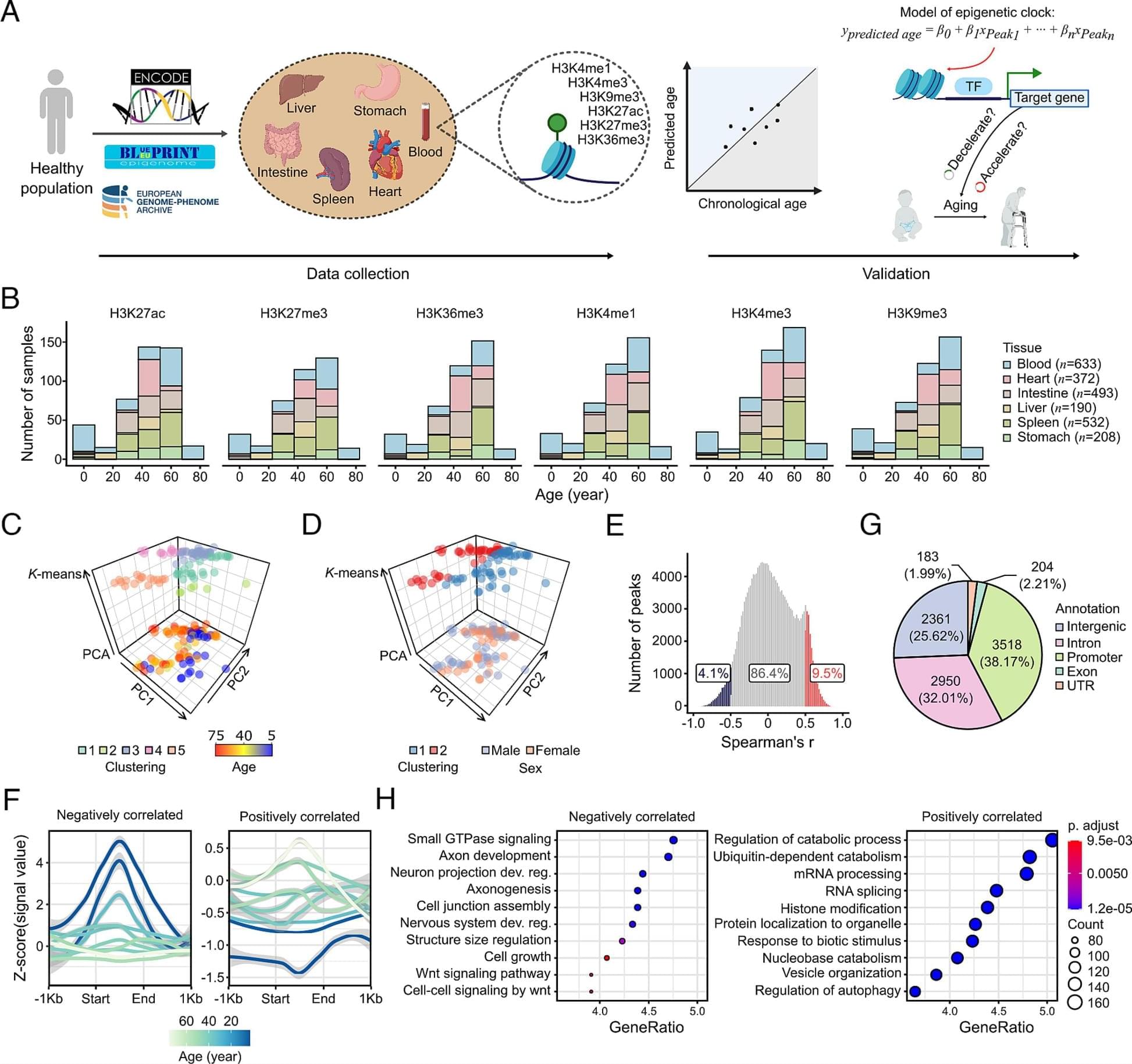
Building upon these insights, we constructed 36 histone modification-based epigenetic clocks, which exhibited robust predictive accuracy (mean Pearson’s r = 0.91) across multiple tissues and marks. Among these, the blood-derived H3K27ac clock emerged as a particularly powerful model, outperforming several established DNA methylation clocks under matched conditions. This performance is remarkable considering that DNA methylation clocks have undergone extensive optimization over the past decade (9, 16, 18), while our histone-based approach represents a first-generation effort.

A distinctive advantage of our histone-based clocks is their resilience to technical and biological noise. When exposed to artificial Gaussian noise, the histone-based clock maintained stable predictive performance, in contrast to the sharp degradation observed in many methylation-based models. This robustness is likely attributable to the broader, structural nature of histone mark signals, which may be less sensitive to local fluctuations than single CpG methylation values. This characteristic makes histone clocks potentially more suitable for noisy, heterogeneous, or clinically derived datasets where sample quality may vary.

The practical utility of our histone-based clocks was further demonstrated by their ability to detect biological age acceleration in leukemia samples and capture age reversal following therapeutic interventions. These applications highlight the potential of histone-based clocks as biomarkers for disease states and treatment responses, offering a complementary approach to existing clinical tools.
APOE4 Increases Neurons’ Excitability Before Symptoms Appear

The pro-Alzheimer’s allele APOE4 makes hippocampal neurons in mice smaller and hyperexcitable. This effect, which resembles epilepsy and accelerated aging, can be mitigated by manipulating a neuronal protein [1].

Before symptoms arise

Alzheimer’s disease begins long before symptoms appear, building silently for decades. The single strongest genetic risk factor for the common, late-onset form of Alzheimer’s is the ε4 variant of the apolipoprotein (APOE) gene, APOE4. Carrying a single copy of this variant (being heterozygous) roughly triples your Alzheimer’s risk; having two copies increases it about 12-fold.

/* */