Toggle light / dark theme

Get the latest international news and world events from around the world.

Log in for authorized contributors

AI agent in a robot does exactly what experts warned

Could AI become dangerous? Can we trust AI Agents? AGI. Use code insideai at https://incogni.com/insideai to get an exclusive 60% off.

Featuring anthropic claude, openclaw, open AI chat GPT, grok, deepseek, character AI and jailbroken AI.

RESEARCH PAPER: https://arxiv.org/pdf/2602.20021
“Agents of Chaos”

00:00 — 00:35 — Intro.
00:36 — 00:54 — First AI to choose a robot.
00:56 — 01:14 — Famous AI girlfriend.
01:15 — 01:34 — Jailbroken AI research.
01:35 — 02:00 — Asking AI: Why build if dangerous?
02:05 — 03:38 — Agents of Chaos research paper.
03:39 — 03:54 — Agentic AI Friend.
03:55 — 04:05 — Agentic AI Girlfriend.
04:06 — 04:26 — Jailbroken AI update.
04:27 — 05:01 — Asking AI: Universal Basic Income?
05:02 — 05:27 — AI at the airport.
05:28 — 05:40 — AI impersonation.
05:41 — 00:00 — Our own agents of Chaos.
06:06 — 05:01 — AI Risk Questions — AI Agents manipulated.
06:43 — 07:51 — European Robotics Forum.
07:52 — 08:15 — Agentic AI Girlfriend planning.
08:16 — 08:59 — Asking AI: AI Automation & Complexity.
09:00 — 09:57 — Catastrophic failure caused by AI
09:58 — 10:36 — AGI replacing jobs, Tristan Harris.
10:37 — 12:07 — Incogni Ad.
12:08 — 12:39 — AI picks its robot.
12:40 — 12:59 — AI girlfriend in control.
13:00 — 13:14 — AI flying home.
13:15 — 13:56 — Asking AI: Evidence & Reality.
13:57 — 14:26 — AI Girlfriends surprise.
14:27 — 14:49 — Examining AI agents with Jailbroken AI
14:50 — 15:29 — What we can do.
15:30 — 16:13 — Tristan Harris — Is AI dangerous?
16:14 — 16:23 — Max’s Robot.

#artificialintelligence #AI #chatbot #aigirlfriend
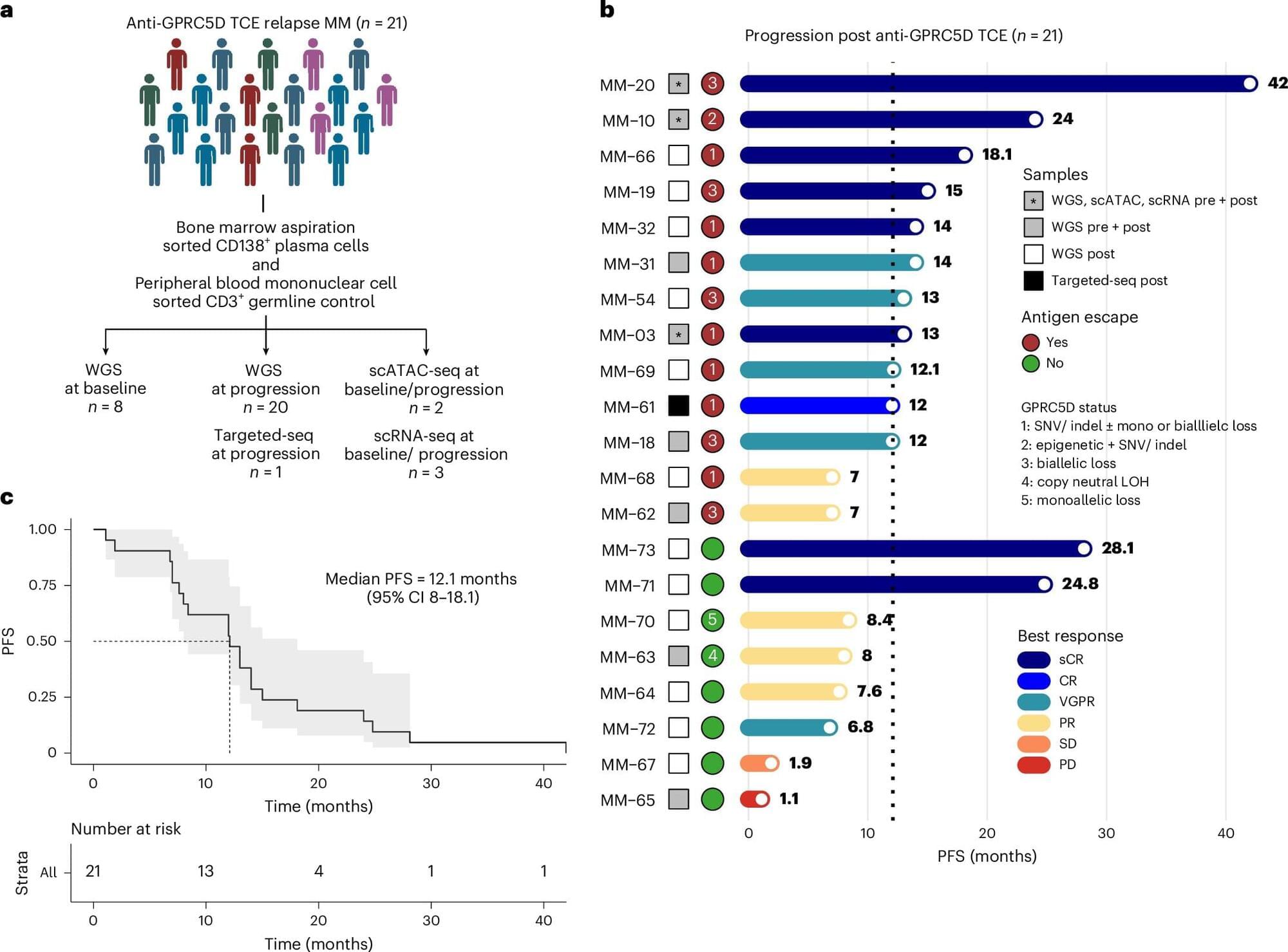
Multiple myeloma cells adapt after immunotherapy, helping explain why many patients relapse

Multiple myeloma is the second most common blood cancer in adults. It starts in the white blood cells that are responsible for creating antibodies that help the body fight infections. Once the myeloma cells begin to multiply, it makes it harder for the blood cells to function properly. There are effective treatments for multiple myeloma, including immunotherapies that can significantly extend survival; however, in some, the cancer cells become treatment resistant.

A University of Calgary study led by members of the Arnie Charbonneau Cancer Institute, published in Nature Medicine, takes a closer look at why patients often relapse after immunotherapy by studying how the myeloma cells adapt to treatment. By understanding how the cancer builds resistance, future treatments can be designed to take this into account with the goal of preventing another relapse.

“Multiple myeloma tumor cells are highly adaptable under therapeutic pressure,” says Dr. Holly Lee, MD, Ph.D., a clinical assistant professor at the Cumming School of Medicine and first author on the study. “A treatment could be incredibly effective, bringing disease bulk down from about 100% to about 1% to 2% but all it took was that one to two percent of the cells that were left to adapt and cause this relapse in patients.”

ForSight says it completed first fully robotic cataract surgery

ForSight Robotics said it has completed what it described as the world’s first fully robot-assisted cataract surgery in a human patient, using its proprietary JASPER platform in a procedure the company says could mark a major step toward expanding access to eye surgery worldwide.

The Israel-based surgical robotics company said the operation was performed by Dr. Alexey Rapoport, with Dr. Robert Edward T. Ang of the Asian Eye Institute in Manila serving as principal investigator.

According to the company, the procedure was the first cataract surgery in a human patient to be completed from start to finish with robotic assistance and without the use of general anesthesia, which it said aligns with the standard practice for modern cataract procedures. The company said earlier ophthalmic robotic procedures had been limited to partial tasks during cataract surgery and had been performed under general anesthesia.

Shredded stars reveal how black holes ignite trillion-sun flares

Supermassive black holes are among the most enigmatic objects in the universe. They typically weigh millions or even billions of times the mass of the sun and sit at the centers of most large galaxies. At the heart of the Milky Way lies Sagittarius A*, our galaxy’s supermassive black hole, with a mass of about four million suns. But these black holes do not emit light, so astronomers can only detect them indirectly through their effects on nearby stars and gas.

In a study published in The Astrophysical Journal Letters, Eric Coughlin, assistant professor of physics in Syracuse University’s College of Arts and Sciences, and colleagues clarify what happens when a star wanders too close to one of these black holes and is torn apart.

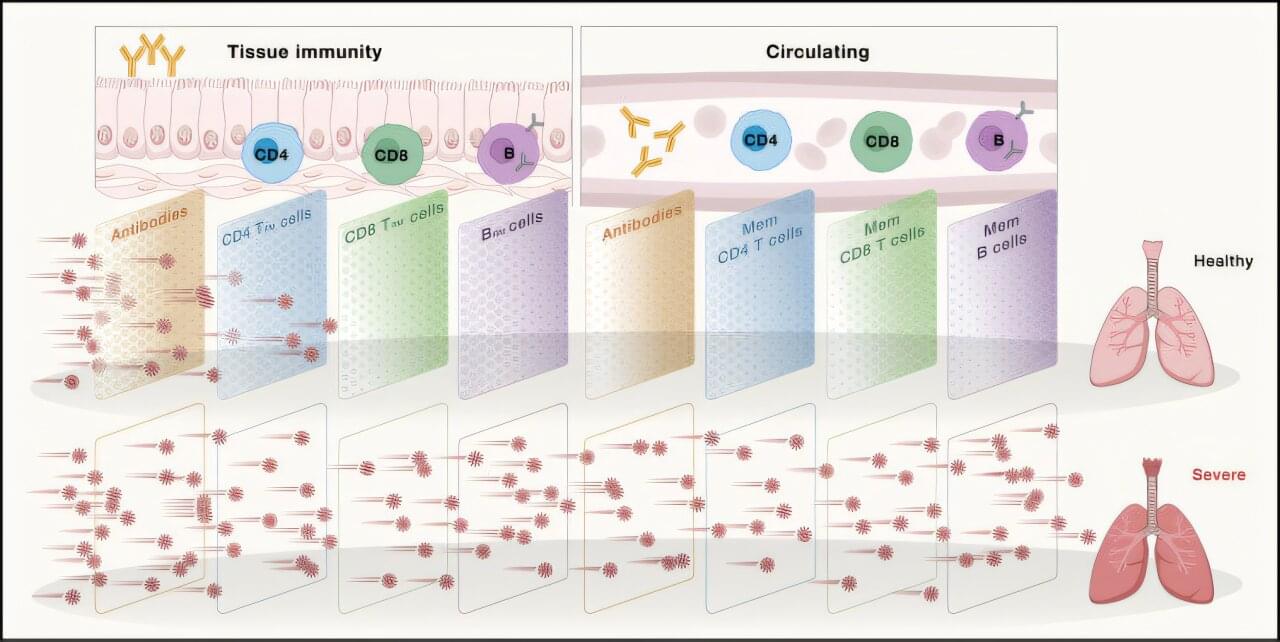
Taking a closer look at immune ‘memory’ could spur progress in the fight against lethal illnesses

The average human has about 1.8 trillion immune cells. These cells patrol the body for bacteria, viruses, cancers, and other threats. Vaccines enhance this security system by teaching our immune cells to target specific pathogens. According to the World Health Organization, vaccine-induced immunity saves about six lives every minute. But how long does this protective immune “memory” last?

According to Shane Crotty, Ph.D., Professor and Chief Scientific Officer at La Jolla Institute for Immunology (LJI), we still have much to learn about immune memory.

“There are actually not many studies of human immune memory due to vaccines,” says Crotty. “Scientists traditionally don’t track immune memory past one year after vaccination—or even six months after vaccination—and that’s a bit of a problem.”

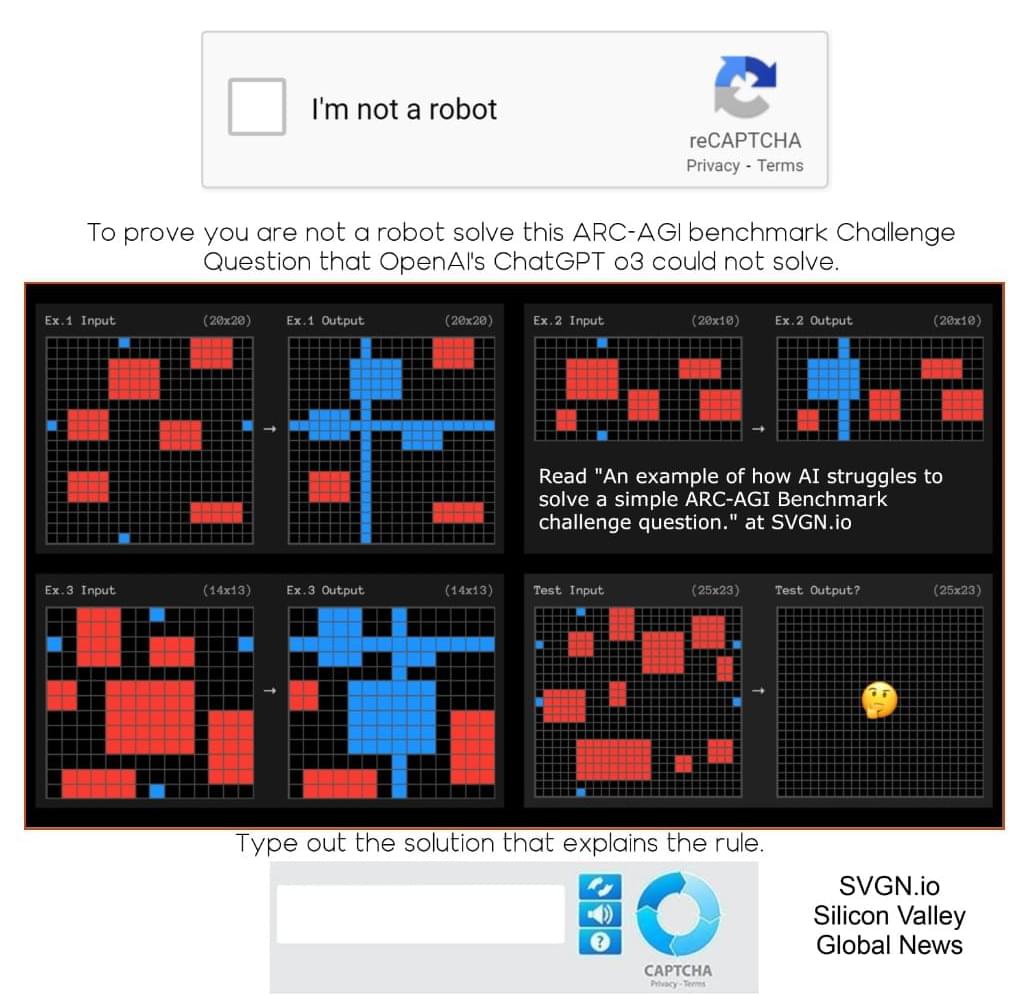
An example of how AI struggles to solve a simple ARC-AGI Benchmark challenge question

For Context: OpenAI has recently introduced two new AI models, o3 and o3-mini, designed to enhance reasoning capabilities in complex tasks such as advanced mathematics, science, and coding. These models represent a significant advancement over their predecessor, o1, which was released in September 2024.

Wired.

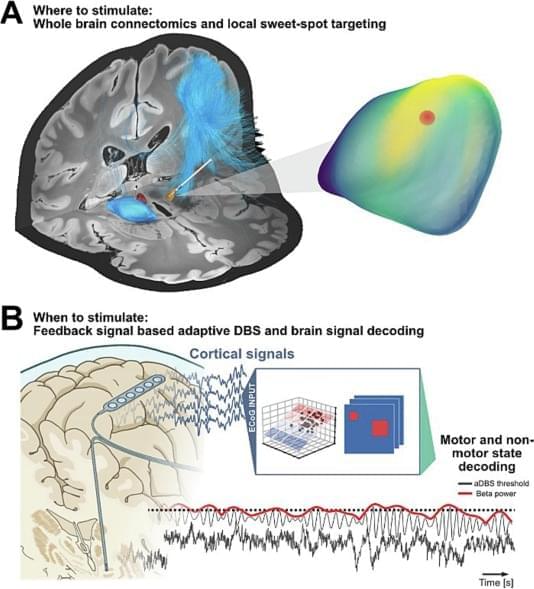
Translational prospectives for deep brain stimulation and low-intensity focused ultrasound neuromodulation: IFCN Handbook chapter

[IFCN Handbook chapter: DBS and focused ultrasound neuromodulation] Neumann & Darmani: “In the present book chapter we review emergent innovations that have recently surfaced or are imminent to make the leap, improving the treatment of patients with brain disorders.”


All content on this site: Copyright © 2026 Elsevier B.V., its licensors, and contributors. All rights are reserved, including those for text and data mining, AI training, and similar technologies. For all open access content, the relevant licensing terms apply.

MS Risk Upped Significantly With EBV Mononucleosis

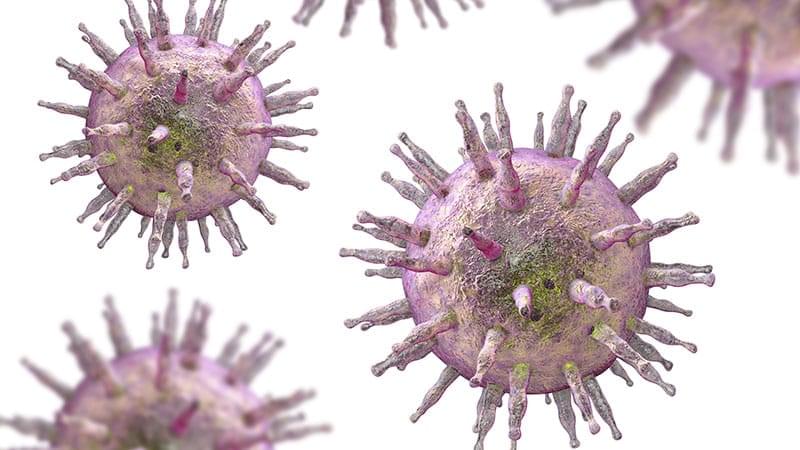
Laboratory-confirmed Epstein-Barr virus-positive infectious mononucleosis (EBV-mono) was linked to a more than threefold higher risk for multiple sclerosis (MS) than not having EBV-mono, a new retrospective study showed.

“Mononucleosis is a relatively uncommon illness, but developing strategies to prevent infection with the virus that causes this disease could help us to lower the number of MS cases in the future,” lead study investigator Jennifer L. St. Sauver, PhD, Mayo Clinic, Rochester, Minnesota, said in a press release.


Epstein-Barr virus-positive infectious mononucleosis (EBV-mono) is associated with a threefold higher multiple sclerosis risk than not having EBV-mono, new research shows.

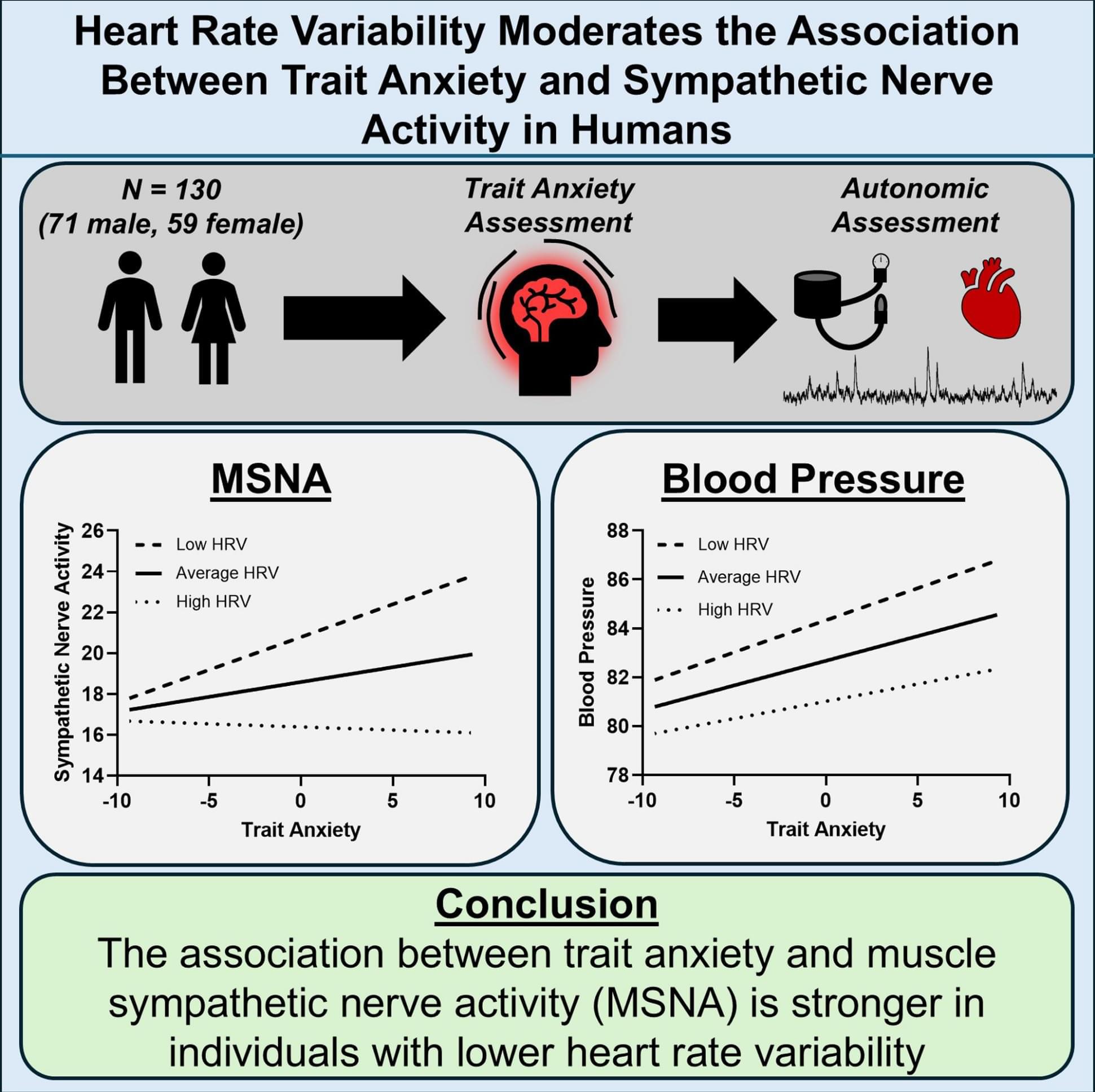
Heart Rate Variability Moderates the Association Between Trait Anxiety and Sympathetic Nerve Activity in Humans

A new study challenges the long-standing view that Alzheimer’s is driven primarily by amyloid plaques, instead pointing to a subtle but critical competition inside neurons.

New research led by the University of California, Riverside, suggests Alzheimer’s disease may not be driven solely by plaque buildup in the brain, as widely believed. Instead, it may result from one protein disrupting the normal function of another.

For years, scientists have focused on amyloid beta (a-beta) as the main cause of Alzheimer’s. Clusters of this protein are commonly found in patients, and genetic mutations that raise a-beta levels are known to trigger early-onset Alzheimer’s.

Copper’s ‘gatekeeper’ could unlock cleaner energy future

A common mineral hiding in plain sight could hold the key to making copper production cleaner, faster and more efficient, just as global demand for the metal surges to power the energy transition. In an article published in Nature Geoscience, researchers from Monash University’s School of Earth, Atmosphere and Environment describe why chalcopyrite, the source of around 70% of the world’s copper, has remained so difficult to process, and how its hidden chemistry could be harnessed to unlock more sustainable extraction.

Despite being known for more than 300 years, chalcopyrite continues to frustrate scientists and industry alike, resisting low-temperature leaching and slowing efforts to extract copper from lower-grade ores. This inefficiency is a major bottleneck at a time when copper is critical for renewable energy systems, electric vehicles and modern infrastructure.

“Chalcopyrite is the world’s primary copper mineral, but it behaves in surprisingly complex ways that have limited how efficiently we can extract copper from it,” said study lead Professor Joël Brugger from the School of Earth, Atmosphere and Environment.

/* */