Toggle light / dark theme

Get the latest international news and world events from around the world.

Log in for authorized contributors

10 Hellstar Remina-like Planet-Eating Living Worlds in Fiction

Dive into the terrifying world of planet-eating living worlds in fiction! Inspired by the legendary cosmic horror of Hellstar Remina, this video explores 10 of the most terrifying sentient planets, living worlds, and cosmic entities ever created in anime, manga, movies, comics, and sci-fi universes.

From monstrous celestial beings that consume entire civilizations to living planets with unimaginable power, we rank the most horrifying world-devourers in fiction. Which one is the most terrifying? Could any of them defeat Hellstar Remina?

If you love cosmic horror, giant monsters, anime lore, sci-fi rankings, and universe-scale fiction, this is the video for you.

Don’t forget to like, share, and subscribe for more deep dives into the biggest and most powerful beings in fiction.

#HellstarRemina #CosmicHorror #PlanetEaters #SciFi #Anime #FictionRanking.

Here in our channel, we cover Size comparison videos, Movie monsters, Kaiju, Dinosaur and dragon content as well as Kaiju, aliens, predators, godzilla titans and many other creature features. We also include movie theories, analysis, breakdowns, weird facts and size estimations amongst others. And this video is one of them.
Consistently Higher HRV, Lower RHR Since 2018

Join us on Patreon! / michaellustgartenphd.

Discount Links/Affiliates:
Blood testing (where I get the majority of my labs): https://www.ultalabtests.com/partners… Metabolomics: https://www.iollo.com?ref=michael-lus… Use Code: CONQUERAGING At Checkout Clearly Filtered Water Filter: https://get.aspr.app/SHoPY Epigenetic, Telomere Testing: https://trudiagnostic.com/?irclickid=… Use Code: CONQUERAGING NAD+ Quantification: https://www.jinfiniti.com/intracellul… Use Code: ConquerAging At Checkout Oral Microbiome: https://www.bristlehealth.com/?ref=mi… Enter Code: ConquerAging SiphoxHealth Blood Testing (ApoB, GrimAge): https://siphoxhealth.com/mlustgarten Green Tea: https://www.ochaandco.com/?ref=fqbtflod Use Code: ML10OFF Diet Tracking: https://shareasale.com/r.cfm?b=139013… If you’d like to support the channel, you can do that with the website, Buy Me A Coffee: https://www.buymeacoffee.com/mlhnrca Conquer Aging Or Die Trying Merch! https://my-store-d4e7df.creator-sprin

Blood Testing Essentials (Biological Age, CVD-Risk, Kidney Health and Function):
PhenoAge (Biological Age): https://www.ultalabtests.com/partners

Risk-weighted ApoB (a better CVD predictor than LDL, non-HDL cholesterol, and ApoB): https://www.ultalabtests.com/partners

Kidney health and function: https://www.ultalabtests.com/partners

At-Home Metabolomics: https://www.iollo.com?ref=michael-lus

Opening the door to more efficient orbitronic devices

Electrons have three intrinsic properties: spin, charge and orbital angular momentum. Researchers have long studied how to use spin to more efficiently create an electrical current. But the field of orbitronics—which is based upon using an electron’s orbital angular momentum, rather than its spin, to create a current flow—remains relatively new.

“Traditionally, it has been technically challenging to generate orbital current,” says Dali Sun, a professor of physics and member of the Organic and Carbon Electronics Lab (ORaCEL) at NC State University.

In a recent study, however, Sun and an international team of researchers demonstrated a groundbreaking new method to generate orbital current.

Two’s company: Scientists identify new class of star remnants

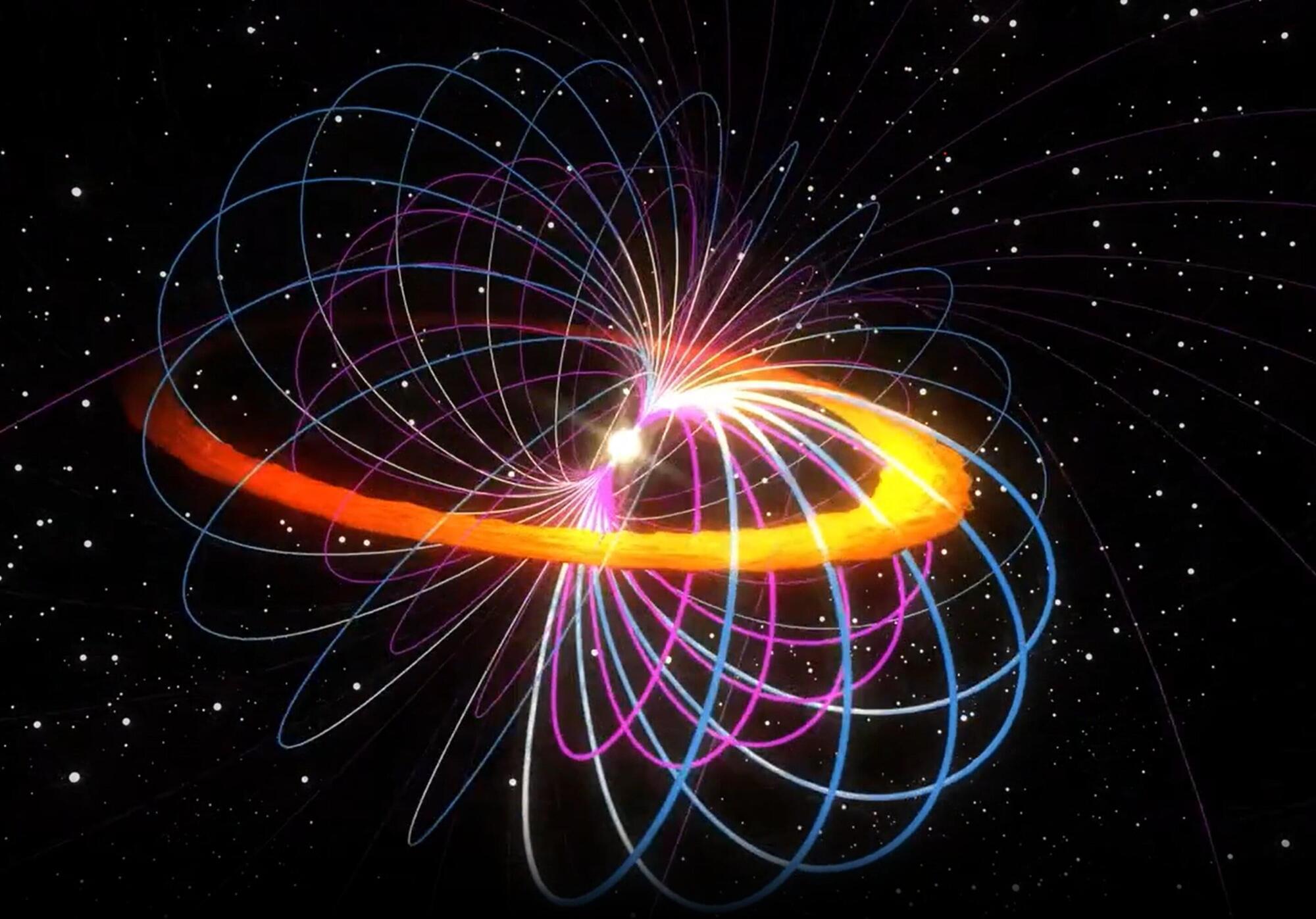
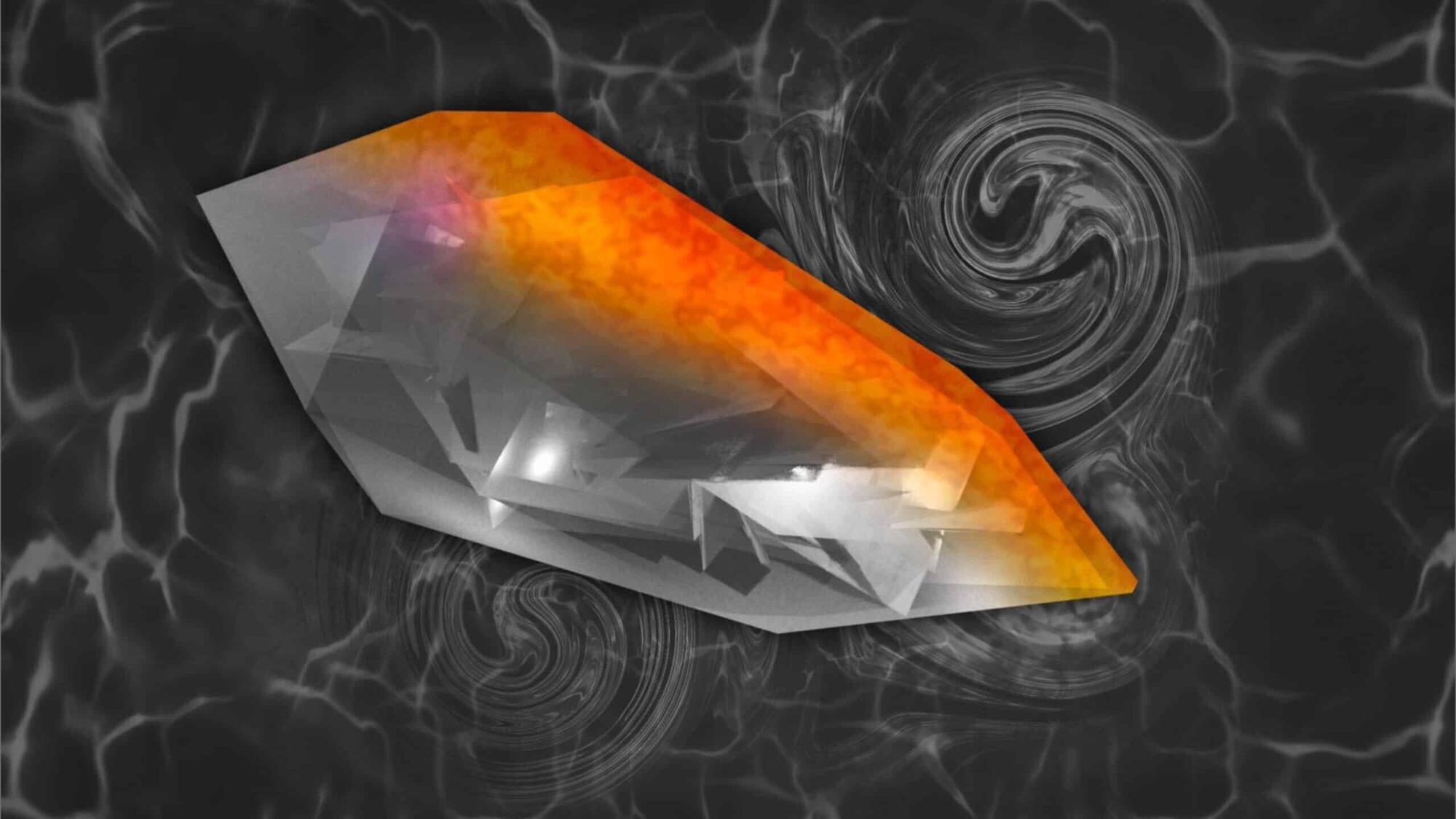
In about 5 to 8 billion years, our sun is expected to evolve into a white dwarf—an extremely dense, Earth-sized stellar remnant that has exhausted its fuel and shed its outer layer. But while our sun is a solitary star, research over the past 15 years has demonstrated that binary or multi-star systems are far more common than astronomers once thought. When a dense and compact remnant like a white dwarf is involved in a binary system, it often “snatches away” material from its companion star. This process, called accretion, usually emits X-rays in what is considered a “signature” signal.

Now, scientists from the group of Ilaria Caiazzo, assistant professor at the Institute of Science and Technology Austria (ISTA), confirm the detection of an X-ray signal in not just one, but two isolated objects called Gandalf and Moon-Sized. Highly magnetic and rapidly rotating, these two objects are called “merger remnants” as they each formed as a result of a violent cosmic collision. By emitting X-rays in the absence of a companion, they now form a new class of their own.

MXene breakthrough boosts conductivity 160x with perfect atomic order

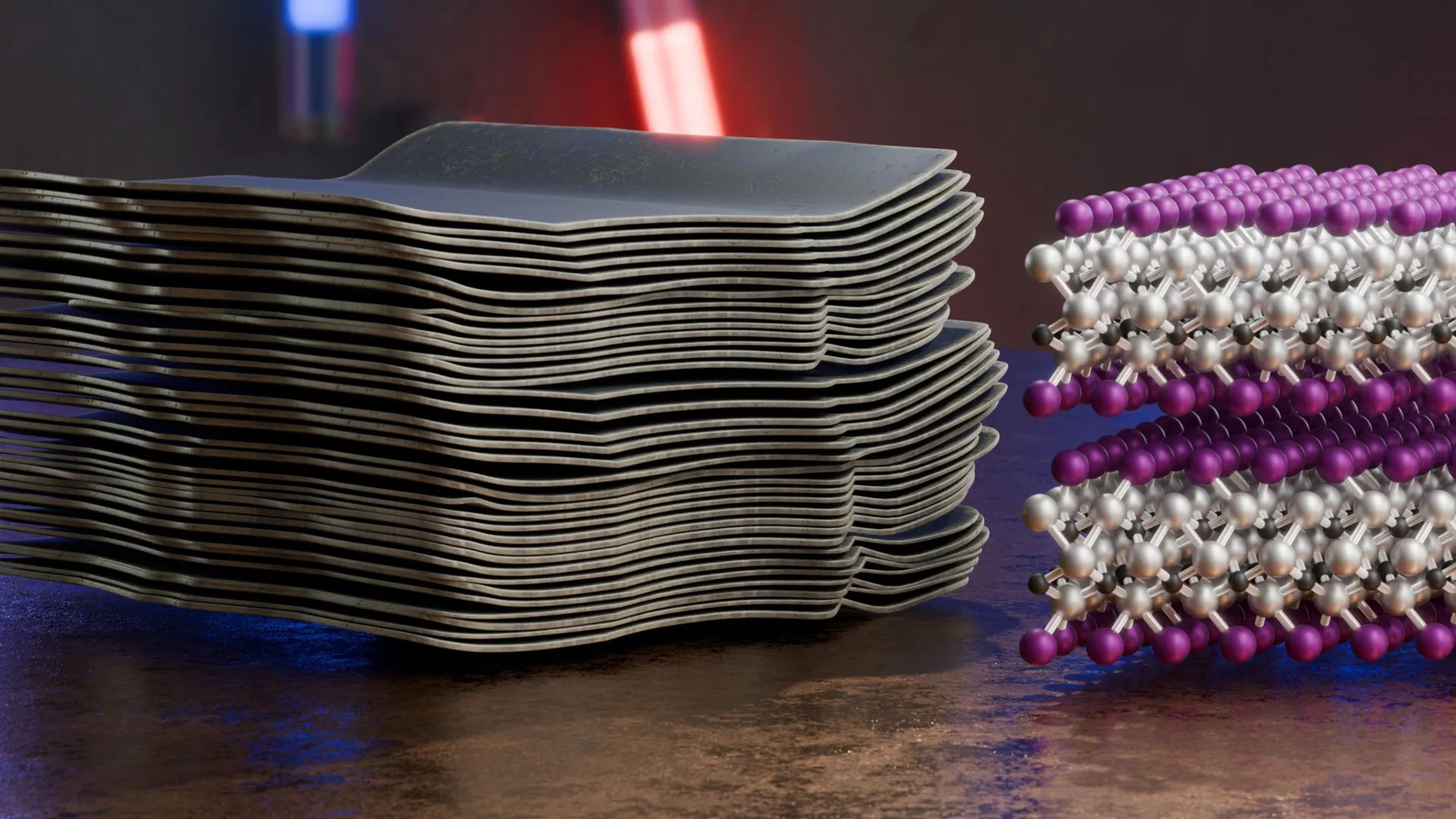
A new technique known as the GLS method takes a very different approach. Instead of relying on harsh chemicals, it starts with solid materials called MAX phases and uses molten salts along with iodine vapor to form MXene sheets. This process allows researchers to control which halogen atoms, including chlorine, bromine, or iodine, attach to the surface.

The result is a much cleaner material. The surface atoms are arranged in a uniform and highly ordered way, and unwanted impurities are greatly reduced. The team demonstrated the versatility of this approach by successfully producing MXenes from eight different MAX phases.

New genetic toolkit enables genome-wide analysis

Researchers at Cornell University have developed a powerful new genetic toolkit that allows scientists to study how genes function at the level of individual cells, an advance that could accelerate discoveries in development, neuroscience and disease.

The system builds on MAGIC (Mosaic Analysis by gRNA-Induced Crossing-over), a method originally created by the labs of Chun Han, associate professor in the Department of Molecular Biology and Genetics in the College of Agriculture and Life Sciences (CALS) and the Weill Institute for Cell and Molecular Biology. MAGIC uses CRISPR gene editing to generate individual mutant cells within otherwise normal tissue, enabling precise comparisons within a living organism.

In the new study, graduate researcher Yifan Shen expanded the approach into a genome-wide toolkit for Drosophila melanogaster, creating resources that work across all chromosomes and allow researchers to study genes that were previously difficult, or impossible, to analyze at single-cell resolution.

Scientists Discover Strange Property of Rice and Turn It Into a Smart Material

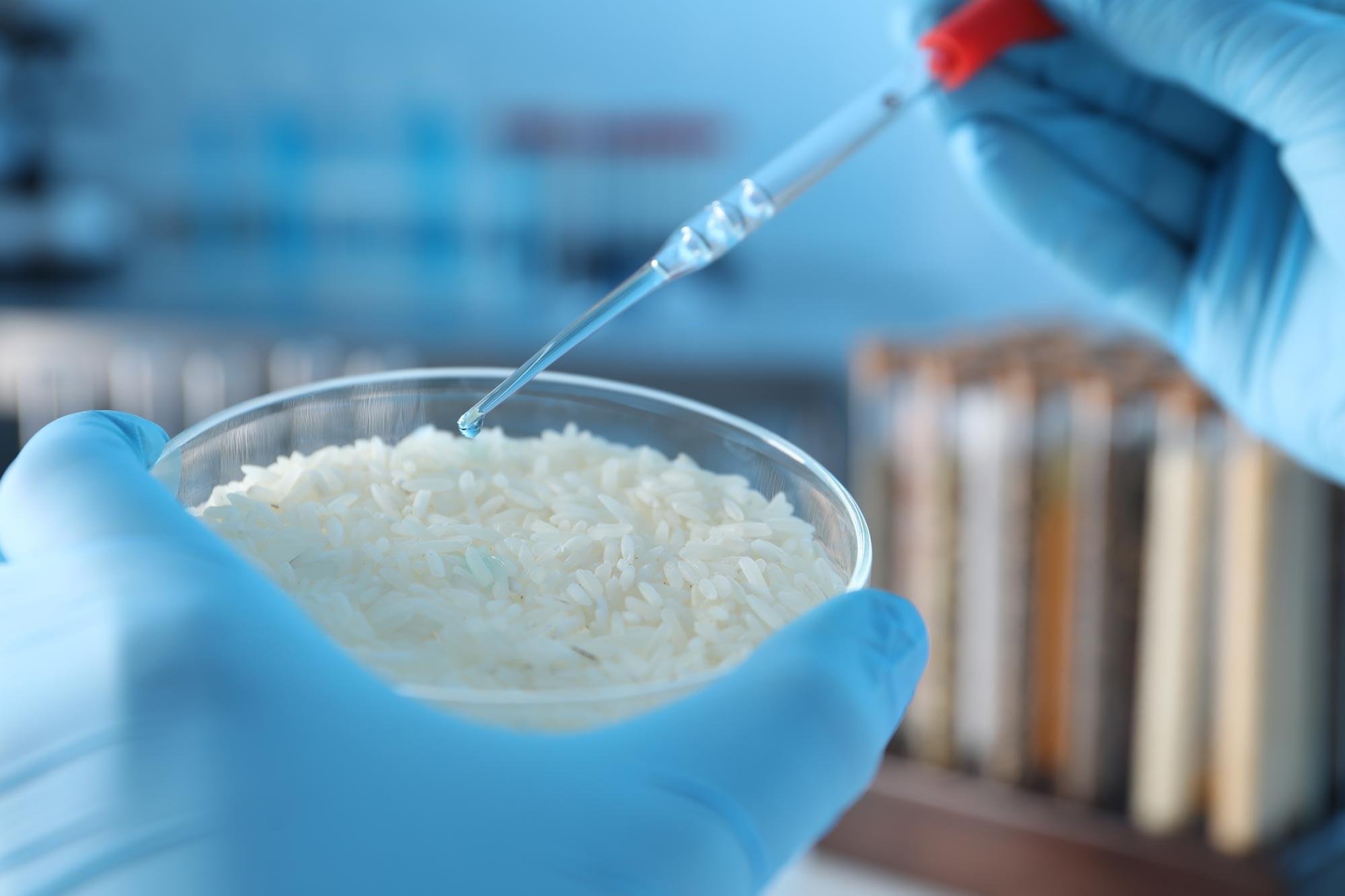
Rice behaves in an unexpected way under pressure. When compressed quickly, it becomes weaker, but under slow pressure it stays strong. This insight is helping scientists develop a new material that could be used in “soft” robots that automatically adjust stiffness, as well as protective gear that responds to how fast an impact occurs.

Using this property, researchers created a new type of “metamaterial,” an engineered structure designed to exhibit behaviors not found in natural materials.

/* */