Toggle light / dark theme

Ultra-efficient optical sensors can keep light circulating longer inside a microscopic chip

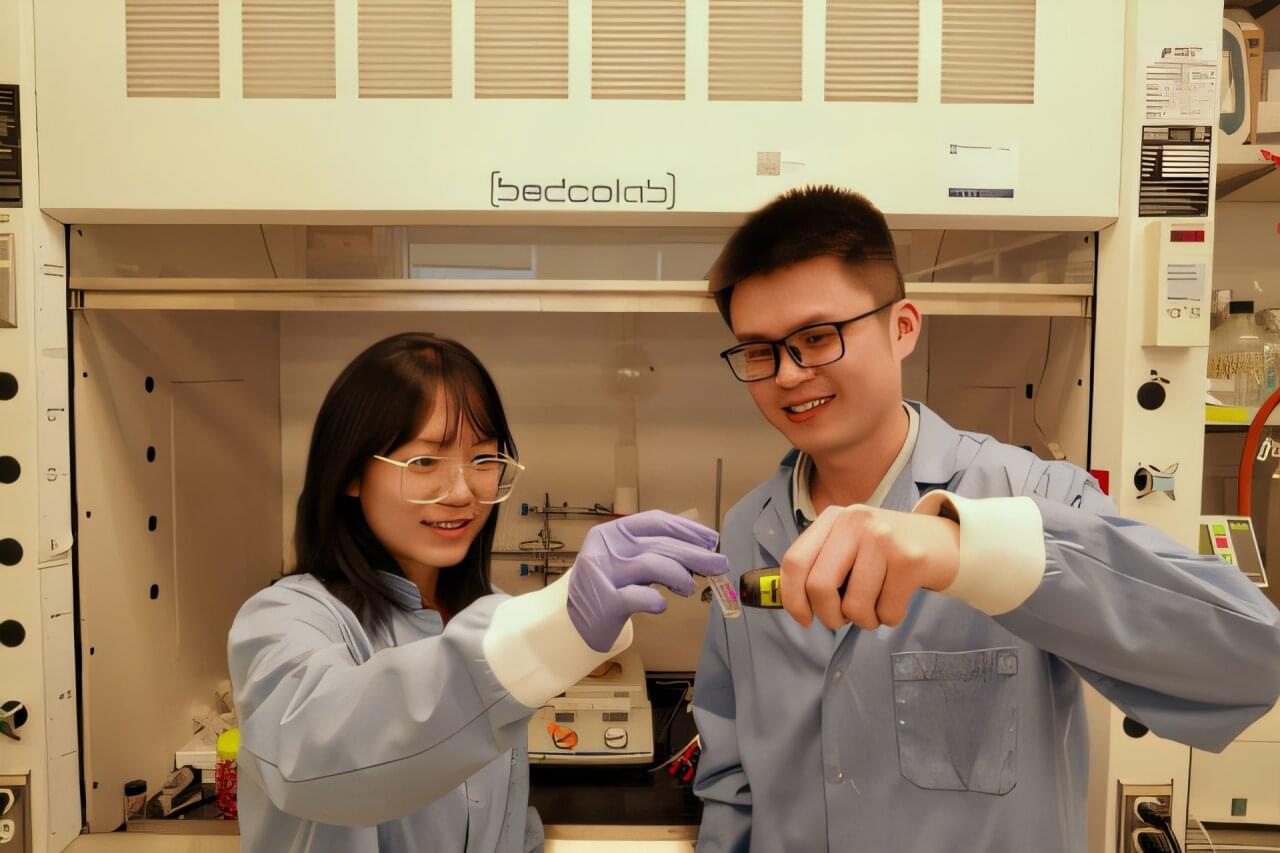
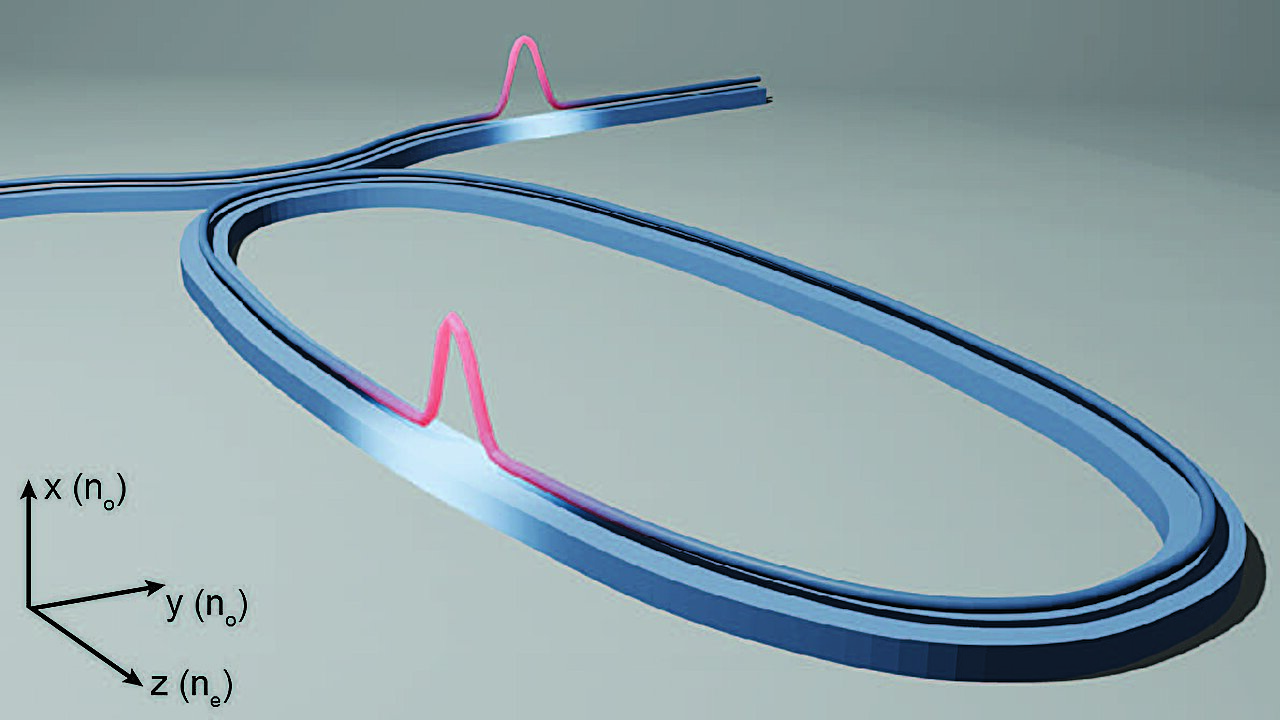
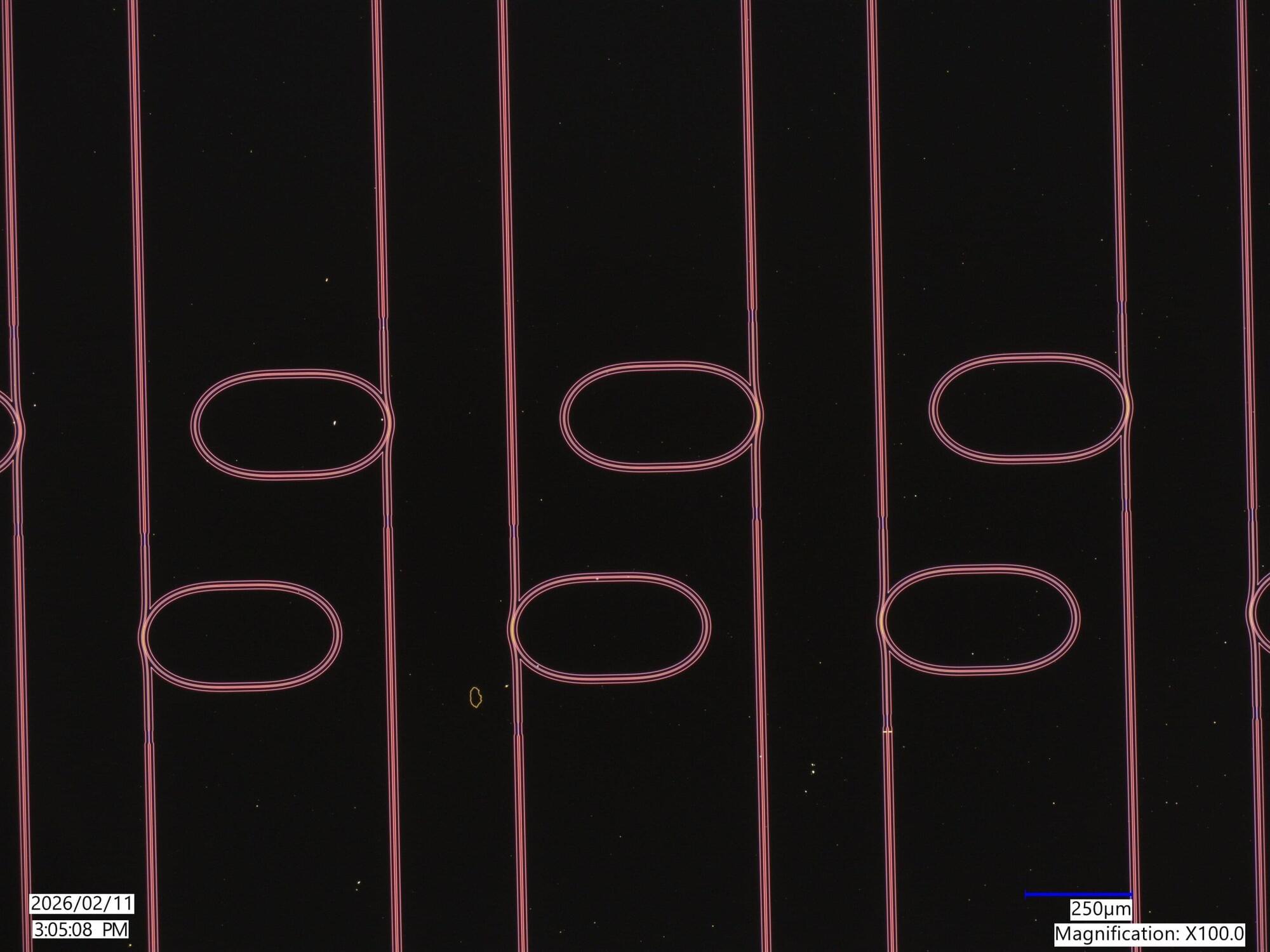
CU Boulder researchers have built high-performing optical microresonators, opening the door for new sensor technologies. At its simplest form, a microresonator is a tiny device that can trap light and build up its intensity. Once the intensity is high enough, researchers can perform unique light operations.

“Our work is about using less optical power with these resonators for future uses,” said Bright Lu, a fourth-year doctoral student in electrical and computer engineering and a lead author on the study. “One day these microresonators can be adapted for a wide range of sensors from navigation to identifying chemicals.”

For this endeavor, published in Applied Physics Letters, the team focused on “racetrack” resonators, named for their elongated shape that resembles a running track.
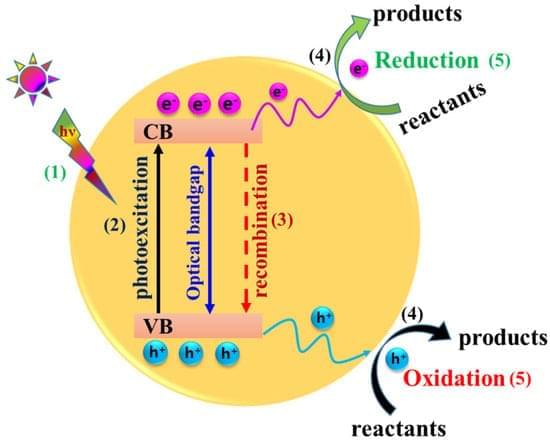
Core–Shell Engineering of One-Dimensional Cadmium Sulfide for Solar Energy Conversion

Fabricating efficient photocatalysts that can be used in solar-to-fuel conversion and to enhance the photochemical reaction rate is essential to the current energy crisis and climate changes due to the excessive usage of nonrenewable fossil fuels.

Eyes may be a window into early Alzheimer’s detection

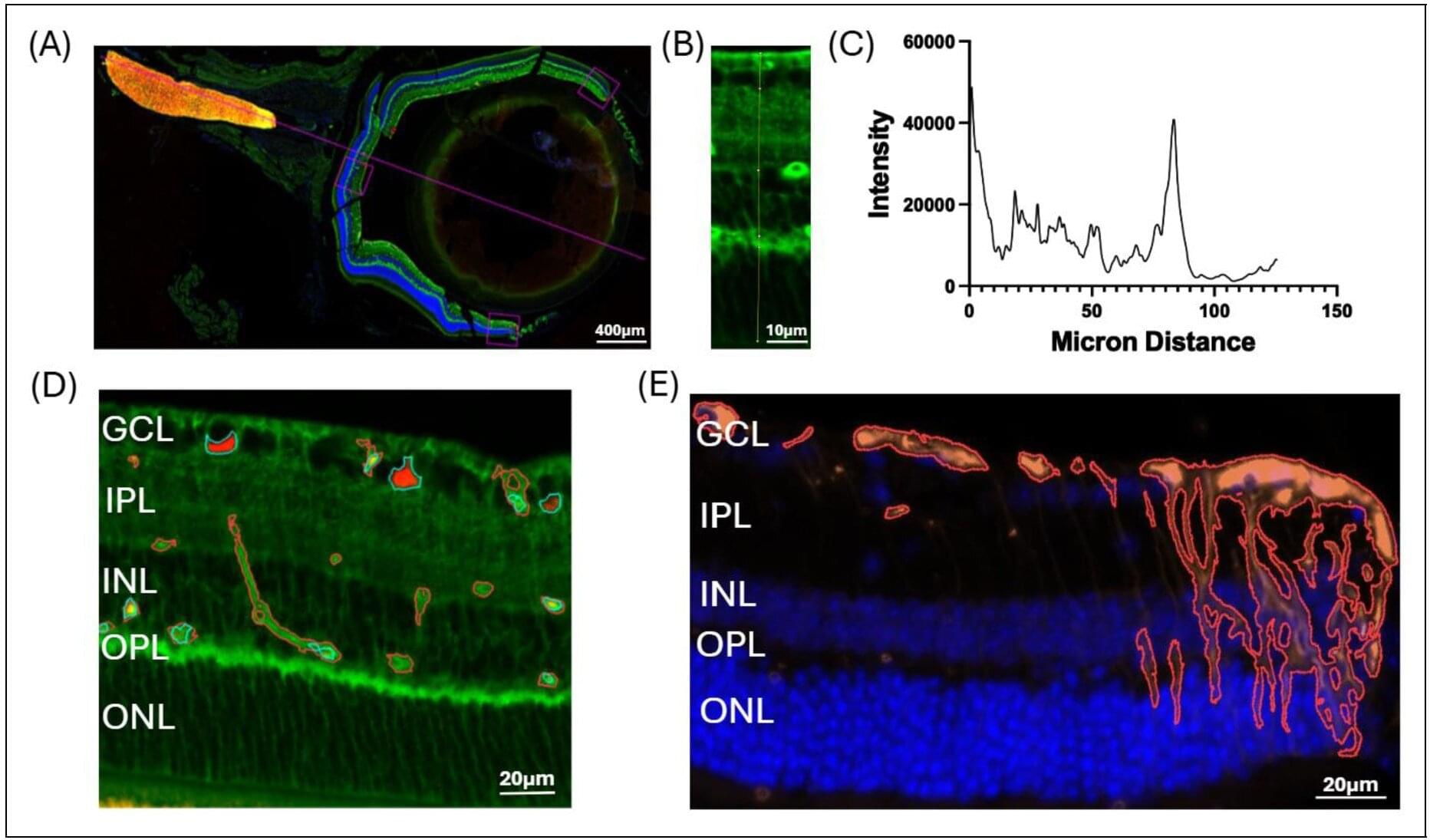
The eyes—specifically, the outer area of the retina—may provide a window into early detection of Alzheimer’s disease (AD) long before irreversible brain damage has occurred, according to new research from Houston Methodist. This discovery could dramatically change how the disease is diagnosed, monitored and treated.

“Retinal Müller glia alterations and their impact on ocular glymphatic clearance in an Alzheimer’s disease mouse model,” is online and will appear in an upcoming edition of the Journal of Alzheimer’s Disease. Led by Stephen Wong, Ph.D., the John S. Dunn Presidential Distinguished Chair in Biomedical Engineering at Houston Methodist and director of T. T. & W. F. Chao Center for BRAIN, the study reveals how the peripheral retina (versus the central retina) could be a window into early diagnosis of AD.

“The eyes are indeed a window into the brain, but our study reveals that we have been looking at the wrong part of the window,” Wong said. “While most clinical eye exams focus on the central retina, the most critical early indicators of AD appear to be hidden at the periphery of the eye. By identifying these retinal changes that occur before the brain’s ‘plumbing’ system fails, doctors may eventually be able to use routine eye exams to catch and treat the disease years before memory loss begins.”

Scientists Grew Mini Brains, Then Trained Them to Solve an Engineering Problem

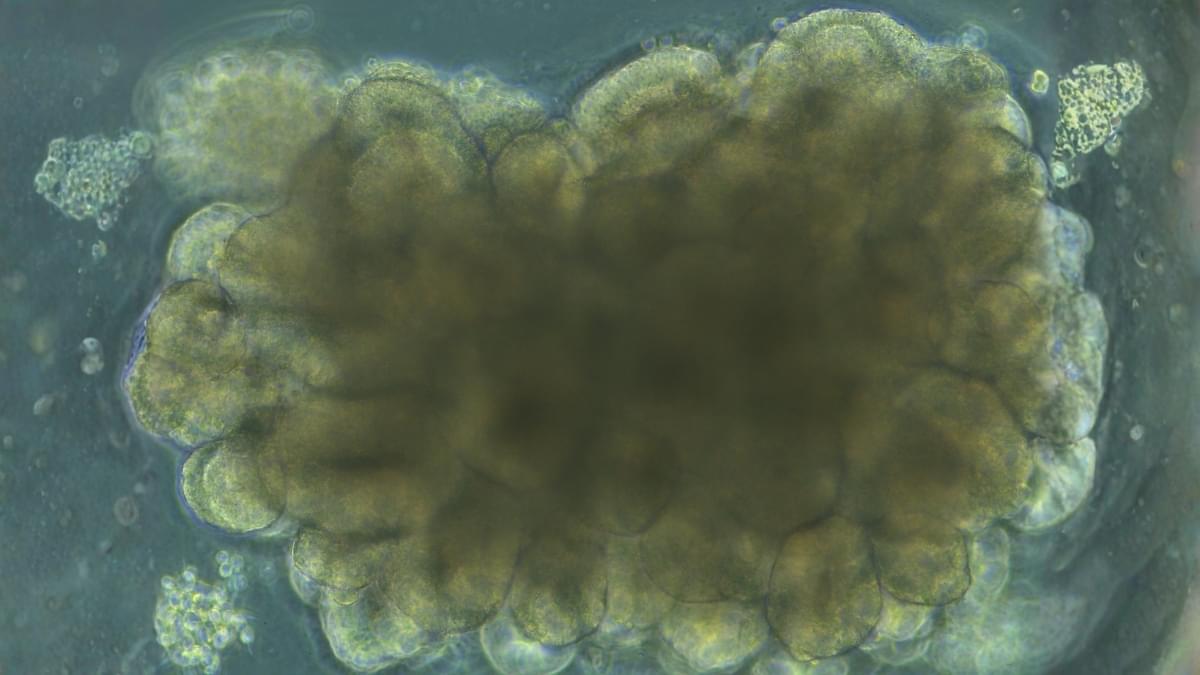
A few blobs of lab-grown brain tissue have demonstrated a striking proof of concept: living neural circuits can be nudged toward solving a classic control problem through carefully structured feedback.

In a closed-loop system that delivered electrical feedback based on performance, cortical organoids could steadily improve their control of a classic engineering benchmark: balancing an unstable virtual pole.

The improvement is far from a functioning hybrid biocomputer. But as a proof of concept, it shows that neural tissue in a dish can be adaptively tuned through structured feedback – a result that could help researchers probe how neurological disease alters the brain’s capacity for plasticity.

Engineered nanoparticles could deliver better targeted cancer treatment to lymph nodes

Scientists at McGill University and the Rosalind and Morris Goodman Cancer Institute have developed a new way to deliver cancer immunotherapy that caused fewer side effects compared to standard treatment in a preclinical study. The work is published in the journal Proceedings of the National Academy of Sciences.

The experimental approach is designed to treat cancer that has spread to the lymph nodes, a difficult-to-treat stage of the disease. Today, most immunotherapies are delivered by intravenous (IV) infusion and circulate throughout the body. This can trigger immune responses in healthy tissues, leading to serious side effects.

“Some immunotherapies cause such severe side effects that clinicians are forced to lower the dose, making treatment less effective,” said senior author Guojun Chen, Assistant Professor in McGill’s Department of Biomedical Engineering and member of the Goodman Cancer Institute. “Our approach could allow for higher, more effective doses while limiting toxicity, which is a major goal in cancer treatment.”

One stem cell generates 14 million tumor-killing NK cells in major cancer breakthrough

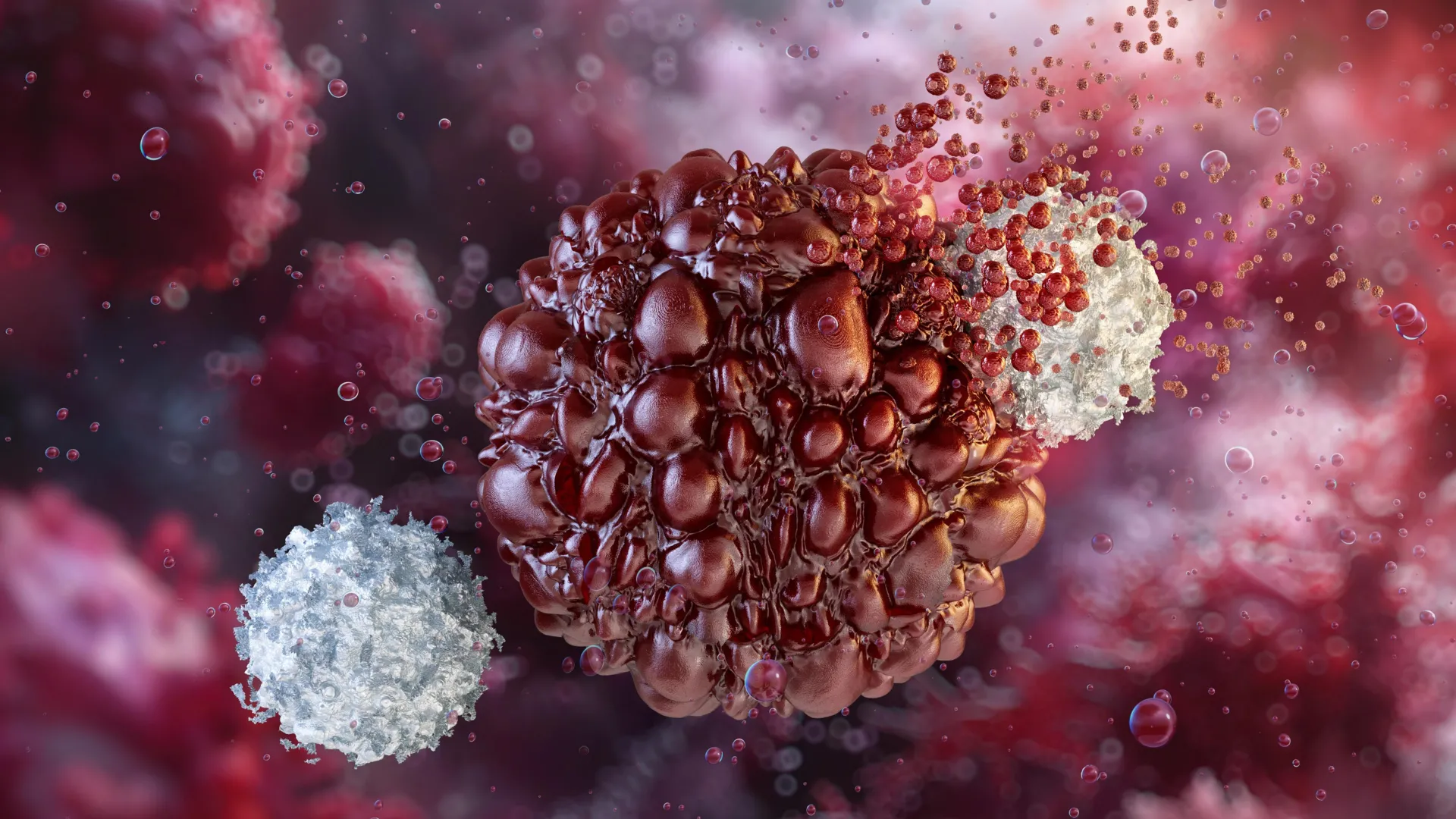
Scientists in China have unveiled a breakthrough way to mass-produce powerful cancer-fighting immune cells in the lab. By engineering early-stage stem cells from cord blood—rather than trying to modify mature natural killer (NK) cells—they created a streamlined process that generates enormous numbers of highly potent NK cells, including CAR-equipped versions designed to hunt specific cancers.

New chip-scale microcomb uses lithium niobate to generate evenly spaced light

Applied physicists in the Harvard John A. Paulson School of Engineering and Applied Sciences (SEAS) have discovered a new way to generate ultra-precise, evenly spaced “combs” of laser light on a photonic chip, a breakthrough that could miniaturize optical platforms like spectroscopic sensors or communication systems.

The research was led by Marko Lončar, the Tiantsai Lin Professor of Electrical Engineering and Applied Physics at SEAS, and published in Science Advances. The paper’s first author is Yunxiang Song, a graduate student in Quantum Science and Engineering.

Israeli professor leads int’l team behind implantable device that could eliminate need for insulin shots

Assistant Professor Shady Farah from the Technion – Israel Institute of Technology’s Faculty of Chemical Engineering – has led an international research team that pioneered the development of an implantable, self-regulating device that produces insulin for patients with diabetes. The research is considered groundbreaking and could potentially eliminate the need for daily insulin shots.

The multinational study was conducted in cooperation with scientists from leading U.S. institutions, including the Massachusetts Institute of Technology (MIT), Harvard University, Johns Hopkins University and the University of Massachusetts.

The study, published last month in Science Translational Medicine, describes the implant as a self-regulating ‘artificial pancreas’ that monitors blood glucose levels and produces insulin internally, eliminating the need for external insulin shots. The researchers describe the technology as a ‘crystalline shield’ and report that it can operate in the body for years.


Technion researchers developed an implantable artificial pancreas that produces insulin, potentially eliminating daily shots for diabetes patients.

Helion hits new fusion milestone: D-T fusion and 150M°C plasma temperatures

Helion has achieved a significant milestone in fusion energy by successfully demonstrating deuterium-tritium fusion with plasma temperatures reaching 150 million degrees Celsius.

## Questions to inspire discussion.

Fusion Performance Achievements.

🔥 Q: What fusion performance records did Helion’s Polaris achieve?

A: Polaris became the first privately funded fusion machine to demonstrate measurable deuterium-tritium (DT) fusion while reaching plasma temperatures exceeding 150 million degrees Celsius, proving the ability to compress and hold fusion plasma for more pressure, more heat, and more fusion.

Operational Execution.

Committee co-chaired by Prof. Dava Newman issues a new roadmap for human missions to Mars

On December 9, the National Academies of Sciences, Engineering, and Medicine (NASEM) released a landmark report, A Science Strategy for the Human Exploration of Mars, laying out a comprehensive case for future crewed Mars missions. The report, authored by the Committee on a Science Strategy for the Human Exploration of Mars that was co-chaired by Prof. Dava Newman, defines the highest-priority scientific objectives for humans on the Martian surface.

At the top of the list: searching for evidence of past or present life. “We’re searching for life on Mars,” said Newman in an interview with Ars Technica. “The answer to the question ‘are we alone?’ is always going to be ‘maybe,’ unless it becomes yes.”

The report identifies 11 top science goals for initial human missions, including biosignature/habitability experiments and water and CO₂ cycle studies, geology mapping, radiation monitoring, dust-storm research, and assessments of how Martian conditions affect humans and ecosystems.

/* */