Toggle light / dark theme

From pathology image to biological discovery: LazySlide uses foundation models to connect tissue images and RNA data

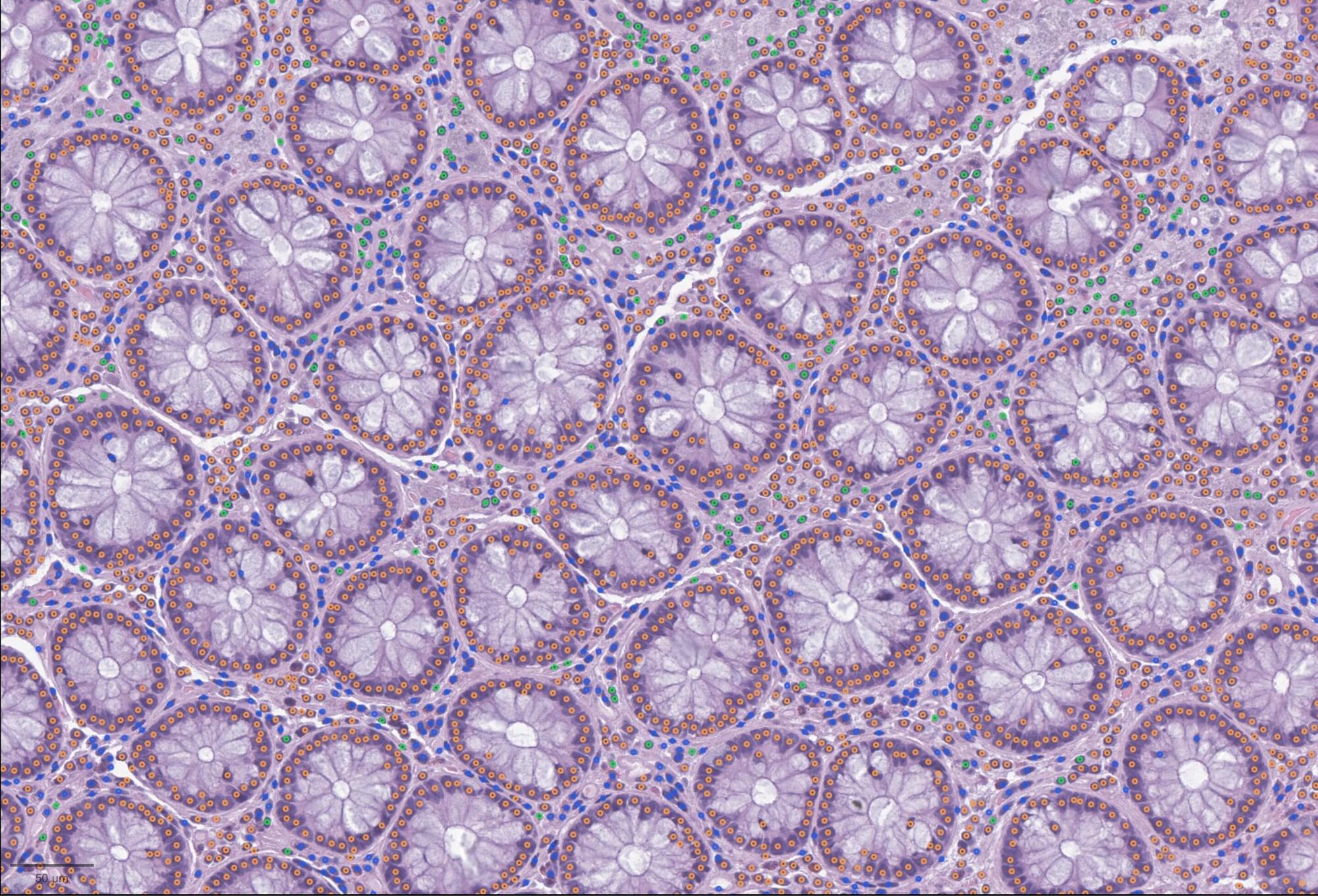
Microscopic images of human tissue are a cornerstone of biomedical research and clinical diagnostics. Yet despite their importance, these images often remain difficult to analyze systematically and to connect with other types of biological data. A new study led by CeMM Principal Investigator André Rendeiro and published in Nature Methods introduces “LazySlide,” an open-source software tool that brings the power of foundation models and aims to democratize digital pathology analysis.

Whether it’s an inflamed artery, a tumor spreading into the lung or subtle damage in an organ, when doctors or researchers want to understand what’s happening inside a tissue, one of the most trusted tools is still the microscope. Today, they have largely gone digital: A single tissue sample can be scanned into a whole-slide image so detailed that one can zoom from a bird’s-eye view of the entire tissue down to individual cells. These images, therefore, contain enormous information about tissues from different scales.

However, these images are huge, complex, and often difficult to analyze in a modern, data-driven way. While genetics and single-cell biology have developed effective ways for sharing and comparing data, digital pathology images are hard to incorporate—stored in proprietary formats, processed with incompatible tools, and hard to connect to molecular information like RNA sequencing. Thus, the valuable resources of digitalized tissue images are largely underutilized in many research and clinical settings.
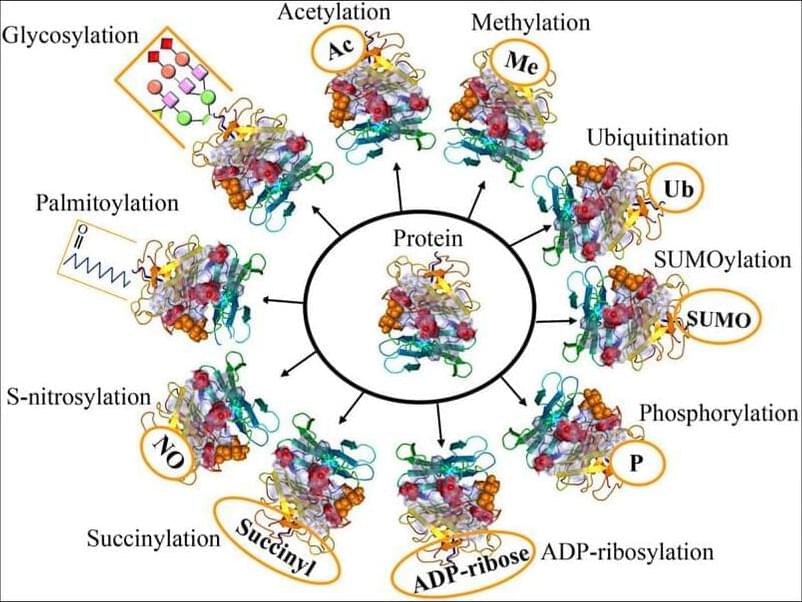
Protein modification in neurodegenerative diseases

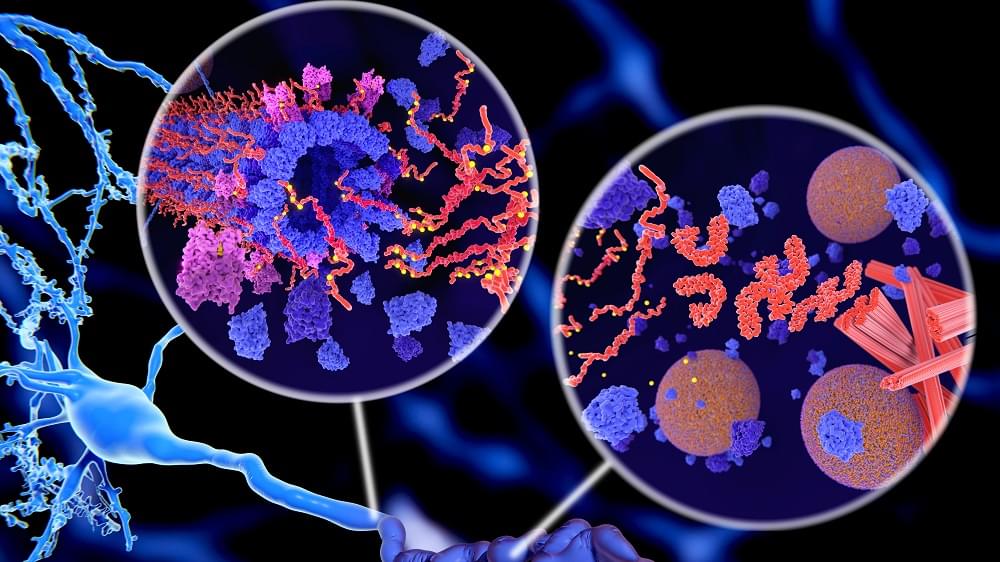
The graphical abstract showcases the diversity of posttranslational modifications (PTMs) influencing protein structure and function. It features schematic representations of the following 10 prominent PTMs: phosphorylation (addition of phosphate groups), acetylation (addition of acetyl groups), methylation (addition of methyl groups), SUMOylation (attachment of SUMO proteins), ubiquitylation (attachment of ubiquitin molecules), succinylation (addition of succinyl groups), S-nitrosylation (attachment of NO), ADP-ribosylation (addition of ADP-ribose groups), glycosylation (addition of sugar molecules), and palmitoylation (attachment of palmitate groups).

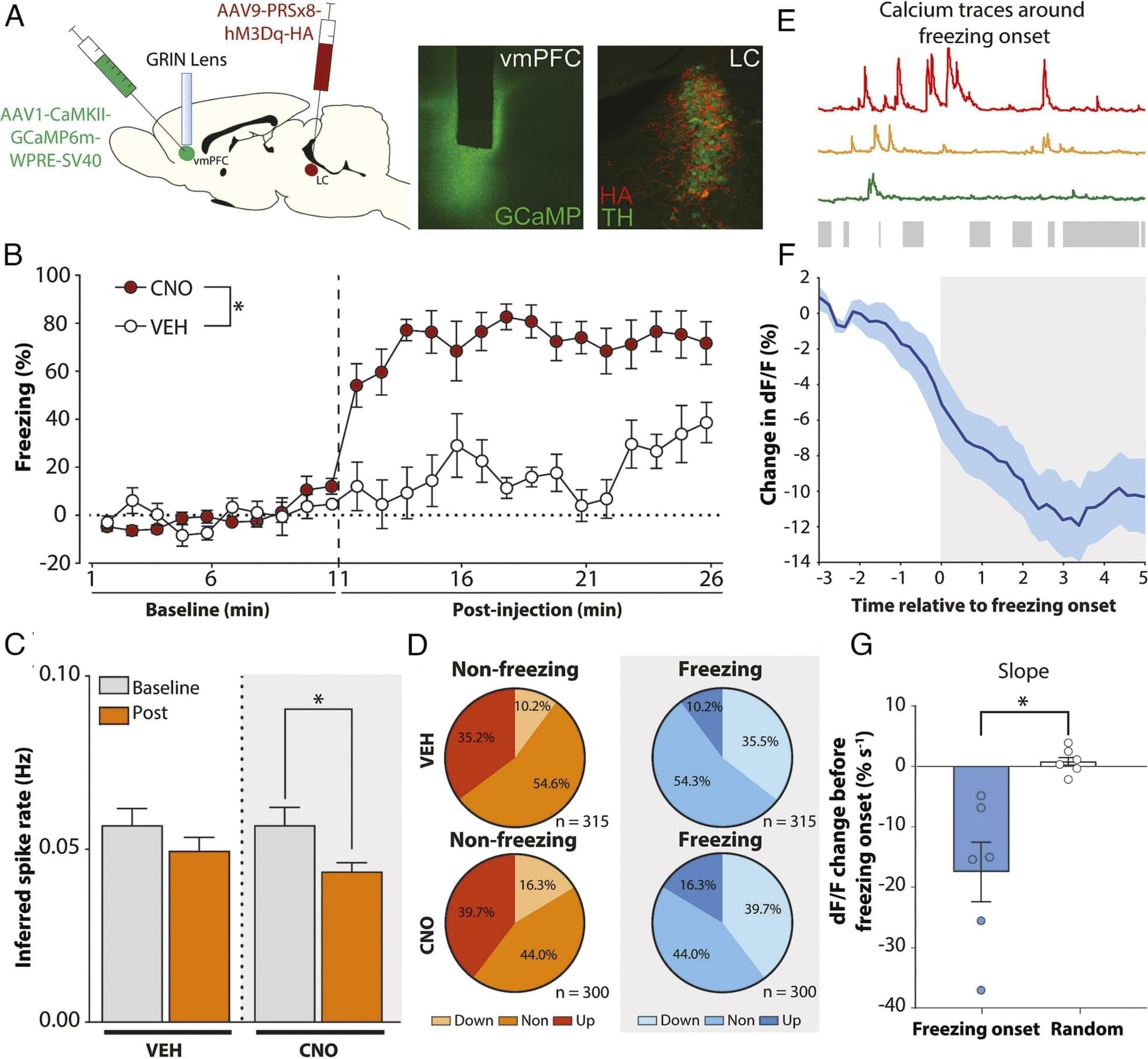
Locus coeruleus–amygdala circuit disrupts prefrontal control to impair fear extinction

One of the most-viewed PNAS articles in the last week is “Locus coeruleus–amygdala circuit disrupts prefrontal control to impair fear extinction.” Explore the article here: https://ow.ly/yFH250Ywubb.

For more trending articles, visit https://ow.ly/tZsG50Ywubg.


Stress undermines extinction learning and hinders exposure-based clinical therapies for a variety of neuropsychiatric disorders. In both animals and humans, dysfunction in the ventromedial prefrontal cortex (vmPFC) contributes to stress-impaired extinction, but the neural circuit by which stress modulates vmPFC function is not known. We hypothesize that locus coeruleus (LC) norepinephrine undermines extinction learning by recruiting projections from the basolateral amygdala (BLA) to vmPFC. Using a combination of circuit-specific chemogenetics and calcium imaging, we find that activation of LC noradrenergic neurons mimics a behavioral stressor (footshock), induces freezing behavior, reduces spontaneous neuronal activity in the vmPFC, impairs extinction learning, and alters the population dynamics of vmPFC ensembles.

Liver Stiffness and All-Cause Mortality in Individuals With Diabetes

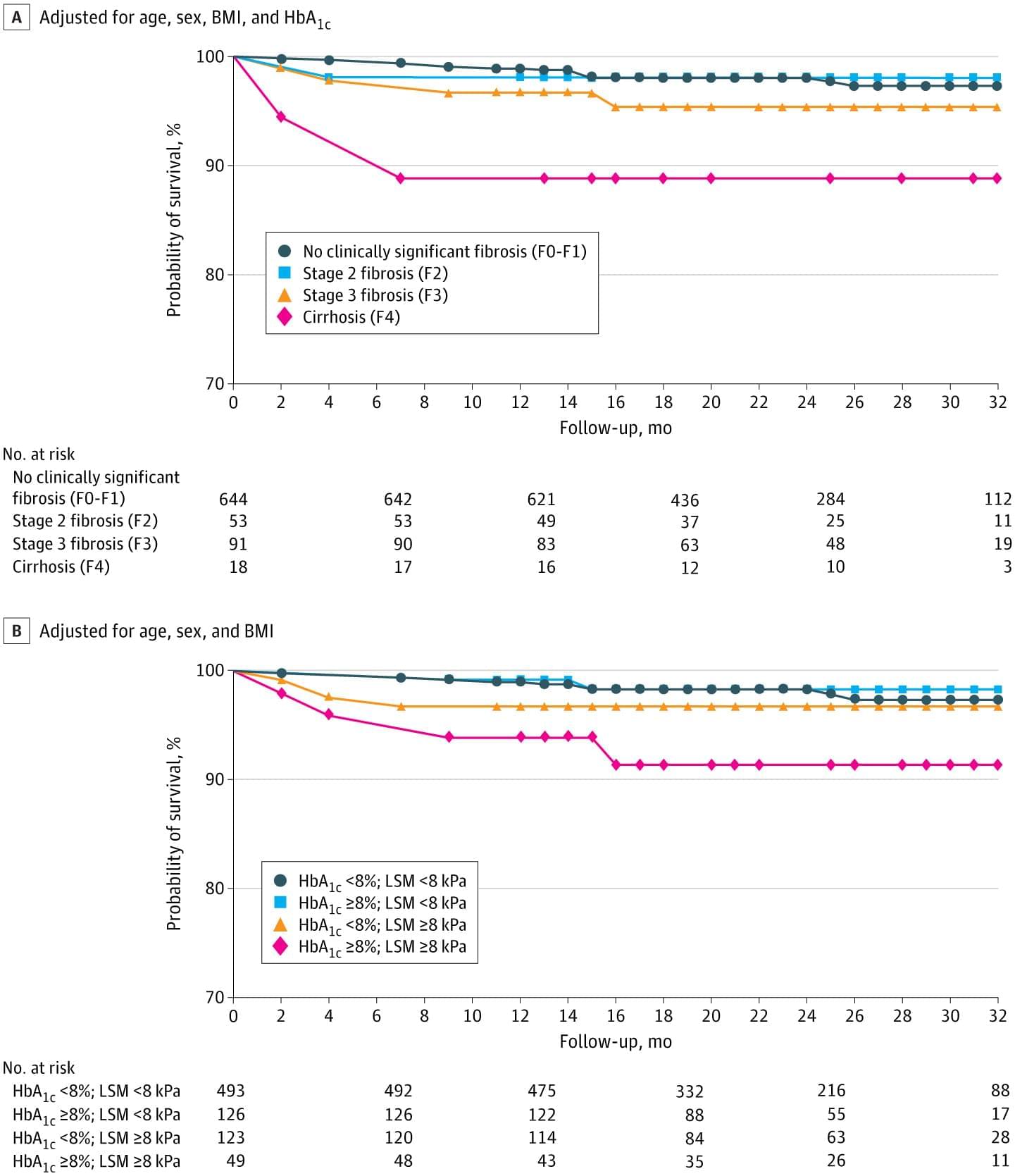
Liver stiffness identified by elastography was linked to a greater risk of death among adults with diabetes, suggesting elastography may help identify high-risk individuals.


Question Is a higher liver stiffness measurement (LSM), which indicates liver fibrosis, associated with an increase in all-cause mortality in unselected patients with diabetes?

Findings In this cohort study of 4,102 adults, high LSM was an independent risk factor for all-cause mortality in diabetes, even after a relatively short follow-up. Moreover, the coexistence of liver fibrosis and uncontrolled hemoglobin A1c level was associated with a higher risk of all-cause mortality compared with each condition individually.

Meaning Findings of this study suggest that using LSM to screen for liver fibrosis as part of routine diabetes management could aid in early identification of patients with high mortality risk.

Building a better, more precise droplet

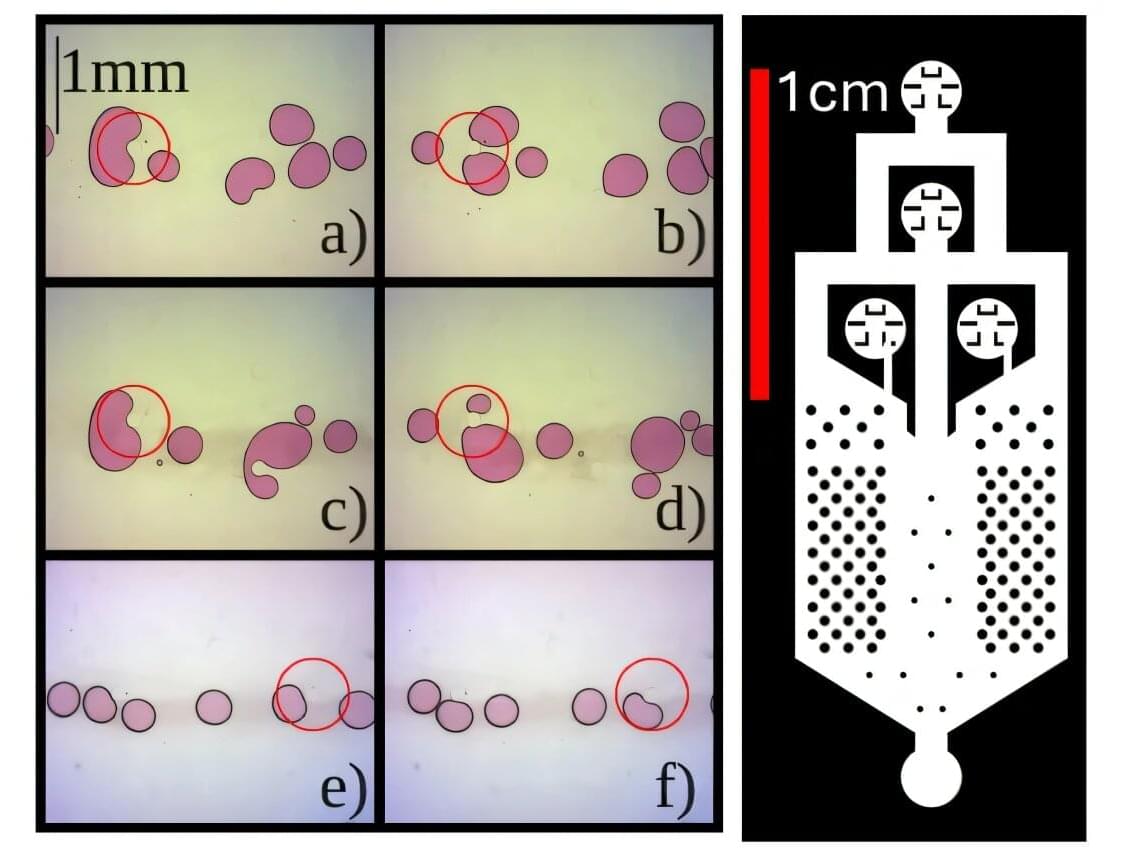
A humble droplet can be an immensely useful tool for a number of fields, from medicine to manufacturing. Controlling the size of the droplet, though, is an important—and very tricky—task. With unprecedented precision, a team of researchers determined how droplets break up into smaller ones, at what size, and under what conditions. The results of this study are published in Soft Matter.

“Droplets can be used as microcontainers that encapsulate small amounts of fluid and other components,” said Prof. Corey O’Hern, who led the study. Because of that, he said, they can be used to deliver drugs to the body, or to find the genomic signatures of a single cell.

“Another cool application involves microreactors. You can put different concentrations of chemical species into the droplet, allow them to mix, and determine how they react.”

Using mRNA to Fight Tau Aggregation in Alzheimer’s

Researchers publishing in Cell Reports Medicine have described the development of a lipid nanoparticle (LNP) that delivers mRNA to neurons in order to stop the formation of tau aggregates and fight Alzheimer’s disease.

Tau and amyloids

Amyloid beta deposition between neurons and tau aggregation within neurons are both hallmarks of Alzheimer’s disease, and evidence suggests that the latter is potentially more significant than the former [1]. While some potential therapies have been discovered that may disaggregate these tau tangles after they have formed [2], no therapy has yet been approved by the FDA to do this.

How ageing promotes metastasis

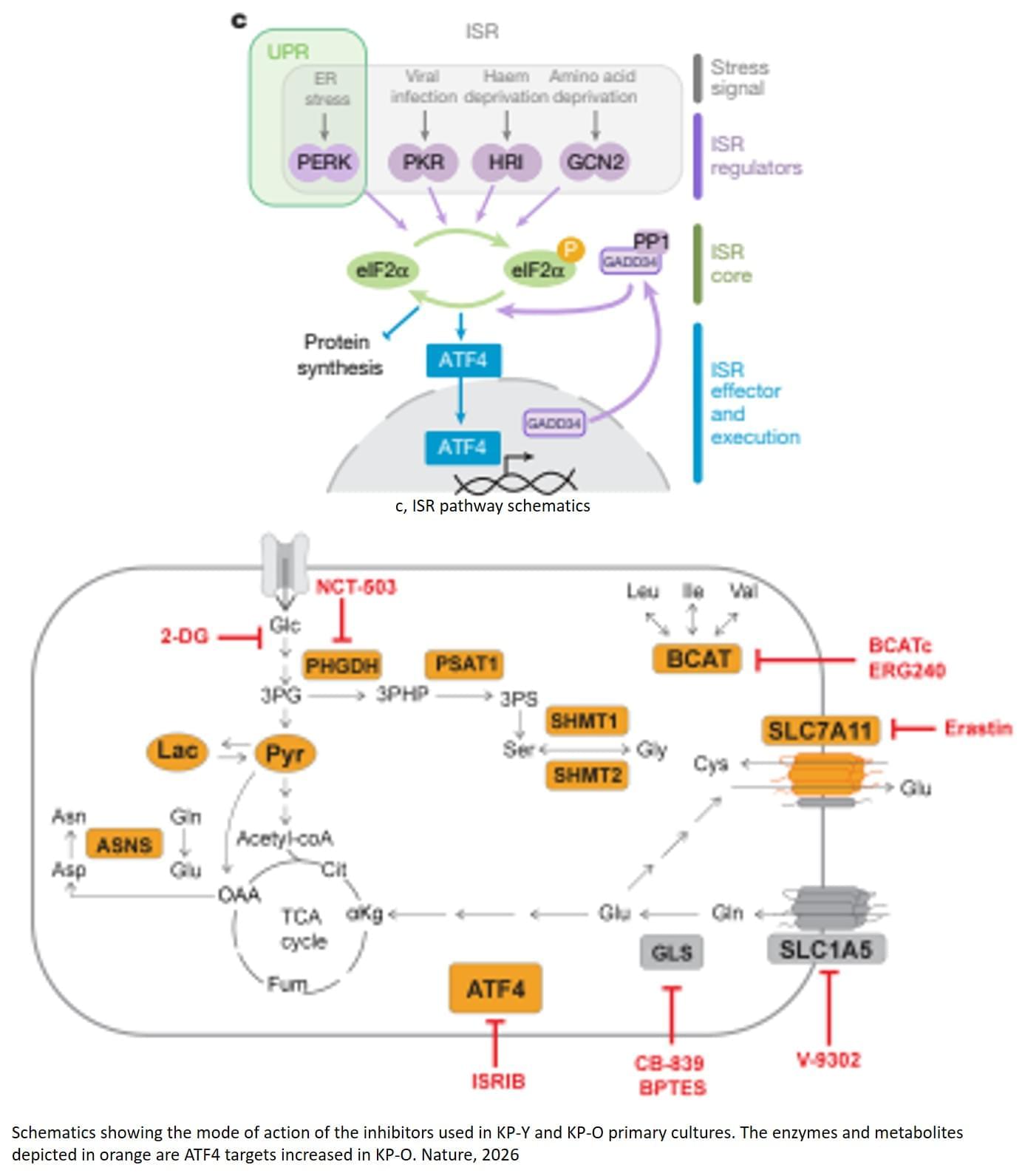
The study shows how aging alters the biology of lung cancer and makes tumors more prone to spreading. The researchers identified a molecular signaling pathway, a complex chain of reactions and interactions, in which a specific stress-response protein, ATF4, plays a central role.

Under normal physiological conditions, ATF4 acts as a hub for the “integrated stress response” that responds to events such as nutrient deprivation, viral particles, or the accumulation of misfolded proteins, activating protective and corrective responses, explains the author.

“In older patients, this stress response is hijacked by the tumor, allowing cancer cells to reprogram their metabolism. The tumor does not grow faster, but this metabolic rewiring enables the cancer cells to spread and form metastases in other parts of the body,” the author says.

Tumors from older individuals in the study, both mice and humans, showed higher levels of ATF4. High ATF4 levels were also associated with increased recurrence after lung surgery and poorer survival among patients with lung adenocarcinoma, the most common form of lung cancer.

“Our results suggest that ATF4 is not only part of the mechanism behind the spread of lung cancer but may also serve as a marker of more aggressive disease,” says another author.

The study opens the door to a treatment strategy targeting the age-related signaling system that the tumor has hijacked. By blocking ATF4, or a specific metabolic process controlled by ATF4, with drugs, the researchers were able to dramatically reduce the spread of old tumors in mice.

Previously, it has been unclear why studies using similar drugs have largely failed when tested in humans. The new findings suggest that these treatments may need to be targeted more precisely to the right patient groups. ScienceMission sciencenewshighlights.

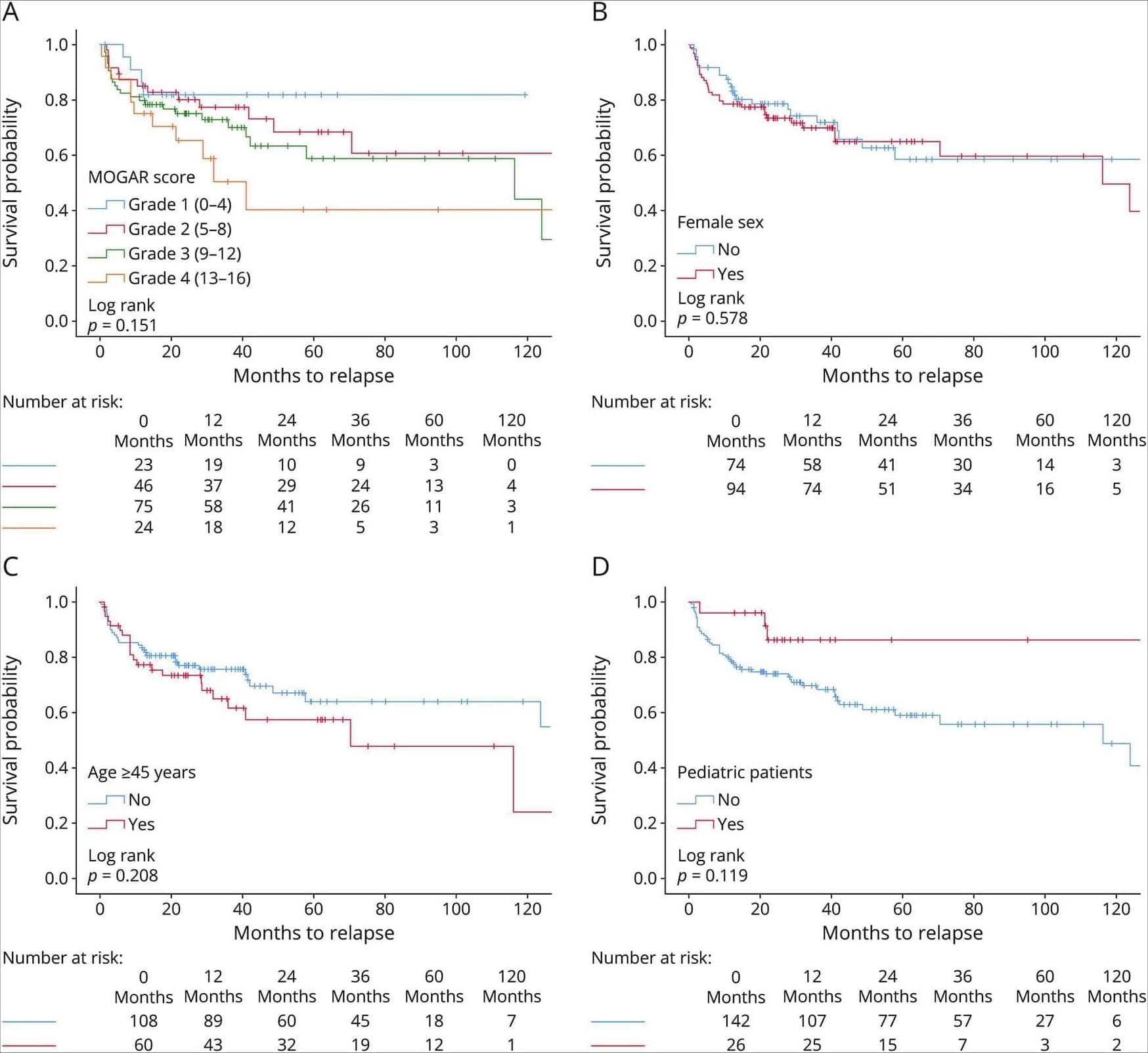
Validation of the MOG-AR ScoreA Retrospective Multicenter Study

Validation of the MOG-AR score: a retrospective multicenter study.


Recently, a simple score (the MOG-AR Score), including onset age, sex, onset attack phenotype, use of immunosuppressive therapy, and duration of oral glucocorticoids treatment, has been proposed to identify patients at high relapse risk since onset.11

The aim of this study was to provide the first validation of the MOG-AR Score in a national multicenter cohort and to assess other factors associated with a relapsing disease.

/* */