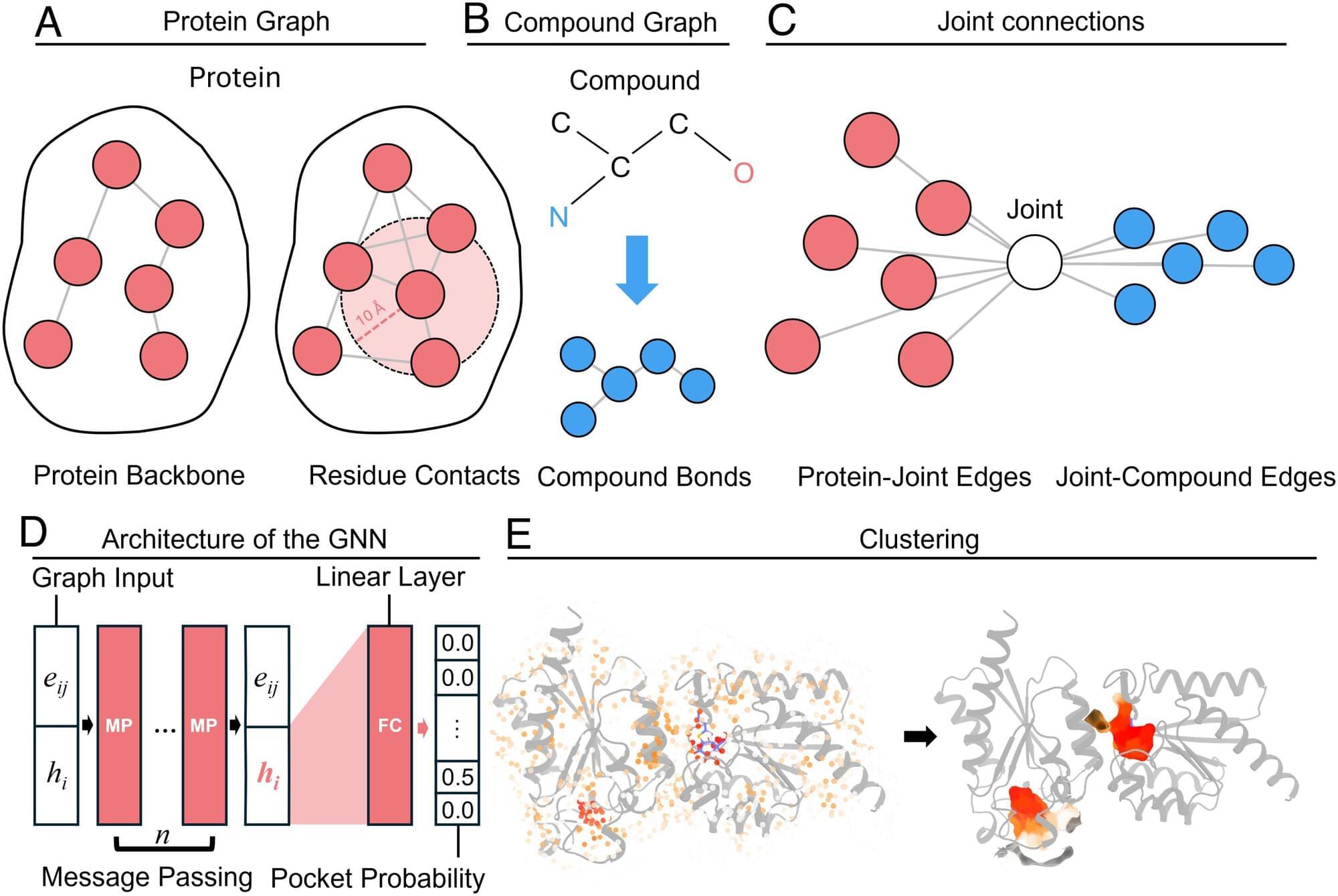
University of Virginia School of Medicine scientists have developed a bold new approach to drug development and discovery that could dramatically accelerate the creation of new medicines. UVA’s Nikolay V. Dokholyan, Ph.D., and colleagues have developed a suite of artificial intelligence-powered tools, called YuelDesign, YuelPocket and YuelBond, that work together to transform how new drugs are created. The centerpiece, YuelDesign, uses a cutting-edge form of AI called diffusion models to design new drug molecules tailored to fit their protein targets exactly, even accounting for the way proteins flex and shift shape during binding.
A companion tool, YuelPocket, identifies exactly where on a protein a drug can attach, while YuelBond ensures the chemical bonds in designed molecules are accurate. Together, the approach is poised to improve both how new drugs are designed and how quickly and efficiently existing drugs can be evaluated for new purposes.
“Think of it this way: Other methods try to design a key for a lock that’s sitting perfectly still, but in your body, that lock is constantly jiggling and changing shape. Our AI designs the key while the lock is moving, so the fit is much more realistic,” said Dokholyan, of UVA’s Department of Neurology. “This could make a real difference for patients with cancer, neurological disorders and many other conditions where we desperately need better drugs targeting these wiggly proteins but keep hitting dead ends.”