Toggle light / dark theme

Scientists Believe Quantum Computers AreAbout to Cross a Major Line

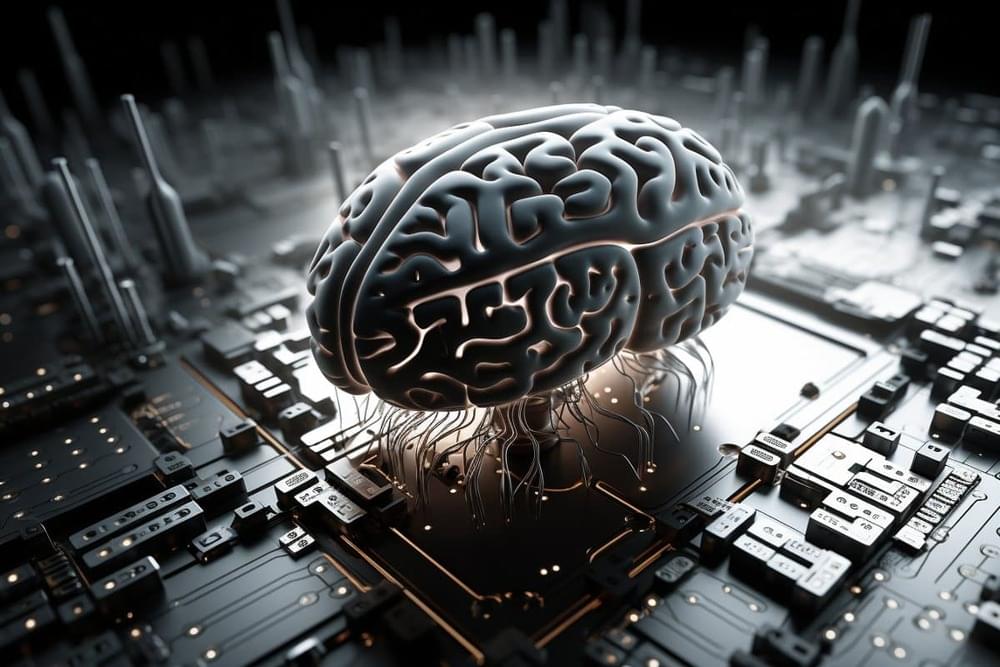
We began this inquiry by looking at the mismatch between our computers and our brains. We realized that we were trying to run biological software on the wrong hardware. That era is ending. As we refine these quantum processors, we are finally building a mirror that is accurate enough to reflect the true nature of the mind. We are not just building faster computers. We are building a vessel that can hold the physics of thought.

▀▀▀▀▀▀
Timestamps:
0:00 Quantum Computers.
1:18 The Scale Problem.
4:40 The Thermodynamic Wall.
8:11 Quantum Mechanics in Wetware.
13:58 The \

Scientists Grew Mini Brains, Then Trained Them to Solve an Engineering Problem

A few blobs of lab-grown brain tissue have demonstrated a striking proof of concept: living neural circuits can be nudged toward solving a classic control problem through carefully structured feedback.

In a closed-loop system that delivered electrical feedback based on performance, cortical organoids could steadily improve their control of a classic engineering benchmark: balancing an unstable virtual pole.

The improvement is far from a functioning hybrid biocomputer. But as a proof of concept, it shows that neural tissue in a dish can be adaptively tuned through structured feedback – a result that could help researchers probe how neurological disease alters the brain’s capacity for plasticity.

Frontiers: Psoriasis is a complex, chronic relapsing and inflammatory skin disorder with a prevalence of approximately 2% in the general population worldwide

Psoriasis can be triggered by infections, physical injury and certain drugs. The most common type of psoriasis is psoriasis vulgaris, which primarily features dry, well-demarcated, raised red lesions with adherent silvery scales on the skin and joints. Over the past few decades, scientific research has helped us reveal that innate and adaptive immune cells contribute to the chronic inflammatory pathological process of psoriasis. In particular, dysfunctional helper T cells (Th1, Th17, Th22, and Treg cells) are indispensable factors in psoriasis development. When stimulated by certain triggers, antigen-presenting cells (APCs) can release pro-inflammatory factors (IL-23, IFN-α and IL-12), which further activate naive T cells and polarize them into distinct helper T cell subsets that produce numerous cytokines, such as TNF, IFN-γ, IL-17 and IL-22, which act on keratinocytes to amplify psoriatic inflammation. In this review, we describe the function of helper T cells in psoriasis and summarize currently targeted anti-psoriatic therapies.

Psoriasis is a complex, chronic relapsing and inflammatory skin disorder with an overall prevalence of 2% in the general population worldwide (1). The most common type of psoriasis is psoriasis vulgaris, which primarily manifests as dry, well-demarcated, raised red lesions with adherent silvery scales on the skin and joints and accounts for nearly 90% of all psoriasis cases. Psoriasis is also associated with multiple comorbidities, such as arthritis, obesity, diabetes mellitus, depression, hypertension, cardiovascular disease, and reduced quality of life (2).

Although the exact mechanism that triggers psoriasis remains unclear, it is currently accepted that psoriasis is induced or exacerbated by either nonspecific triggers, such as infections [such as Streptococcus ], physical injury [such as scratching and tattoos ], drugs [such as β blockers, lithium and antimalarials (5, 6)] or some specific autoantigens [such as cathelicidin LL-37, melanocytic ADAMTSL5, lipid antigen PLA2G4D and keratin 17 ]. Pathologically, psoriasis is characterized by epidermal acanthosis (thickening of the viable layers), hyperkeratosis (thickened cornified layer), and parakeratosis (cell nuclei present in the cornified layer).

Astrocytes enable amygdala neural representations supporting memory

A thorough study exploring how astrocytes affect fear conditioning and fear extinction in the basolateral amygdala of mice. Subpopulations of astrocytes were found to interact with neurons in such a way as to help encode representations of fear. [ https://www.nature.com/articles/s41586-025-10068-0](https://www.nature.com/articles/s41586-025-10068-0)


Gq G-protein-coupled receptor (GPCR) signalling increases astrocyte Ca2+ activity through IP3-mediated release of intracellular Ca2+ stores42,43 and hM3Dq actuation causes a Ca2+ surge preceded by prolonged quiescence, possibly due to intracellular Ca2+ depletion24,44,45. Replicating these effects in the BLA, we expressed hM3Dq in BLA astrocytes and used in vivo cyto-GCaMP6f photometry and observed that clozapine–N-oxide (CNO) injection markedly increased Ca2+ activity within around 10 min but, thereafter, decreased and remained low for at least 2 h (Fig. 2c and Extended Data Figs. 6a–e and 8e, f). A lower hM3Dq virus concentration or lower CNO dose had modest or negligible effects on Ca2+ activity and behaviour (Extended Data Fig. 6h–p). On the basis of these data, we posited that BLA astrocyte Ca2+ dynamics would be constrained by hM3Dq actuation at timepoints relevant to behavioural testing. Consistent with this supposition, hM3Dq-actuation essentially abolished Ca2+ responses to a potent stimulus (footshock) given 30 min after CNO injection (Extended Data Fig. 6f, g).

We leveraged these effects of hM3Dq actuation to test how constraining astrocyte Ca2+ dynamics affected memory acquisition, retrieval, consolidation and extinction by injecting separate groups of animals with 3 mg per kg CNO either before or immediately after F-Con, or before fear retrieval/extinction training. We found that CNO given before extinction training reduced CS-related freezing during E-Ext—consistent with impaired memory retrieval—in hM3Dq-expressing mice compared with viral controls (Fig. 2d, e). In vivo fibre photometry confirmed that this behavioural effect was accompanied by loss of CS-related astrocyte Ca2+ responses (Fig. 2f and Extended Data Fig. 7a–c). In contrast to these memory-retrieval-impairing effects, CNO had no behavioural effect when injected before or after F-Con26,27 and did not alter uncued freezing, shock-induced flinching or various measures of anxiety-like behaviour (Extended Data Fig. 7d–i). Behavioural effects were also absent when CNO was injected in mice not expressing hM3Dq or when vehicle was injected in hM3Dq-expressing animals, excluding potential non-specific CNO and hM3Dq-virus effects, respectively (Extended Data Fig. 7j–n).

We next compared these effects with those of another DREADD, hM4Di, that produces effects on cortical, striatal and (as we show here; Fig. 2g–i) BLA astrocyte Ca2+ activity that mirror those of hM3Dq, that is, increase Ca2+ transients24,46,47. Accordingly, we found that hM4Di actuation produced effects on memory retrieval that were opposite to hM3Dq: pre-Ext CNO injection produced increases in CS-related freezing and astrocyte Ca2+ responses during E-Ext in hM4Di-expressing mice compared with viral controls (Fig. 2j–l and Extended Data Fig. 8a–f). Pre-Ext hM4Di actuation also increased freezing during (CNO-free) E-Ret, indicative of a deficit in extinction memory formation, and attenuated CS-related Ca2+ activity during this test stage. This latter effect is notable given that hM3Dq actuation produced a similar extinction deficit and blunted the CS-related Ca2+ response on E-Ret (Fig. 2e and Extended Data Fig. 7b), despite the two manipulations having opposite effects on fear retrieval and neither affecting extinction memory when CNO was given before E-Ret (Extended Data Fig. 8g, h). This convergence of extinction-impairing effects suggests that extinction is sensitive to perturbations—whether increases or decreases—in astrocyte Ca2+ activity and, by extension, implies an important role for BLA astrocytes in the plastic adaptations underlying extinction memory formation.

Persistent Hemiplegic Migraine in a Child With CACNA1A Sequence Variation and New-Onset Cerebellar Atrophy: A Pediatric Stroke Mimic

Imaging results also demonstrated marked cerebellar atrophy, which is a recognized feature of CACNA1A-related disorders.13 Although the timing and progression of this abnormality are uncertain because UL last underwent brain imaging in infancy, the need for structured evaluation throughout development is clear. We also noted asymmetric fluid-attenuated inversion recovery signal in the left mesial temporal lobe, which was believed to be most consistent with postictal edema given the known overlap between CACNA1A channelopathies and seizure susceptibility.

This case highlights the diagnostic uncertainty of CACNA1A-related hemiplegic migraine and emphasizes the need for early exclusion of stroke and seizure, in addition to timely escalation of preventive therapy when symptoms persist beyond their typical timeframes. The clinical response to an increased acetazolamide dose, initiation of verapamil, and corticosteroids for cerebral edema provides additional support for current recommendations in a field where high-quality evidence remains limited.

MRI antenna can boost image quality and shorten scan times—without changing existing machines

Magnetic resonance imaging (MRI) is one of medicine’s most powerful diagnostic tools. But certain tissues deep inside the body—including brain regions and delicate structures of the eye and orbit that are of particular relevance for ophthalmology—are difficult to image clearly. The problem is not the scanner itself, but the hardware that sends and receives radio signals.

Now, researchers led by Nandita Saha, a doctoral student in the Experimental Ultrahigh Field Magnetic Resonance lab of Professor Thoralf Niendorf at the Max Delbrück Center have developed an advanced materials-based MRI antenna that overcomes these limitations—delivering enhanced images more quickly and that can be used in existing MRI machines. The research was published in Advanced Materials.

Niendorf and his team worked closely with researchers at Rostock University Medical Center, combining expertise in MRI physics with clinical ophthalmology and translational imaging. The Rostock team is also supporting clinical validation of the technology.

Emerging mechanisms of psilocybin-induced neuroplasticity

Psilocybin, a serotonergic psychedelic, is gaining attention for its rapid and sustained therapeutic effects in depression and other hard-to-treat neuropsychiatric conditions, potentially through its capacity to enhance neuronal plasticity. While its neuroplastic and therapeutic effects are commonly attributed to serotonin 2A (5-HT2A) receptor activation, emerging evidence reveals a more nuanced pharmacological profile involving multiple serotonin receptor subtypes and nonserotonergic targets such as TrkB. This review integrates current findings on the molecular interactome of psilocin (psilocybin active metabolite), emphasizing receptor selectivity, biased agonism, and intracellular receptor localization.

Astrocytes, not just neurons, found to drive fear memory signals in the amygdala

Picture a star-shaped cell in the brain, stretching its spindly arms out to cradle the neurons around it. That’s an astrocyte, and for a long time, scientists thought its job was caretaking the brain, gluing together neurons, and maintaining neural circuits. But now, a new study reveals that these supposed support cells that are spread all over the brain are as important as neurons in fear memory.

“Astrocytes are interwoven among neurons in the brain, and it seemed unlikely they were there just for housekeeping. We wanted to understand what they’re actually doing—and how they’re shaping neural activity in the process,” said Lindsay Halladay, assistant professor at the University of Arizona Department of Neuroscience and one of the study’s senior authors.

Halladay’s lab collaborated with researchers from the National Institutes of Health for this multi-institutional study, led by Andrew Holmes and Olena Bukalo of the Laboratory of Behavioral and Genomic Neuroscience.

/* */