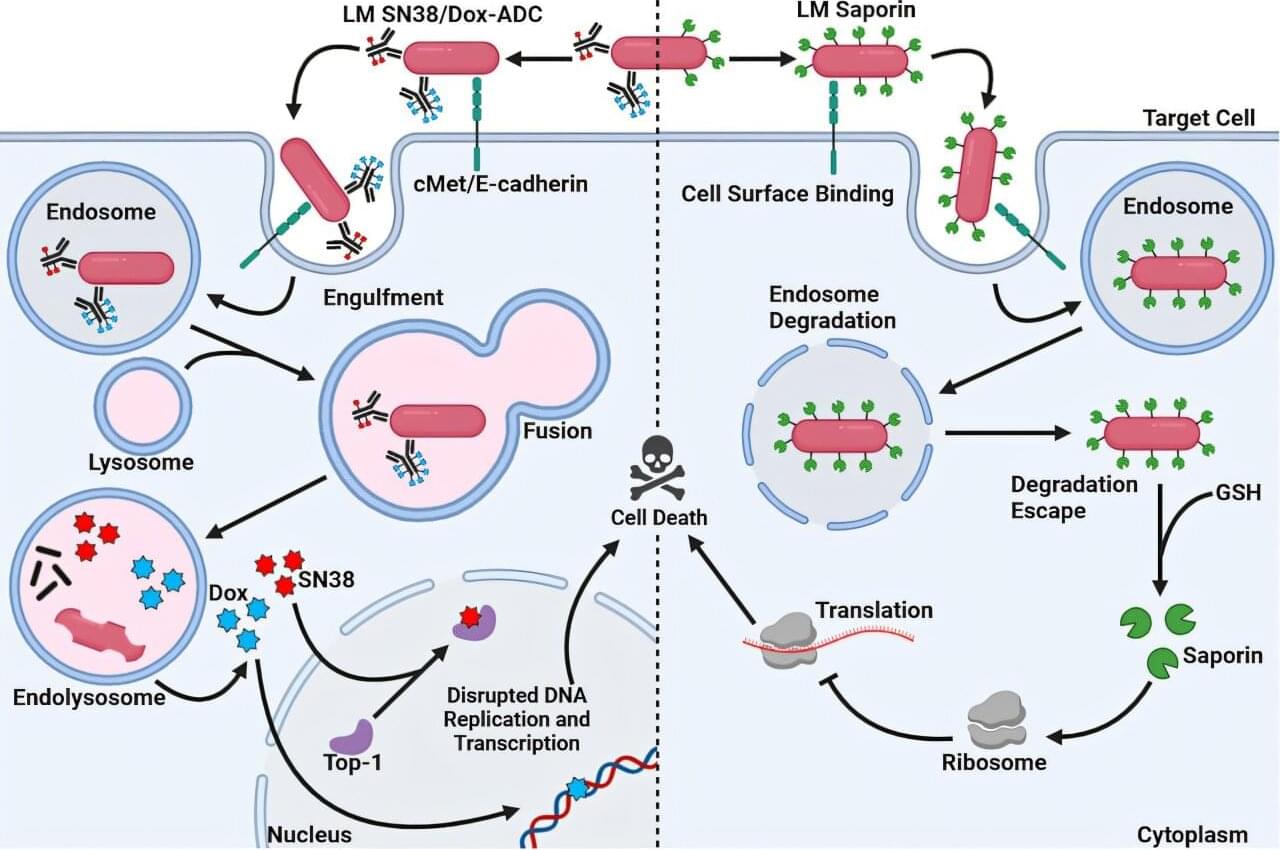
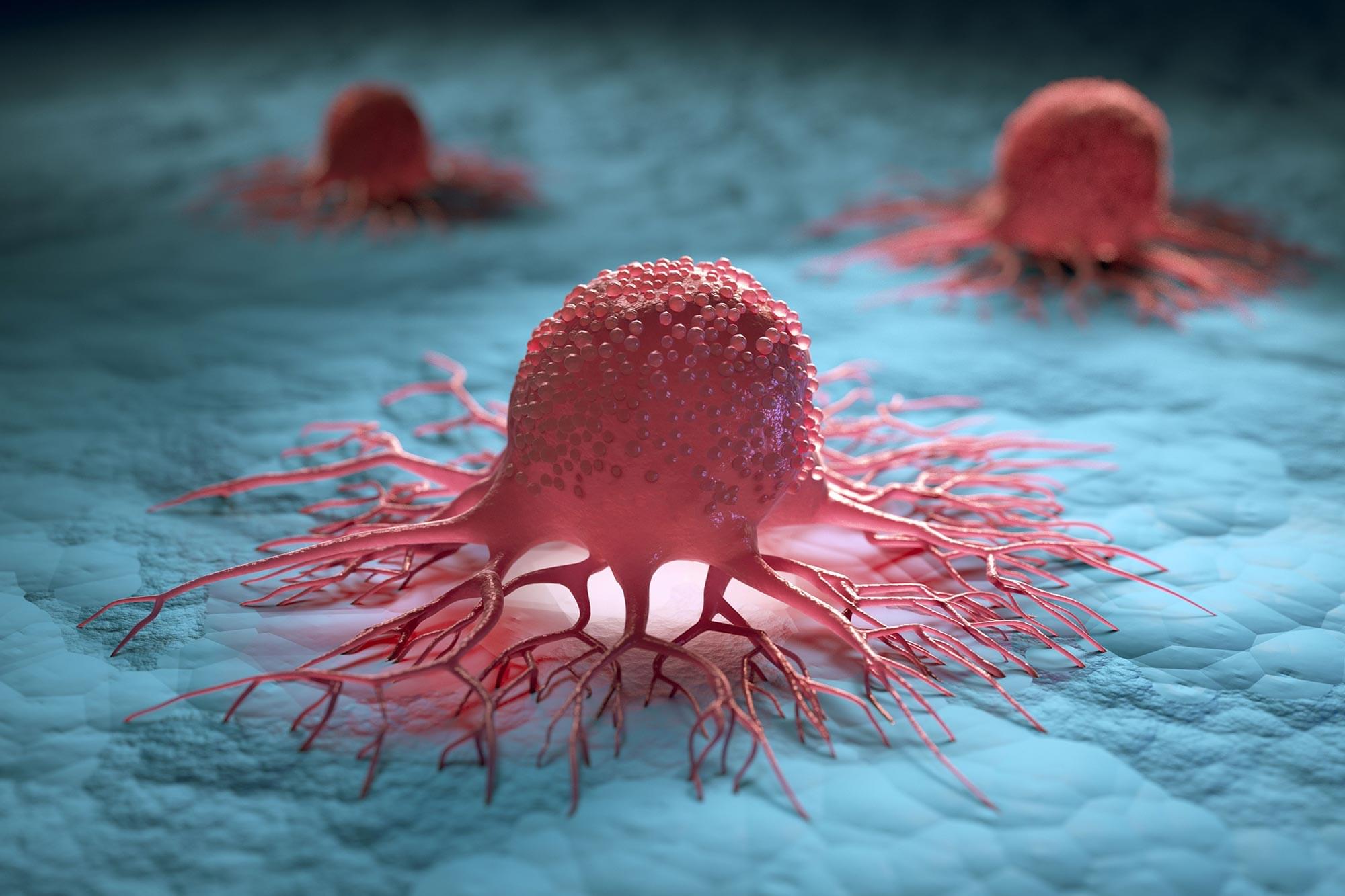
Baylor University researchers have developed a novel approach to fight colorectal cancer, using modified bacteria as a courier to deliver potent cancer-killing proteins into tumor cells. Michael S. VanNieuwenhze, Ph.D., FRSC, University Distinguished Professor and chair of the Department of Biology, along with Baylor doctoral students and a colleague at Texas Tech University Health Sciences Center, have published their research in Cell Chemical Biology.
Colorectal cancers accounted for the second-most deaths caused by cancer in 2025, according to the National Cancer Institute, highlighting the importance of new strategies for therapy and treatment.
Building on growth in the use of bacteria as a tool in fighting cancer, VanNieuwenhze and his team attached saporin, a known cancer-killing toxin, to the surface Listeria monocytogenes, which delivers the toxin to tumor cells. Listeria, commonly recognized as a food-borne bacteria, can be modified for express therapeutic purposes while maintaining its ability to penetrate human cells—making it, VanNieuwenhze said, a particularly promising agent in the fight against colorectal cancer.