#cybersecurity #ai #tech
The goal of cybersecurity has shifted from protecting digital perimeters to addressing threats that change more quickly than conventional defenses can keep up.

Go to https://ground.news/sabine to get 40% off the Vantage plan and see through sensationalized reporting. Stay fully informed on events around the world with Ground News.
It seems clear that we have given up on trying to stop climate change. It worries me profoundly, not so much because of climate change itself, but because of what it says about our collective ability to make intelligent decisions.
👕T-shirts, mugs, posters and more: ➜ https://sabines-store.dashery.com/
💌 Support me on Donorbox ➜ https://donorbox.org/swtg.
👉 Transcript with links to references on Patreon ➜ / sabine.
📝 Transcripts and written news on Substack ➜ https://sciencewtg.substack.com/
📩 Free weekly science newsletter ➜ https://sabinehossenfelder.com/newsle… Audio only podcast ➜ https://open.spotify.com/show/0MkNfXl… 🔗 Join this channel to get access to perks ➜ / @sabinehossenfelder 📚 Buy my book ➜ https://amzn.to/3HSAWJW #science #climate #environment.
👂 Audio only podcast ➜ https://open.spotify.com/show/0MkNfXl…
🔗 Join this channel to get access to perks ➜
/ @sabinehossenfelder.
📚 Buy my book ➜ https://amzn.to/3HSAWJW
#science #climate #environment



Plant-derived THC extracts significantly reduced fibromyalgia pain in patients resistant to standard treatments. [ https://www.labroots.com/trending/cannabis-sciences/30219/pl…gia-pain-2](https://www.labroots.com/trending/cannabis-sciences/30219/pl…gia-pain-2)
How can cannabis oil help alleviate fibromyalgia pain? This is what a recent study published in the Journal of Anesthesia, Analgesia, and Critical Care hopes to address as a team of researchers from Italy investigated the benefits of using tetrahydrocannabinol (THC)-based medicine options, specifically cannabis oil, for treating fibromyalgia pain. This study has the potential to help researchers, medical professionals, legislators, and the public better understand the benefits of using cannabis products for treating chronic diseases over prescriptions medications, and the steps that can be taken to implement them.
For the study, the researchers analyzed data obtained from 65 adult patients comprised of 59 women and 6 men diagnosed with fibromyalgia for a minimum of 7 years and were treated with cannabis oil therapy with a concentration of 15 percent from 2021 to 2023. The goal of the study was to ascertain the effectiveness of cannabis oil on mitigating fibromyalgia pain compared to traditional methods, specifically prescription medication. In the end, the researchers found that not only did the patients report decreased fibromyalgia pain during cannabis oil therapy, but this pain reduction was greater with younger patients.
The study notes, “While these observations should not be interpreted as evidence of effectiveness, they contribute real-world insights into tolerability and adherence in routine care. We hope they may help inform future prospective research aimed at better defining the role of cannabis oil in fibromyalgia management.”
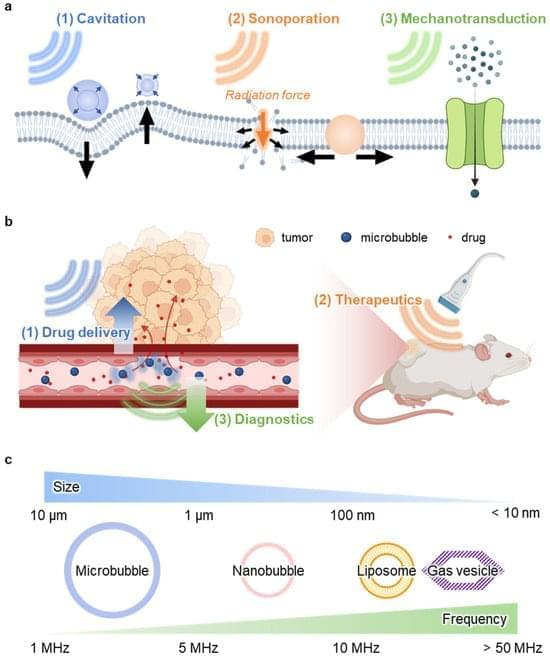
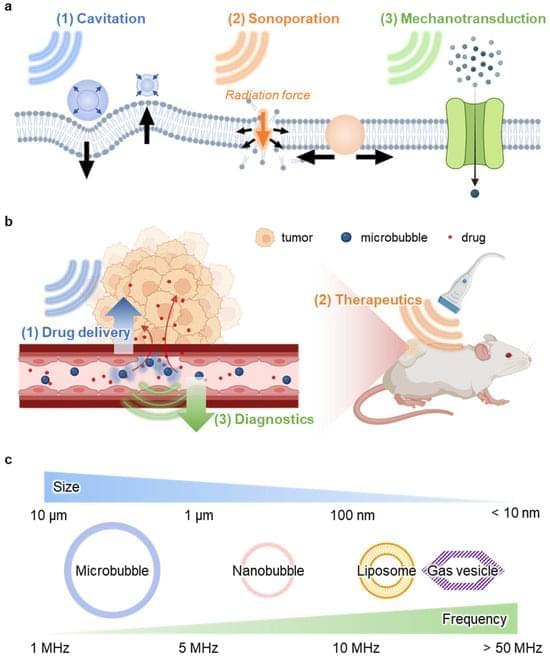
Deep tissue drug delivery is restricted by biological barriers. Ultrasound modulation offers a non-invasive solution using nanobubbles.
Read the Editor’s Choice article: mdpi.com/3348542
The cell membrane plays a critical role in regulating substance exchange, signal transduction, and energy conversion, making it essential for maintaining homeostasis and responding to environmental stimuli.
A robot butler sounds like a nice idea, but the technology has its drawbacks.
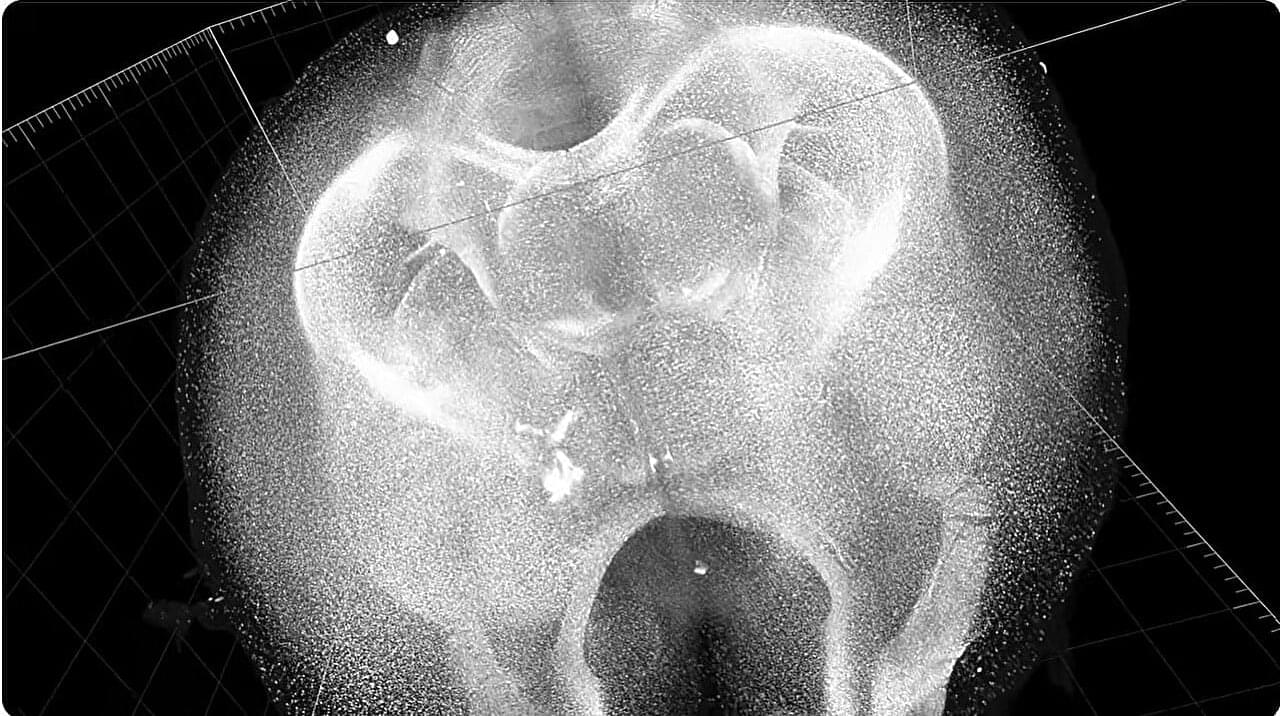
Johns Hopkins scientists say they have used 3D imaging, special microscopes and artificial intelligence (AI) programs to construct new maps of mouse brains showing a precise location of more than 10 million cells called oligodendrocytes. These cells form myelin, a protective sleeve around nerve cell axons, which speeds transmission of electrical signals and support brain health.
Published online Feb. 18 in Cell and funded by the National Institutes of Health, the maps not only paint a whole-brain picture of how myelin content varies between brain circuits, but also provide insights into how the loss of such cells impacts human diseases such as multiple sclerosis, Alzheimer’s disease and other disorders that affect learning, memory, sensory ability and movement, say the researchers. Although mouse and human brains are not the same, they share many characteristics and most biological processes.
“Our study identifies not only the location of oligodendrocytes in the brain, but also integrates information about gene expression and the structural features of neurons,” says Dwight Bergles, Ph.D., the Diana Sylvestre and Charles Homcy Professor in the Department of Neuroscience at the Johns Hopkins University School of Medicine. “It’s like mapping the location of all the trees in a forest, but also adding information about soil quality, weather and geology to understand the forest ecosystem.”
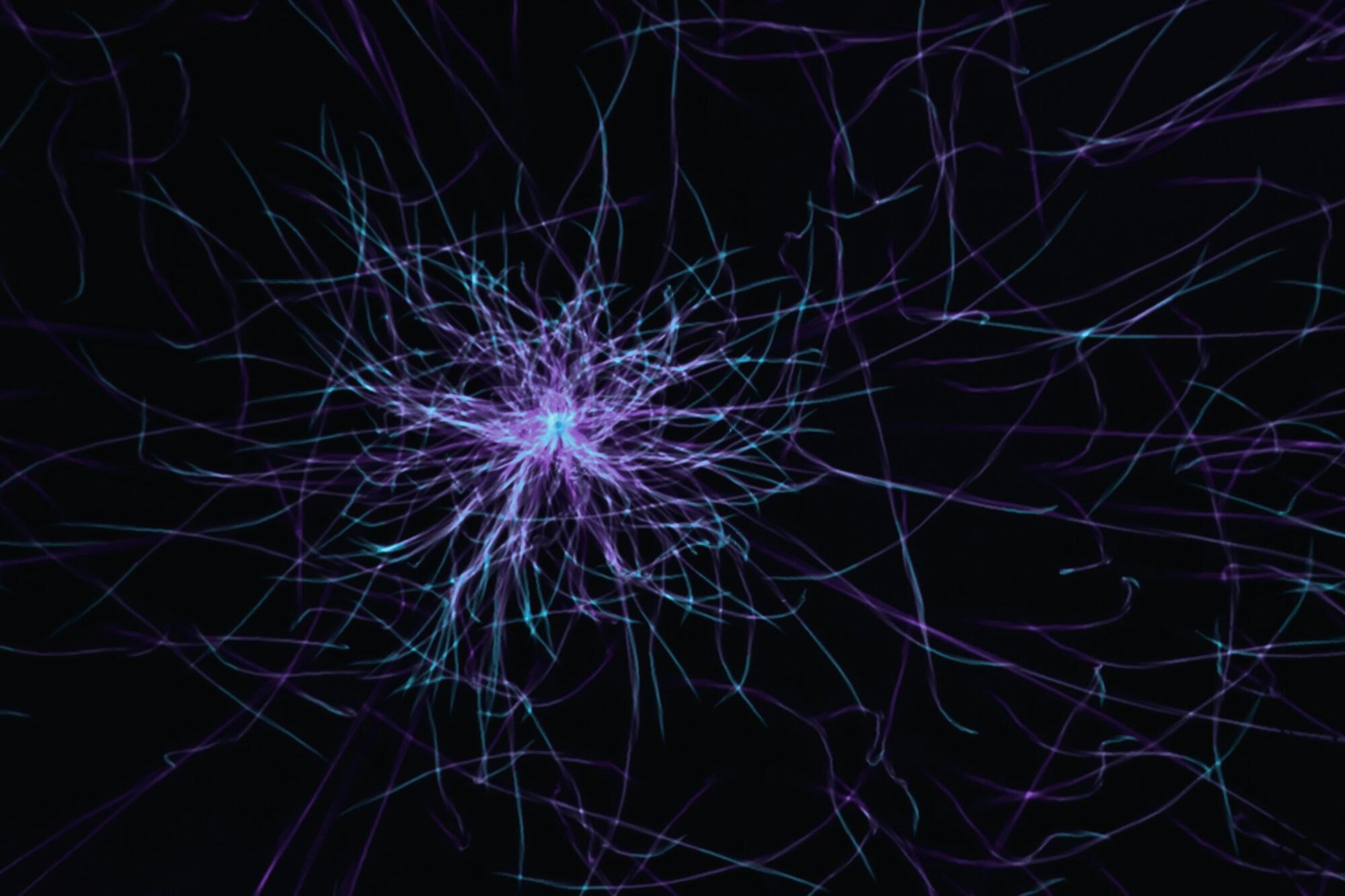
Picture a star-shaped cell in the brain, stretching its spindly arms out to cradle the neurons around it. That’s an astrocyte, and for a long time, scientists thought its job was caretaking the brain, gluing together neurons, and maintaining neural circuits. But now, a new study reveals that these supposed support cells that are spread all over the brain are as important as neurons in fear memory.
“Astrocytes are interwoven among neurons in the brain, and it seemed unlikely they were there just for housekeeping. We wanted to understand what they’re actually doing—and how they’re shaping neural activity in the process,” said Lindsay Halladay, assistant professor at the University of Arizona Department of Neuroscience and one of the study’s senior authors.
Halladay’s lab collaborated with researchers from the National Institutes of Health for this multi-institutional study, led by Andrew Holmes and Olena Bukalo of the Laboratory of Behavioral and Genomic Neuroscience.