Toggle light / dark theme

Lab grown mini human brains have been given blood vessels for the first time 🧠

These mini brain organoids resemble the developing cortex — the area of our brains that think, feel and store memories.

This advancement will help us learn more about conditions like dementia, but what if we go too far and they become conscious?

Hear the full story on The world, the universe and us, a news podcast for the insatiably curious, hosted by Rowan Hooper and Penny Sarchet.

Tap link in bio to learn more⁠
https://www.newscientist.com/podcasts/

Using rare sugars to address alcoholism

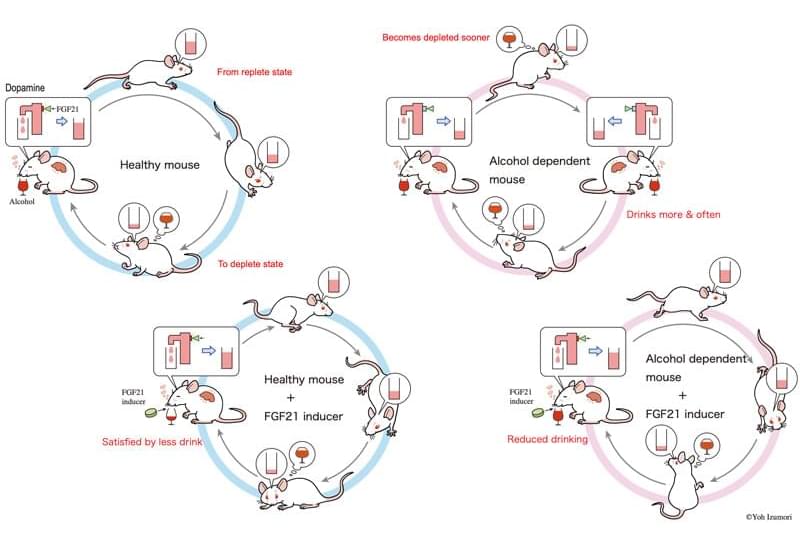
While investigating the FGF21-oxytocin-dopamine system, a mechanism that regulates sugar appetite, a team of researchers at Kyoto University noticed reports suggesting that the protein FGF21 may regulate alcohol ingestion.

The team’s original aim had been to address sugar appetite in lifestyle-related diseases, but since alcohol is a fermented product of sugar, they speculated that perhaps the body contains a system that recognizes both alcohol and sugar as the same entity.

Alcohol consumption and intervention challenges Excessive alcohol consumption is a major global health issue, and effective countermeasures for prevention and treatment are limited. Patients with alcohol dependence generally have a low adherence to pharmaceuticals, and many avoid drug treatment because it deprives them of the pleasure of drinking.

Name it to tame it: Researcher discovers technique to reduce cigarette cravings

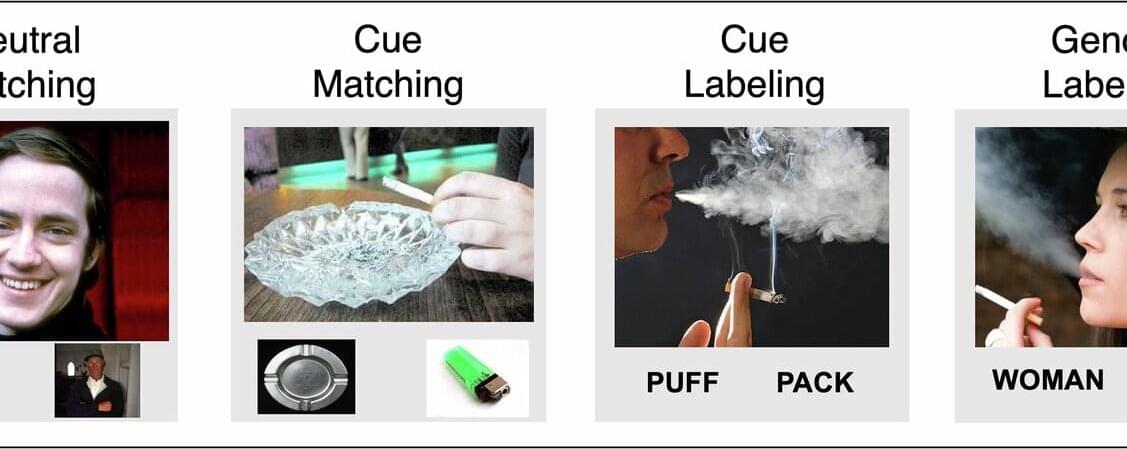
If you name it, you can tame it. That’s a new tool for fighting cigarette cravings, according to assistant research psychologist Golnaz Tabibnia.

Her discovery, published in Neuropsychopharmacology, reveals that a technique she dubbed “cue labeling”—mentally naming the triggers that make you want to smoke—can reduce the subjective experience of craving and the brain activity associated with it.

“Name it to tame it! Putting feelings into words has long been known to calm emotions,” Tabibnia wrote on LinkedIn when announcing the publication. “Our latest paper shows that putting what we crave into words can help calm cravings.”

Forever Chemicals Linked to Multiple Sclerosis in Concerning New Study

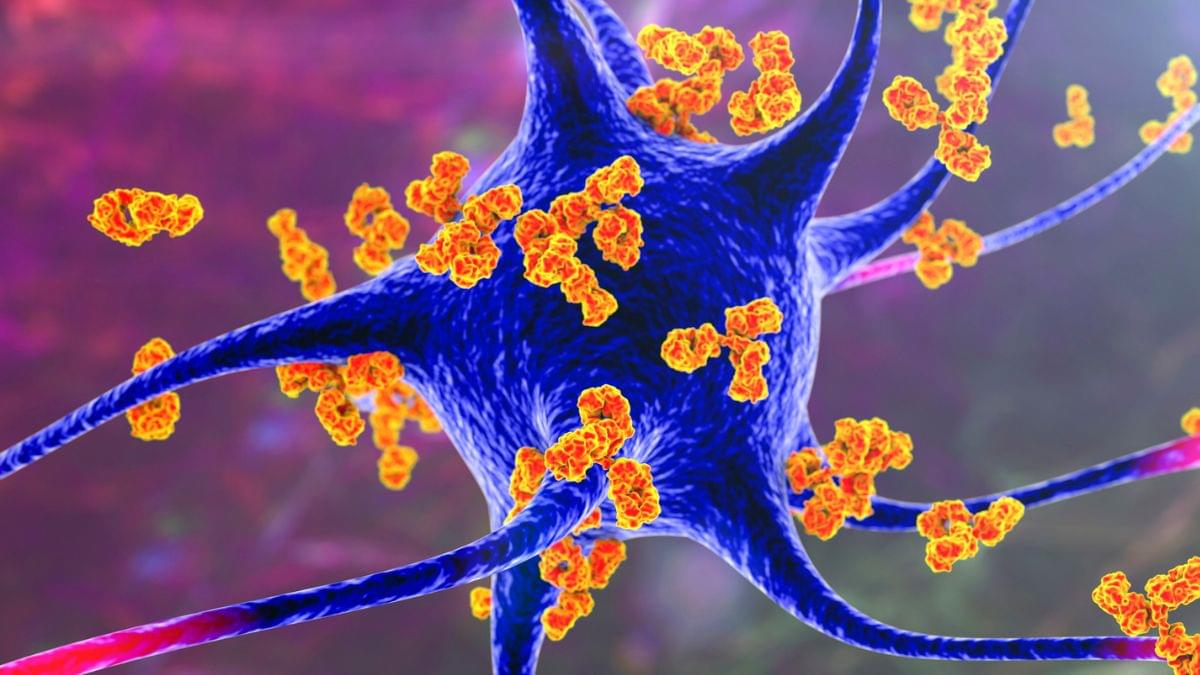
People who are exposed to certain forever chemicals may be at greater risk of developing multiple sclerosis (MS), according to new research.

No one knows why that is, but it could help explain why, over the past 30 years, the prevalence of MS has increased by an average of 26 percent globally. In some nations, cases have more than doubled since 1990.

MS is an autoimmune disease of the central nervous system with no known singular cause and no known cure.

Researchers create cells that help the brain keep its cool

Researchers at Lund University have developed a new method to reprogram the brain’s support cells into parvalbumin neurons, the cells that help keep brain activity in balance. These cells are key in conditions like epilepsy, and creating them in the lab has long been a challenge.

By bypassing the stem-cell stage, the team can now generate these neurons faster and more efficiently. The breakthrough opens new possibilities for studying disease mechanisms, and, in the future, for replacing damaged brain cells.

Read about the research here: https://www.lunduniversity.lu.se/article/researchers-create-
p-its-cool.

Photo: Hal Gatewood, Unsplash.


Lund University. Parvalbumin cells play a central role in keeping brain activity in equilibrium. They control nervcell signalling, reduce overactivity and make sure that the brain is working to a rhythm. Researchers sometimes describe them as the cells that “make the brain sound right”.When these cells malfunction or decrease in number, the balance of the brain is disrupted. Previous studies suggest that damaged parvalbumin cells may contribute to disorders such as schizophrenia and epilepsy.
Fruit fly ‘Fox’ neurons show how brains assign value to food

Why do we sometimes keep eating even when we’re full and other times turn down food completely? Why do we crave salty things at certain times, and sweets at other times? The answers, according to new neuroscience research at the University of Delaware, may lie in a tiny brain in an organism you might not expect.

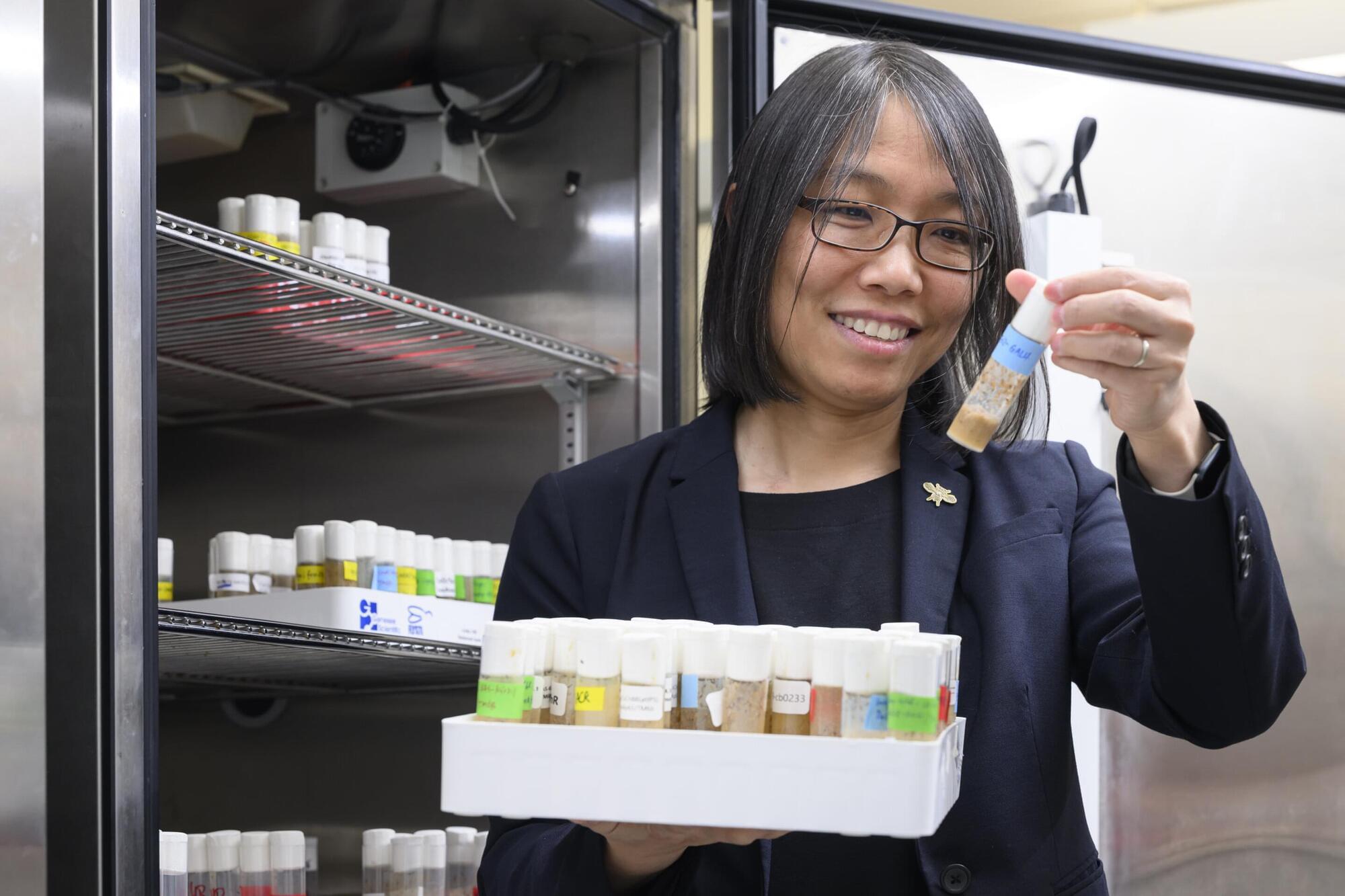
Lisha Shao, assistant professor in the Department of Biological Sciences in the College of Arts and Sciences, has uncovered a neural network in the brains of fruit flies that represents a very early step in how the brain decides—minute by minute—whether a specific food is worth eating. The work was published in the journal Current Biology.

“Our goal is to understand how the brain assigns value—why sometimes eating something is rewarding and other times it’s not,” Shao said.

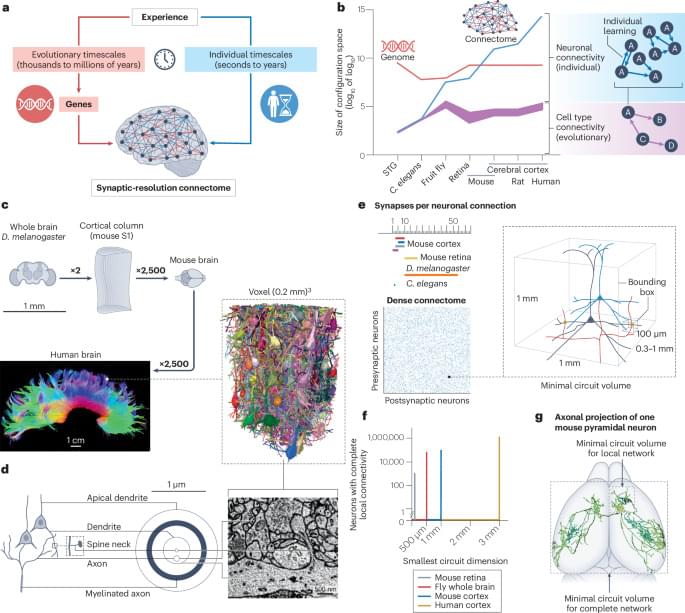
Synaptic-resolution connectomics: towards large brains and connectomic screening

Connectomics has delivered on its promise to map neuronal circuits at scale and at synaptic resolution. In this Review, Helmstaedter describes recent methodological achievements and remaining challenges in synaptic-resolution connectomics while synthesizing expanding connectomic mapping ambitions that include resolving local circuits of larger brains and screening of connectomes.

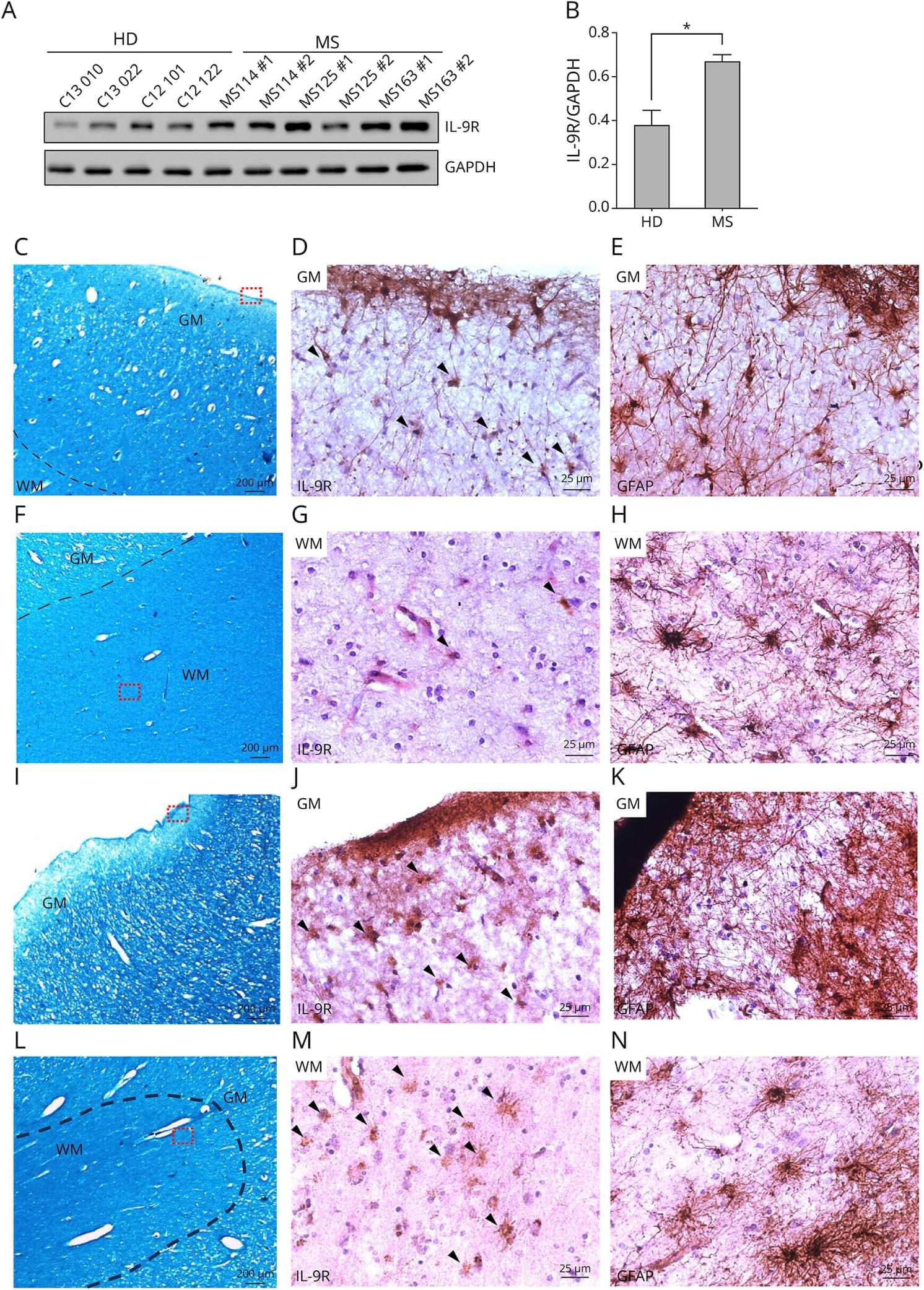
Interleukin-9 Regulates NF-kB-Mediated Activation of Astrocytes in Multiple Sclerosis Brain

Background and ObjectivesInterleukin-9 (IL-9) is an immune molecule with multiple roles in a variety of cell types. IL-9–induced cell responses are mediated by the IL-9 receptor (IL-9R). Recent evidence demonstrates that expression of IL-9R in post mortem


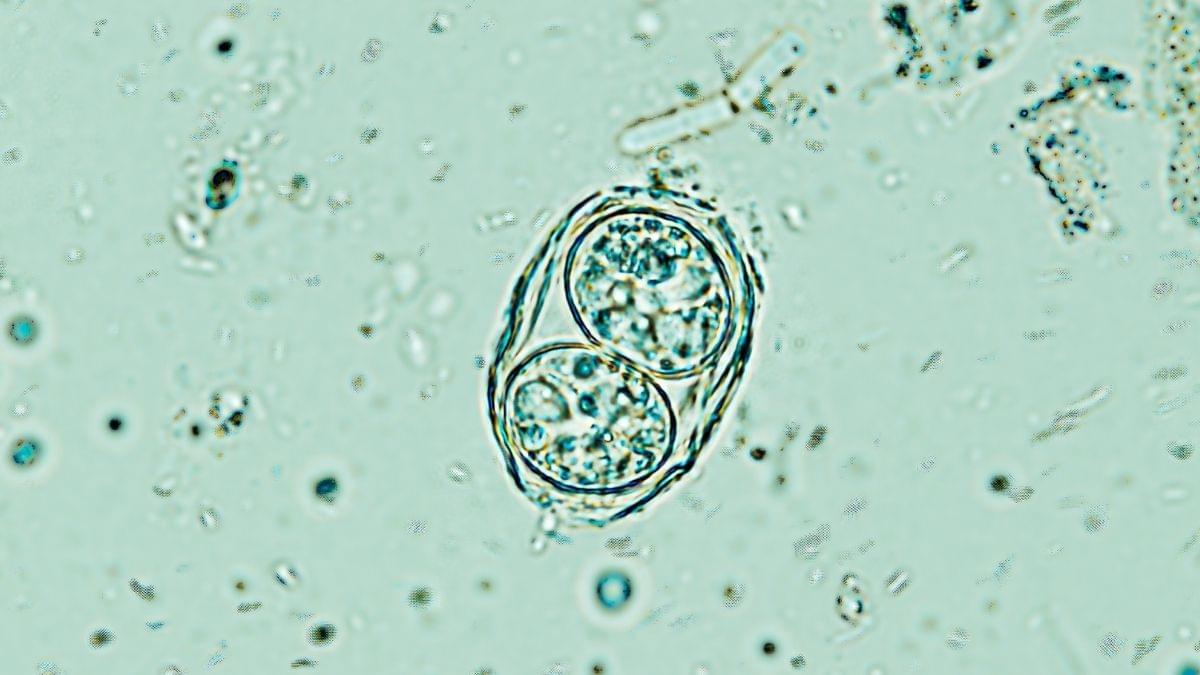
A Brain Parasite Infecting Millions Is Far Less Sleepy Than We Thought

A parasite that lives permanently in the brains of millions may not be as uniformly dormant as scientists once thought.

Researchers at the University of California, Riverside (UCR) have recently found evidence of low-level T. gondii reactivation in the brains of mice, even during long-term infection.

Today, more than a third of the world’s human population is infected by Toxoplasma gondii, a brain-invading parasite that reproduces in cats with mice and other animals acting as intermediate hosts.

/* */