Toggle light / dark theme

Virus-based therapy boosts anti-cancer immune responses to brain cancer

A team led by investigators has shown that a single injection of an oncolytic virus—a genetically modified virus that selectively infects and destroys cancer cells—can recruit immune cells to penetrate and persist deep within brain tumors. The research, which is published in Cell, provides details on how this therapy prolonged survival in patients with glioblastoma, the most common and malignant primary brain tumor, in a recent clinical trial.

The oncolytic virus used in the team’s trial is made from a herpes simplex virus genetically altered so it can only make copies of itself in glioblastoma cells and not normal healthy cells. The virus spreads to a glioblastoma cell, kills it, and then makes a copy of itself that spreads again to another glioblastoma cell. Infection of cells with the virus also triggers an immune response. In the phase 1 trial of 41 patients with recurrent glioblastoma, the oncolytic virus treatment extended survival compared to historically reported survival, especially among those with pre-existing viral antibodies.

In their Cell study, the investigators examined the extent of this immune response in clinical trial participants. Their analysis revealed that the treatment induced long-term infiltration of immune T cells into patients’ tumors. Closer proximity of cytotoxic T cells with dying brain tumor cells was associated with longer patient survival after treatment. The therapy also expanded pre-existing T cells in the brain. ScienceMission sciencenewshighlights.

At our upcoming conference

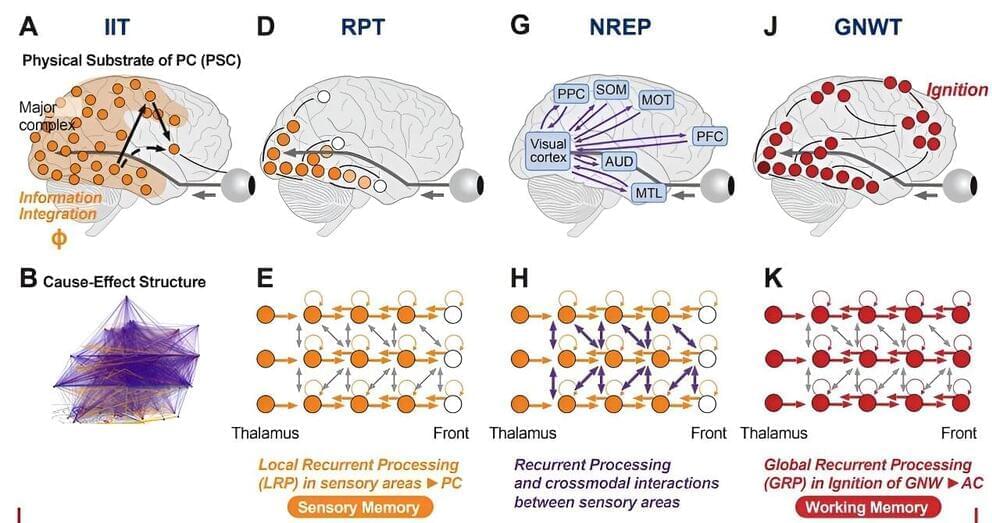
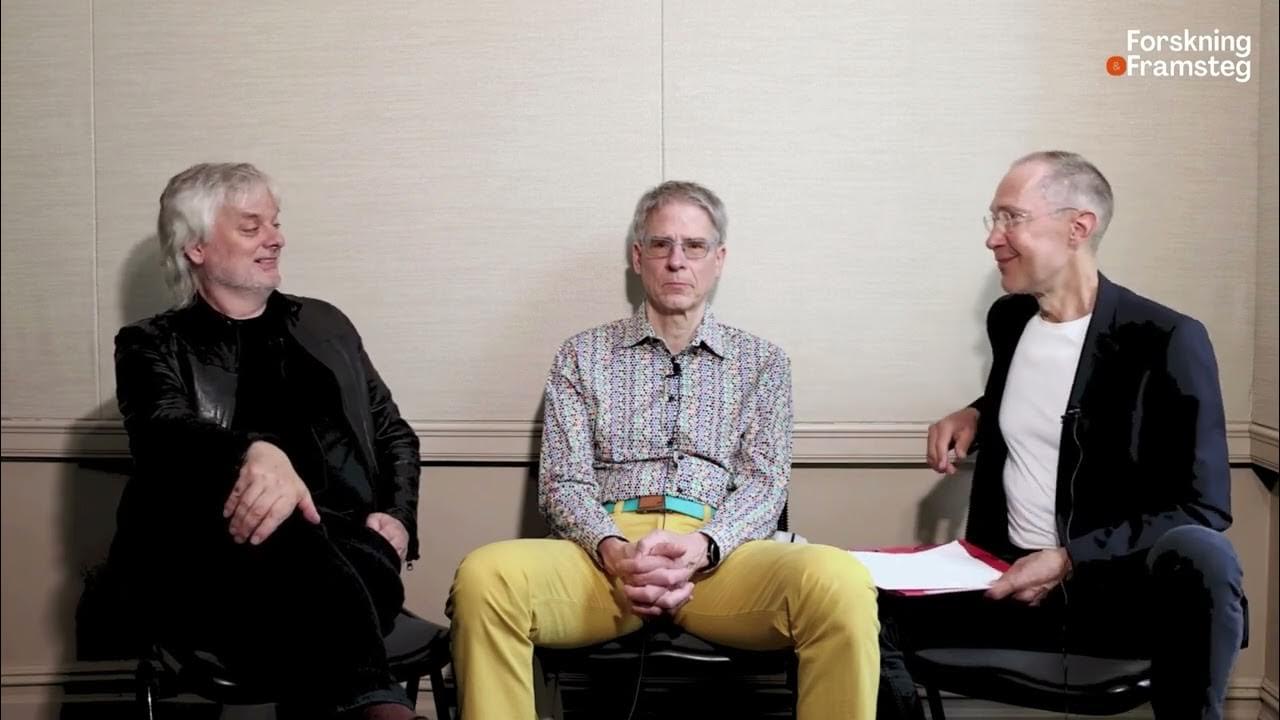
we are thrilled to host Joscha Bach at Future Day 2026 – he is a leading voice in cognitive architectures and the founding director of the California Institute for Machine Consciousness. Bach’s talks are famous for being mind-bending journeys that challenge fundamental assumptions about reality and agency. In his upcoming session, he will dive into the Machine Consciousness Hypothesis, offering a glimpse into how we might one day create truly sentient digital minds.


Joscha Bach – The Machine Consciousness Hypothesis.

What if our consciousness is not a ‘thing’ we have, but a simulation our brain runs to make sense of itself?

The Secret to Fighting Alzheimer’s May Be Hiding in Your Muscles

The study’s findings suggest that the key to combating Alzheimer’s disease may lie not only in the brain but also in our muscles. Alzheimer’s disease (AD) is a progressive condition marked by memory loss and declining cognitive function, and there is still no cure. Among the many factors that inf

Inside voice: what can our thoughts reveal about the nature of consciousness?

What was I thinking? This is not as easy or straightforward a question as I would have thought. As soon as you try to record and categorise the contents of your consciousness – the sense impressions, feelings, words, images, daydreams, mind-wanderings, ruminations, deliberations, observations, opinions, intuitions and occasional insights – you encounter far more questions than answers, and more than a few surprises. I’d always assumed that my stream of consciousness consisted mainly of an interior monologue, maybe sometimes a dialogue, but was surely composed of words; I’m a writer, after all. But it turns out that a lot of my so-called thoughts – a flattering term for these gossamer traces of mental activity – are preverbal, often showing up as images, sensations, or concepts, with words trailing behind as a kind of afterthought, belated attempts to translate these elusive wisps of meaning into something more substantial and shareable.

I discovered this because I’ve been going around with a beeper wired to an earpiece that sends a sudden sharp note into my left ear at random times of the day. This is my cue to recall and jot down whatever was going on in my head immediately before I registered the beep. The idea is to capture a snapshot of the contents of consciousness at a specific moment in time by dipping a ladle into the onrushing stream.

Sounds simple, but what the ladle scoops up is harder to describe than you might expect. Yes, these are my own thoughts, and who should know more about them than me, their thinker? Yet I’m finding that what we know about our own thinking is considerably less than we think.

The beeper exercise is part of a psychology experiment I volunteered to take part in. Descriptive experience sampling is a research method developed by Russell T Hurlburt, a social psychologist at the University of Nevada, Las Vegas; he has been using it for 50 years – which is to say, his entire career. To give you some perspective, beepers didn’t exist 50 years ago. Hurlburt, trained as an engineer, had to design and build his own unit, on which he holds a patent. It looks like an old-timey pocket radio: grey plastic, with one of those corrugated dials you rotate with your thumb to turn the thing on and boost the volume; the earpiece is flesh-toned, as that term was understood in 1973. For half a century now, Hurlburt has been scrupulously collecting reports of people’s inner experiences at random moments – and just as scrupulously resisting the urge to draw premature conclusions. A die-hard empiricist, he is as devoted to data as he is allergic to theories.


Scientists and philosophers studying the mind have discovered how little we know about our inner experiences.

By

Rejuvenating neurons restores learning and memory in mice

A research team asked whether rejuvenating these engram neurons could recover memory after decline has already begun? In a study published in Neuron, the team reports that “partial reprogramming” of engram neurons restores memory performance in multiple mouse settings. The approach uses a short, controlled pulse of three genes, Oct4, Sox2 and Klf4 referred together as “OSK”

Previous studies have shown that carefully timed expression of these factors can reset several aging-related features in cells. Here, the team targeted OSK specifically at the engram neurons that are active during learning, rather than broadly across the entire brain.

Working on mice, the researchers used gene therapy vectors (adeno-associated viruses) delivered by precise brain injections. They combined two elements: a system that adds a fluorescent tag to neurons that are activated by learning, and a switch that briefly turns OSK on during a defined time window.

The team used their approach in brain areas known to support different kinds of memory: the dentate gyrus of the hippocampus, which is important for learning and recent recall, and the medial prefrontal cortex, which contributes to remote recall two weeks later.

In aged mice, briefly activating OSK in learning-related hippocampal engram neurons restored memory, essentially bringing performance back to levels seen in young controls. When the same approach was applied to prefrontal cortex engrams, it also recovered remote memories formed weeks earlier.

The reprogrammed engram neurons also showed signs of improved health. They maintained their neuronal identity and displayed molecular features associated with a younger state, including changes in nuclear structure linked to aging.

The team then tested mouse models of Alzheimer’s disease. In a spatial-learning task, the mice showed inefficient navigation and impaired memory strategies. Reprogramming dentate gyrus engrams improved learning strategies during training, while targeting prefrontal engrams restored long-term spatial memory.

Abstract: Opening the gates to the blood brain barrier (BBB) in a high-grade glioma model

Amy B. Heimberger find therapeutic benefit in adding the STING agonist 8,803 to radiation in preclinical models of glioma. The combination reprogramed the glioma tumor microenvironment, and 8,803 induced the opening of the blood-brain barrier.


3Department of Radiology.

4Department of Neurology, and.

5Department of Radiation Oncology, Feinberg School of Medicine, Northwestern University, Chicago, Illinois, USA.

Tumour–brain crosstalk restrains cancer immunity via a sensory–sympathetic axis

Tumor–brain crosstalk worsens lung cancer.

It is not clear how the brain senses and responds to tumors in peripheral organs, although tumors are innervated by different branches of the peripheral nervous system and increased tumor innervation is associated with poor cancer outcomes.

Authors in this study identify an immuno-suppressive tumor microenvironment established by a tumor–brain axis that promotes oncogenesis.

The researchers demonstrate that lung adenocarcinoma induces innervation and functional engagement of vagal sensory neurons. Mechanistically, the vagal sensory nerves transmit signals from lung tumors to brainstem nuclei, driving elevated sympathetic efferent activity in the tumor microenvironment. This, in turn, suppresses β2 adrenergic signalling in alveolar macrophage and anti-tumor immunity.

Disruption of this sensory-to-sympathetic pathway significantly inhibited lung tumor growth by enhancing immune responses against cancer. sciencenewshighlights sciencemissionn https://sciencemission.com/Tumour%E2%80%93brain-crosstalk


Mouse models demonstrate that vagal sensory neurons transmit signals from lung adenocarcinoma to the brain, increasing sympathetic efferent activity in the tumour microenvironment and thereby creating a immunologically permissive environment for tumour growth.

Feedback neurons based on perovskite memristor with nickel single-atom engineered reduced graphene oxide cathode

Scientists have long looked to the human brain as the ultimate blueprint for computing, seeking to build “neuromorphic” systems that process information with the same efficiency and flexibility as our own neurons. However, replicating the brain’s complex ability to both excite and inhibit signals—essentially “talking” and “listening” simultaneously—has proven difficult with standard hardware.

The problem? Perovskites are often too chaotic. Tiny charged particles called ions tend to zip around inside the material too quickly, making the device’s behavior hard to control. Additionally, the “bottlenecks” (barriers) where the electricity enters the device often cause lopsided performance, preventing the smooth, bidirectional communication required for advanced brain-like tasks.


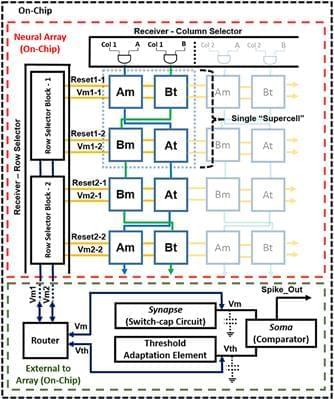
Li et al. report feedback neurons based on perovskite memristors with a nickel single-atom modified reduced graphene oxide cathode. The device successfully implements an unsupervised learning network with over 50% clustering accuracy and cooperative learning for solving NP-hard combinatorial optimisation problem.

A neuron subtype-specific role of MEK-ERK signaling in axon survival via transcriptional regulation of Nmnat2

Yue et al. find the subtype-specific regulation of Nmnat2 transcription by Raf-MEK-ERK in DRG neurons, while cortical and spinal neurons use a MEK-independent mechanism. This context-dependent axon survival paradigm helps explain differential MEKi vulnerability of PNS and CNS neurons, indicating Nmnat2 as a potential target to counteract MEKi-induced neuropathy.

/* */