Toggle light / dark theme

Population-level age effects on the white matter structure subserving cognitive flexibility in the human brain

New in eNeuro from Wolfe et al: Brain structures related to shifting between tasks or updating information about the environment show signs of deterioration in late adulthood.

▶️


Cognitive flexibility, a mental process crucial for adaptive behavior, involves multi-scale functioning across several neuronal organization levels. While the neural underpinnings of flexibility have been studied for decades, limited knowledge exists about the structure and age-related differentiation of the white matter subserving brain regions implicated in cognitive flexibility. This study investigated the population-level relationship between cognitive flexibility and properties of white matter across two periods of human adulthood, aiming to discern how these associations vary over different life stages and brain tracts among men and women. We propose a novel framework to study age effects in brain structure-function associations. First, a meta-analysis was conducted to identify neural regions associated with cognitive flexibility. Next, the white matter projections of these neural regions were traced through the Human Connectome Project tractography template to identify the white matter structure associated with cognitive flexibility. Then, a cohort analysis was performed to characterize myelin-related macromolecular features using a subset of the UK Biobank magnetic resonance imaging (MRI) data, which has a companion functional/behavioral dataset. We found that the wiring of cognitive flexibility is defined by a subset of brain tracts, which present undifferentiated features early in adulthood and significantly differentiated types in later life. These MRI-derived properties are correlated with individual subprocesses of cognition, which are closely related to cognitive flexibility function. In late life, myelin-related homogeneity of specific white matter tracts implicated in cognitive flexibility declines with age, a phenomenon not observed in early life. Our findings support the age-related differentiation of white matter tracts implicated in cognitive flexibility as a natural substrate of adaptive cognitive function.

Significance Statement Cognitive flexibility function facilitates adaptation to environmental demands. Brain changes affecting structural organization during the lifespan are theorized to impact cognitive flexibility. This study characterizes how the brain’s connectivity is correlated with cognitive flexibility function throughout adulthood. By analyzing myelin-related properties of white matter, this study found that certain parts of the brain’s wiring related to cognitive flexibility become more differentiated with advanced age. These age-related features appear as a natural characteristic of the human brain that may impact specific aspects of adaptive thinking, like shifting between tasks or updating information.
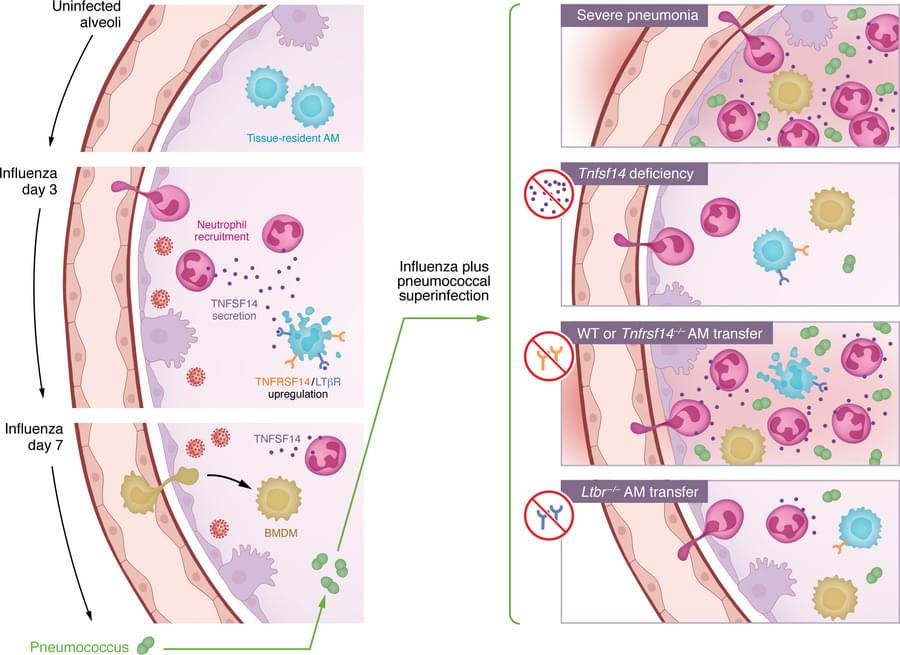
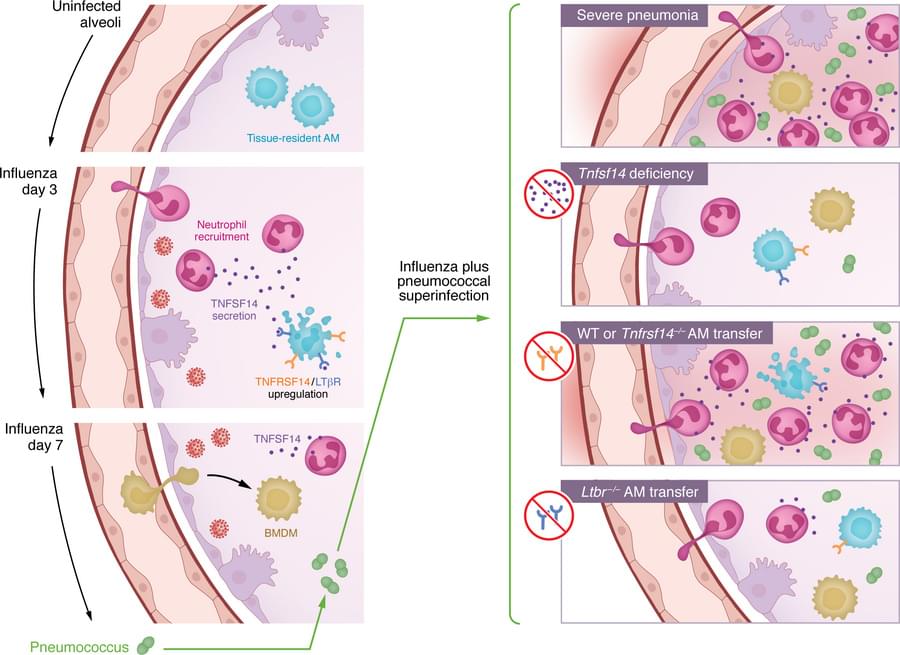
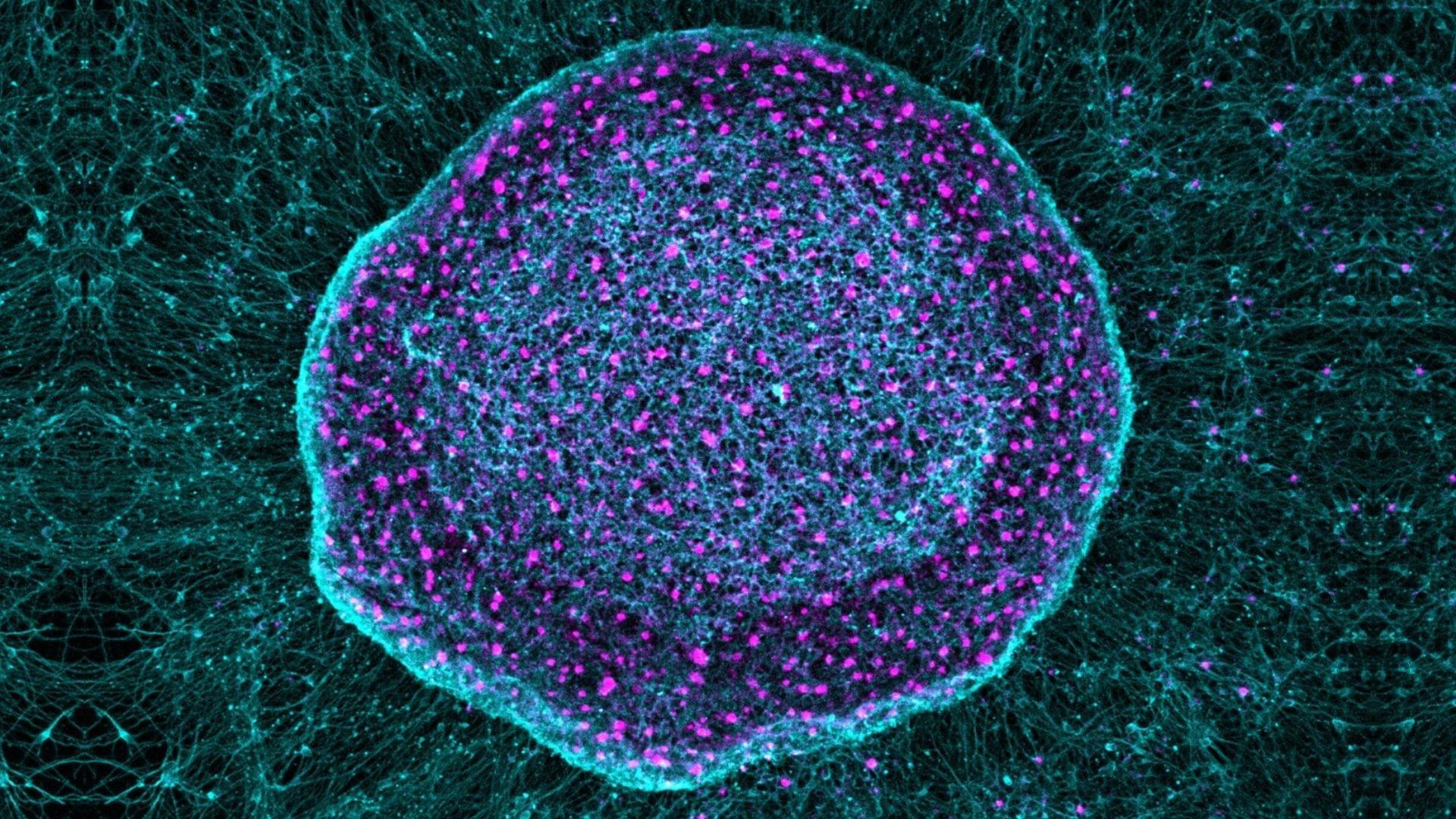
Abstract: Helping alveolar macrophages live to fight another day during viral #pneumonia:

Joseph P. Mizgerd & team provide a Commentary on Christina Malainou et al.: https://doi.org/10.1172/JCI185390


2Department of Virology, Immunology, and Microbiology.

3Department of Medicine, and.

4Department of Biochemistry and Cell Biology, Boston University Chobanian and Avedisian School of Medicine, Boston, Massachusetts, USA.

Uniform Amyloid Thresholds Across Populations

This diagnostic study validates the biological comparability of brain amyloid thresholds used in AlzheimerDisease diagnostics across racial and ethnic subgroups of older adults, with no significant differences by sex or APOE4 status.

Further research should determine whether uniform thresholds yield comparable prognostic utility in clinical practice.

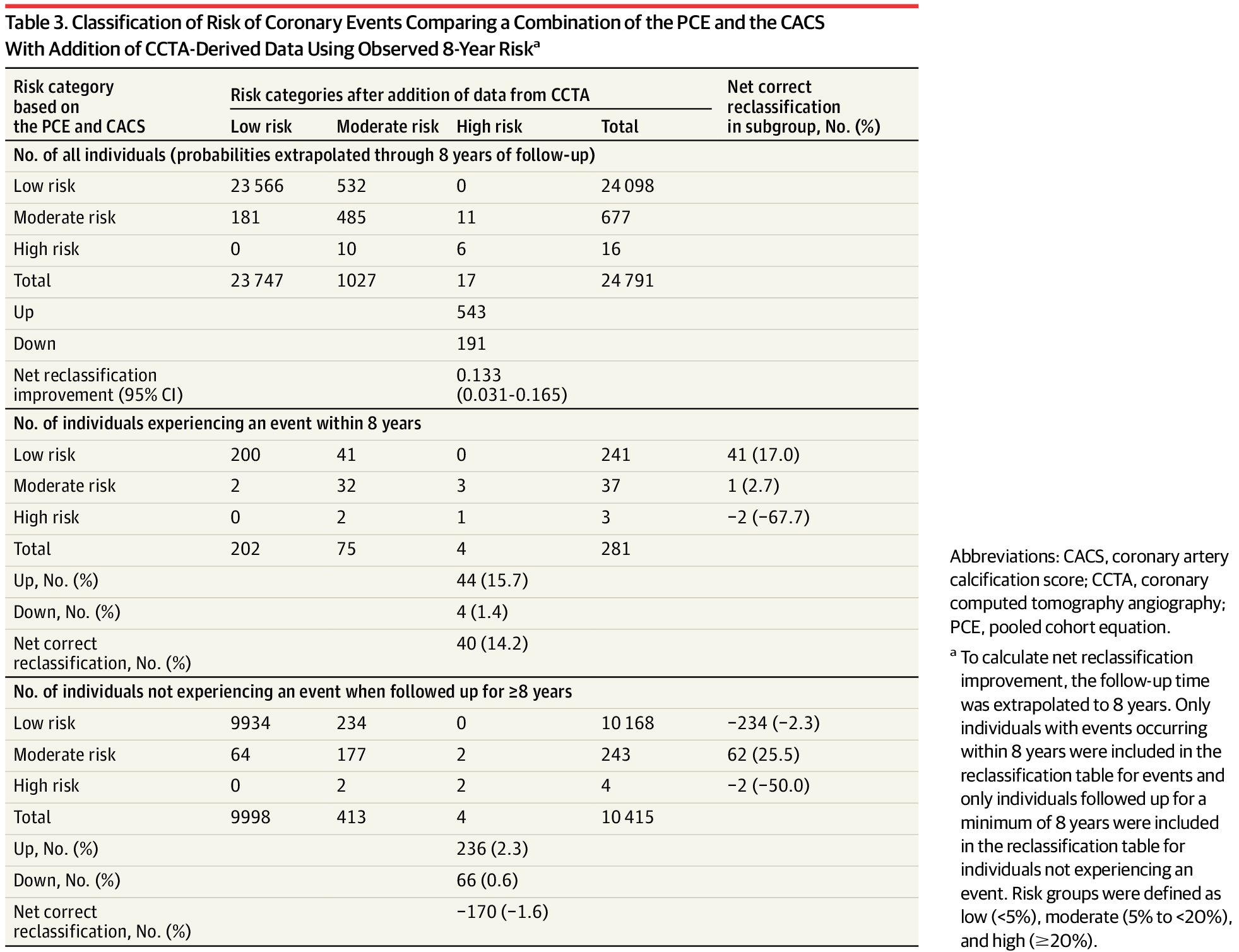
Coronary Computed Tomography Angiography in Prediction of First Coronary Events

Adding coronary CT angiography (CCTA) data to traditional risk scores and coronary artery calcium scoring improved risk prediction for first coronary events over nearly 8 years of follow-up.

While the clinical impact was modest in a low-risk population, CCTA enhanced risk discrimination and reclassification, particularly among those considered low risk by conventional models.


This cohort study assesses whether coronary computed tomography angiography improves risk prediction beyond traditional risk factors and coronary artery calcium score in identifying individuals at risk of first coronary events.

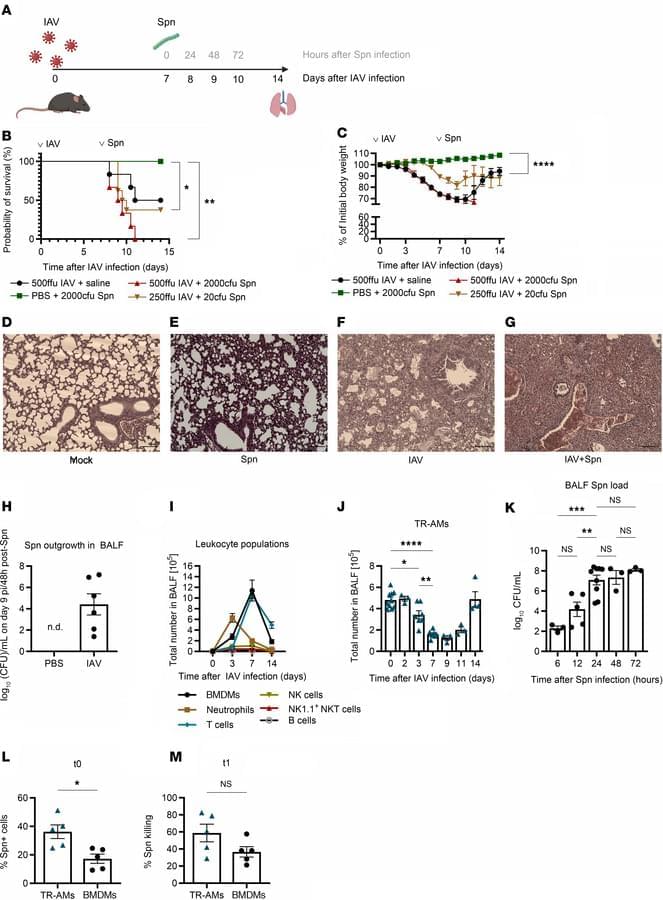
Abstract: Secondary bacterial infections are a common complication in influenza A infection, but targets for prevention are lacking

Secondary bacterial infections are a common complication in influenza A infection, but targets for prevention are lacking.

Here, Susanne Herold & team suggest that targeting neutrophil-driven alveolar macrophage death in severe influenza pneumonia strengthens host defense and prevents the transition to secondary bacterial infection:

The figure shows leukocyte infiltration in mouse lung tissue caused by pneumococcal infection a week after influenza A infection.


1Department of Medicine V, Internal Medicine, Infectious Diseases and Infection Control, Universities of Giessen and Marburg Lung Center (UGMLC), member of the German Center for Lung Research (DZL), member of the German Center for Infection Research (DZIF), Justus Liebig University Giessen, Giessen, Germany.

2Institute of Lung Health (ILH), Justus Liebig University Giessen, Giessen, Germany.

3Excellence Cluster Cardio-Pulmonary Institute (CPI), Hessen, Germany.

Voxelizing the Human Brain

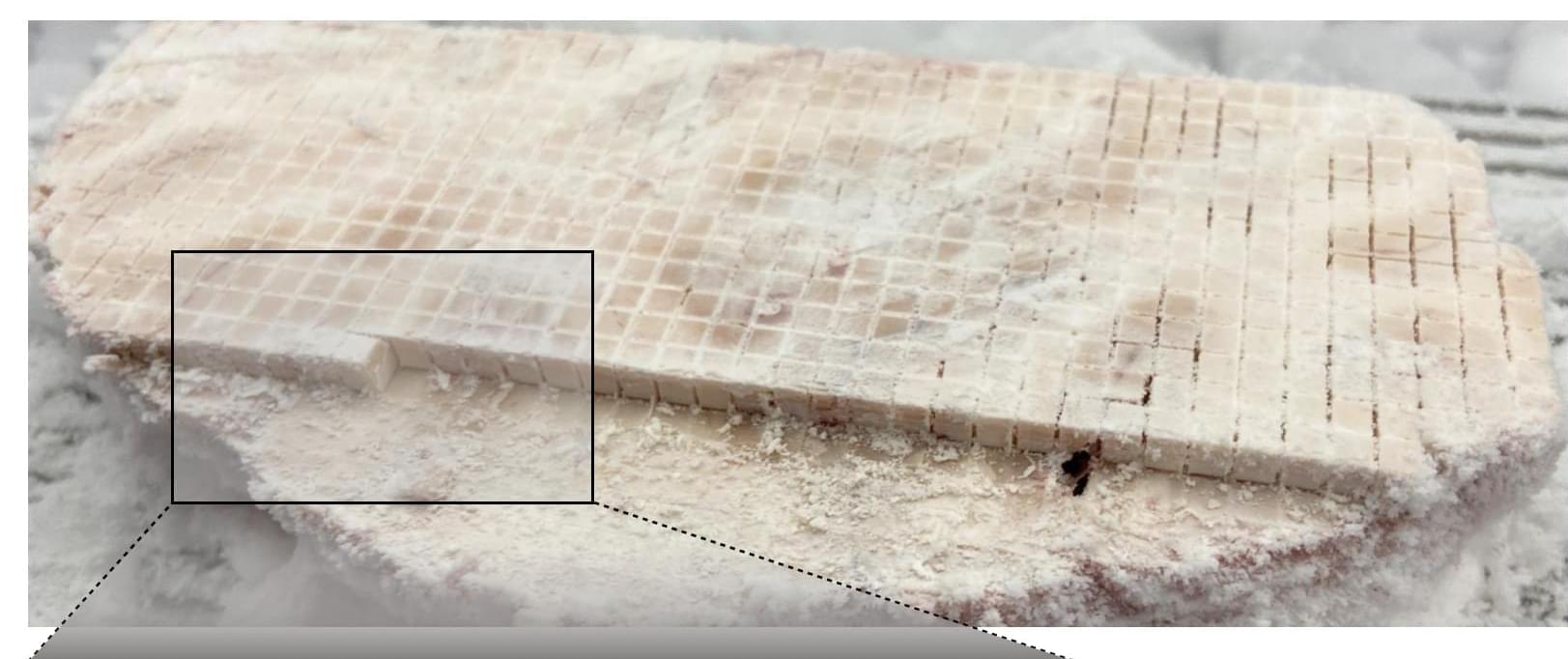
Dr. Martin Picard tells the ‘story behind the paper’ for “A human brain map of mitochondrial respiratory capacity and diversity”. An amazing effort with a valuable dataset as the result!

(https://martinpicard.substack.com/p/voxelizing-the-human-brain)


This is the story of how we produced the first brain map of mitochondria—or the human brain bioenergetic landscape. The paper was published in the journal Nature.

Experimental Therapy Targets Cancer’s Bodyguards, Turning Foe to Friend to Eliminate Tumors

Researchers at Mount Sinai have developed a novel immunotherapy strategy that targets the tumor microenvironment (TME) to overcome immune suppression in metastatic cancers. Addressing the protective role of tumor-associated macrophages (TAMs), which often shield malignancies and facilitate growth, the team engineered chimeric antigen receptor (CAR) T-cells to specifically recognize and target these stromal cells. Functioning as a “Trojan horse,” these modified T-cells not only engage macrophages but also release immune-activating molecules that reprogram the TME, converting immunosuppressive macrophages into anti-tumor effectors. In preclinical models of metastatic lung and ovarian cancer, this approach yielded significant therapeutic efficacy, resulting in extended survival and the complete eradication of tumors in some subjects. By transforming the tumor’s protective infrastructure into a mechanism of its destruction, this strategy offers a promising, potentially pan-cancer modality for treating solid tumors resistant to conventional immunotherapies.


Scientists at the Icahn School of Medicine at Mount Sinai have developed an experimental immunotherapy that takes an unconventional approach to metastatic cancer: instead of going after cancer cells directly, it targets the cells that protect them.

T he study, published in the January 22 online issue of Cancer Cell, a Cell Press Journal [DOI 10.1016/j.ccell.2025.12.021], was conducted in aggressive preclinical models of metastatic ovarian and lung cancer. It points to a new strategy for treating advanced-stage solid tumors.

In a strategy modeled after the famed Trojan horse, the treatment enters the tumors by targeting cells called macrophages that guard the cancer cells, disarms these protectors, and opens up the tumor’s gates for the immune system to enter and wipe out the cancer cells.

Shapeshifting materials could power next generation of soft robots

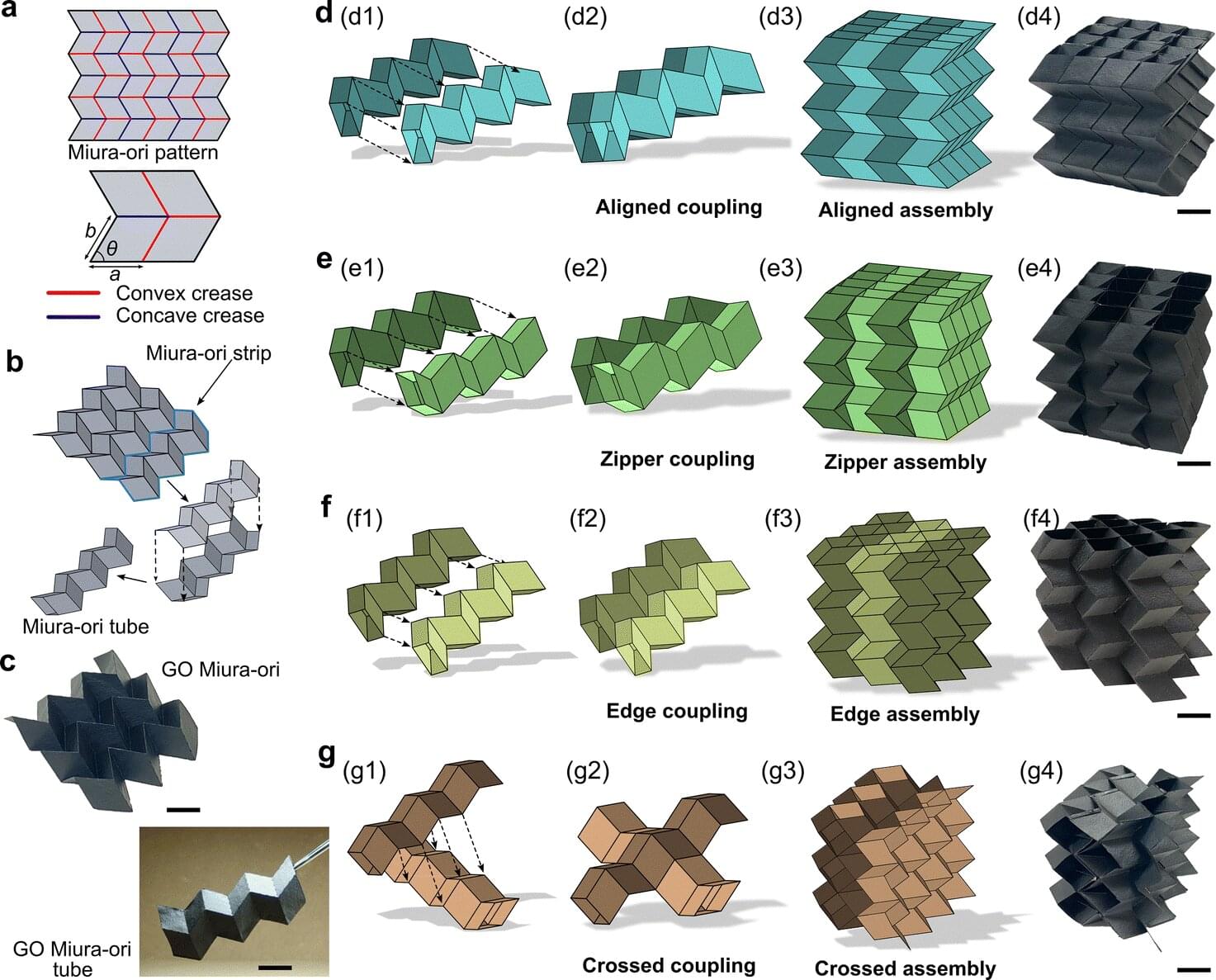
McGill University engineers have developed new ultra-thin materials that can be programmed to move, fold and reshape themselves, much like animated origami. They open the door to softer, safer and more adaptable robots that could be used in medical tools that gently move inside the body, wearable devices that change shape on the skin or smart packaging that reacts to its environment.

The research, jointly led by the laboratories of Hamid Akbarzadeh in the Department of Bioresource Engineering and Marta Cerruti in the Department of Mining and Material Engineering, shows how simple, paper-like sheets made from folded graphene oxide (GO) can be turned into tiny devices that walk, twist, flip and sense their own motion. Two related studies demonstrate how these materials can be made at scale, programmed to change shape and controlled either by humidity or magnetic fields.

The studies are published in Materials Horizons and Advanced Science.

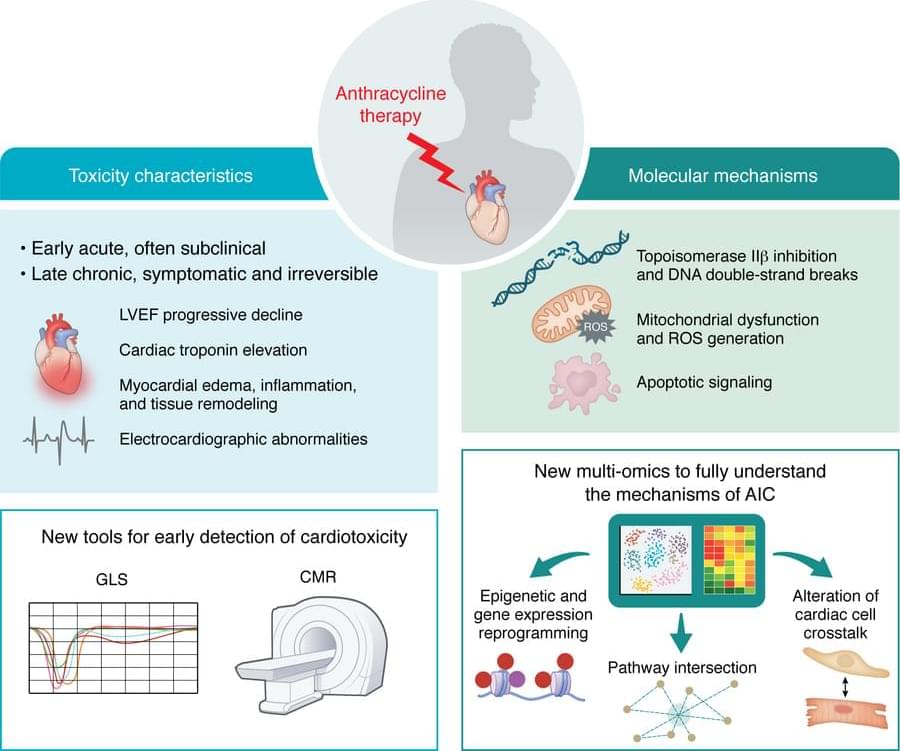
Abstract: Caught in the crossfire: cardiac complications of cancer therapy

In this Review, Emilio Hirsch discuss the mechanisms and therapeutic strategies for cardiotoxicity caused by chemotherapy, targeted agents, and immune modulators.


1Department of Molecular Biotechnology and Health Sciences, Molecular Biotechnology Center “Guido Tarone”, University of Torino, Torino, Italy.

2University of Arizona College of Medicine, Tucson, Arizona, USA.

Address correspondence to: Emilio Hirsch or Alessandra Ghigo, Via Nizza 52, 10126, Turin, Italy. Phone: 39.011.670.6425; Email: [email protected] (EH). Phone: 39.011.670.6335; Email: [email protected] (AG). Or to: Hossein Ardehali, 3,838 North Campbell Avenue, Building 2, Tucson, Arizona 85,719, USA. Phone: 520.626.6453; Email: [email protected].

/* */