Adobe Reader zero-day exploited since Dec 2025 via malicious PDFs, enabling data theft and potential RCE, prompting urgent security vigilance.



Hackers hijacked the update system for the Smart Slider 3 Pro plugin for WordPress and Joomla, and pushed a malicious version with multiple backdoors.
The developer says that only the Pro version 3.5.1.35 of the plugin is affected and recommends switching immediately to the latest version, currently 3.5.1.36, or 3.5.1.34 and earlier.
Apart from installing backdoors in multiple locations, the malicious update created a hidden user with administrator permissions and stole sensitive data.

A new Lua-based malware, called LucidRook, is being used in spear-phishing campaigns targeting non-governmental organizations and universities in Taiwan.
Cisco Talos researchers attribute the malware to a threat group tracked internally as UAT-10362, who they describe as a capable adversary “with mature operational tradecraft.”
LucidRook was observed in attacks in October 2025 that relied on phishing emails carrying password-protected archives.

Threat actors using a previously undocumented phishing-as-a-service (PhaaS) platform called “VENOM” are targeting credentials of C-suite executives across multiple industries.
The operation has been active since at least last November and appears to target specific individuals who serve as CEOs, CFOs, or VPs at their companies.
VENOM also seems to be closed access, as it has not been promoted on public channels and underground forums, thus reducing its exposure to researchers.

Google has rolled out Device Bound Session Credentials (DBSC) protection in Chrome 146 for Windows, designed to block info-stealing malware from harvesting session cookies.
MacOS users will benefit from this security feature in a future Chrome release that has yet to be announced.
The new protection has been announced in 2024, and it works by cryptographically linking a user’s session to their specific hardware, such as a computer’s security chip — the Trusted Platform Module (TPM) on Windows and the Secure Enclave on macOS.
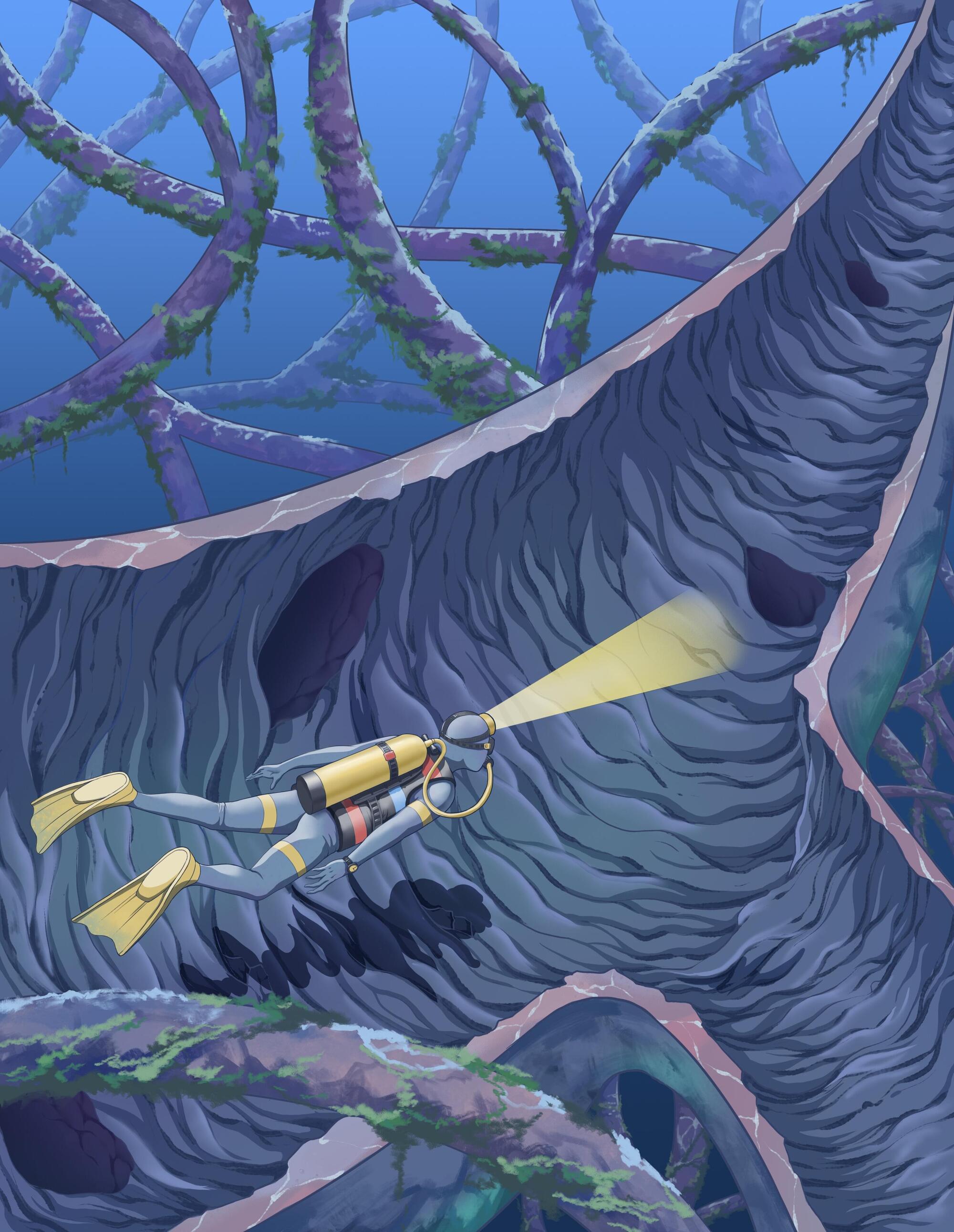
The cells that line the blood vessels in our brains are highly selective. By deciding which molecules are allowed in and out of our most important organ, the barrier these cells form is critical for keeping us alive. But how the brain chooses what passes beyond this barrier has been difficult to decipher.
Now, a team led by Janelia Research Campus Group Leader Jiefu Li has developed a new method to examine the proteins lining the inside surface of blood vessels. The technique enables them to uncover two proteins and pathways that play a role in opening and closing the blood-brain barrier—a first step in starting to understand how this important interface works. The study is published in the journal Science.
Uncovering how the blood-brain barrier functions could help scientists figure out what happens when it goes awry, contributing to conditions like multiple sclerosis, encephalitis, and dementia. It could also help researchers develop better ways to deliver medicines that treat neurodegenerative diseases like Alzheimer’s and Parkinson’s, which are often blocked from entering the brain.
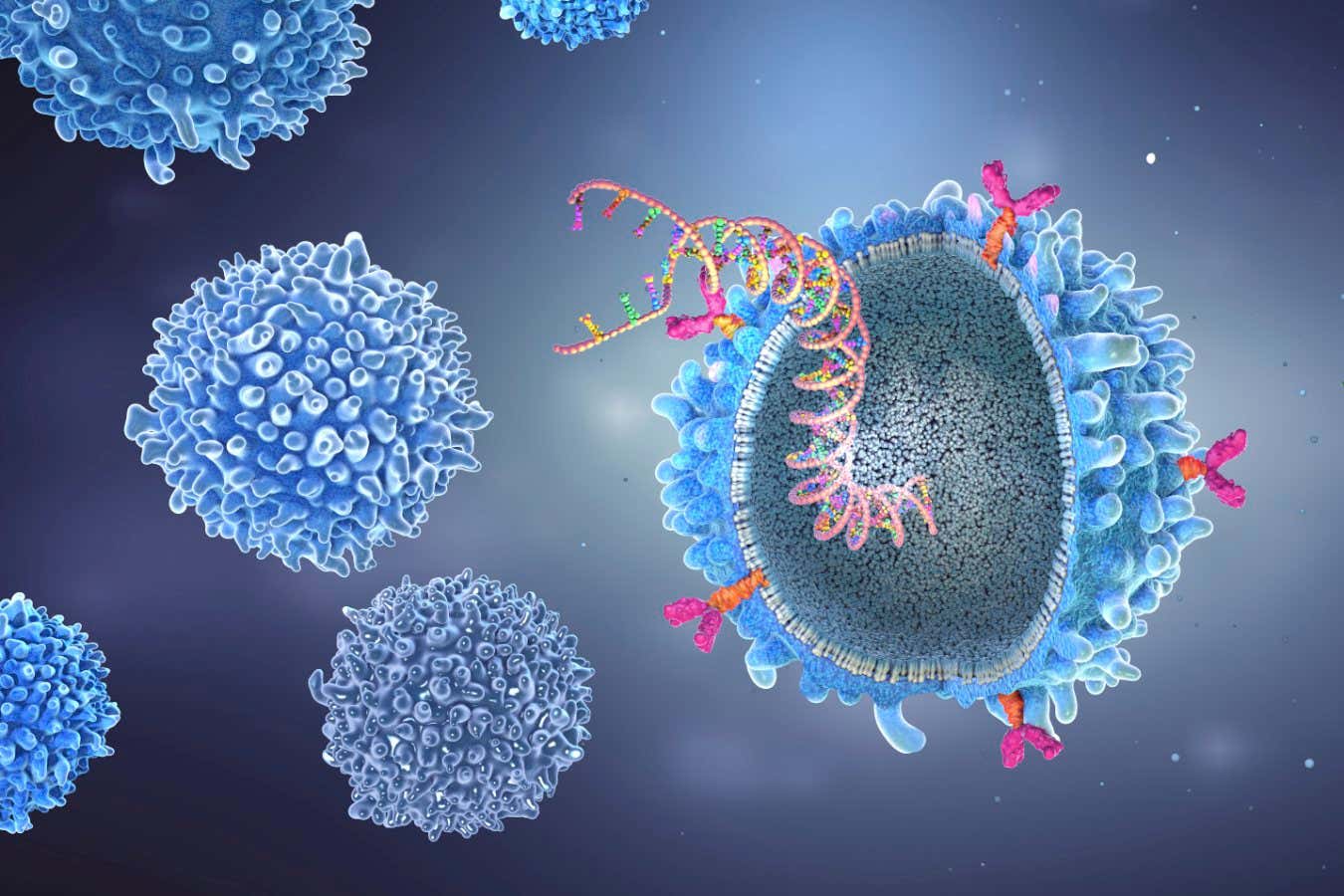

A new analysis from UC San Francisco argues that diagnostics—medical tests that match patients to the appropriate treatment—are being overlooked both in the United States and around the world. This is slowing progress against major diseases, despite rapid advances in targeted therapies and precision health.
The authors note that nearly half of the world’s population lacks adequate access to diagnostics. These tests receive less investment for research and development, as well as lower insurance reimbursement than drugs, and this is creating barriers to innovation.
“Most people can easily understand how a new drug or surgery might help a patient,” said Kathryn Phillips, Ph.D., a professor of Health Economics in the School of Pharmacy at UC San Francisco and the lead author of the study, which appears in Science. “But the tests that guide medical decisions are just as critical.”