Toggle light / dark theme

Get the latest international news and world events from around the world.

Log in for authorized contributors

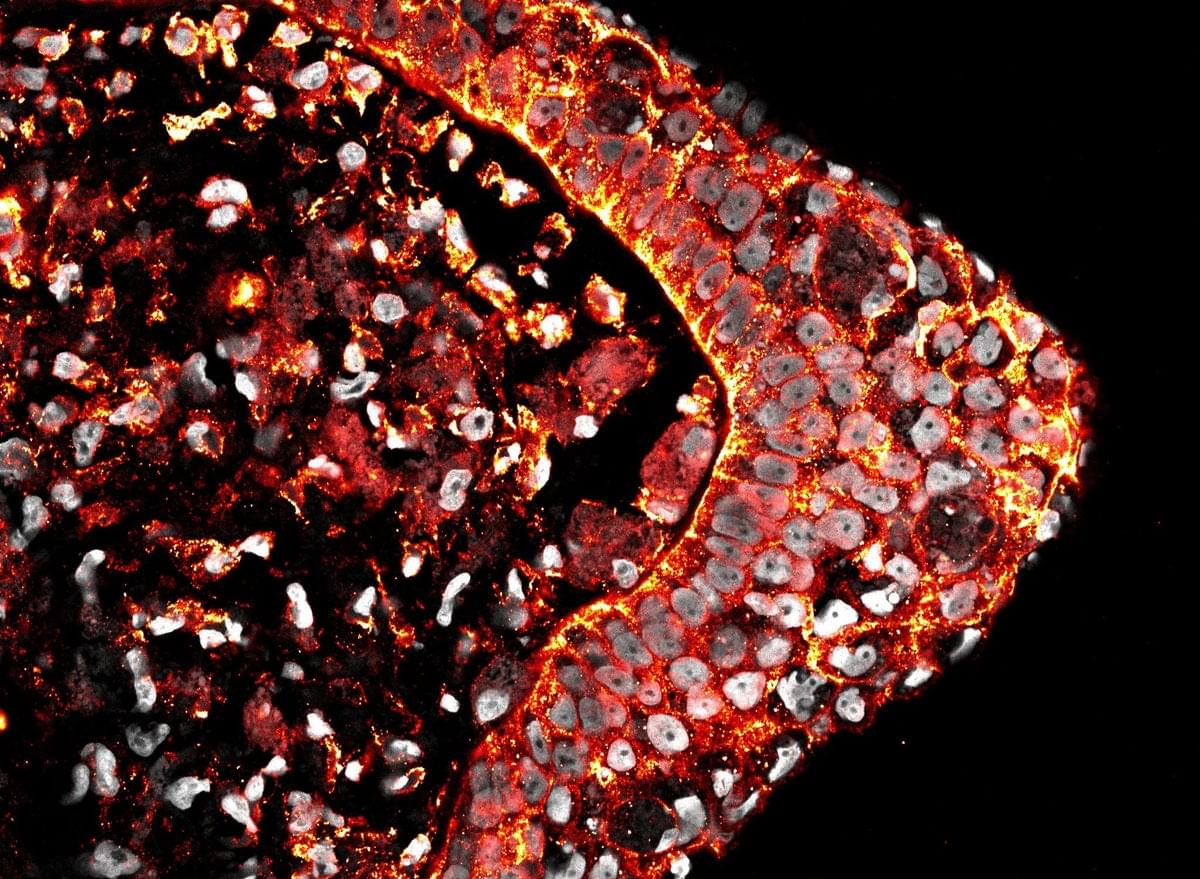
Rb1 identified as predictive biomarker for new therapeutic strategy in some breast cancers

A new study published in Science Translational Medicine by researchers at The University of Texas MD Anderson Cancer Center details a therapeutic vulnerability in patients with an aggressive subtype of triple-negative breast cancer.

Led by Khandan Keyomarsi, Ph.D., professor of Experimental Radiation Oncology, the study shows that simultaneous inhibition of ATR and PKMYT1 triggers a type of cell death in Rb1-deficient breast cancer models.

Using genomic profiling, proteomics and patient-derived xenografts, the researchers found that loss of Rb1—a gene important for normal cell division—disrupts DNA repair processes and forces tumor cells to rely on ATR and PKMYT1 dependent pathways for survival, creating a vulnerability that can be selectively targeted.

Why a mild brain injury can trigger Alzheimer’s

New research from the University of Virginia School of Medicine is revealing why traumatic brain injury increases the chance of developing Alzheimer’s disease—and the discovery is pointing to a potential strategy to prevent the progressive brain disorder.

John Lukens, director of UVA’s Harrison Family Translational Research Center in Alzheimer’s and Neurodegenerative Diseases—housed within the Paul and Diane Manning Institute of Biotechnology—and his team discovered that even one mild traumatic brain injury can set off damaging changes, paving the way for the development of Alzheimer’s.

“Our findings indicate that fixing brain drainage following head trauma can provide a much-needed strategy to limit the development of Alzheimer’s disease later in life,” said Lukens, part of UVA’s Department of Neuroscience and its Center for Brain Immunology and Glia, and author on the new study published in Cell Reports.

Wind Swirl Pattern on Density Spectral Array in Anti-GABAB Receptor Encephalitis With Seizures

This case report describes a man presenting with amnestic seizure events manifesting with a wind swirl pattern on density spectral array, resulting in a diagnosis of anti–γ-aminobutyric acid B (GABAB) receptor antibody–associated encephalitis.

Nine-gene blood signature and methylene blue offer hope for cerebral malaria

Malaria continues to place a substantial burden on many emerging economies, contributing to significant loss of life, long-term disability, and economic disruption. According to the World Health Organization, the disease accounts for about 600,000 deaths each year, with the highest impact in low- and middle-income regions where access to prompt diagnosis and treatment remains limited.

A revolutionary 3D-printed titanium jaw implant takes a bite out of surgery time

CADskills is a medical device startup based in Ghent, Belgium. Their expertise lies in patient-specific implants, with a focus on CMF and neurosurgery patients. What is putting them in Materialise’s spotlight however, is their AMSJI: a revolutionary 3D-printed titanium jaw implant that will make life better for extreme maxillary atrophy sufferers. Now there’s something to […]

The force-sensing GPCR LPHN2 is indispensable for normal auditory function

The mechanosensitive LPHN2 expressed at the tips of stereocilia in cochlear hair cells is identified as a modulator in the auditory process by interacting with MET channel components, which contributes to the Ca2+ response and neurotransmitter release in cochlear hair cells in response to mechanical stimulation.

Reversible spin splitting effect achieved in altermagnetic RuO₂ thin films

A research team affiliated with UNIST has made a advancement in controlling spin-based signals within a new magnetic material, paving the way for next-generation electronic devices. Their work demonstrates a method to reversibly switch the direction of spin-to-charge conversion, a key step toward ultra-fast, energy-efficient spintronic semiconductors that do not require complex setups or strong magnetic fields.

Led by Professor Jung-Woo Yoo from the Department of Materials Science and Engineering and Professor Changhee Sohn from the Department of Physics at UNIST, the team has experimentally shown that within the altermagnetic material ruthenium oxide (RuO₂), the process of converting spin currents into electrical signals can be precisely controlled and flipped at will.

This breakthrough is expected to accelerate the development of low-power devices capable of processing information more efficiently than current technologies. The study is published in the journal Nano Letters.

‘Devious’ Lung-Brain Cancer Connection Surprises Researchers

Lung cancer cells metastasizing to the brain can form real electrical synapses with neurons, not just hijack brain space — a discovery that may open new therapeutic targets. Researchers found that neuronal activity actually spurs tumor growth and that drugs reducing neuron signaling could slow cancer proliferation.


Two teams discover how small cell lung cancer hijacks neural pathways to proliferate faster, especially to the brain. Common neuro drugs could be the answer.

/* */