A group of the top minds in AI gathered over the weekend to discuss the “posthuman transition” — a mind-bending exercise.


The Checkmate Machine: https://www.amazon.com/dp/B0DTP9R6QL?tag=lifeboatfound-20
UK Edition: https://www.amazon.co.uk/dp/B0DWHFW3MF
Tip me: https://www.subscribestar.com/dave-cullen/tip.
Follow me on X: https://twitter.com/DaveCullenShow.
Subscribestar: https://www.subscribestar.com/dave-cullen.
Follow me on Bitchute: https://www.bitchute.com/channel/hybM74uIHJKg/
KEEP UP ON SOCIAL MEDIA:
https://gab.com/DaveCullen.
Minds.com: https://www.minds.com/davecullen.
Subscribe on Odysee: https://odysee.com/@TheDaveCullenShow:7
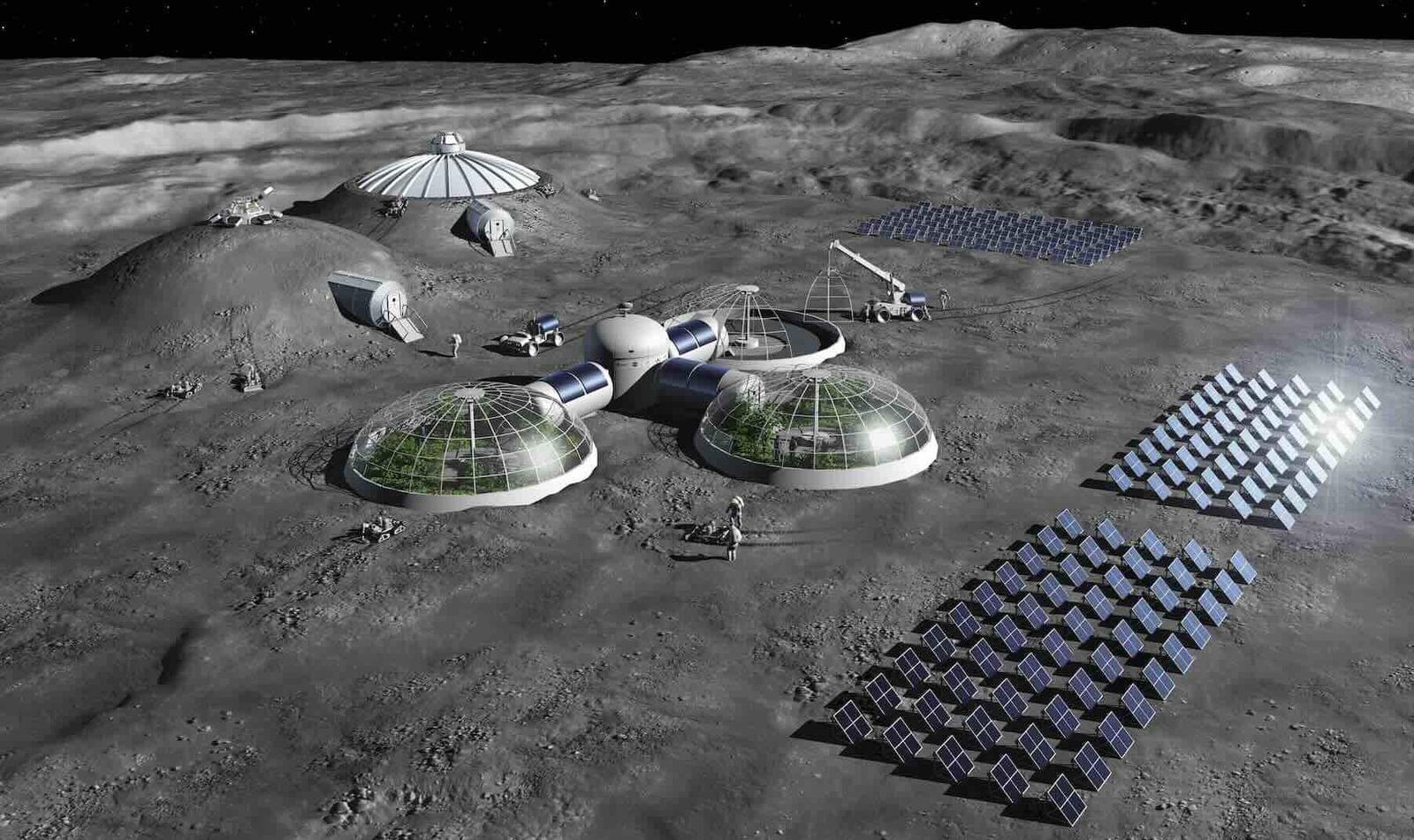
Interstellar travel, warp drive, faster than light travel, warp bubble, Alcubierre drive, NASA warp drive, space-time distortion, light speed travel, how warp drives work, real warp technology, warp propulsion system, warp drive explained, warp bubble discovery, warp engine future, future of space travel, next-gen propulsion, quantum space travel, NASA future engines, faster than light propulsion, warp speed engine, interstellar propulsion, warp field theory, realistic warp drive, time-space bending, warp drive research, space compression engine, warp bubble formation, speed of light engine, space travel breakthrough, quantum warp physics, NASA Alcubierre experiments, faster than light spacecraft, space engine of the future, science behind warp travel, future space engines, advanced propulsion systems, faster space travel, interstellar engine, AI warp technology, warp speed concept, deep space propulsion, warp travel possibility, future of interstellar travel, warp field generator, warp drive simulation, space-time technology, warp engine design, warp travel physics, NASA advanced propulsion, light speed technology, interstellar drive, futuristic space missions, quantum warp theory, interstellar exploration, Alcubierre theory explained, faster than light speed real, warp drive new update, is warp drive real, warp energy system, interstellar ship design, future starship propulsion, warp travel 2025, theoretical warp engine, quantum warp bubble, warp travel breakthroughs, warp vs hyperspace, faster than light reality, space-time folding, next-level propulsion tech, how warp bubbles work, warp field strength, warp engine NASA, intergalactic travel system, warp propulsion lab, faster than light theories, dark energy space travel, warp drive potential, NASA warp tests, AI in warp design, building warp field, interstellar future tech, light speed drive, quantum drive system, warp field breakthrough, realistic warp bubble, future propulsion technologies, warp physics 2025, space exploration engine, space future transport, human warp travel, light barrier propulsion, warp core explained, breakthrough warp news, futuristic space travel engine, hyperspace physics, gravity drive future, starship warp engine, warp field propulsion, advanced space engine, warp travel truth, real warp space engine, warp research 2025, NASA space warp news, interstellar velocity tech, how close is warp drive, warp travel secrets, build warp bubble, real future propulsion, interstellar propulsion systems, future warp experiments, antimatter warp engine, NASA interstellar roadmap, theoretical space travel, faster than light breakthrough, bending space travel, advanced NASA propulsion, deep space warp tech, warp field dynamics, interstellar navigation, space-time engineering, propulsion beyond light, warp field lab research, zero point propulsion, exotic matter warp tech, Einstein Rosen bridge travel, deep space warp bubble, warp travel possibilities, Alcubierre drive latest, cosmic warp fields, futuristic warp designs, NASA warp concepts, artificial gravity propulsion, light years in seconds, science fiction becomes real, warp engine materials, future spaceflight systems, tech behind warp travel, intergalactic warp missions, real science warp drive, breaking physics boundaries, warp acceleration tech, future speed engines, beyond light barrier, revolutionary space drives, interstellar warp fleet, building real starships, quantum flux drive, ultra fast space travel, high-speed interstellar ships, space warping devices, sci-fi into science, real warp research 2025, future warp mechanics, warp tech for Mars, light years shrink tech, high-energy warp field, space compression reality, theoretical warp fields, warp technology update, real warp engine 2025, quantum space travel, future space exploration, interstellar drive systems, warping fabric of space, cutting-edge warp research, real-world warp theories, next-gen space engines, warp drive explained simply, warp travel breakthrough, sci-fi warp facts, realistic space propulsion, next century spaceflight, space bending concepts, time space compression, warp navigation systems, warp thrust technology, energy-efficient space travel, practical warp physics, warp prototype testing, NASA warp updates, space engine revolution, warp spacecraft design, future propulsion mission, warp speed potential, traveling galaxies fast, warp system mechanics, interstellar jump theory, speed of light bypass, warp vs light engines, fusion warp engine, space warping principles, warp timeline predictions, interstellar tech 2040, breakthrough propulsion systems, warp vs wormhole travel, practical warp propulsion, warp travel tech 2025, cosmic warp navigation, interstellar physics model, galactic travel innovation, propulsion science advance, real-life star trek drive, warp experimentation lab, next era space travel, warp engine components, future of warp research, dark energy propulsion, interstellar transport future.
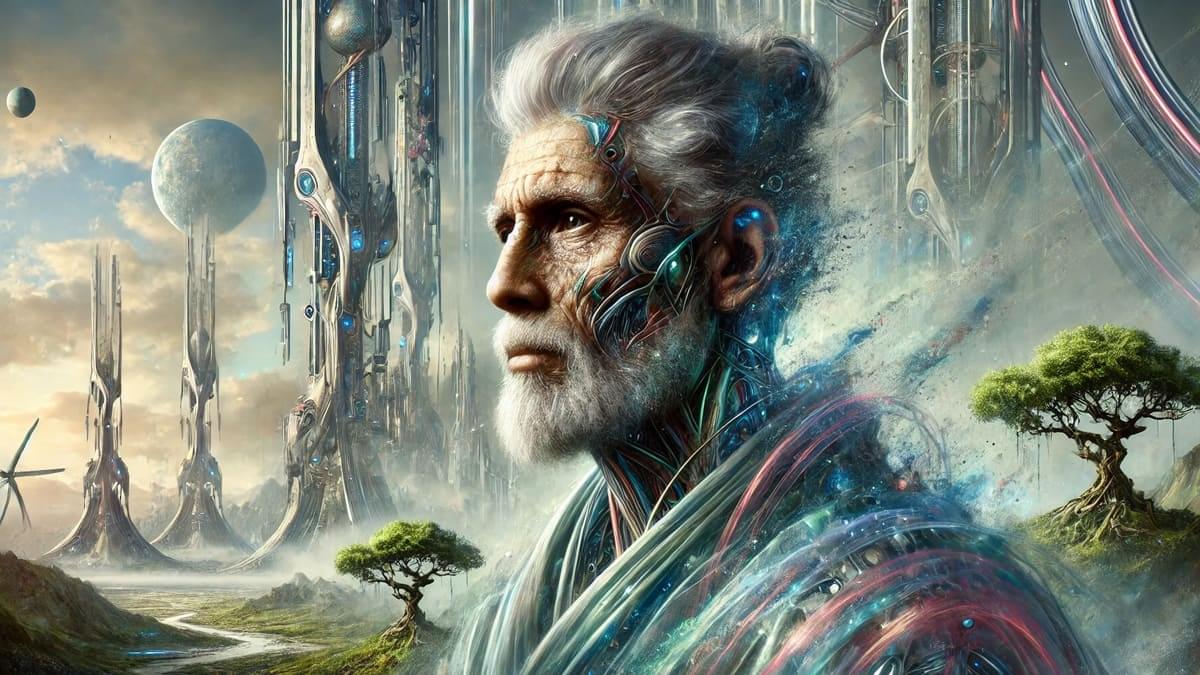
In this episode, we return to the subject of existential risks, but with a focus on what actions can be taken to eliminate or reduce these risks.
Our guest is James Norris, who describes himself on his website as an existential safety advocate. The website lists four primary organizations which he leads: the International AI Governance Alliance, Upgradable, the Center for Existential Safety, and Survival Sanctuaries.
Previously, one of James’ many successful initiatives was Effective Altruism Global, the international conference series for effective altruists. He also spent some time as the organizer of a kind of sibling organization to London Futurists, namely Bay Area Futurists. He graduated from the University of Texas at Austin with a triple major in psychology, sociology, and philosophy, as well as with minors in too many subjects to mention.
Selected follow-ups:
• James Norris website (https://www.jamesnorris.org/)
• Upgrade your life & legacy (https://www.upgradable.org/) — Upgradable.
• The 7 Habits of Highly Effective People (https://www.franklincovey.com/courses… (Stephen Covey)
• Beneficial AI 2017 (https://futureoflife.org/event/bai-2017/) — Asilomar conference.
• \
*Apply to join Foresight Intelligent Cooperation program:* https://foresight.org/intelligent-cooperation/
A group of scientists, engineers, and entrepreneurs in computer science, ML, cryptocommerce, and related fields who leverage those technologies to improve voluntary cooperation across humans, and ultimately AIs.
*Maarten Boudry | Will Humanity Be Subjugated by Superintelligent AIs?*
Abstract: Some people are worried that if we ever create superintelligent AIs, they might turn against us—trying to subjugate humanity, wrest control, and grab resources, much like living creatures shaped by evolution. Dan Hendrycks from the Center for AI Safety has argued that AI systems are already undergoing a form of natural selection, facing ruthless market competition in the current AI race. Will this endow them with the instinctive drives for self-preservation and dominance typical of evolved creatures? In this talk, I push back against this evolutionary doom scenario, using the framework of “Darwinian spaces” by Peter Godfrey-Smith. A better analogy for AI evolution might be the domestication of animals. Just as humans have bred dogs to be friendly and obedient, we might shape AIs in similar ways, selecting for desirable traits like helpfulness and non-aggression. Even in a highly competitive AI race, AIs are unlikely to become selfish or power-hungry. That said, we do agree with the AI doomers on one point: if we allow AIs to “go feral” and be subjected to truly blind evolution—like wild animals competing in nature—that could become very dangerous.
Bio: Dr. Maarten Boudry is a philosopher of science and first holder of the Etienne Vermeersch Chair of Critical Thinking at Ghent University. He published over 50 academic papers and two edited volumes: Science Unlimited? (2018) and Philosophy of Pseudoscience (2013). He wrote six trade books in Dutch on science and philosophy, the latest one being The Betrayal of Enlightenment (Het verraad aan de verlichting, 2025). He’s also a Roots of Progress fellow and a regular contributor to Quillette, The Conversation, The Independent and Human Progress. Substack for English writings: maartenboudry.substack.com.
Bio: Simon Friederich is an associate professor of philosophy of science at the University of Groningen, the Netherlands. He is currently focused on the philosophy of quantum theory, trying to solve the quantum measurement problem along the lines envisioned by Einstein before advanced AI makes his efforts redundant. He has also worked on the philosophy of technology, notably on nuclear energy, sustainability, and advanced AI. His thoughts on these topics have been featured in German and Dutch media. With his wife and five kids he lives in a village in the North of the Netherlands.
*Speaker Link*
https://maartenboudry.substack.com/
*Timecodes*

We’re closer than ever to being able to upload our minds and become “digitally immortal.” But should we?
❍ Subscribe to The Well on YouTube: https://bit.ly/welcometothewell.
❍ Up next: Michio Kaku: 3 mind-blowing predictions about the future • Michio Kaku: 3 mind-blowing predictio…
What if our minds could live after our bodies have died? What if mortality became obsolete? Steven Kotler, award-winning journalist and executive director of the Flow Research Collective, has studied these seemingly sci-fi ideas, and it turns out that they’re not so fictional, after all. In fact, mind-uploading technology is expected to be available as early as 2045.
“Digital immortality” would have its upsides; we could preserve the minds of modern geniuses and have their guidance through future conflicts. Or, alternatively, things could get dark, as we have never before interfered with such complex evolutionary processes. Kotler explains that the ability to store human personalities and consciousness on computers poses profound ethical and societal questions.
By developing and using this mind-uploading technology, we are simultaneously redefining what it means to be a human being, pushing the boundary between life, death, and whatever is in between. It seems, whether we’re ready or not, that it is going to happen soon.