Toggle light / dark theme

Get the latest international news and world events from around the world.

Log in for authorized contributors

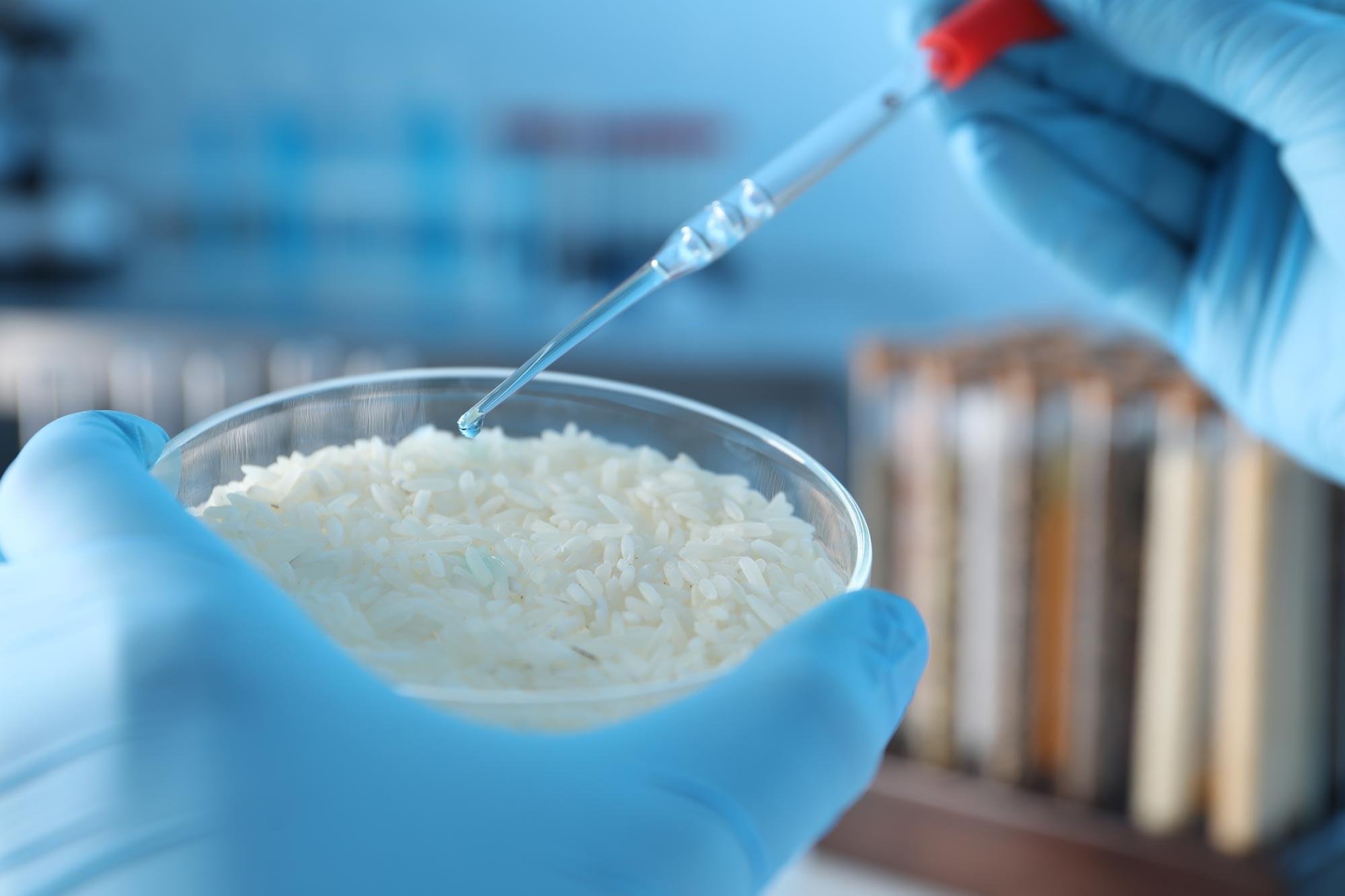
Scientists Discover Strange Property of Rice and Turn It Into a Smart Material

Rice behaves in an unexpected way under pressure. When compressed quickly, it becomes weaker, but under slow pressure it stays strong. This insight is helping scientists develop a new material that could be used in “soft” robots that automatically adjust stiffness, as well as protective gear that responds to how fast an impact occurs.

Using this property, researchers created a new type of “metamaterial,” an engineered structure designed to exhibit behaviors not found in natural materials.

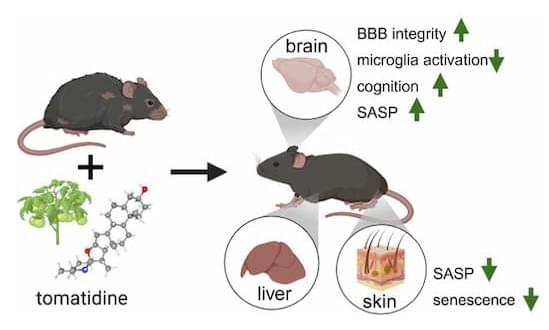
Tomatidine is a senotherapeutic compound that improves cognitive function and reduces cellular senescence in aged mice

Cellular senescence drives aging and age-related dysfunction across multiple tissues, including the brain. Through a high-content, senescent cell-based phenotypic screen of a small panel of natural products, we identified tomatidine, an aglycone of tomatine found in tomatoes, as a previously unrecognized senotherapeutic agent. In senescent human brain microvascular endothelial cells and fibroblasts, tomatidine selectively suppressed SASP expression without affecting p16Ink4a or p21Cip1 levels consistent with a senomorphic effect. In aged mice, tomatidine reduced frailty and improved motor coordination and cognitive performance. These functional benefits were accompanied by reduced senescence markers (p16 Ink4a, p21 Cip1, and telomere-associated DNA damage foci) in liver, skin, and hippocampal neurons, along with decreased neuroinflammation and microglial activation. Tomatidine also diminished brain endothelial cell senescence while enhancing tight junction protein expression, suggesting preserved blood–brain barrier integrity. Together, these findings identify tomatidine as a promising senescence-targeting compound with beneficial effects in aged mice and support its further evaluation in mechanistic and translational studies.

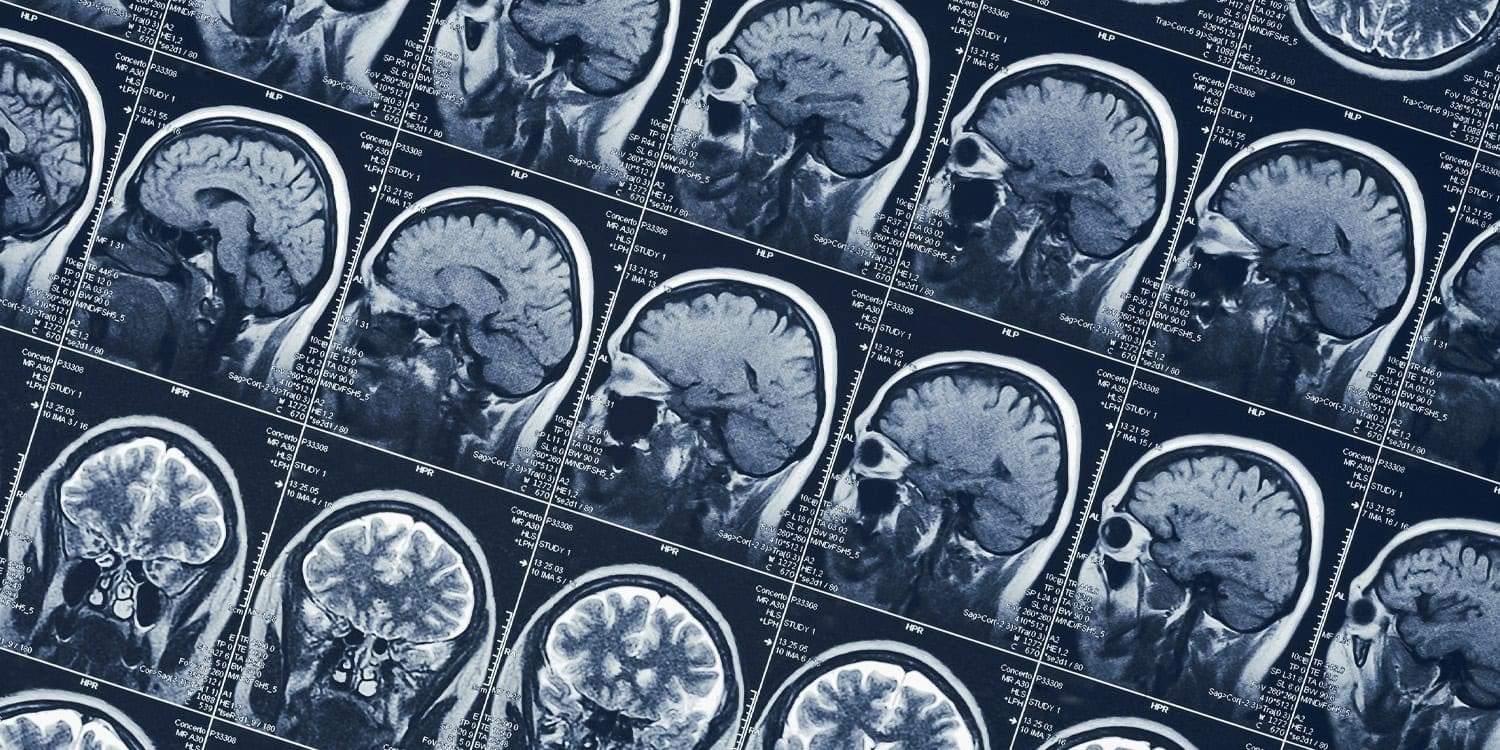
Brain scans reveal how a woman voluntarily enters a psychedelic-like trance without drugs

A groundbreaking fMRI study has mapped the exact neural shifts of a self-induced visionary state. Researchers discovered that a woman capable of voluntary trance actively disconnects her sensory networks while boosting internal cognitive control.

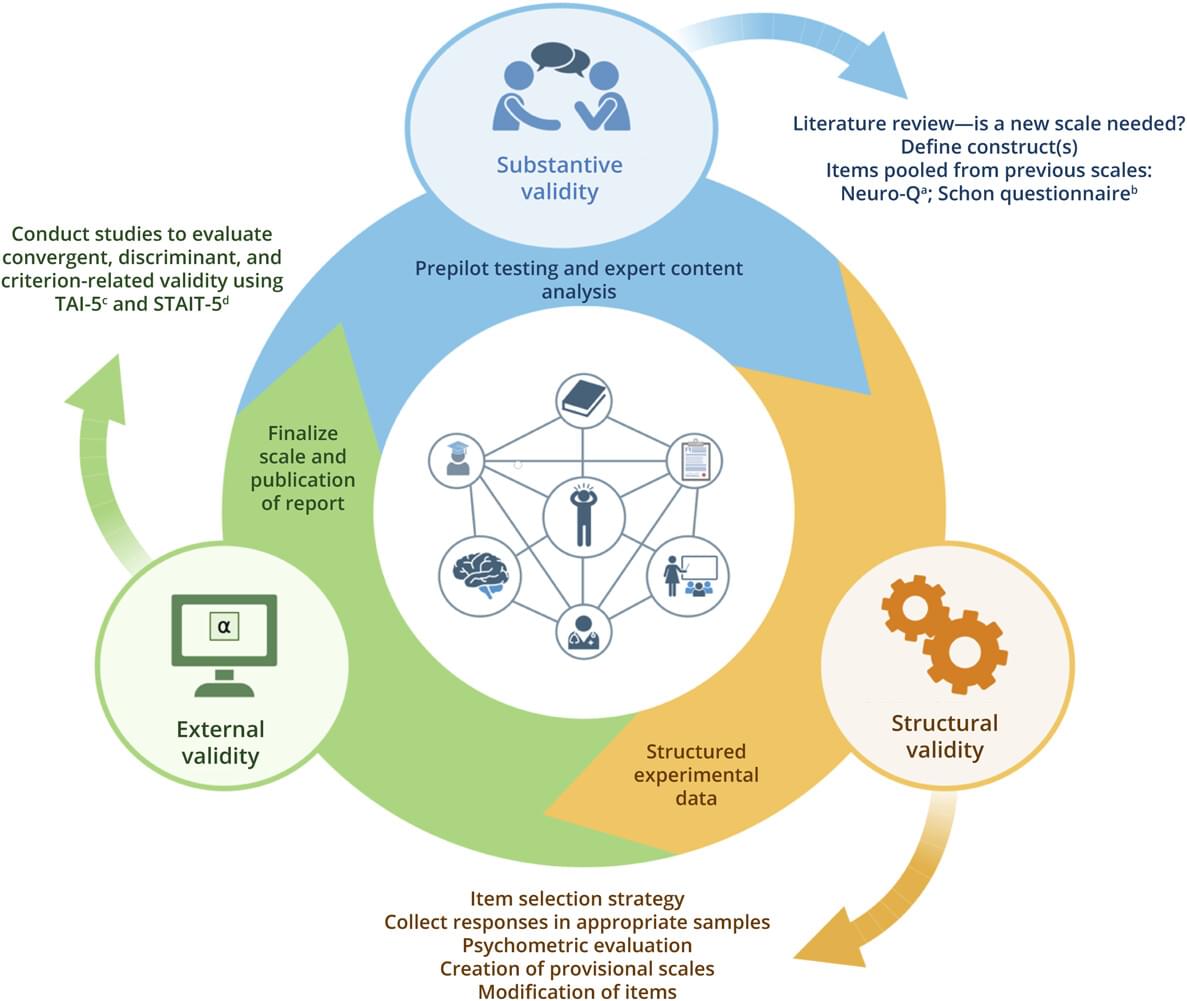
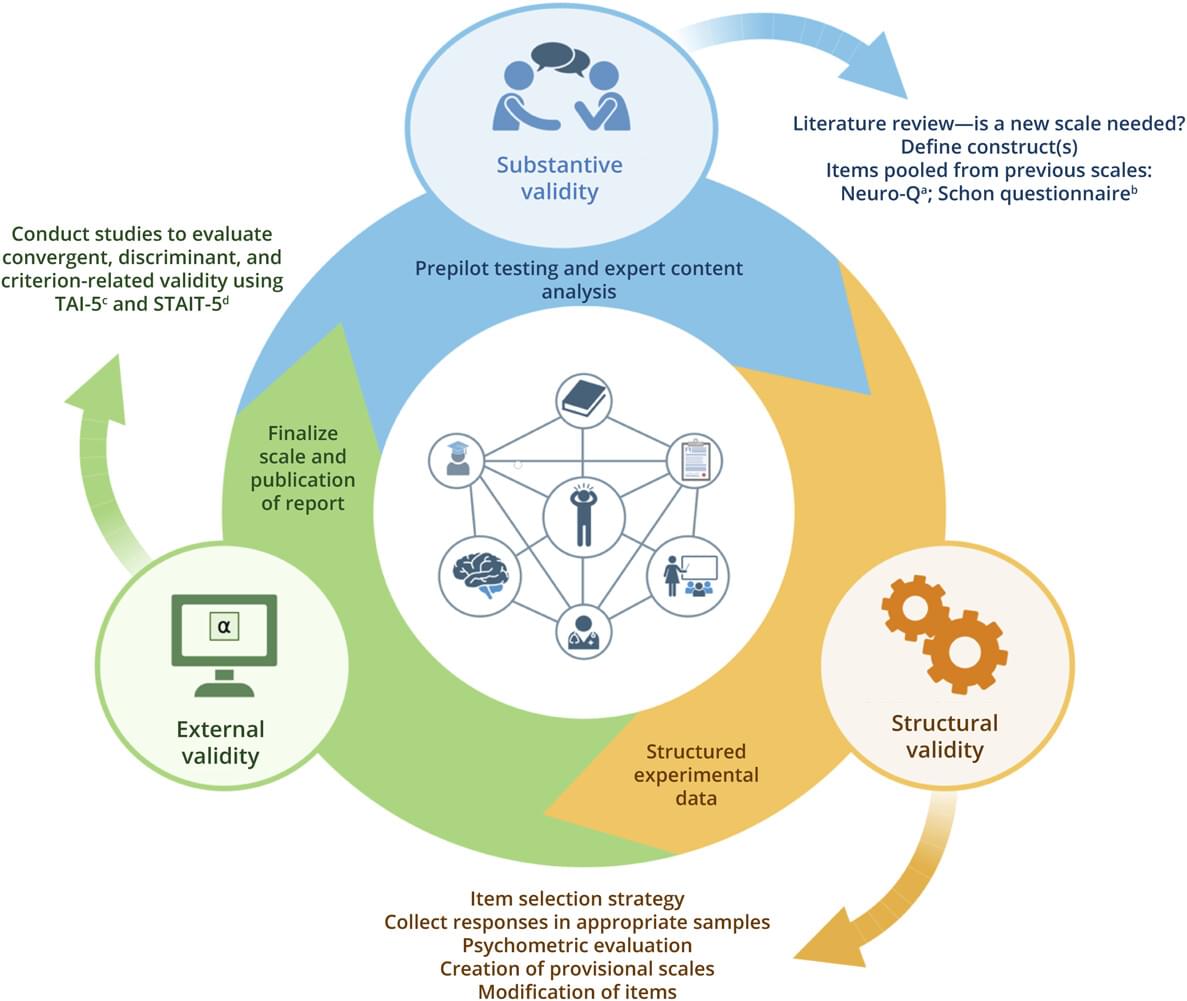
Education Research: Validity and Reliability of the Neurophobia-Combined Measure (NCM) in Irish Medical Students

Background and ObjectivesNeurophobia, defined as a fear of neurology and the neurosciences, is a recognized barrier in medical education and clinical practice. It affects one-third of medical students internationally, yet measurement approaches remain…

ADAR1 regulates dsRNA formation in nuclear and mitochondrial transcripts through editing-dependent and —independent mechanisms

We report that the RNA-editing enzyme ADAR1 downregulates nuclear-and mitochondria-encoded double-stranded RNAs (dsRNAs) to maintain immune homeostasis. ADAR1 employs RNA-editing-dependent and-independent mechanisms to keep dsRNA levels low in cells. Notably, upon ADAR1 loss, mitochondrial dsRNA levels increase and can cause enhanced inflammation upon mitochondrial stress.

Microscopic mechanism of ‘quantum collapse’ in real-world environments uncovered for the first time

A research team has, for the first time in the world, elucidated the microscopic mechanism by which quantum order is lost and collapses in “open quantum environments” existing in nature. Since perfectly isolated quantum systems cannot exist in reality, this study is expected to provide a decisive breakthrough in bridging the gap between ideal quantum theory and quantum technologies that must operate in real-world environments.

The study is published in the journal Advanced Science. The study was led by Professor JaeDong Lee of the Department of Physics and Chemistry at DGIST.

/* */