Unlock the future with quantum computing. Discover how Chicago is pioneering this revolution, transforming industries, and solving global challenges.
New insights into the role of signal transducer and activator of transcription (STAT)-3 in regulating mitochondrial function in acute myeloid leukemia (AML): by linking STAT3 signaling to mitochondrial metabolism and apoptosis control, this study provides new mechanistic insight into how AML cells maintain their energy balance and resist cell death. These findings highlight mitochondrial regulation as a potential therapeutic vulnerability in AML.
Signal transducer and activator of transcription 3 (STAT3) is a well-described transcription factor that mediates oxidative phosphorylation and glutamine uptake in bulk acute myeloid leukemia cells and leukemic stem cells. STAT3 has also been shown to translocate to the mitochondria in acute myeloid leukemia cells, and phosphorylation at the serine 727 (pSTAT3 S727) residue has been shown to be especially important for the mitochondrial functions of STAT3. We demonstrate that inhibition of STAT3 results in impaired mitochondrial function and decreased leukemia cell viability. We discovered a novel interaction of STAT3 with voltage-dependent anion channel 1 (VDAC1) in the mitochondria which provides a mechanism through which STAT3 modulates mitochondrial function and cell survival. Through VDAC1, STAT3 regulates calcium and oxidative phosphorylation in the mitochondria. STAT3 and VDAC1 inhibition also results in significantly reduced engraftment potential of leukemia stem cells, including primary samples resistant to venetoclax. These results implicate STAT3 as a therapeutic target in acute myeloid leukemia.
Acute myeloid leukemia (AML) is a genetically heterogenous and highly aggressive myeloid neoplasm with poor prognosis.1,2 Standard therapy for AML has historically consisted of induction chemotherapy with an anthracycline and cytarabine, followed by consolidation with either hematopoietic stem cell transplant or high-dose cytarabine.3 Recently, therapeutic options have broadened with the advent of novel targeted therapies.4–7 However, despite high response rates, relapse is common.6 Relapsed disease is believed to originate from a quiescent subpopulation of therapy-resistant leukemic stem cells (LSC)8 which are found in greater abundance at the time of relapse than at diagnosis,9–12 and negatively correlate with survival.10,11 LSC demonstrate a unique vulnerability in their preferential reliance on mitochondrial activity and oxidative phosphorylation (OXPHOS).12–14 While Bcl-2 inhibition with venetoclax in combination with the hypomethylating agent azacitidine has demonstrated selectivity for LSC through inhibition of OXPHOS,13 resistance frequently develops via alterations in mitochondrial metabolism or activation of alternative anti-apoptotic pathways.15–19 Furthermore, prior studies of patients who progress after frontline hypomethylating agent/venetoclax have shown very poor outcomes, with a median survival following failure of this combination of 3 months or less.20–22 New strategies targeting LSC via their reliance on OXPHOS are of significant interest and have been described in several reports,7,13,23 however, further research is needed to elucidate the mechanisms underlying the observations.
Signal transducer and activator of transcription 3 (STAT3) has been shown to be important for leukemogenesis and is known to be highly expressed in many AML patients’ samples and cell lines.24–27 Canonically, STAT3 is known to undergo phosphorylation at residue Tyr705 leading to dimerization and translocation to the nucleus where it functions as a transcription factor regulating cell development, renewal, proliferation, and cell death.25,28–30 Our previous work additionally established that the transcriptional activity of STAT3 regulates mitochondrial function via a MYC-SLC1A5-mediated pathway.27 Despite its well-described nuclear role as a transcription factor, STAT3 has also been discovered to localize to the mitochondria.31,32 Prior work has suggested a variety of functions in the mitochondria, including modulation of electron transport chain activity,31–33 regulation of mitochondrial genes,34 and regulation of mitochondrial calcium flux.35,36 While phosphorylation of STAT3 at both Tyr705 (pSTAT3 Y705) and Ser727 (pSTAT3 S727) sites have been found in the mitochondria,31–33,36,37 Ser727 phosphorylation is critical for modulation of mitochondrial functions such as electron transport chain activities.31,32 These data suggest that STAT3 plays a critical role in mitochondria, although this role in AML is not well characterized.
Big Bang Thought of the Day by Nobel Laureate Peter Higgs, “The Big Bang made the universe explode into existence. The Higgs boson made it stay.” The universe formed 13.8 billion years ago. But matter could not exist without mass. In 1964, Peter Higgs proposed a solution. His Higgs boson explains why particles gained weight after the Big Bang. Confirmed in 2012 at CERN, it settled decades of cosmic theory conflicts. This discovery reshaped modern physics and cosmology forever.
When you look at text, you subconsciously track how much space remains on each line. If you’re writing “Happy Birthday” and “Birthday” won’t fit, your brain automatically moves it to the next line. You don’t calculate this—you *see* it. But AI models don’t have eyes. They receive only sequences of numbers (tokens) and must somehow develop a sense of visual space from scratch.
Inside your brain, “place cells” help you navigate physical space by firing when you’re in specific locations. Remarkably, Claude develops something strikingly similar. The researchers found that the model represents character counts using low-dimensional curved manifolds—mathematical shapes that are discretized by sparse feature families, much like how biological place cells divide space into discrete firing zones.
The researchers validated their findings through causal interventions—essentially “knocking out” specific neurons to see if the model’s counting ability broke in predictable ways. They even discovered visual illusions—carefully crafted character sequences that trick the model’s counting mechanism, much like optical illusions fool human vision.
2. Attention mechanisms are geometric engines: The “attention heads” that power modern AI don’t just connect related words—they perform sophisticated geometric transformations on internal representations.
1. What other “sensory” capabilities have models developed implicitly? Can AI develop senses we don’t have names for?
Language models can perceive visual properties of text despite receiving only sequences of tokens-we mechanistically investigate how Claude 3.5 Haiku accomplishes one such task: linebreaking in fixed-width text. We find that character counts are represented on low-dimensional curved manifolds discretized by sparse feature families, analogous to biological place cells. Accurate predictions emerge from a sequence of geometric transformations: token lengths are accumulated into character count manifolds, attention heads twist these manifolds to estimate distance to the line boundary, and the decision to break the line is enabled by arranging estimates orthogonally to create a linear decision boundary. We validate our findings through causal interventions and discover visual illusions—character sequences that hijack the counting mechanism.
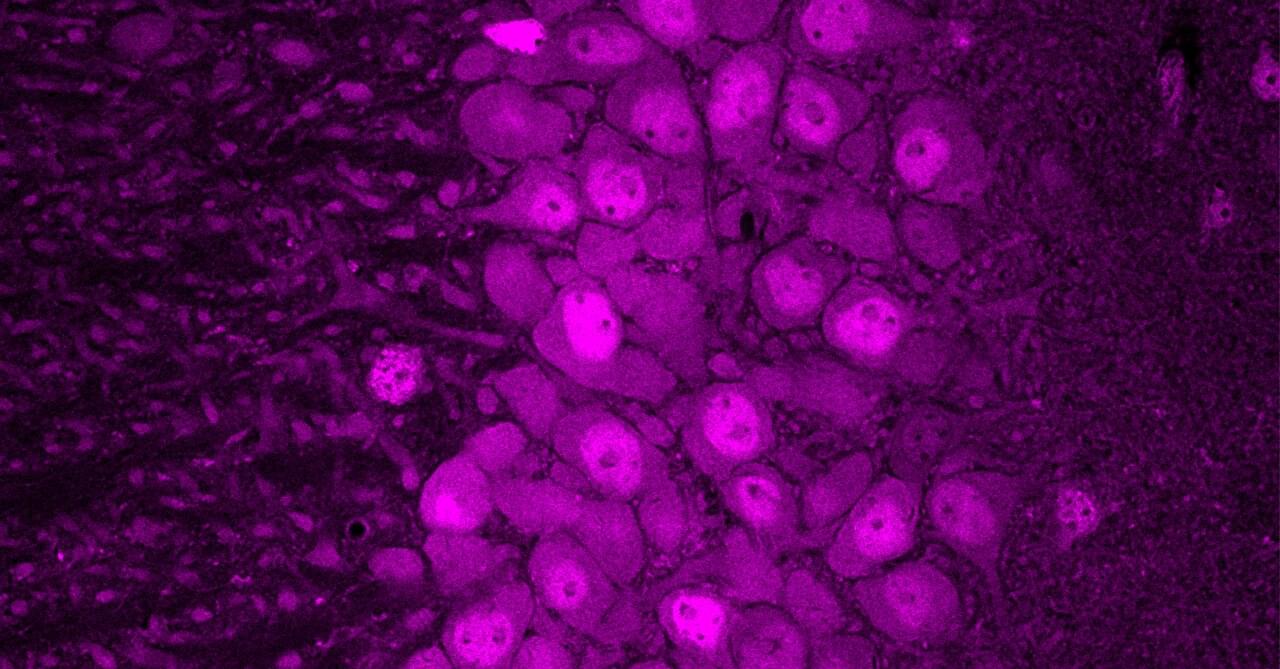
The differences in guided and unguided forebrain organoids.
The differences arising from guided or unguided differentiation of human forebrain organoids is not well understood.
The researchers perform a multiomic analysis of forebrain organoids generated by these two key methods.
The researchers demonstrate that guided forebrain organoids contained a larger proportion of neurons, including GABAergic interneurons, whereas the unguided organoids contained significantly more choroid plexus, radial glia, and astrocytes at later stages.
They also show increased levels of oxidative phosphorylation and fatty acid β-oxidation in the unguided forebrain organoids and a higher reliance on glycolysis in the guided forebrain organoids. sciencenewshighlights ScienceMission https://sciencemission.com/guided-and-unguided-forebrain-organoids
Øhlenschlæger et al. perform a multi-omic analysis of forebrain organoids generated by two key methods, guided and unguided differentiation. They document significant differences in the cell type composition and metabolic profiles of the two forebrain organoid types, providing a resource and methodological guide for the neural organoid field.
Wherever hydrogen is present, safety sensors are required to detect leaks and prevent the formation of flammable oxyhydrogen gas when hydrogen is mixed with air. It is therefore a challenge that today’s sensors do not work optimally in humid environments—because where there is hydrogen, there is very often humidity. Now, researchers at Chalmers University of Technology, Sweden, are presenting a new sensor that is well suited to humid environments—and actually performs better the more humid it gets.
“The performance of a hydrogen gas sensor can vary dramatically from environment to environment, and humidity is an important factor. An issue today is that many sensors become slower or perform less effectively in humid environments. When we tested our new sensor concept, we discovered that the more we increased the humidity, the stronger the response to hydrogen became. It took us a while to really understand how this could be possible,” says Chalmers doctoral student Athanasios Theodoridis, who is the lead author of the article published in the journal ACS Sensors.
Hydrogen is an increasingly important energy carrier in the transport sector and is used as a raw material in the chemical industry or for green steel manufacturing. In addition to water being constantly present in ambient air, it is also formed when hydrogen reacts with oxygen to generate energy, for example, in a fuel cell that can be used in hydrogen-powered vehicles and ships. Furthermore, fuel cells themselves require water to prevent the membranes that separate oxygen and hydrogen inside them from drying out.
Compared with conventional psychological models, which use simple math equations, Centaur did a far better job of predicting behavior. Accurate predictions of how humans respond in psychology experiments are valuable in and of themselves: For example, scientists could use Centaur to pilot their experiments on a computer before recruiting, and paying, human participants. In their paper, however, the researchers propose that Centaur could be more than just a prediction machine. By interrogating the mechanisms that allow Centaur to effectively replicate human behavior, they argue, scientists could develop new theories about the inner workings of the mind.
But some psychologists doubt whether Centaur can tell us much about the mind at all. Sure, it’s better than conventional psychological models at predicting how humans behave—but it also has a billion times more parameters. And just because a model behaves like a human on the outside doesn’t mean that it functions like one on the inside. Olivia Guest, an assistant professor of computational cognitive science at Radboud University in the Netherlands, compares Centaur to a calculator, which can effectively predict the response a math whiz will give when asked to add two numbers. “I don’t know what you would learn about human addition by studying a calculator,” she says.
Even if Centaur does capture something important about human psychology, scientists may struggle to extract any insight from the model’s millions of neurons. Though AI researchers are working hard to figure out how large language models work, they’ve barely managed to crack open the black box. Understanding an enormous neural-network model of the human mind may not prove much easier than understanding the thing itself.