Toggle light / dark theme

Get the latest international news and world events from around the world.

Log in for authorized contributors

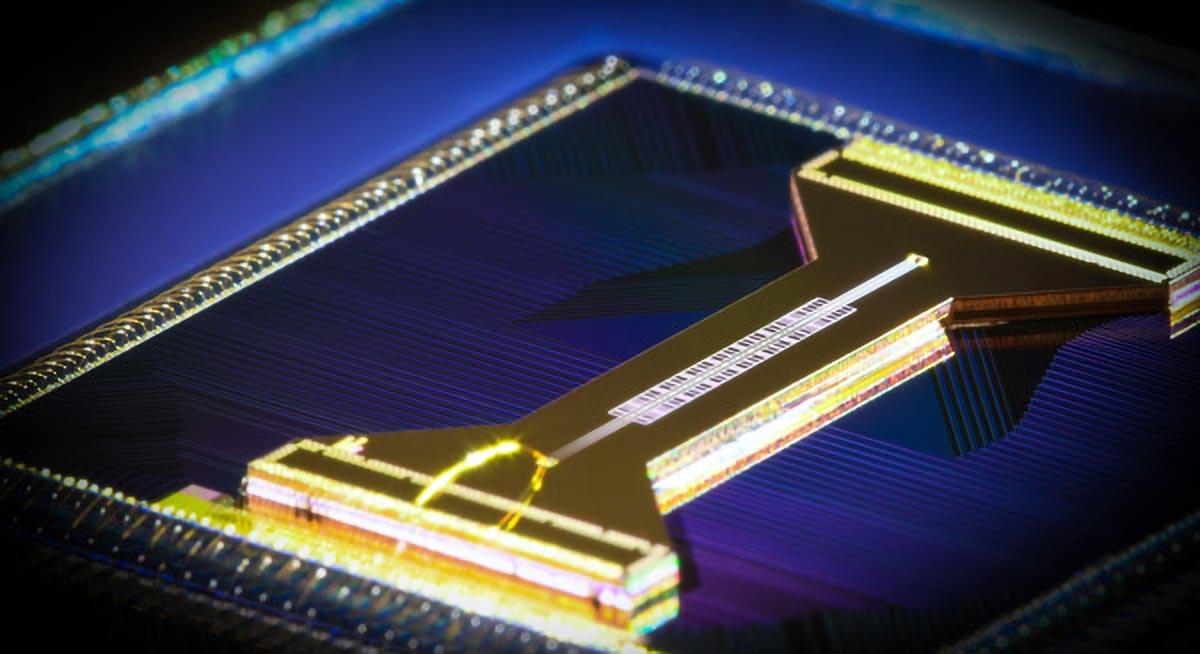
Floquet effects unlock graphene’s potential for future electronics

Graphene is an extraordinary material—a sheet of interlocking carbon atoms just one atom thick that is stable and extremely conductive. This makes it useful in a range of areas, such as flexible electronic displays, highly precise sensors, powerful batteries, and efficient solar cells.

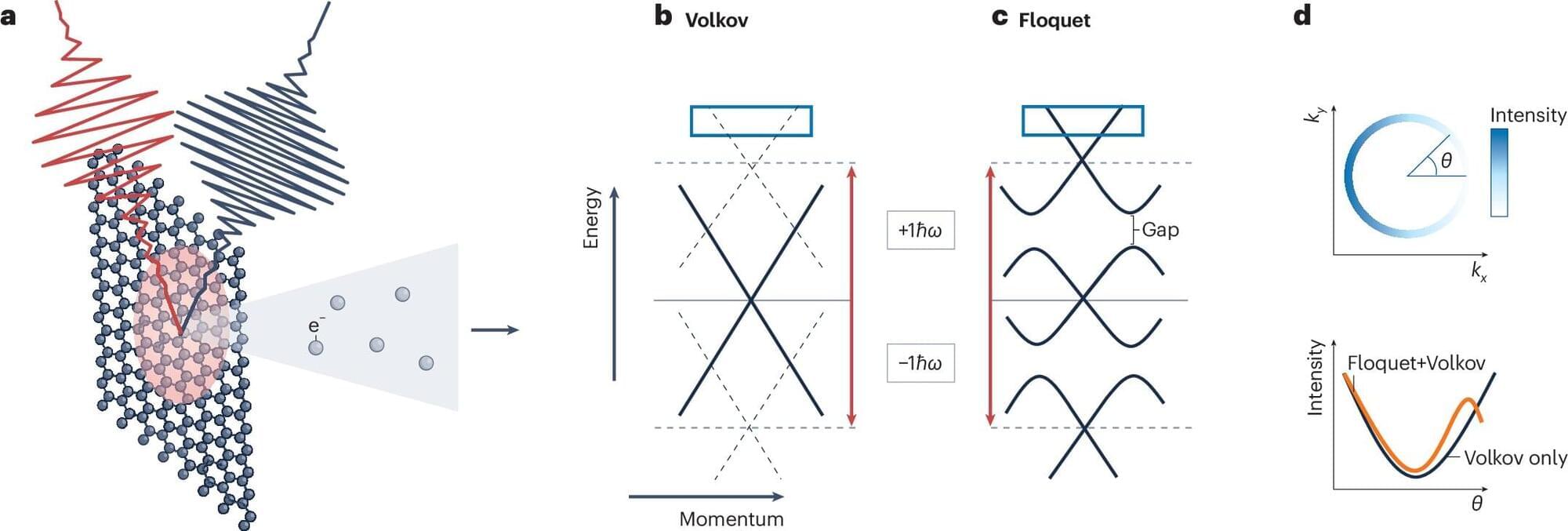
A new study—led by researchers from the University of Göttingen, working together with colleagues from Braunschweig and Bremen in Germany, and Fribourg in Switzerland—now takes graphene’s potential to a whole new level. The team has directly observed “Floquet effects” in graphene for the first time.

This resolves a long-standing debate: Floquet engineering—a method in which the properties of a material are very precisely altered using pulses of light—also works in metallic and semi-metallic quantum materials such as graphene. The study is published in Nature Physics.
3D-printed micro ion traps could solve quantum tech’s miniaturization problem

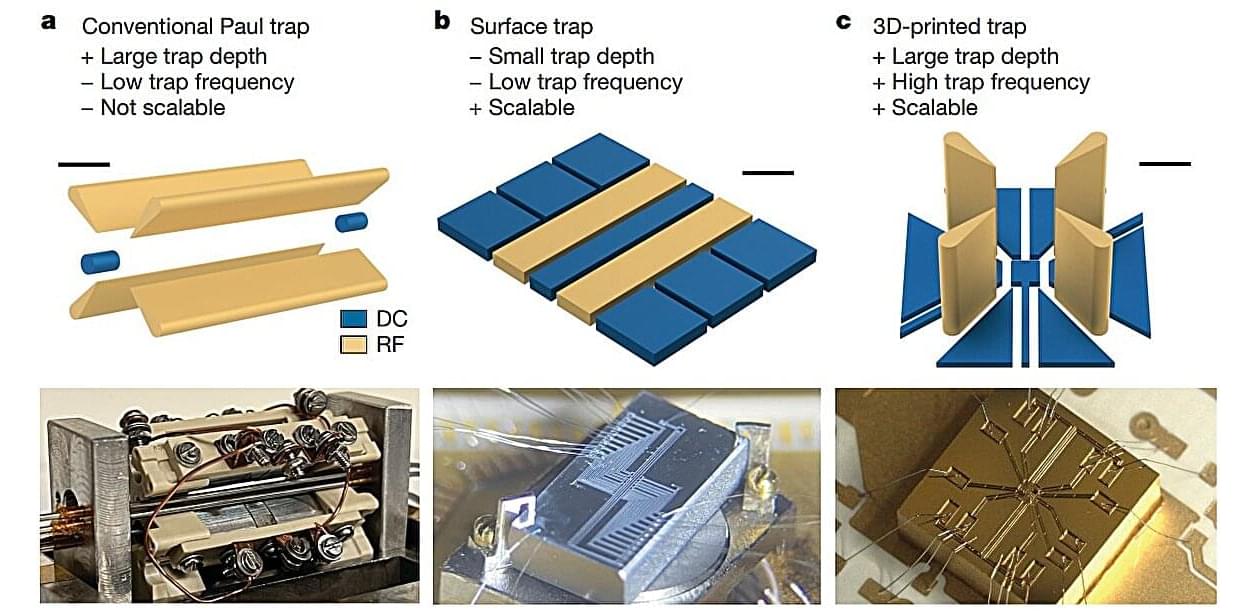
The existing bottleneck in efficiently miniaturizing components for quantum computers could be eased with the help of 3D printing.

Quantum computers tackle massive computational challenges by harnessing the power of countless tiny parts working seamlessly together. Trapped ion technology, where charged particles like ions are trapped by manipulating the , is one such component.

Current microfabrication techniques fall short when it comes to producing the complex electrode structures with optimal ion confinement suitable for quantum operations.

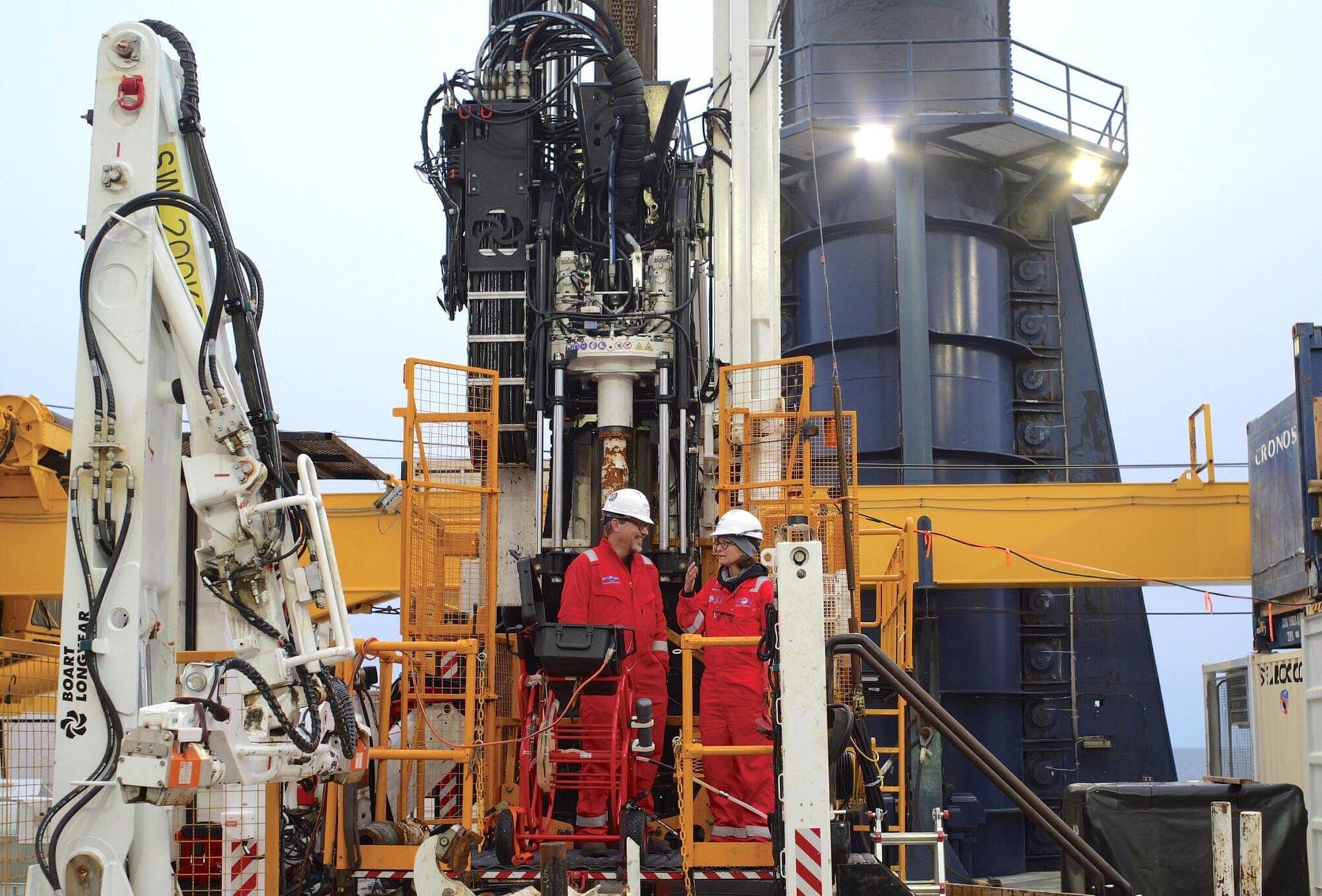
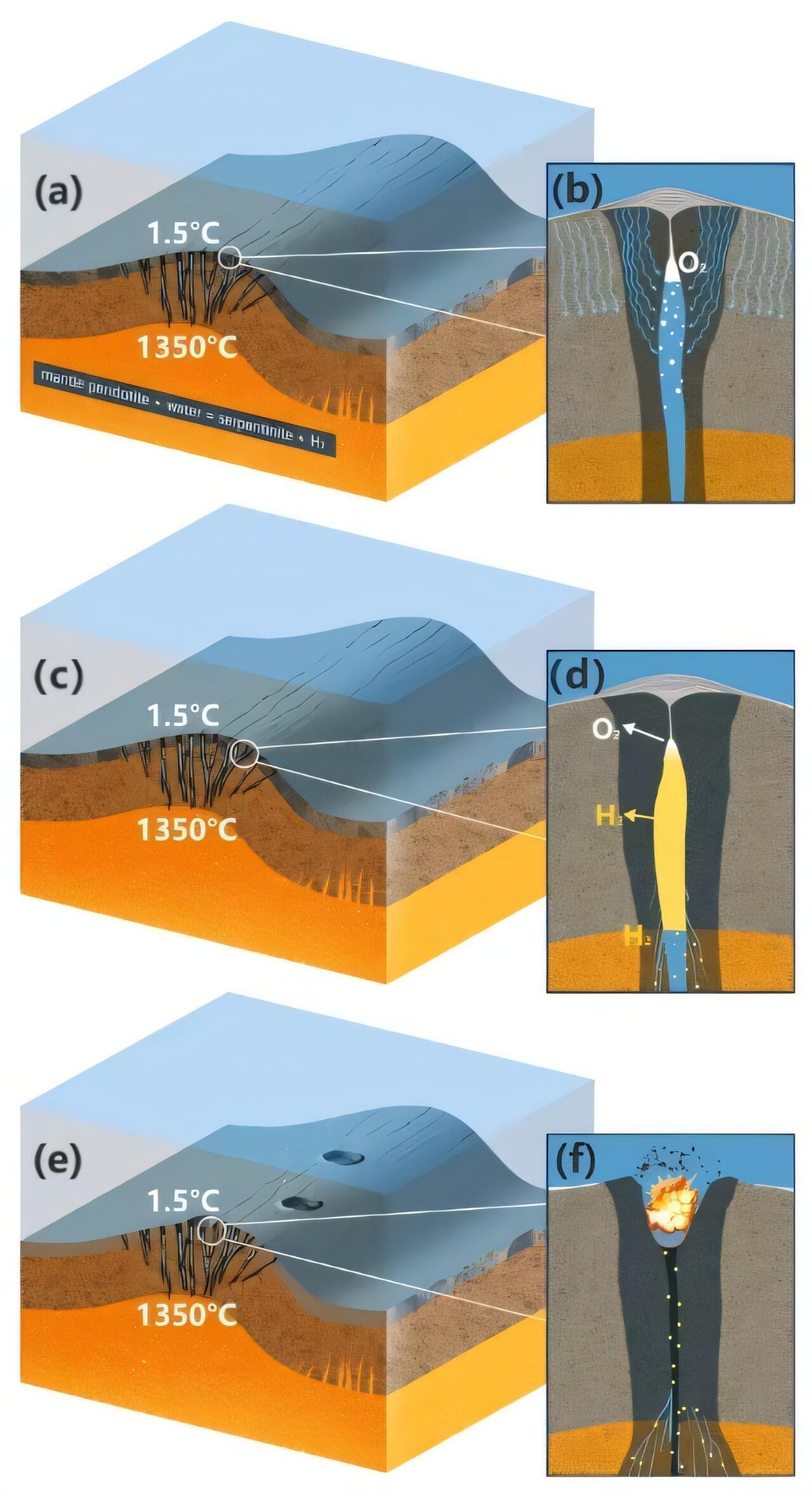
Researchers discover massive geo-hydrogen source to the west of the Mussau Trench

Hydrogen is the most abundant element in the solar system. As a source of clean energy, hydrogen is well-suited for sustainable development, and Earth is a natural hydrogen factory. However, most hydrogen vents reported to date are small, and the geological processes responsible for hydrogen formation—as well as the quantities that can be preserved in geological settings—remain unclear.

Treatment For Psychosis May Be ‘Fundamentally Flawed’, Study Finds

For decades, psychiatrists have treated psychosis as if it were separate conditions. People experiencing hallucinations and delusions might be diagnosed with schizophrenia, bipolar disorder, severe depression and related diagnoses, and receive completely different treatments based on diagnosis.

But new research suggests this approach may be fundamentally flawed.

Our latest study, published in JAMA Psychiatry, reveals that the brain changes driving psychotic symptoms are remarkably similar across these supposedly distinct mental health conditions. The findings could change how doctors choose treatments for the millions of people worldwide who experience psychosis.

/* */