Toggle light / dark theme

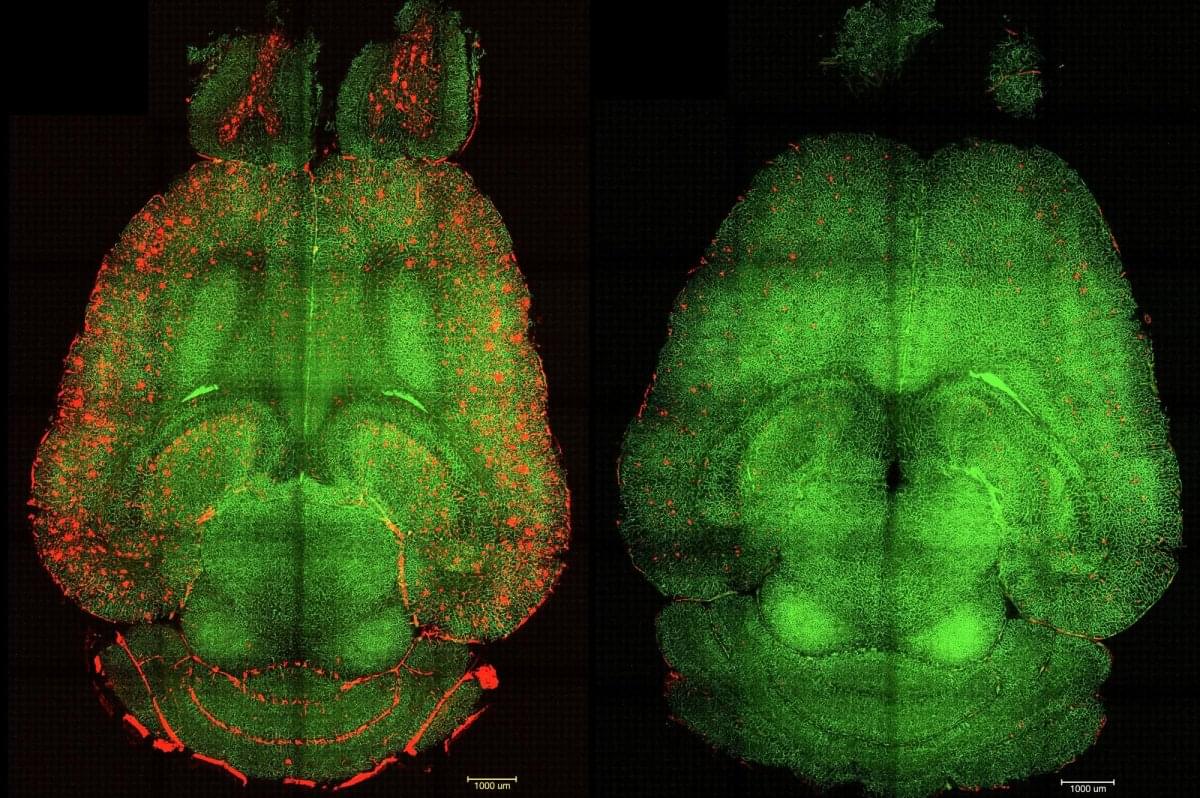
Alzheimer’s disease research in brain tissue from African American donors points to roles for many novel genes

The prevalence of Alzheimer’s disease (AD) is approximately two times higher in African Americans (AA) compared to white/European-ancestry (EA) individuals living in the U.S. Some of this is due to social determinants of health such as disparities in health care access and quality of education, biases in testing and higher rates of AD risk factors such as cardiovascular disease and diabetes in those who identify as African American.

Although many studies have examined differences in (a measure of the amount of protein encoded by a gene) in from AD cases and controls in EA or mixed ancestry cohorts, the number of AA individuals in these studies was unspecified or too small to identify significant findings within this group alone.

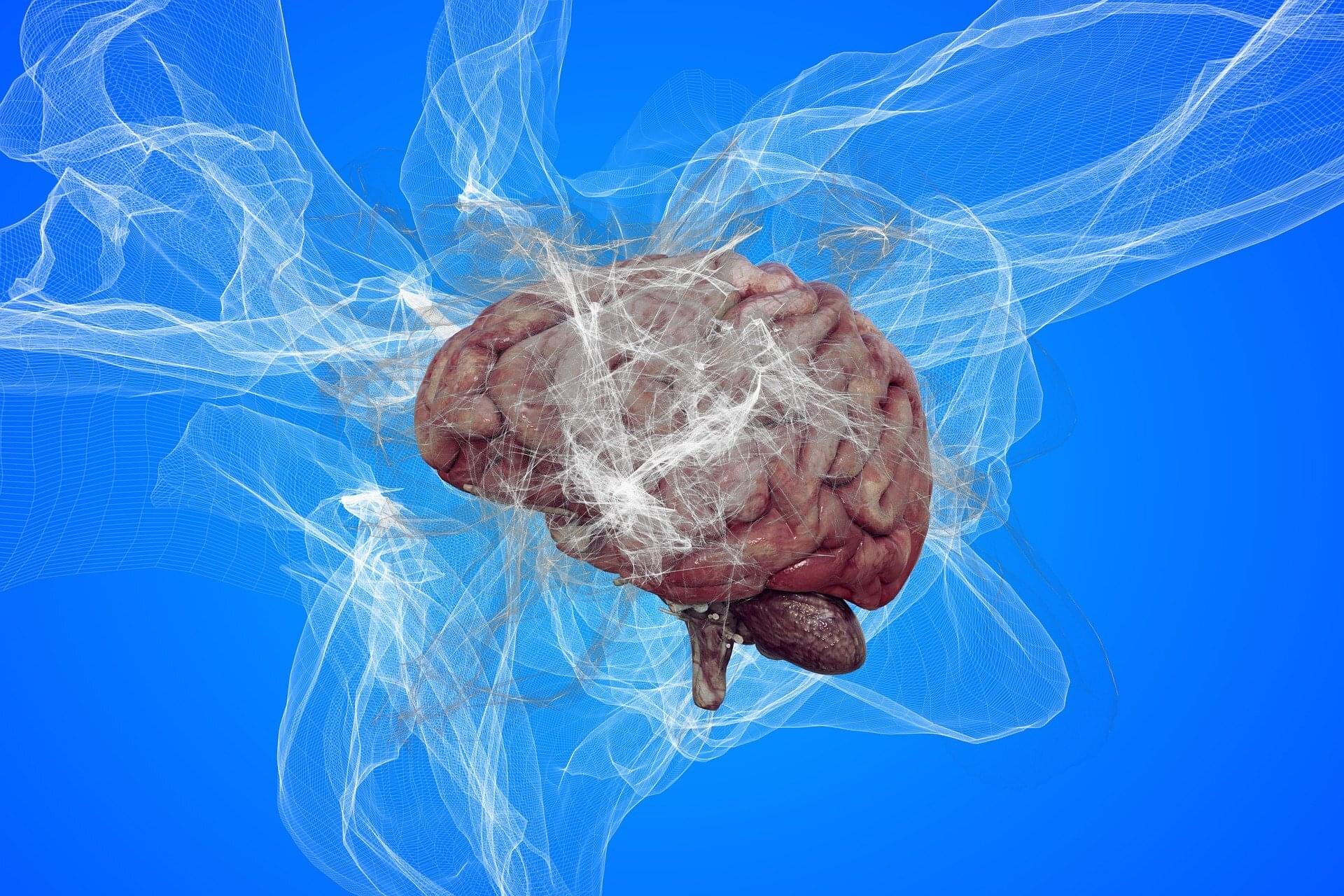
In the largest AD study conducted in brain tissue from AA donors, researchers from Boston University Chobanian & Avedisian School of Medicine have identified many genes, a large portion of which had not previously been implicated in AD by other , to be significantly more or less active in tissue from AD cases compared to controls. The most notable finding was a 1.5 fold higher level of expression of the ADAMTS2 gene in brain tissue from those with autopsy-confirmed AD.

Engineered CAR-NK cells could evade immune rejection and target cancer more effectively

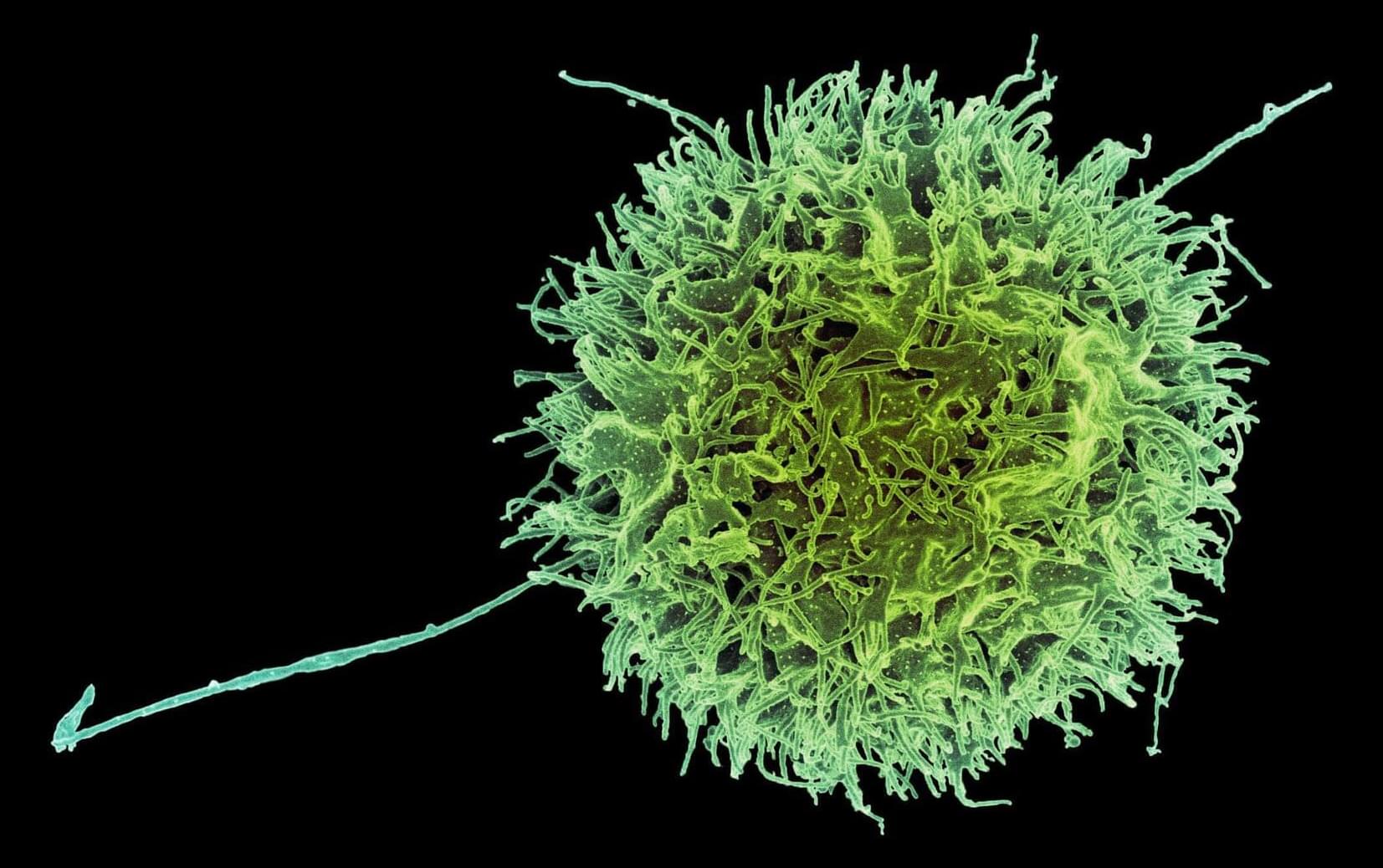
One of the newest weapons that scientists have developed against cancer is a type of engineered immune cell known as CAR-NK (natural killer) cells. Similar to CAR-T cells, these cells can be programmed to attack cancer cells.

MIT and Harvard Medical School researchers have now come up with a new way to engineer CAR-NK cells that makes them much less likely to be rejected by the patient’s , which is a common drawback of this type of treatment.

The new advance may also make it easier to develop “off-the-shelf” CAR-NK cells that could be given to patients as soon as they are diagnosed. Traditional approaches to engineering CAR-NK or CAR-T cells usually take several weeks.

Poor sleep may accelerate brain aging

People who sleep poorly are more likely than others to have brains that appear older than they actually are. This is according to a comprehensive brain imaging study from Karolinska Institutet, published in the journal eBioMedicine. The paper is titled “Poor sleep health is associated with older brain age: the role of systemic inflammation.”

Increased inflammation in the body may partly explain the association.

Poor sleep has been linked to dementia, but it is unclear whether unhealthy sleep habits contribute to the development of dementia or whether they are rather early symptoms of the disease.

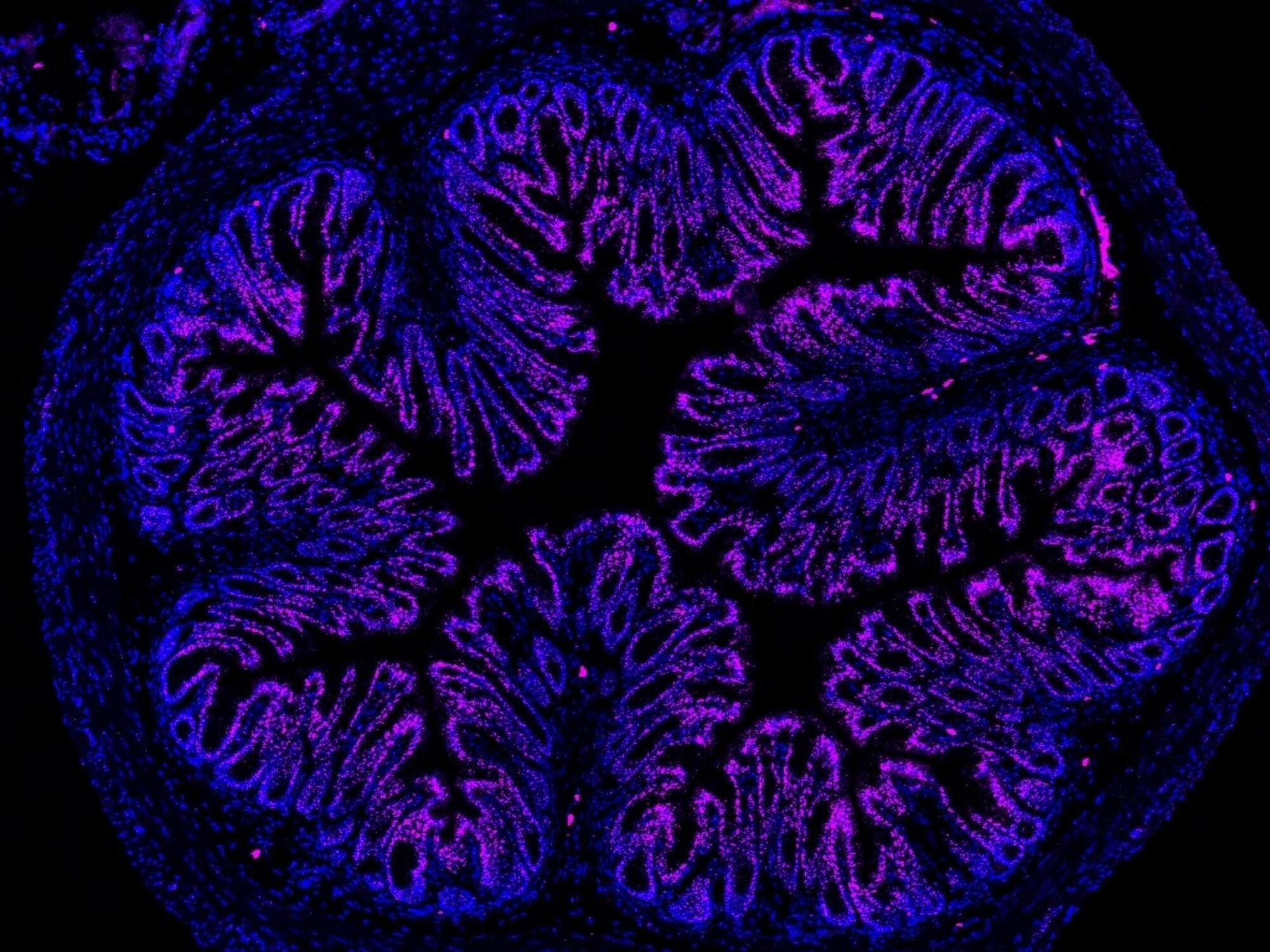
Bacterial enzyme and nanoparticle discoveries hold promise for treating gut pain

Abdominal pain is a hallmark of many digestive disorders, including inflammatory bowel disease and irritable bowel syndrome. In an effort to develop targeted treatments for gut pain, scientists have discovered a new enzyme in gut bacteria and are using nanoparticles to deliver drugs inside cells.

Currently, there are no treatments specifically for gut pain, and existing painkillers are often insufficient at managing symptoms. These drugs—including opioids, NSAIDs, and steroids—also come with side effects, some of which directly harm the digestive system.

In two new studies published in Cell Host & Microbe and Proceedings of the National Academy of Sciences, researchers focused on PAR2, a receptor involved in pain signaling that has been shown to play a role in gastrointestinal diseases marked by inflammation and pain. Found on the lining of the gut and on pain-sensing nerves in the gut, PAR2 is activated by certain enzymes called proteases and is a promising target for treating gut pain—in numerous ways.

Widely-prescribed opioid painkiller tramadol not significantly effective for easing chronic pain, analysis finds

The strong opioid painkiller tramadol is not significantly effective at easing the chronic pain for which it’s widely prescribed, finds a pooled data analysis of the available research, published in BMJ Evidence-Based Medicine.

It likely increases the risk of serious side effects, including , the findings indicate, prompting the researchers to conclude that the potential harms of tramadol probably outweigh its benefits, and that its use should be minimized.

Tramadol is a dual-action widely prescribed for the treatment of moderate to severe acute and chronic pain. As such, it’s recommended in several medical guidelines for pain management, note the researchers.

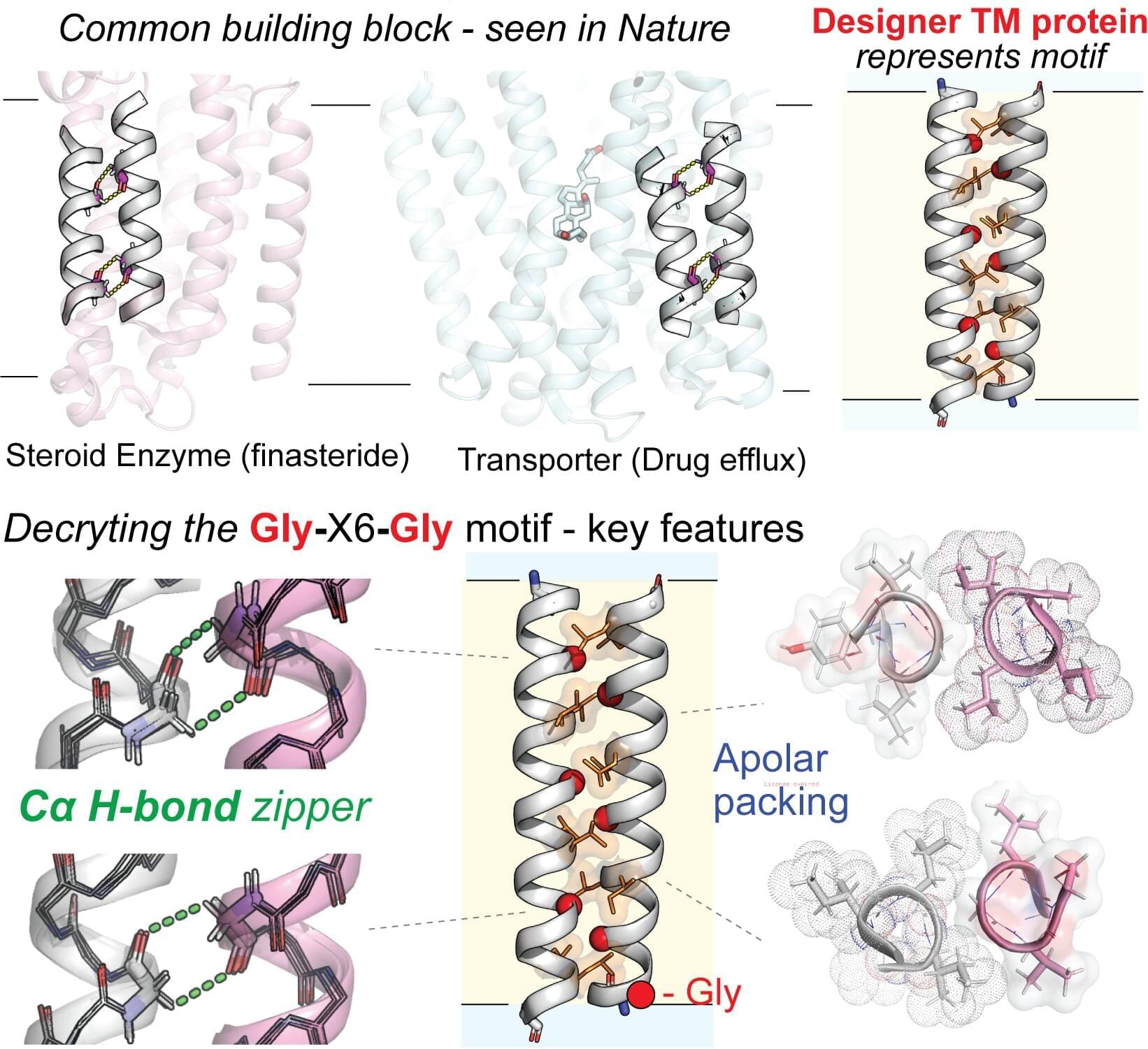
Scientists unlock new patterns of protein behavior in cell membranes

Cellular membrane proteins play many important roles throughout the body, including transporting substances in and out of the cell, transmitting signals, speeding up reactions and helping neighboring cells stick together. When they malfunction, it can cause serious diseases including cancer, making them attractive drug targets. But understanding how membrane proteins behave and function can be challenging because their position within the cell’s lipid membrane—a tightly-packed double layer of fat-like molecules—makes them difficult to study.

Computer advances and ‘invisibility cloak’ vie for physics Nobel

A math theory powering computer image compression, an “invisibility cloak” or the science behind the James Webb Space Telescope are some achievements that could be honored when the Nobel physics prize is awarded Tuesday.

The award, to be announced at 11:45 am (0945 GMT) in Stockholm, is the second Nobel of the season, after the Medicine Prize was awarded on Monday to a US-Japanese trio for research into the human immune system.

Mary Brunkow and Fred Ramsdell, of the United States, and Japan’s Shimon Sakaguchi were recognized by the Nobel jury for identifying immunological “security guards”

How hair and skin characteristics affect brain imaging: Making fNIRS research more inclusive

Functional near-infrared spectroscopy (fNIRS) is a promising non-invasive neuroimaging technique that works by detecting changes in blood oxygenation linked to neural activity using near-infrared light. Compared to fMRI and various other methods commonly used to study the brain, fNIRS is easier to apply outside of laboratory settings.

This technique requires study participants to wear a special cap fitted with optodes, which consist of light sources that emit near-infrared light into the scalp and detectors that measure the light that is reflected back. These measurements can be used to estimate blood oxygenation in the brain’s outer layers. Despite its potential for conducting research in everyday settings, the quality of signals collected using fNIRS is known to be influenced by biophysical factors.

A team of researchers at Boston University recently set out to better delineate the extent to which people’s and skin color, age and sex impact the quality of fNIRS signals picked up from their scalp.

Depression genetics differ by sex: Study find females carry higher risk than males do

Important genetic differences in how females and males experience depression have been revealed for the first time in findings that could pave the way for more targeted intervention and treatments.

In the study, published in Nature Communications, scientists found that contribute more to risk in than in males. The team discovered about twice as many genetic “flags” for depression in the DNA of females as they did in that of males.

“We already know that females are twice as likely to suffer from depression in their lifetime than males,” said Dr. Brittany Mitchell, Senior Researcher at QIMR Berghofer’s Genetic Epidemiology Lab. “And we also know that depression looks very different from one person to another. Until now, there hasn’t been much consistent research to explain why depression affects females and males differently, including the possible role of genetics.”

/* */