Toggle light / dark theme

Get the latest international news and world events from around the world.

Log in for authorized contributors

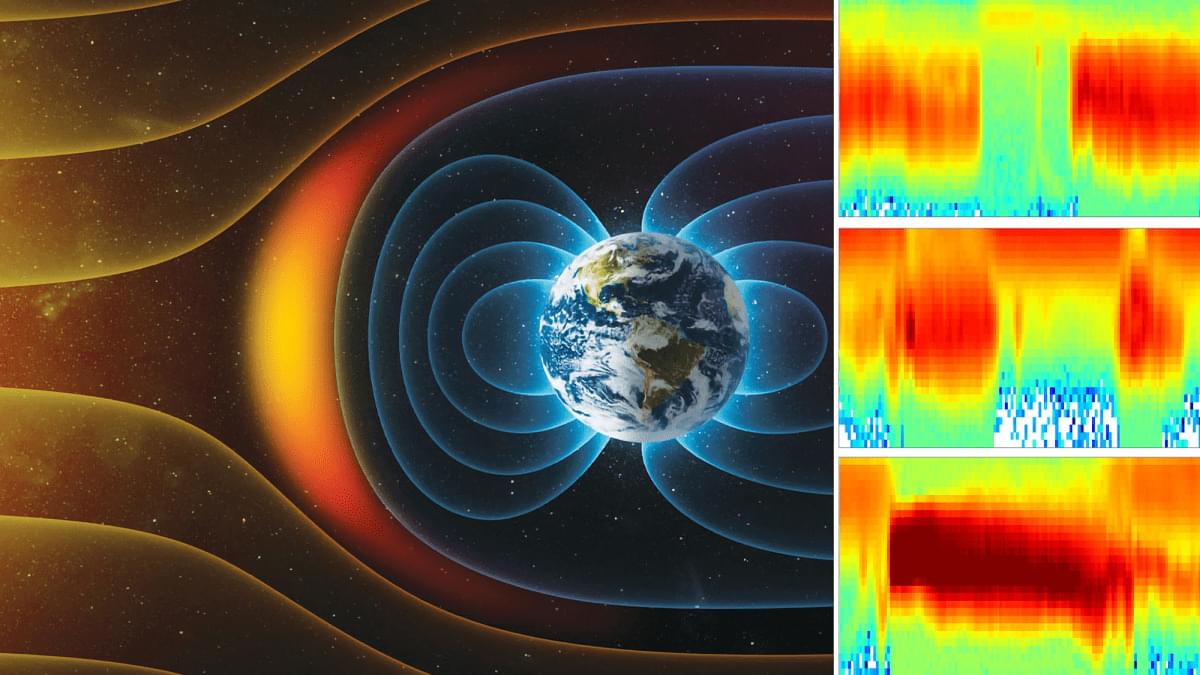
Spinning Plasma Solves a Long-Standing Fusion Reactor Mystery

A persistent asymmetry in fusion exhaust has challenged researchers for years. New simulations show that plasma core rotation, working together with cross-field drifts, determines where particles land inside a tokamak. Tokamaks are often described as giant magnetic “doughnuts,” built to keep an u

Remote volcano is waking up after being dormant for 700,000 years

It sits more than 2 miles (3.2 kilometers) down, so the current push likely comes from gases above it rather than fresh magma reaching the surface.

The pattern looks like a slow squeeze. First the ground rose, then it steadied as new cracks opened and some gas found exit paths.

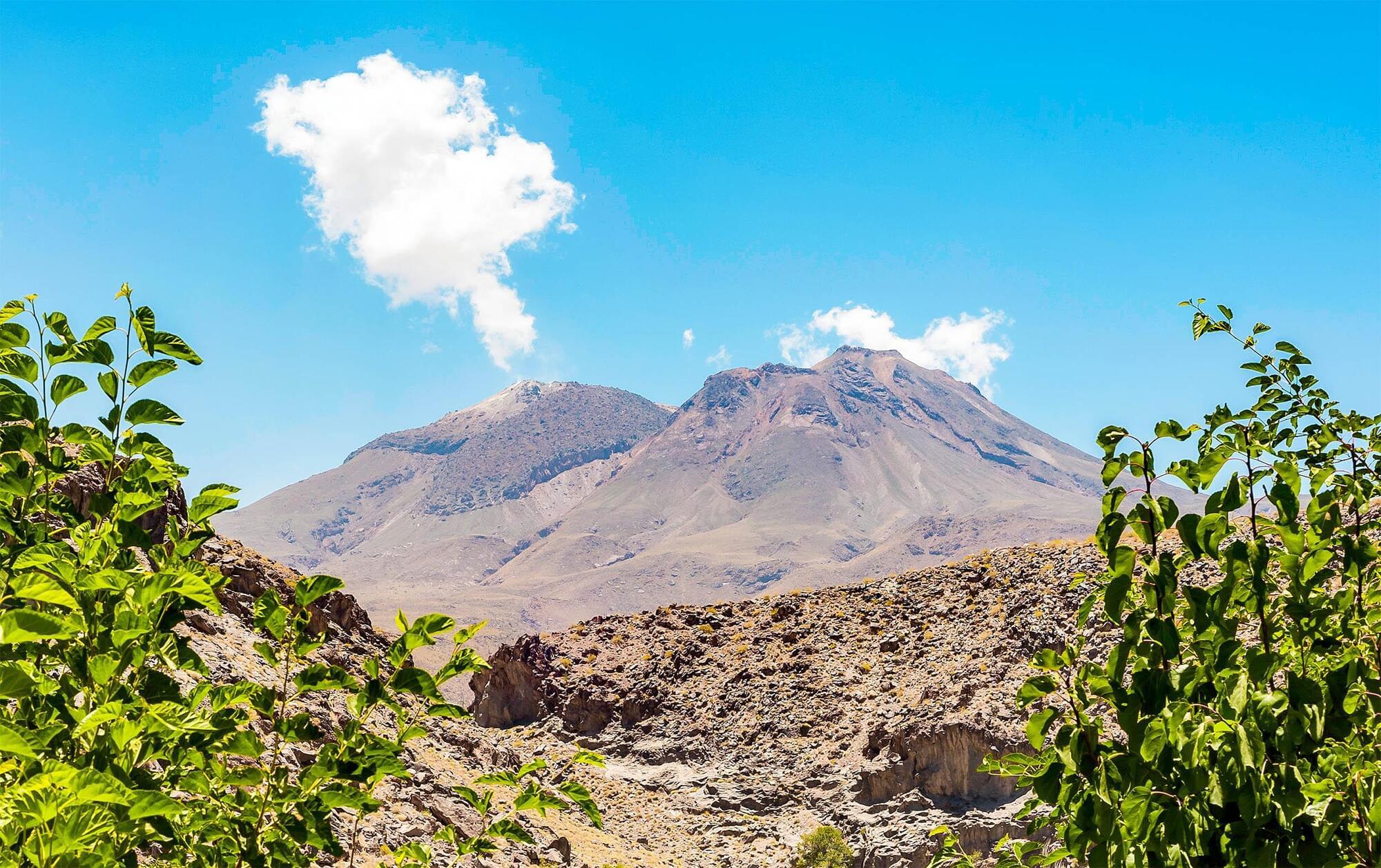
Taftan volcano is a 12,927 foot (3,940 meter) stratovolcano, a steep volcano that is built of layers of lava and ash. It vents through summit fumaroles – volcanic vents that emit gas – which shows the system still moves.

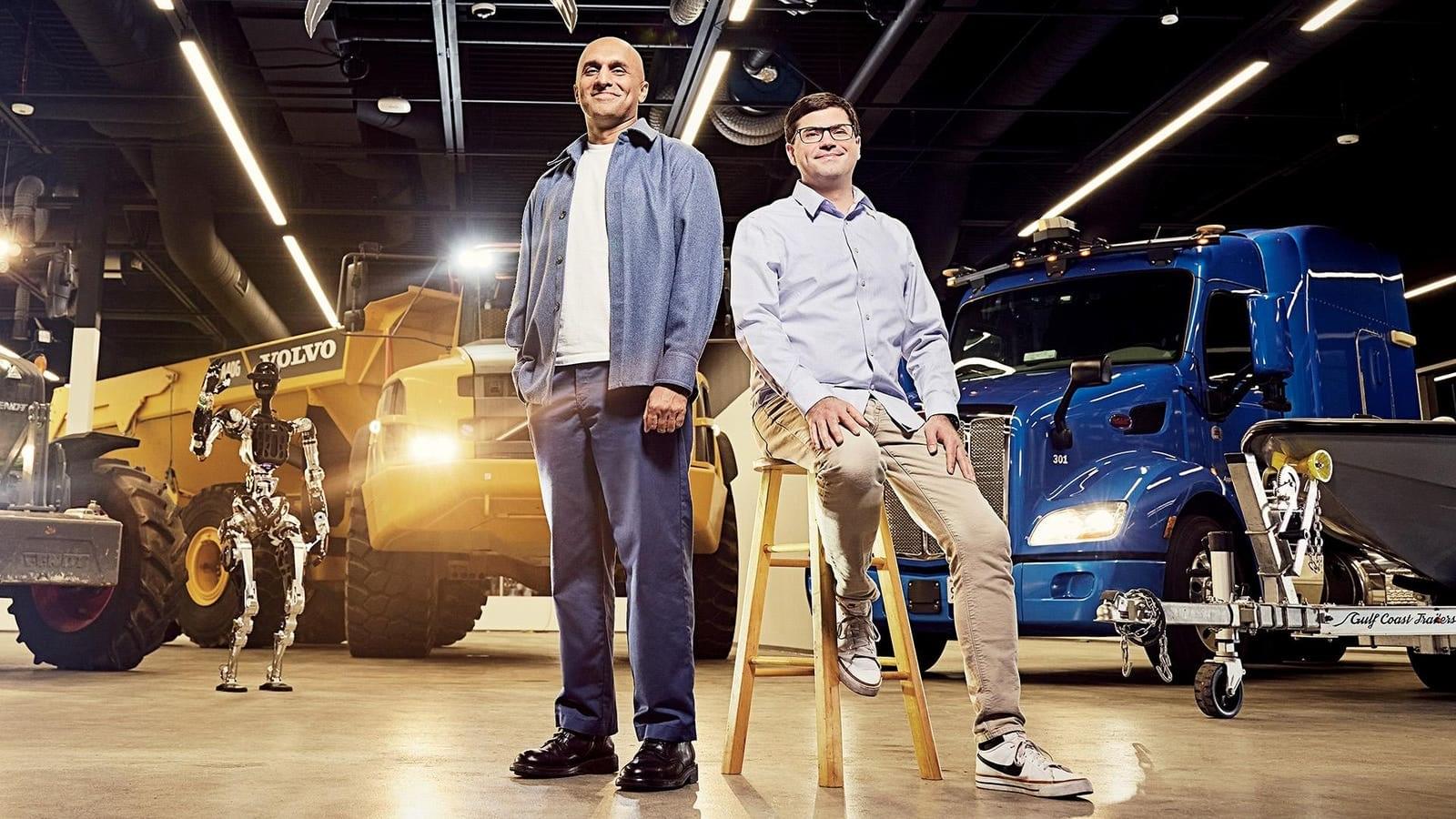
These Billionaires Plan To Bring Self-Driving Tech To Everything That Moves

Applied Intuition’s cofounders are building software that can drive everything from planes to tanks to automobiles. But to expand beyond its $800 million business selling tech for cars, they will have to take on Tesla, Google, Nvidia and a host of other startups jostling for pole position in the autonomy race.

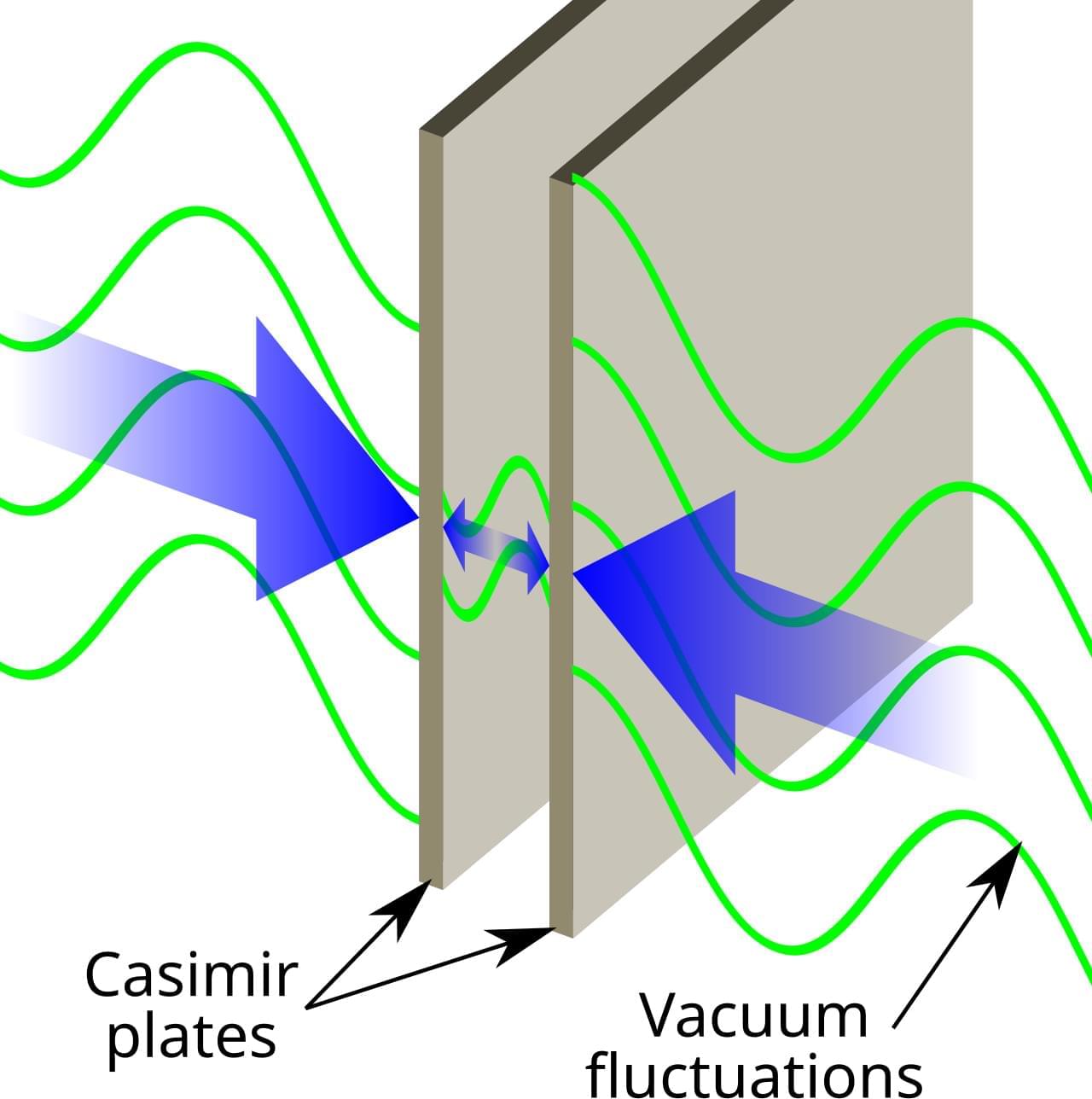
Casimir effect

In quantum field theory, the Casimir effect (or Casimir force) [ 1 ] is a physical force acting on the macroscopic boundaries of a confined space which arises from the quantum fluctuations of a field. The term Casimir pressure is sometimes used when it is described in units of force per unit area. [ 2 ] [ 3 ] It is named after the Dutch physicist Hendrik Casimir, who predicted the effect for electromagnetic systems in 1948.

Intraductal Papillary Mucinous Neoplasm and Pancreatic… : Official journal of the American College of Gastroenterology

Intraductal papillary mucinous neoplasm and pancreatic cancer: opportunity knocks twice hamada, et al.

📕 doi.org/10.14309/ajg.


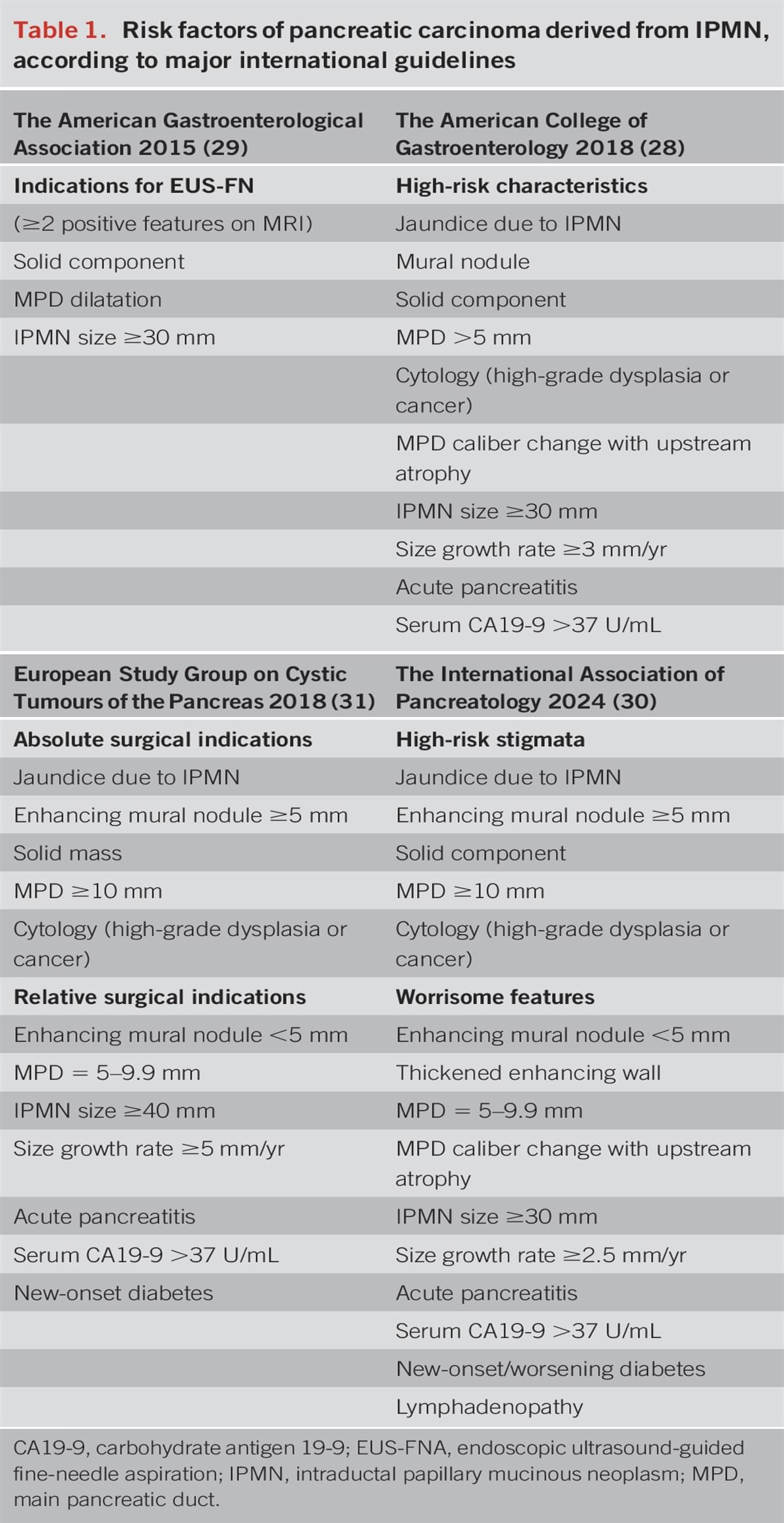
L, the wide variation in cancer risk necessitates prolonged surveillance for most patients. There is an unmet need to optimize surveillance strategies for patients with IPMNs to address the rising global mortality associated with pancreatic cancer and to balance early cancer detection against healthcare resource allocation. While published guidelines outline common risk factors of carcinoma derived from IPMN, the resource-intensive nature of surveillance underscores the need for more granular management strategies—a need not yet reflected in current recommendations. Moreover, it is important to appreciate that patients with IPMNs also face an elevated risk of developing pancreatic carcinoma arising concomitantly with IPMN. This type of carcinoma presents unique challenges for surveillance but also offers novel opportunities for the timely identification of incident pancreatic cancer.

Cosmic curveball: Distant system challenges planet-formation theory

An international team of astronomers has discovered a distant planetary system that challenges long-standing theories of how planets form. Across our galaxy, astronomers routinely observe a characteristic pattern in planetary systems: rocky planets orbiting close to their host star with gas giants farther away. Our own solar system follows this rule, with the inner planets: Mercury, Venus, Earth and Mars, composed of rock and iron, and the outer planets: Jupiter, Saturn, Uranus and Neptune being predominantly gaseous.

This pattern stems from a well-established theory of planet formation: intense radiation from the host star strips away gas accumulated by close-in planets, leaving behind bare rocky bodies. While further from the star, cooler conditions allow thick atmospheres to build, forming gaseous planets.

But a newly discovered planetary system orbiting the star LHS 1903 breaks this rule. The findings are published in Science.

/* */