Toggle light / dark theme

Spain arrests suspected hacktivists for DDoSing govt sites

Spanish authorities have arrested four alleged members of a hacktivist group believed to have carried out cyberattacks targeting government ministries, political parties, and various public institutions.

The group, which called itself “Anonymous Fénix” and claimed they were affiliated with the Anonymous hacker collective, conducted distributed denial-of-service (DDoS) attacks against targets in Spain and several South American countries, according to the Spanish Civil Guard.

The first attacks occurred in April 2023 and peaked after the flash floods that struck Valencia in late October 2024, when the group’s members attacked multiple government websites, claiming Spanish authorities were responsible for the deaths and destruction caused by the storm.

Unhackable metasurface holograms: Security technology can lock information with light color and distance

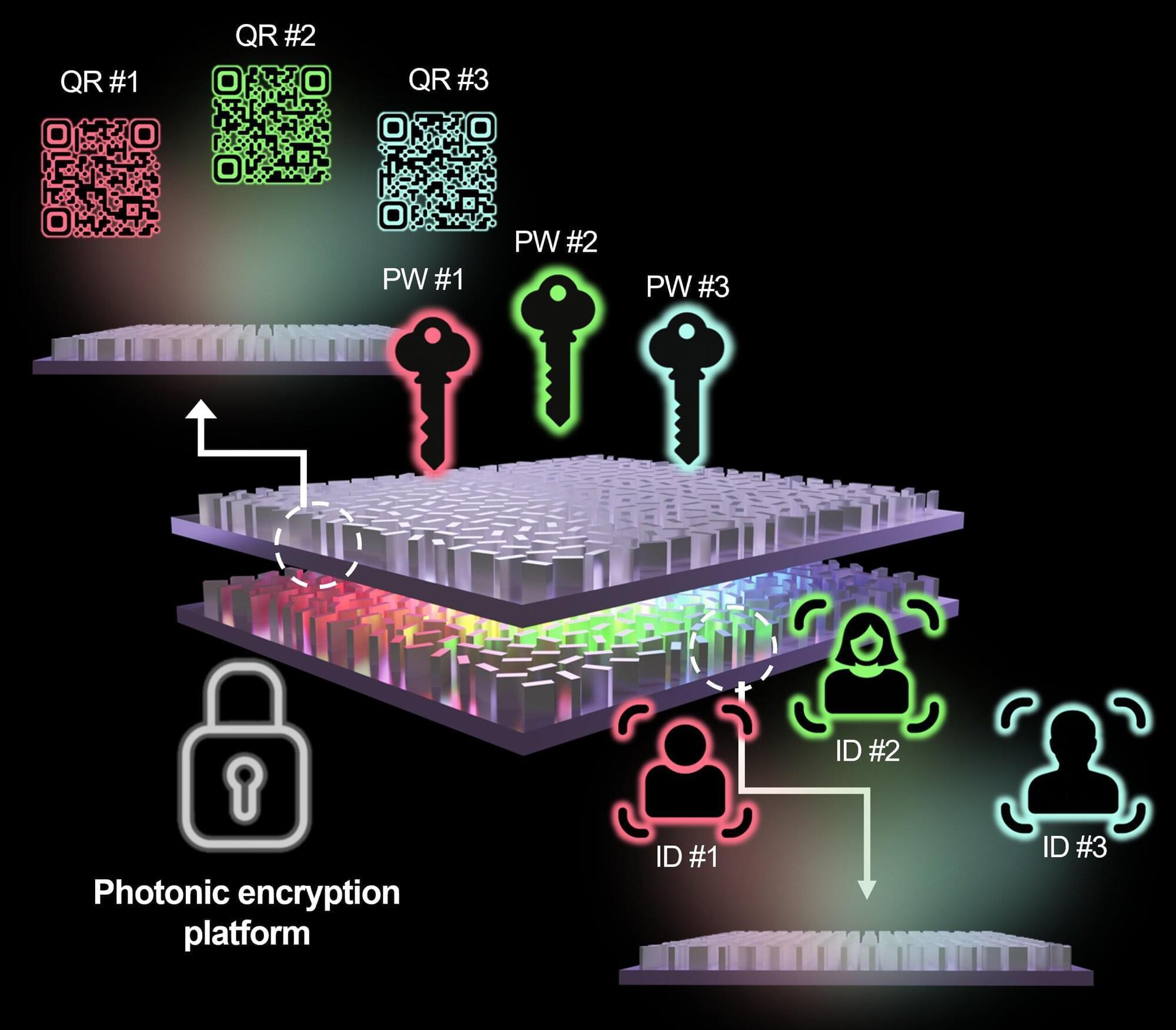
A research team led by Professor Junsuk Rho at POSTECH (Pohang University of Science and Technology) has developed a secure hologram platform that operates solely based on the wavelength of light and the spacing between metasurface layers. The technology makes hacking and counterfeiting virtually impossible, and is expected to be widely adopted for security cards, anticounterfeiting, and military communications. The paper is published in the journal Advanced Functional Materials.

With a growing number of hacking incidents and data breaches, the limitations of digital security are becoming increasingly evident. No matter how sophisticated an encryption scheme is, as long as it exists as code, it is difficult to completely eliminate the risk of intrusion. Motivated by this challenge, the team proposed a new approach that uses the physical conditions of light itself as a security key.

At the core of this innovation is the “metasurface,” an ultrathin optical device that arranges microscopic structures to control light. By illuminating a metasurface, a holographic image can be reconstructed in free space. However, conventional holograms have typically been limited in that a single device could store only one piece of information.

AI ‘blind spot’ could allow attackers to hijack self-driving vehicles

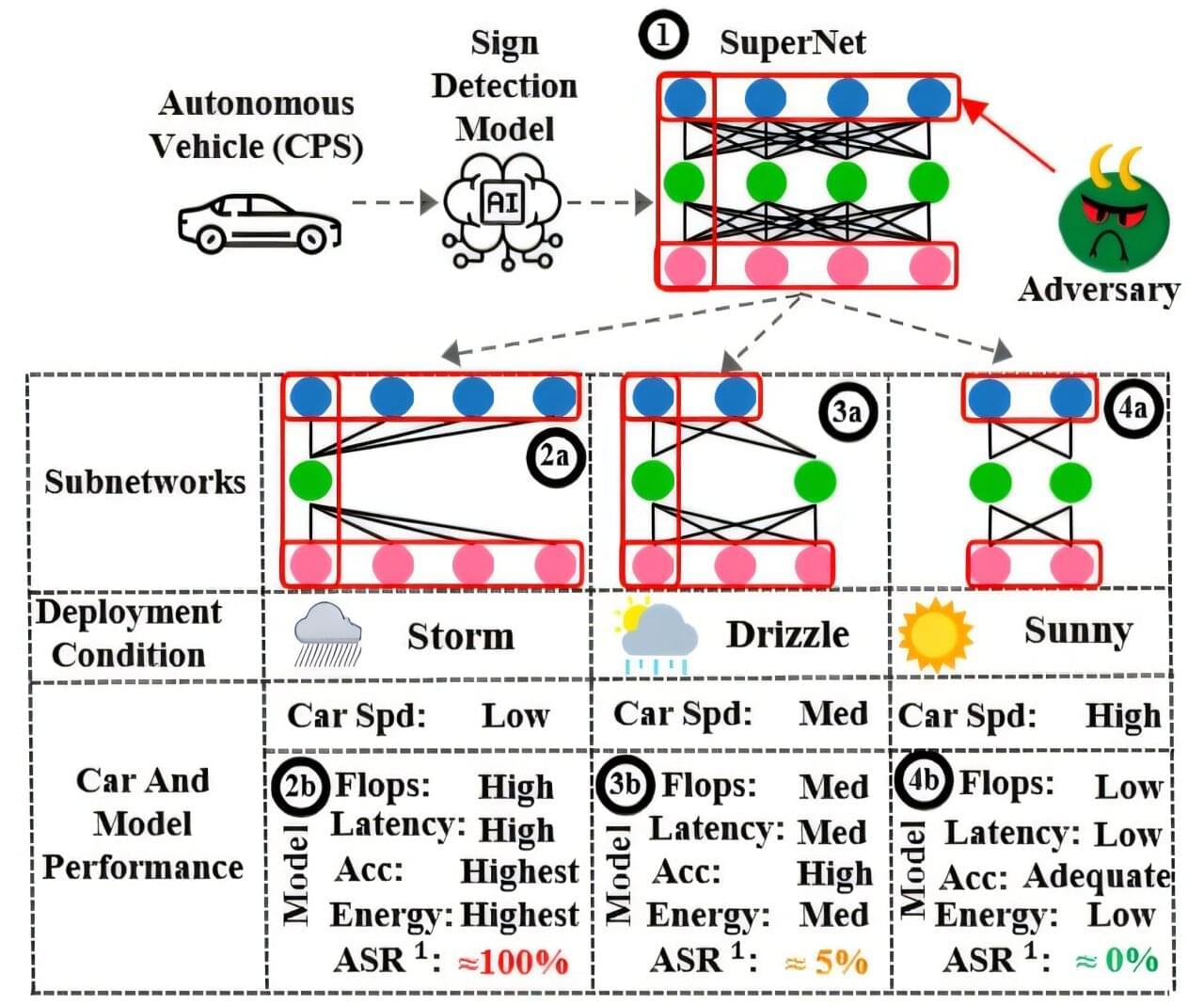
A newly discovered vulnerability could allow cybercriminals to silently hijack the artificial intelligence (AI) systems in self-driving cars, raising concerns about the security of autonomous systems increasingly used on public roads. Georgia Tech cybersecurity researchers discovered the vulnerability, dubbed VillainNet, and found it can remain dormant in a self-driving vehicle’s AI system until triggered by specific conditions. Once triggered, VillainNet is almost certain to succeed, giving attackers control of the targeted vehicle.

The research finds that attackers could program almost any action within a self-driving vehicle’s AI super network to trigger VillainNet. In one possible scenario, it could be triggered when a self-driving taxi’s AI responds to rainfall and changing road conditions. Once in control, hackers could hold the passengers hostage and threaten to crash the taxi.

The researchers discovered this new backdoor attack threat in the AI super networks that power autonomous driving systems.

ClickFix Campaign Abuses Compromised Sites to Deploy MIMICRAT Malware

Cybersecurity researchers have disclosed details of a new ClickFix campaign that abuses compromised legitimate sites to deliver a previously undocumented remote access trojan (RAT) called MIMICRAT (aka AstarionRAT).

“The campaign demonstrates a high level of operational sophistication: compromised sites spanning multiple industries and geographies serve as delivery infrastructure, a multi-stage PowerShell chain performs ETW and AMSI bypass before dropping a Lua-scripted shellcode loader, and the final implant communicates over HTTPS on port 443 using HTTP profiles that resemble legitimate web analytics traffic,” Elastic Security Labs said in a Friday report.

According to the enterprise search and cybersecurity company, MIMICRAT is a custom C++ RAT with support for Windows token impersonation, SOCKS5 tunneling, and a set of 22 commands for comprehensive post-exploitation capabilities. The campaign was discovered earlier this month.

FBI: Over $20 million stolen in surge of ATM malware attacks in 2025

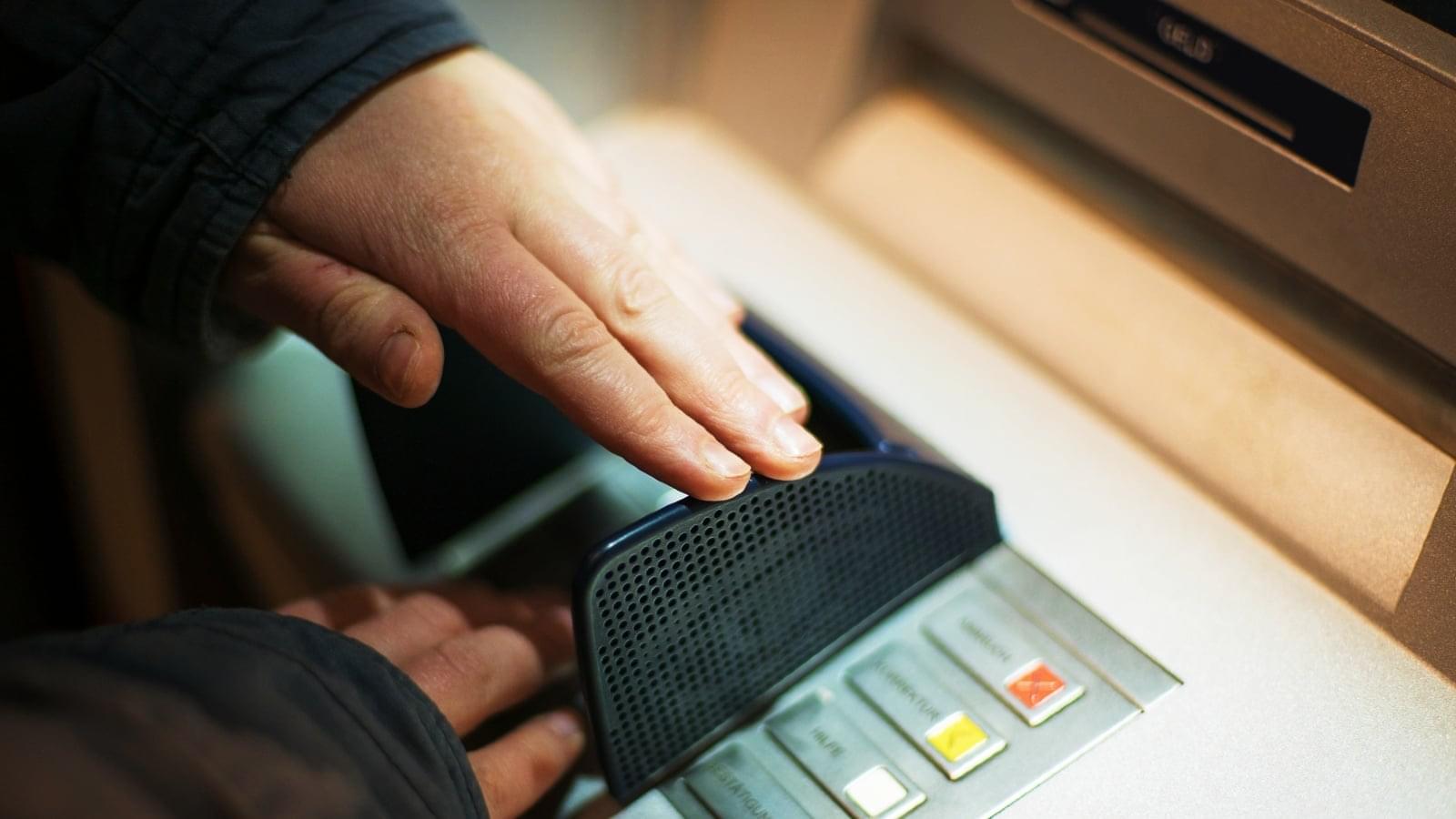
The FBI warned that Americans lost more than $20 million last year amid a massive surge in ATM “jackpotting” attacks, in which criminals use malware to force cash machines to dispense money.

According to a Thursday FBI flash alert, more than 700 ATM jackpotting incidents were reported last year alone in a significant spike compared to the roughly 1,900 total incidents reported across the United States since 2020.

These attacks can be carried out in minutes and target the software layer controlling an ATM’s physical hardware, using malicious tools such as the Ploutus malware. Most often, they go undetected by financial institutions and ATM operators until the cash is already gone.

Japanese tech giant Advantest hit by ransomware attack

Advantest Corporation disclosed that its corporate network has been targeted in a ransomware attack that may have affected customer or employee data.

Preliminary investigation results revealed that an intruder gained access to certain parts of the company’s network on February 15.

Tokyo-based Advantest is a global leader in testing equipment for semiconductors, measuring instruments, digital consumer products, and wireless communications equipment.

PayPal discloses data breach that exposed user info for 6 months

PayPal is notifying customers of a data breach after a software error in a loan application exposed their sensitive personal information, including Social Security numbers, for nearly 6 months last year.

The incident affected the PayPal Working Capital (PPWC) loan app, which provides small businesses with quick access to financing.

PayPal discovered the breach on December 12, 2025, and determined that customers’ names, email addresses, phone numbers, business addresses, Social Security numbers, and dates of birth had been exposed since July 1, 2025.

/* */