Bioart emerges where biological science, technology, and aesthetics collide. For one terminally ill artist, it offered a chance at immortality.

We are currently facing the possibility of achieving immortality for humans by 2030. This prediction comes from renowned futurist Ray Kurzweil, who has a history of making accurate predictions. He anticipates that with the ongoing progress in genetics, robotics, and nanotechnology, we will soon have nanobots coursing through our bloodstream, which could enable us to live forever. It’s truly remarkable to consider that this could be a reality within just seven years.
Nanobots, which are small robots sized between 50–100 nm in width, are currently being used in various clinical medical applications. They are used in research as DNA probes, imaging materials for cells, and targeted delivery vehicles for cells. According to Kurzweil, nanobots represent the future of medicine.
They will be capable of repairing our bodies at a cellular level, making us resistant to diseases, aging, and, ultimately death. Additionally, he theorizes that humans may be able to transfer their consciousness into digital form, leading to immortality.
Join us on Patreon! https://www.patreon.com/MichaelLustgartenPhD
Discount Links/Affiliates:
Blood testing (where I get the majority of my labs): https://www.ultalabtests.com/partners/michaellustgarten.
At-Home Metabolomics: https://www.iollo.com?ref=michael-lustgarten.
Use Code: CONQUERAGING At Checkout.
Clearly Filtered Water Filter: https://get.aspr.app/SHoPY
Epigenetic, Telomere Testing: https://trudiagnostic.com/?irclickid=U-s3Ii2r7xyIU-LSYLyQdQ6…M0&irgwc=1
Use Code: CONQUERAGING
NAD+ Quantification: https://www.jinfiniti.com/intracellular-nad-test/

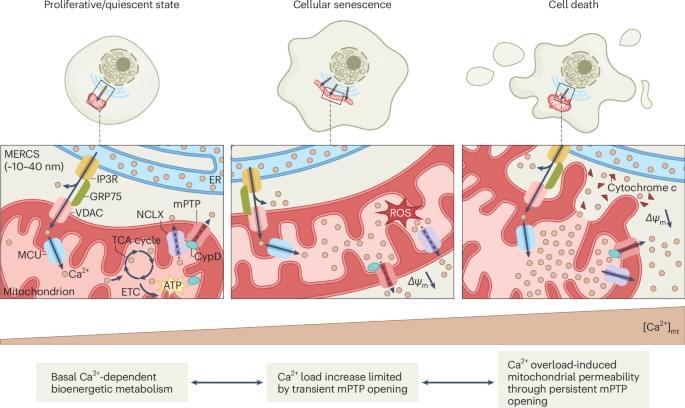
Manipulating senescent cells by eliminating them or by modifying their activity has attracted huge interest for its potential to delay or even treat many age-related diseases, and to improve healthy aging. Mitochondria, and in particular their calcium levels, have emerged as key regulators of cellular senescence, cell death and the balance between the two, and might constitute targets for novel strategies to stifle the viability or properties of senescent cells.

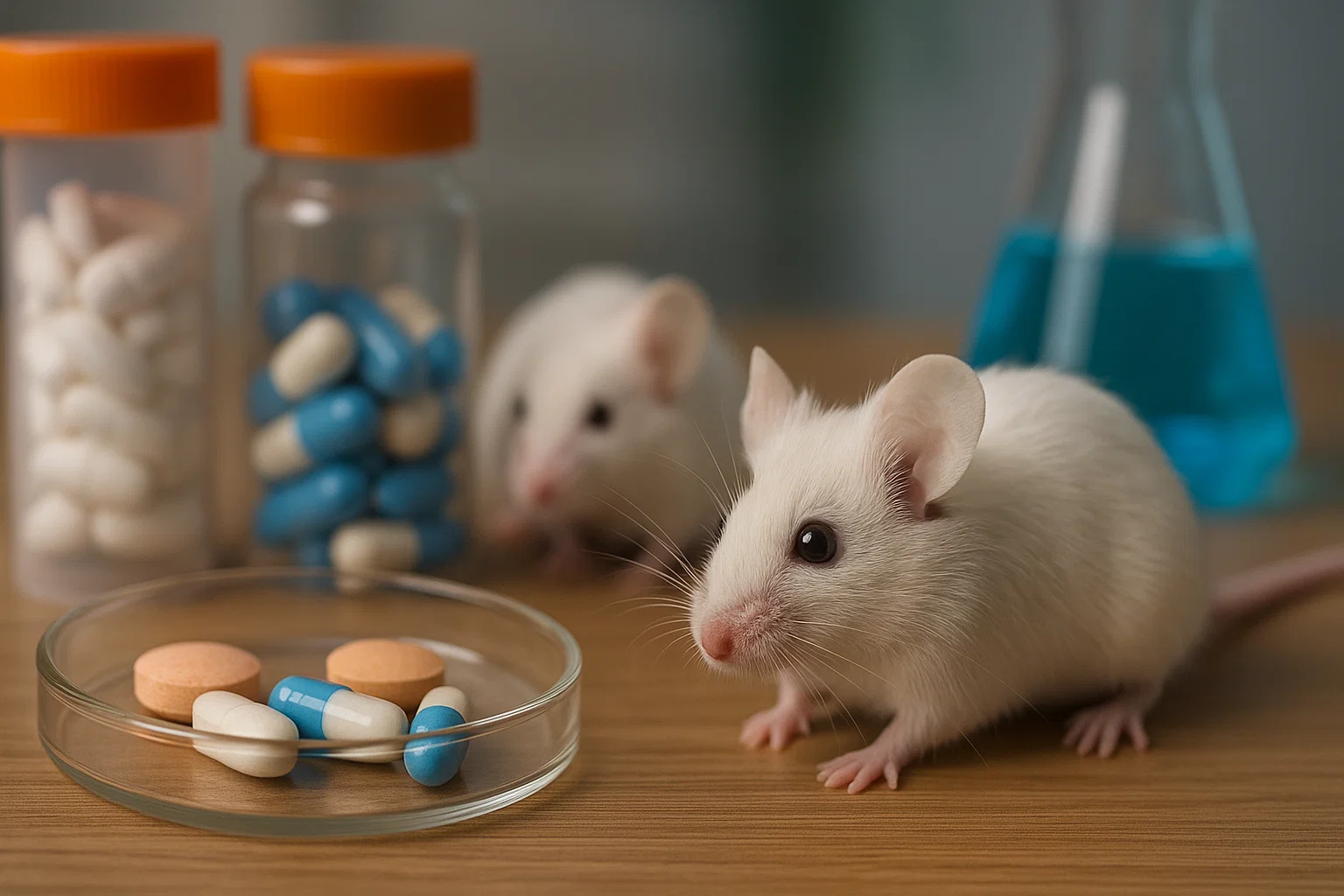

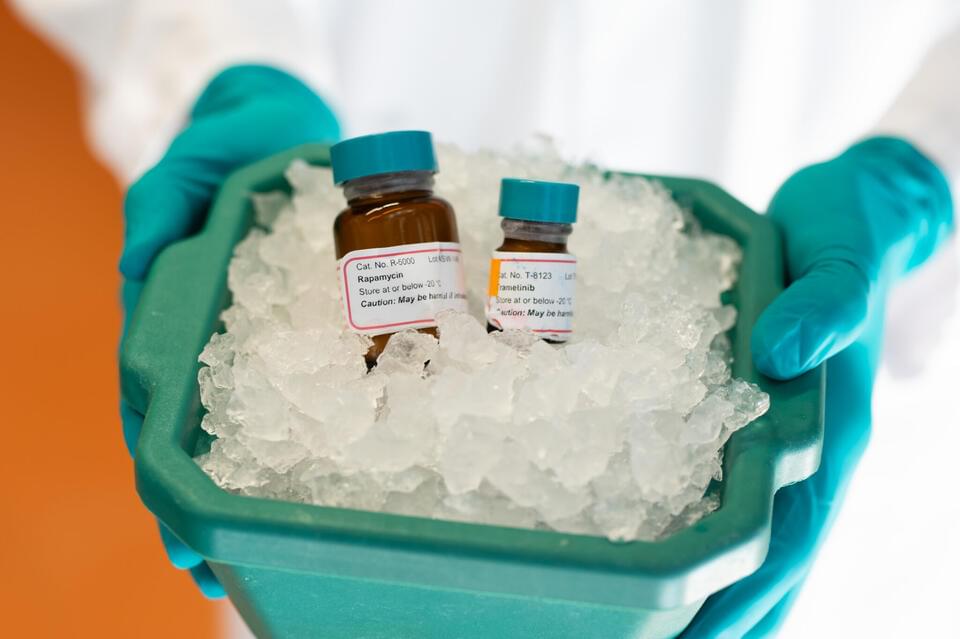
Scientists in Europe have tested an anti-aging drug cocktail in mice and found that it extended the animals’ lifespans by around 30 percent. The mice stayed healthier for longer too, with less chronic inflammation and delayed cancer onset.
The two drugs are rapamycin and trametinib, which are both used to treat different types of cancer. Rapamycin is also often used to prevent organ rejection, and has shown promise in extending lifespans in animal tests. Trametinib, meanwhile, has been shown to extend the lifespan of fruit flies, but whether that worked in larger animals remained to be seen.
So for a new study, a research team led by scientists from the Max Planck Institute in Germany investigated how both drugs, on their own and together, could extend lifespan in mice.