Toggle light / dark theme

Within-Person Association Between Daily Screen Use and Sleep in Youth: A Systematic Review and Meta-Analysis

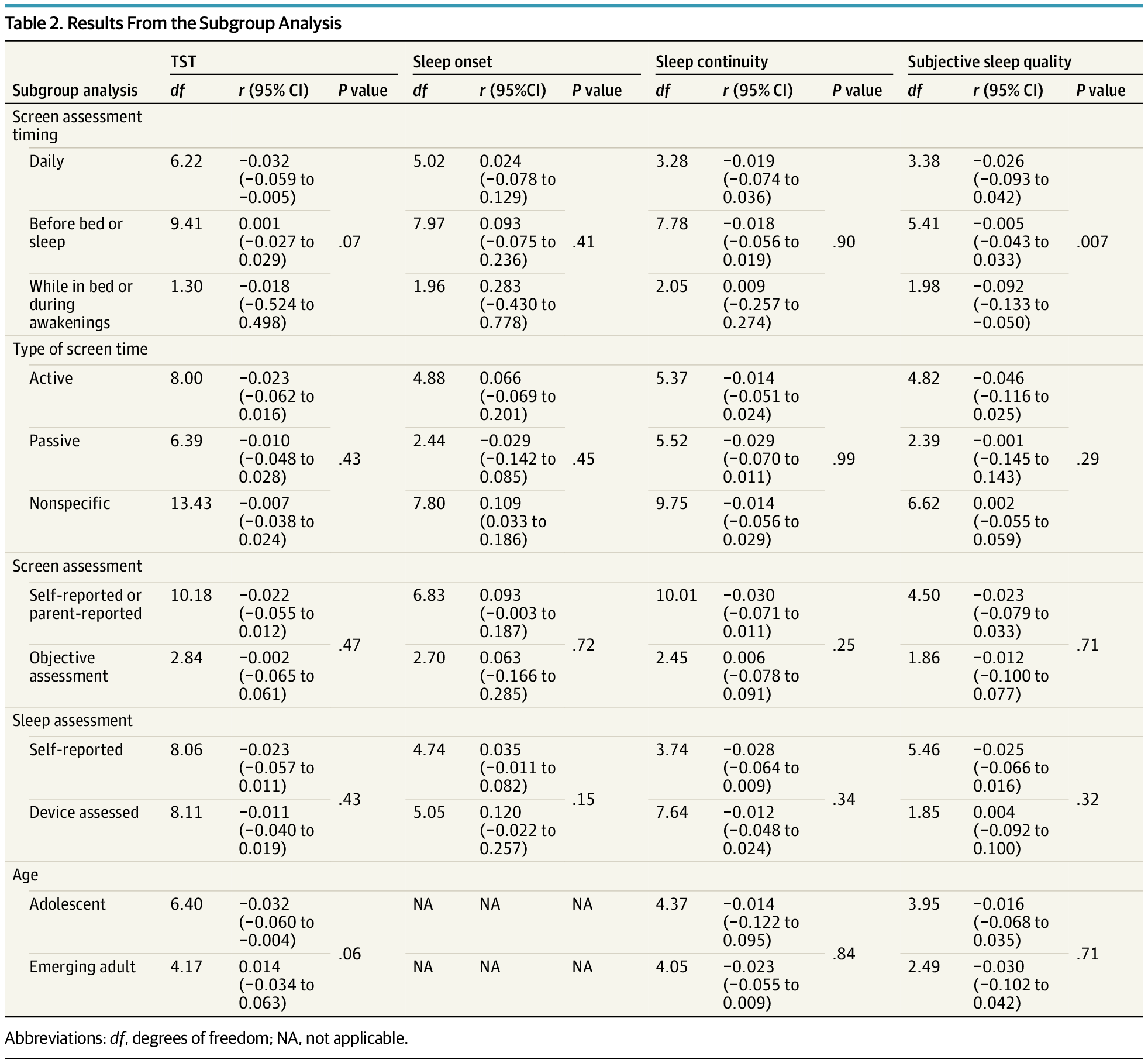
A meta-analysis found that on days with more screen use, youths went to bed slightly later but had no significant changes in total sleep time, sleep quality, or efficiency.


Question What is the within-person association between daily screen use and sleep in children and youth?

Findings In this systematic review and meta-analysis, daily screen use was significantly related to later sleep onset but was not significantly related to total sleep time, sleep onset latency, sleep efficiency, wake after sleep onset, or subjective sleep quality.

Meaning When young people use screens, they may displace sleep when doing so; however, using screens more than usual is not necessarily detrimental to sleep.

Targeting mitochondrial metabolism with combined metabolic activators

Combined metabolic activators to treat mitochondrial dysfunction.

Mitochondrial dysfunction is a common feature of many human diseases and is emerging as a therapeutic target.

Systems biology and multiomics approaches have revealed that deficits in glutathione and NAD+ metabolism, impaired fatty acid oxidation, and disrupted redox balance are key drivers of disease pathogenesis.

Combined metabolic activators (CMA) were developed to address these metabolic deficits through the complementary actions of serine, Nacetylcysteine, L-carnitine, and NAD+ precursors.

CMA have been shown to lower hepatic fat, reduce systemic inflammation, accelerate recovery from infection, and improve cognitive performance in clinical studies. sciencenewshighlights ScienceMission https://sciencemission.com/Targeting-mitochondrial-metabolism


Mitochondria play a central role in energy metabolism, redox balance, and cellular homeostasis, and their dysfunction has been implicated in the pathogenesis of complex human diseases. Advances in systems biology and omics technologies have elucidated the mechanisms underlying these conditions, including metabolic dysfunction, mitochondrial impairment, inflammation, and redox imbalance. Preclinical and early clinical studies of combined metabolic activators (CMA), a formulation of bioactive metabolites, have demonstrated improvements in mitochondrial function and systemic metabolic profiles across multiple diseases.

Cheek cells may provide clues to schizophrenia risk

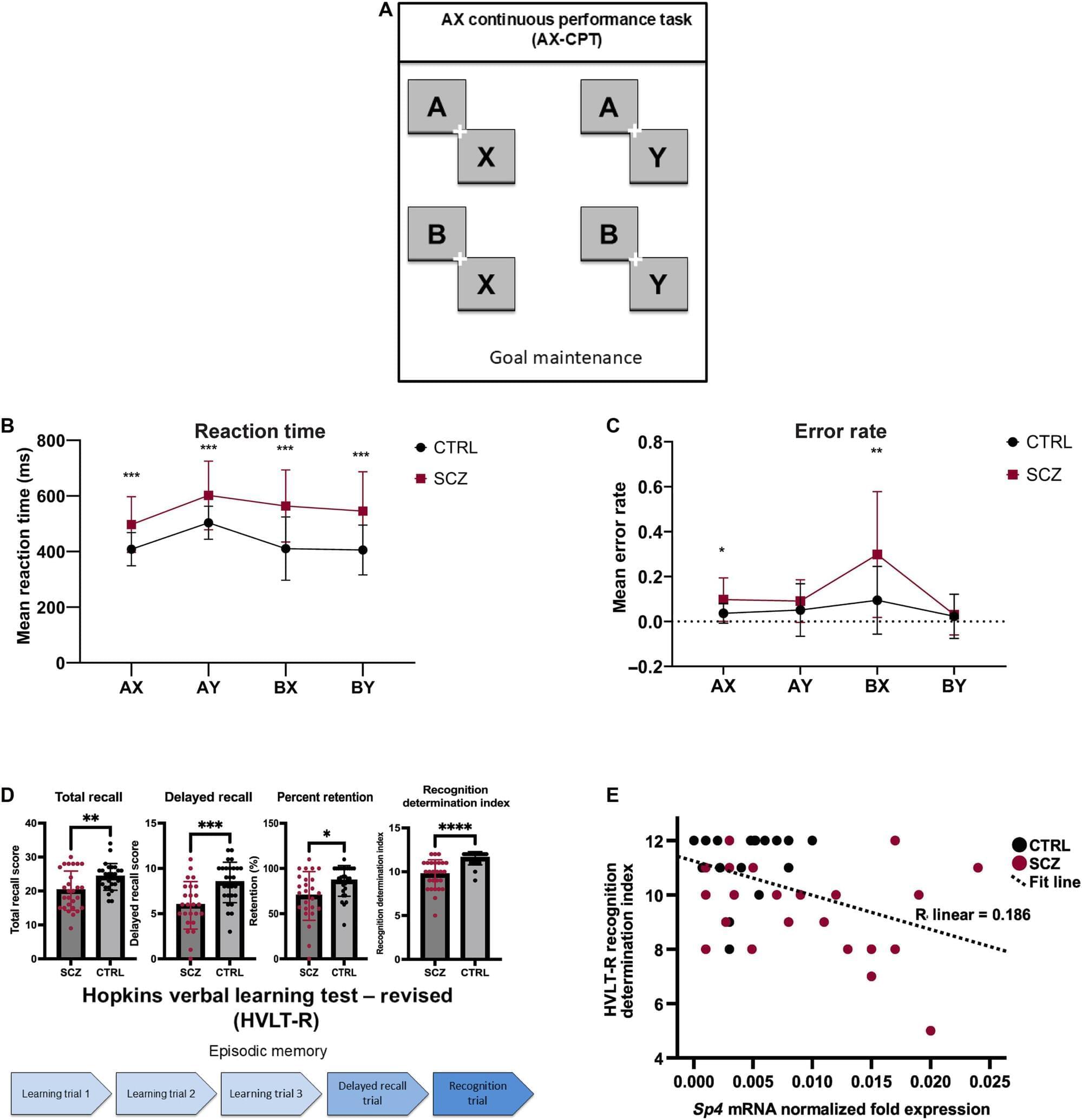
A simple cheek swab could one day provide a quick and noninvasive diagnostic test for schizophrenia. A new study published in Science Advances has identified higher levels of two biological markers in the cheek swabs of patients with schizophrenia compared with people who don’t have this mental health disorder. Schizophrenia is a long-term condition with a range of symptoms including hallucinations, delusions, muddled thoughts and loss of interest in everyday activities.

There is no single test for the illness, and diagnosis can be challenging because symptoms vary widely between people and typically relies on observing a patient’s behavior. It can, therefore, sometimes take months for a professional to make a diagnosis with any degree of certainty, as they have to rule out other possible causes. That is a lot of time for someone to wait without the right treatment if it is needed.

So researchers led by a team at Rutgers University in New Jersey decided to investigate whether molecular signatures in easy-to-collect buccal (cheek) cells could serve as reliable biomarkers.

The Observer Effect in Everyday Life

Daily reflection is a way to apply this principle in our everyday lives. It shines a spotlight on the behavior itself. And when behavior is observed consistently, it solidifies into neural pathways in the brain. We start behaving differently, not because someone else is judging us, but because we are measuring ourselves. The simple act of asking ourselves reflective questions each day shapes the behaviors in our lives, which, in turn, make us the people who exhibit those behaviors.

Another principle from quantum theory, entanglement, might also be at play when we do daily reflection. Quantum entanglement describes how particles can become linked to one another so that a change in one results in a change in the other. In the same way, the effort we make to change in one part of our lives is rarely confined to that part. Instead, our behaviors extend outward and affect those in relationship to us and around us. For example, your attempt to speak in positive terms, rather than negative ones, can influence your colleagues at work. Your intention to control your emotional outbursts can affect your family. Your efforts to build positive relationships at work or in your community can change the dynamics of those relationships. And when you combine these intentions with daily reflection, you’re not only strengthening a positive personal trait within yourself, but also influencing the bigger, interpersonal systems around you.

Philosophers, physicians, and physicists are forever debating what consciousness is. Is who we are just a byproduct of biology and the brain’s physiology, or is who we are more fundamental and exists irrespective of the brain’s neural firing? We may never know. That said, one thing is true: Conscious awareness shapes who we are. Without reflection, behavior defaults to habit. With reflection, possibility re-enters the system. The practice of asking yourself daily reflective questions puts you in the role of an observer rather than an actor. And from there, you can be intentional about who you choose to be tomorrow.

A new mechanism for motor-learning circuit rewiring

To address this question, the researchers used mouse models undergoing repeated motor training tasks, including the rotarod test, which measures motor coordination and learning. Using advanced imaging tools that can track individual synaptic components, the team observed a marked increase in astrocyte-mediated synapse elimination as motor learning progressed. In contrast, other glial cell types, such as microglia and oligodendrocyte precursor cells, showed no significant changes under the same experimental conditions, indicating a specific role for astrocytes in this process.

The researchers identified MEGF10, a phagocytic receptor expressed in astrocytes, as a key molecular mediator of this remodeling. When MEGF10 was selectively deleted in astrocytes, mice exhibited impaired motor learning and significant disruptions in communication between the motor cortex and the striatum. In addition, both long-term potentiation (LTP) and long-term depression (LTD)—two fundamental mechanisms of synaptic plasticity—were compromised. These results demonstrate that astrocyte-mediated synapse elimination is not merely a housekeeping function, but a necessary component of functional circuit refinement during learning.

The team further investigated how astrocytes determine which synapses to remove and identified two major regulatory signals. First, increasing neuronal activity between the motor cortex and the striatum significantly enhanced astrocyte-mediated synaptic elimination (a process in which astrocytes engulf and remove synapses), indicating that circuit engagement promotes remodeling. Second, manipulating dopamine levels, a key neuromodulator for movement and reward, also strongly influenced astrocytic synapse elimination. ScienceMission sciencenewshighlights.


When we learn a new motor skill—whether mastering a piano passage or refining balance while walking—the brain must reorganize the circuits that control movement. For decades, this process of synaptic remodeling has been attributed primarily to neurons strengthening or weakening their connections. However, the new study reveals that another cell type in the brain called astrocytes actively participates in this rewiring process.

A research team has demonstrated that astrocytes actively eliminate synapses in the striatum, a brain region that plays a central role in controlling voluntary movement and learning. This process is regulated by dopamine signaling and neural activity and is critical for proper motor skill acquisition.

Although synapse formation and elimination have long been studied in the context of neuronal plasticity, increasing evidence suggests that glial cells—particularly astrocytes and microglia—also contribute to synapse turnover. Until now, however, the precise role of astrocytes in motor learning and the mechanisms underlying their synaptic remodeling remained unclear.
Decoding alzheimer’s: The role of EEG rhythms and aperiodic components in cognitive decline

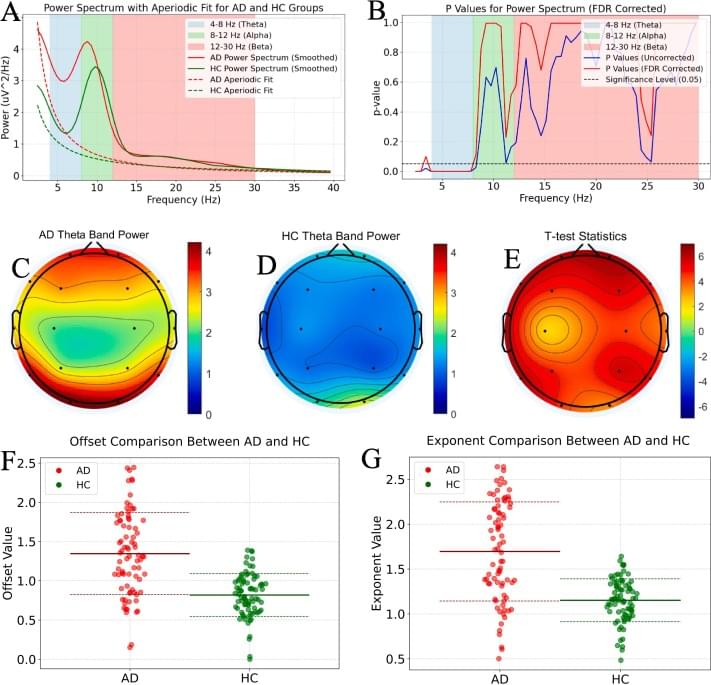
[Alzheimer’s disease: AD] Zhang et al.: “Increased theta band power was statistically significant in AD patients, highlighting its critical role in AD pathology.”


Your browser extensions or network settings have blocked the security verification process required by www.sciencedirect.com. To resolve this, try the following steps:

Temporarily disable browser extensions:

A strategy of microglia replacement alleviates microgliopathy in a CSF1R I794T hotspot mutation mouse model of CSF1R-related disorder

Microglial replacement strategy to treat microgliopathy.

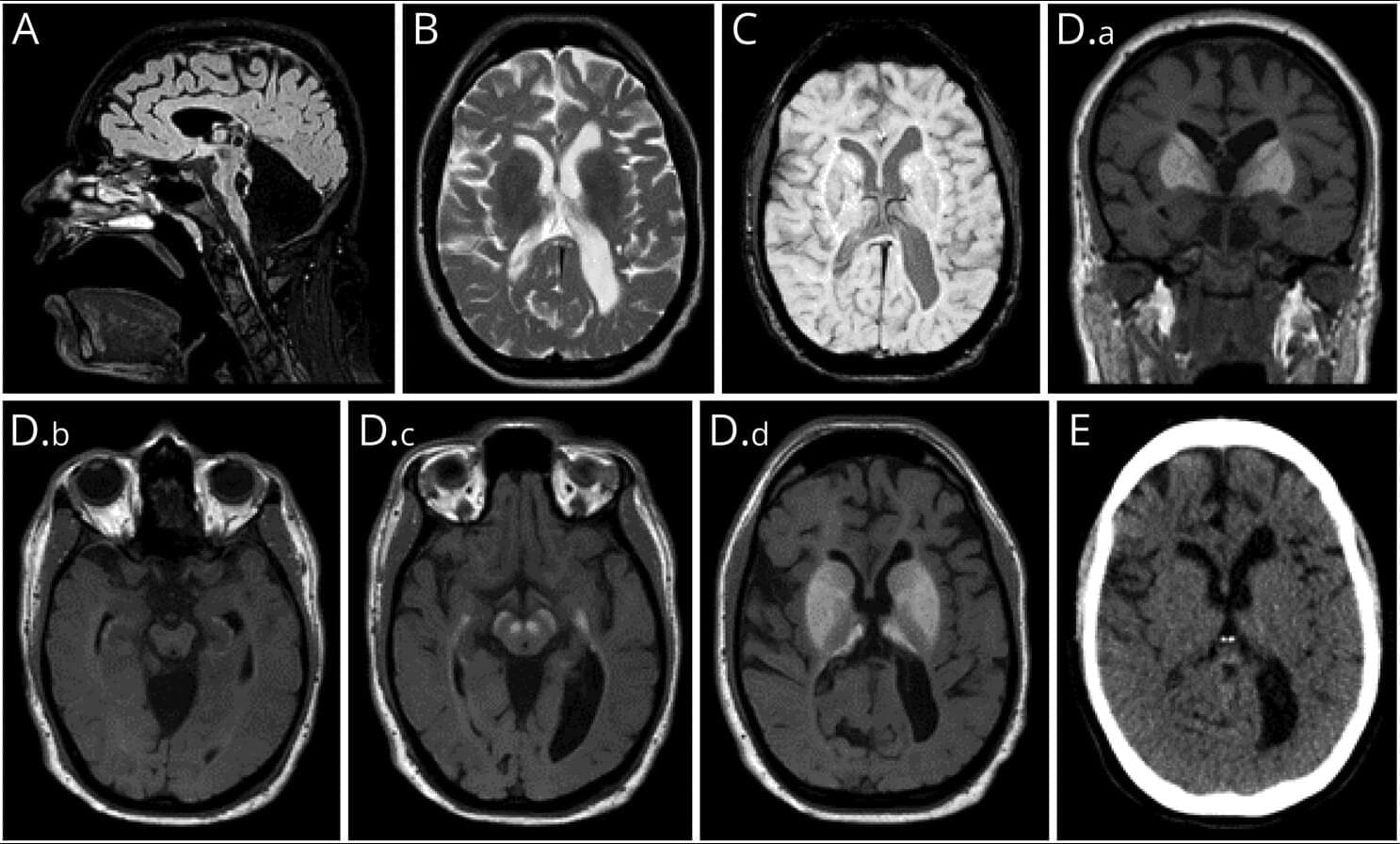
Colony-stimulating factor 1 receptor (CSF1R) gene mutation (I794T) is linked to primary microgliopathy manifesting as leukoencephalopathy.

The researchers define the clinical features of patients carrying the CSF1R p. I794T variant and establish a corresponding knockin mouse model.

The authors demonstrate that knockin mice exhibited hallmark features of CSF1R-related disorder (CSF1R-RD).

They show that Csf1rI792T/+ microglia adopt a disease associated state and that a microglial replacement strategy termed “duplicate-cyclic microglial depletion for transplantation” (DCMDT), mitigates cognitive and neuropathological deficits in CSF1R-RD. sciencenewshighlights ScienceMission https://sciencemission.com/microglia-replacement-18450


Li et al. define the clinical features of patients carrying the CSF1R p. I794T variant and establish a corresponding knockin mouse model. They show that Csf1rI792T/+ microglia adopt a disease-associated state and that a microglial replacement strategy, DCMDT, mitigates cognitive and neuropathological deficits in CSF1R-related disorder.

The structure of consciousness

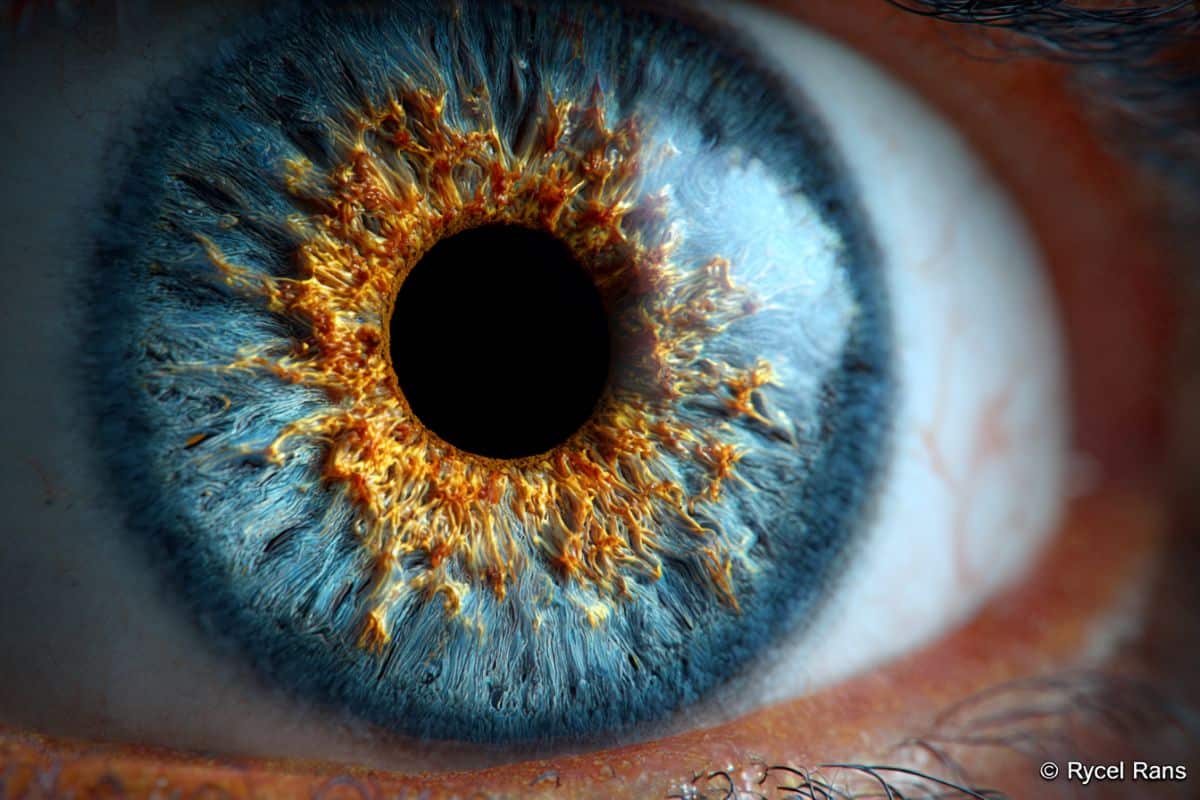
The nature of human experience, or consciousness, has divided thinkers for centuries. The Scottish philosopher Hume saw experience as nothing more than a bundle of perceptions, and denied the existence of a self holding them all together. Kant disagreed, arguing that sensation had to be organised by concepts for there to be experience. It is a debate that has echoed through the Western tradition. You might think science would have settled the matter, but the same dispute is still present amongst neuroscientists. Some argue that sensation is independent of how we think, a neutral bedrock of data which enables us to experience reality. While others claim what we take to be reality is an illusion created by our brain. Do our thoughts and concepts shape and structure experience and what we take to be reality? Are current theories of neuroscience taking sides in this deeper underlying philosophical dispute? Does the existence of the self and the nature of reality depend on our philosophical outlook, or is there a fact of the matter that we might uncover?

/* */