Toggle light / dark theme

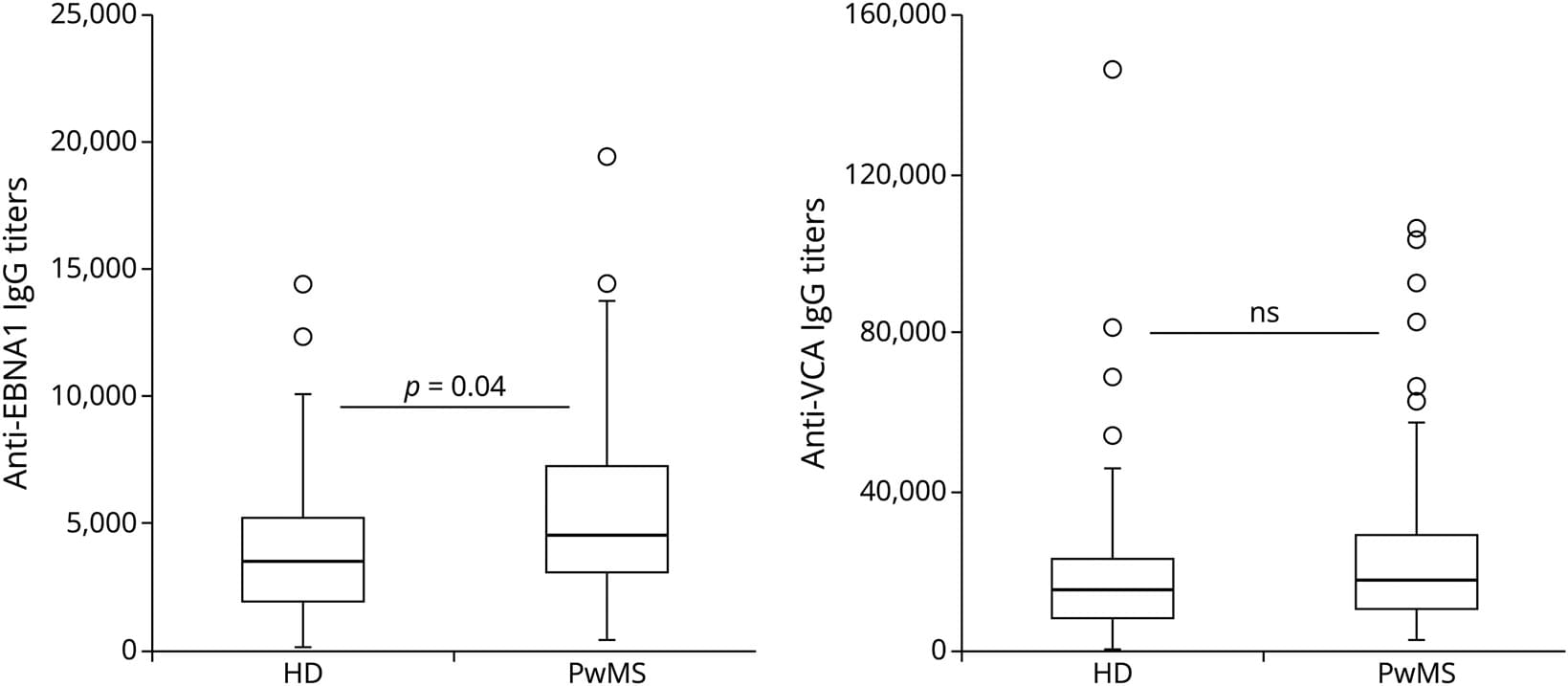
EBV Dysregulation Is Associated With Immune Imbalance in Multiple SclerosisEvidence From Integrated Viral and Host Analyses

EBV dysregulation is associated with immune imbalance in multiple sclerosis: evidence from integrated viral and host analyses.


This website uses a security service to protect against malicious bots. This page is displayed while the website verifies you are not a bot.

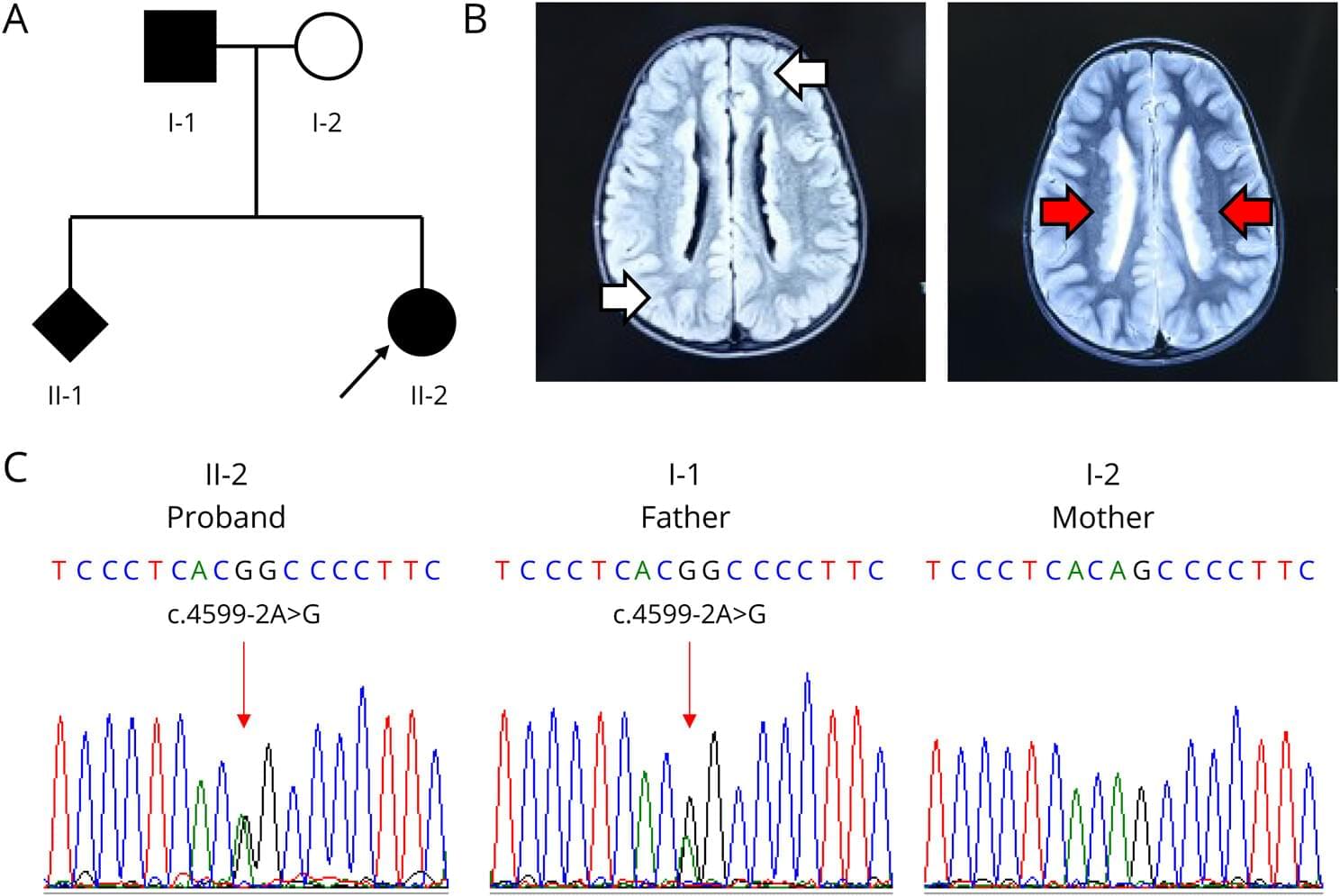
Characterization of a Splice Variant in FLNA Associated With Periventricular Nodular Heterotopia

This study broadens the phenotypic and genetic spectrum of PNH, demonstrating a dual PNH phenotype associated with a bi‑transcript mechanism and mosaic inheritance, including tissue‑specific mosaicism.


PNH is a neurodevelopmental brain malformation characterized by failure of the gray matter to properly migrate to the cerebral cortex during embryonic development. This results in ectopic localization around the ventricular ependyma.1 MRI serves as the primary diagnostic tool, showing bilateral periventricular gray matter nodules with a signal intensity similar to that of normal cortical gray matter.2,3 Its primary clinical manifestation is epilepsy, which is often accompanied by intellectual disabilities and learning difficulties.2,3 PNH is genetically heterogeneous and is linked to variants in multiple genes, including ARFGEF2, ERMARD, NEDD4L, ARF1, and MAP1B, as well as abnormalities in chromosome 5. Among these, pathogenic variants in FLNA are the most common genetic causes.4

FLNA is located at Xq28 and comprises 47 exons,5 encoding a 280 kDa actin binding protein, called filamin A. The N-terminal region contains an actin binding domain (ABD) and a rod-like structure composed of 24 immunoglobulin-like repeats. ABD interacts with actin to stabilize the cytoskeletal architecture and plays crucial roles in maintaining cell shape, migration, and transmitting mechanical force. FLNA regulates cellular migration and extension processes via interactions with several signaling proteins, including small GTPases Rac/Rho, TRAF2, integrins, and BRCA2.6–8 This gene possesses at least 2 transcription initiation sites (ENST00000369850.8 and ENST00000610817.4) that use distinct promoters and demonstrate tissue-specific expression.6–8 Rat FLNA-knockdown models exhibit impaired neuronal migration and elevated epileptic susceptibility.
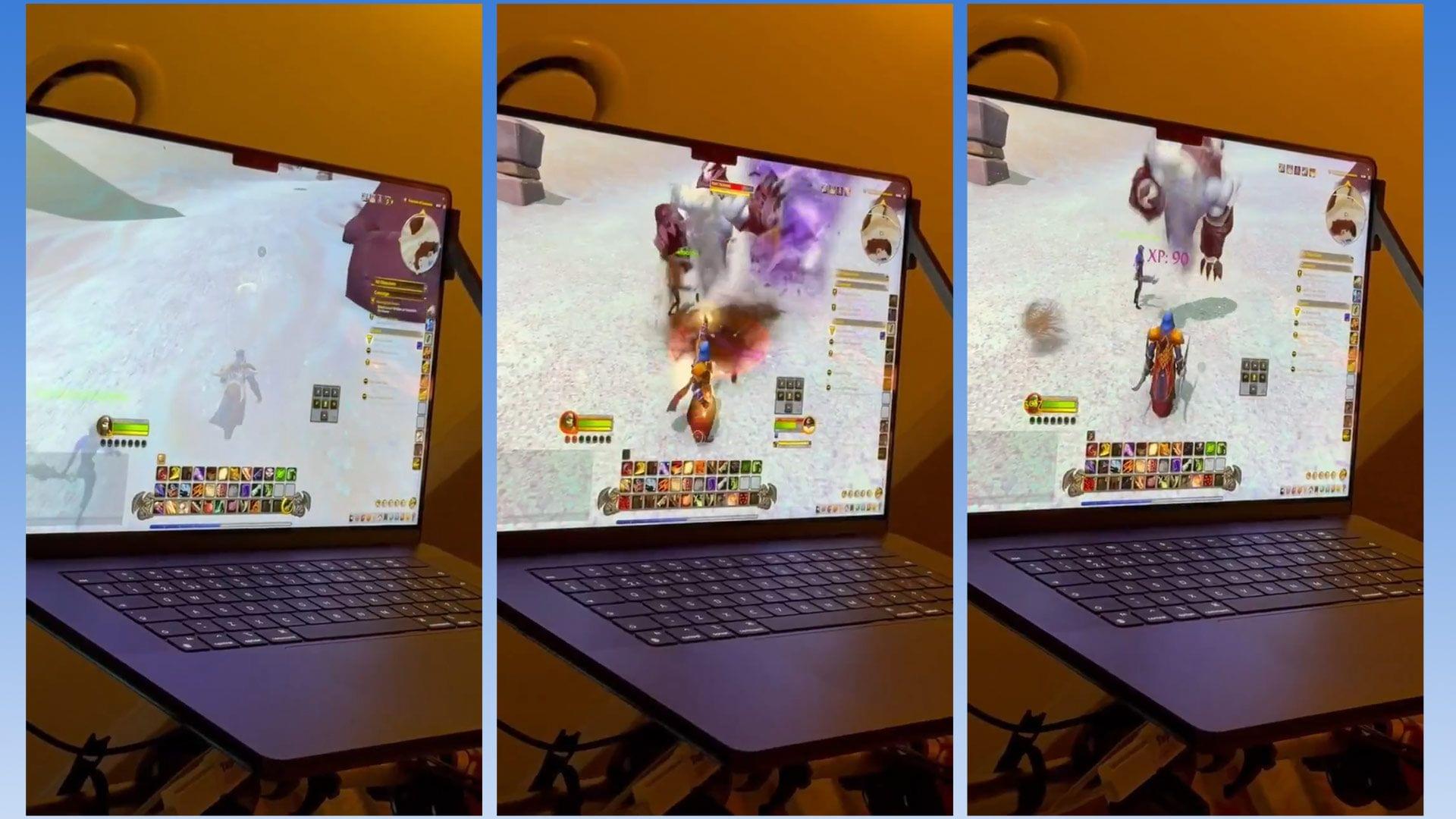
Paralyzed army vet can now play World of Warcraft using ‘science fiction… magic… brilliant…’ Neuralink brain implant — ‘I’m now raiding, and exploring Azeroth hands-free at full speed’

Noble has been paralyzed from the shoulders down since a spinal cord injury in 2016.

Adversarial AI reveals mechanisms and treatments for disorders of consciousness

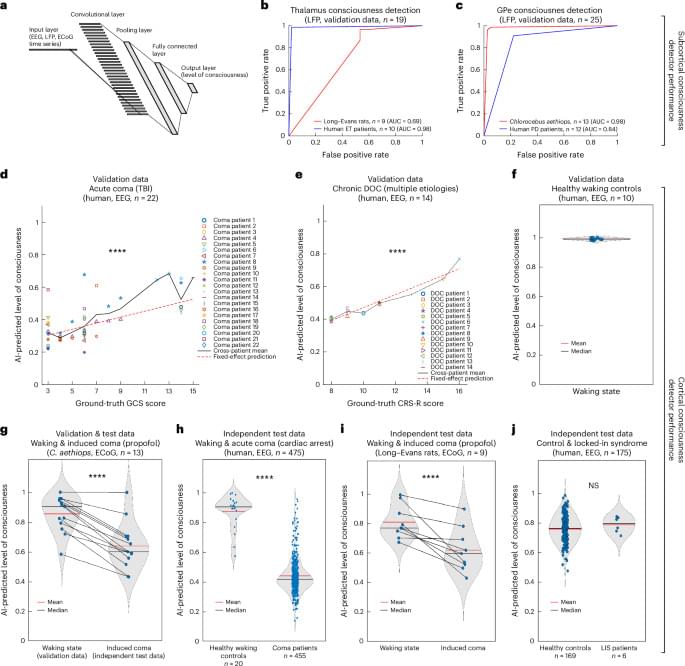
Researchers led by UCLA have developed an adversarial AI framework that may help explain how consciousness breaks down after brain injury — and how it might one day be restored. Published in Nature Neuroscience, the study used deep neural networks trained on more than 680,000 neuroelectrophysiology samples and validated findings across 565 patients, healthy volunteers, and animals. The model identified specific circuit-level disruptions linked to disorders of consciousness, including the basal ganglia indirect pathway and altered inhibitory cortical wiring.

What makes this so important is that it pushes consciousness research closer to mechanism. Instead of only asking what consciousness is, this kind of work asks: what specific brain circuitry fails when consciousness is lost, and can that failure be targeted? The study also identified high-frequency stimulation of the subthalamic nucleus as a promising intervention, supported by human electrophysiological data. This is the kind of neuroscience that makes consciousness feel less like pure philosophy — and more like something we may eventually model, test, and repair.

Abstract: Nature Neuroscience Adversarial AI reveals mechanisms and treatments for disorders of consciousness.


Toker et al. present an AI framework that identifies mechanisms of consciousness. The model predicts new drivers of unconsciousness and identifies subthalamic nucleus stimulation as a potential therapy for disorders of consciousness.

Phagocytosis and neuroinflammation: orchestrating central nervous system homeostasis, repair, and the resolution of inflammation

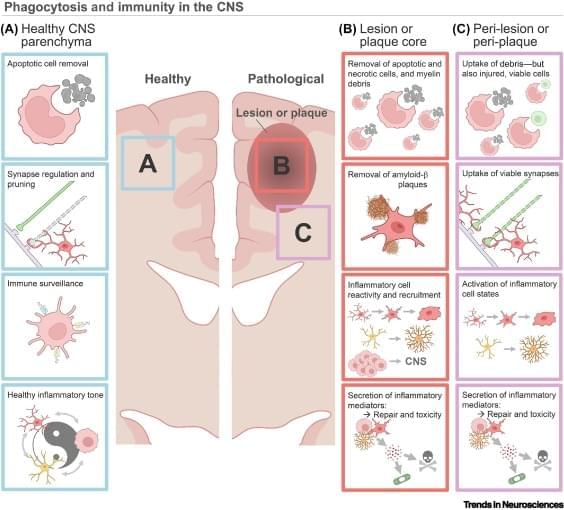
Brain phagocytosis and neuroinflammation.

Phagocytes in the central nervous system (CNS), including astrocytes, microglia, and macrophages, shape development and homeostasis by pruning synapses and removing apoptotic debris.

Phagocytosis is mediated by various ligand–receptor dyads and signaling pathways, enabling CNS phagocytes to respond to neuroimmune shifts across the lifespan and during pathology.

Phagocytosis pathways regulate recovery in various models of CNS pathology, including multiple sclerosis, CNS injury, ischemic stroke, and age-associated neurodegeneration.

Phagocytosis pathways are intimately integrated with the inflammatory cell state and remove viable cells in pathology-adjacent tissue, highlighting the complexity of targeting these systems.

To maximize benefit and minimize off target damage, new phagocytic-based approaches should optimize drug delivery timing and location, tailored to each CNS pathology. sciencenewshighlights ScienceMission https://sciencemission.com/resolution-of-inflammation


Organocatalytic strategy provides a metal-free route to antiviral candidates

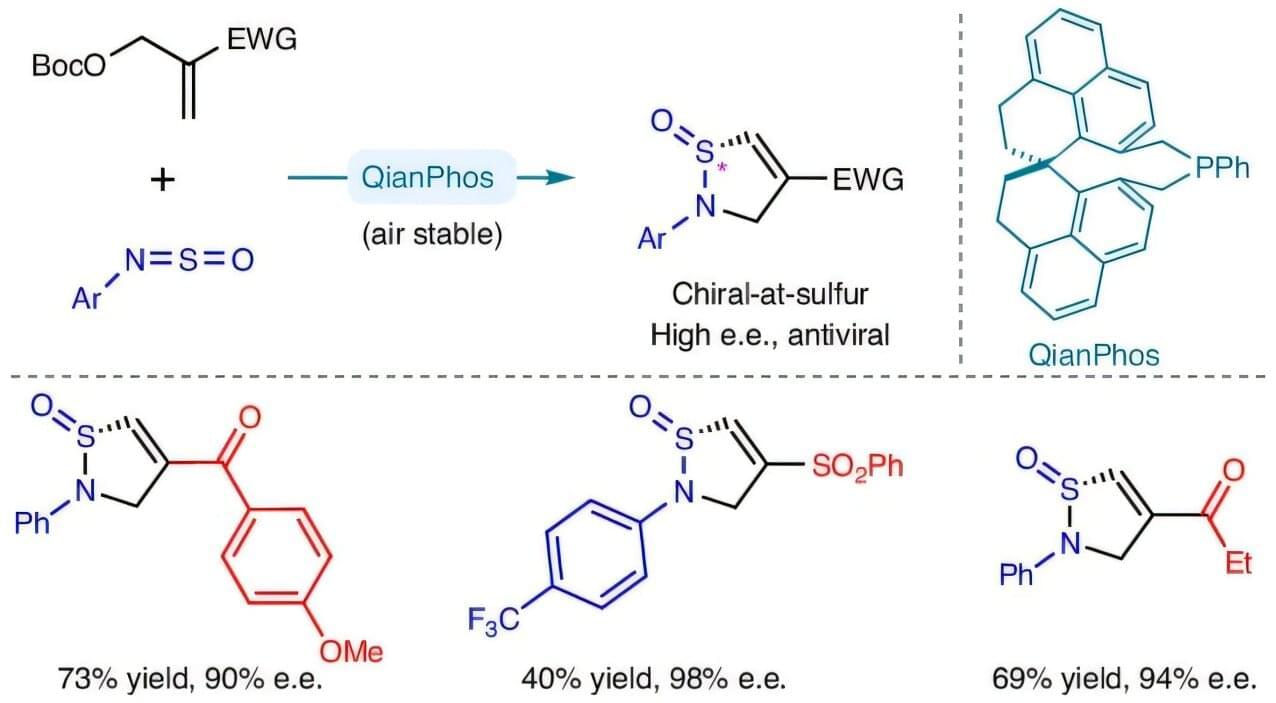
A research team led by Prof. Sun Jianwei has achieved an advancement in organic synthesis and medicinal chemistry by developing an air-stable chiral phosphine-catalyzed enantioselective approach to synthesize enantioenriched S(IV)-stereogenic vinyl sulfinamides—an under-explored class of organosulfur compounds with promising antiviral activity.

The importance of chiral-at-sulfur compounds in drug discovery and organic synthesis is indisputable. More than a quarter of top-selling small molecule pharmaceuticals contain sulfur atoms, and chiral sulfinamides bearing S(IV) chirality are key building blocks for medicinal chemistry, asymmetric synthesis auxiliaries, and catalytic ligands. However, current methods to access enantioenriched sulfinamides rely on transition metal catalysis with organometallic nucleophiles, and efficient organocatalytic strategies have long remained unexplored, creating a critical gap in synthetic chemistry for this valuable chemical space.

To address this challenge, Prof. Sun’s team published a study in Nature Chemistry detailing the design and synthesis of a novel C₂-symmetric chiral phosphine catalyst—QianPhos—derived from the SPHENOL chiral skeleton. This custom catalyst exhibits extraordinary air stability and structural rigidity, which enables highly chemo-, enantio-, and diastereoselective C−S bond formation via a [3+2] annulation between Morita–Baylis–Hillman (MBH) esters and sulfinylamines.

Why no individual is like another when epigenetics come into play

Why do animals behave differently, and what are the consequences of this? A research team from the Collaborative Research Center NC³ at Bielefeld University and the University of Münster now provides a new explanation: epigenetic processes—chemical markings on DNA—may play a key role. The study, published in the journal Trends in Ecology & Evolution, links individuality, environmental adaptation, genetics, ecology, and evolution in a novel way.

“With our study, we propose that individuality and epigenetic variation influence each other,” explains Dr. Denis Meuthen, an evolutionary biologist at Bielefeld University, who is one of the study’s main authors. “This bidirectionality—this mutual interaction—helps us to better understand ecological and evolutionary processes.”

RNA-guided CRISPR system activates gene expression

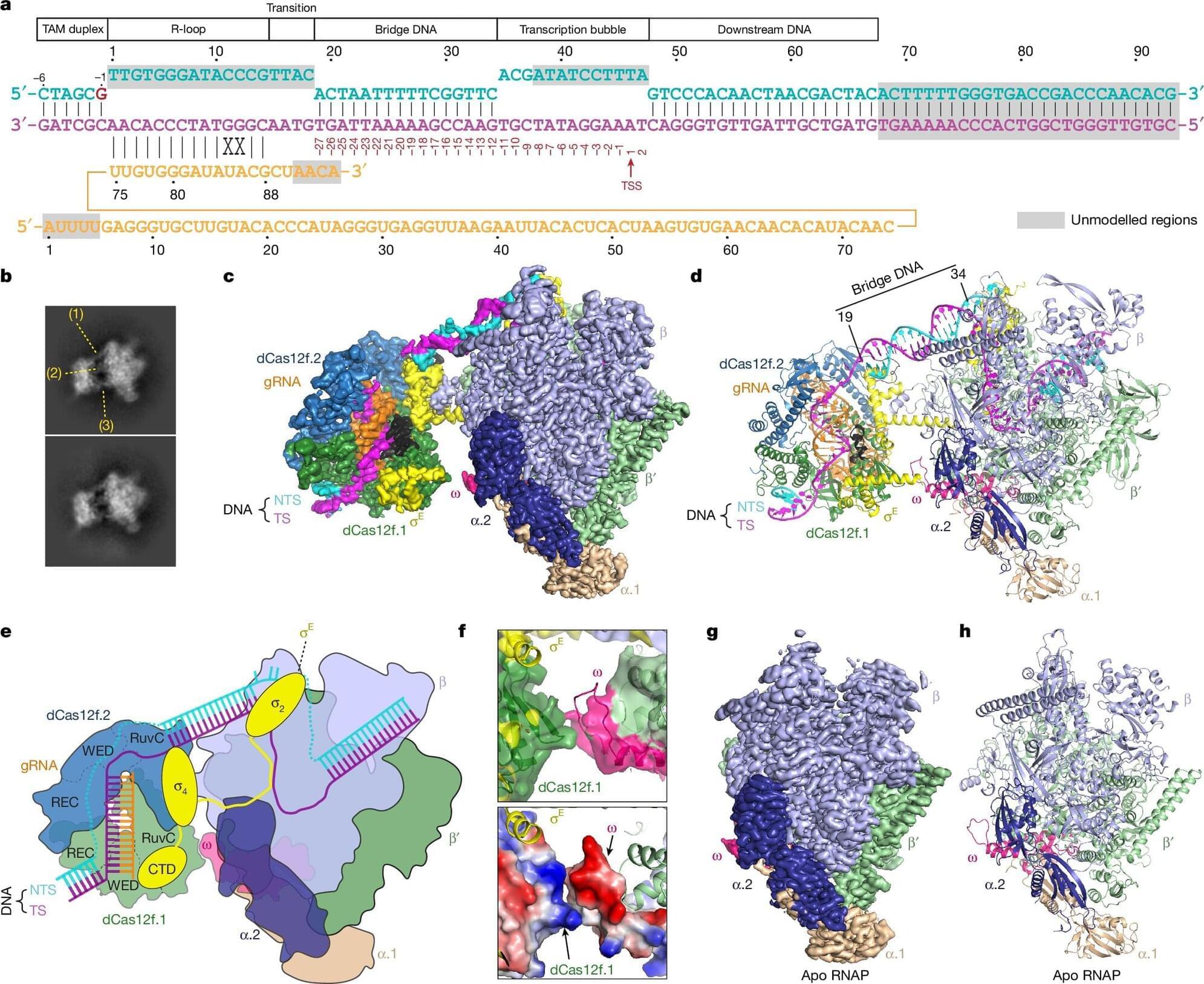
In back-to-back studies published in Nature, researchers from Purdue University and Columbia University report a naturally evolved gene-editing system that can activate genes, offering an advantage over existing CRISPR gene-editing systems that merely find and cut DNA. The research includes two complementary studies, one examining the biological function of the system and the other revealing the molecular mechanism that enables it.

The team’s research on a variant of the CRISPR—Clustered Regularly Interspaced Short Palindromic Repeats—system broadens understanding of CRISPR’s natural diversity and provides a foundation for new gene-regulation technologies. Because this CRISPR variant activates genes without cutting DNA, it could be adapted for precise gene control applications, including research tools and potential therapeutic strategies that turn on genes without permanently altering the genome.

One study shows that this CRISPR system, using a strand of RNA as a guide, finds specific sections of DNA, known as genes, and attracts the cell’s own gene expression machinery to the location to activate the gene. The second study explains how the molecular complex performs this task, revealing how its structure allows it to recruit RNA polymerase—the enzyme responsible for transcribing DNA into RNA—to initiate gene expression.

/* */