We have a very strong incentive to send a crew as quickly as we can safely do so.”
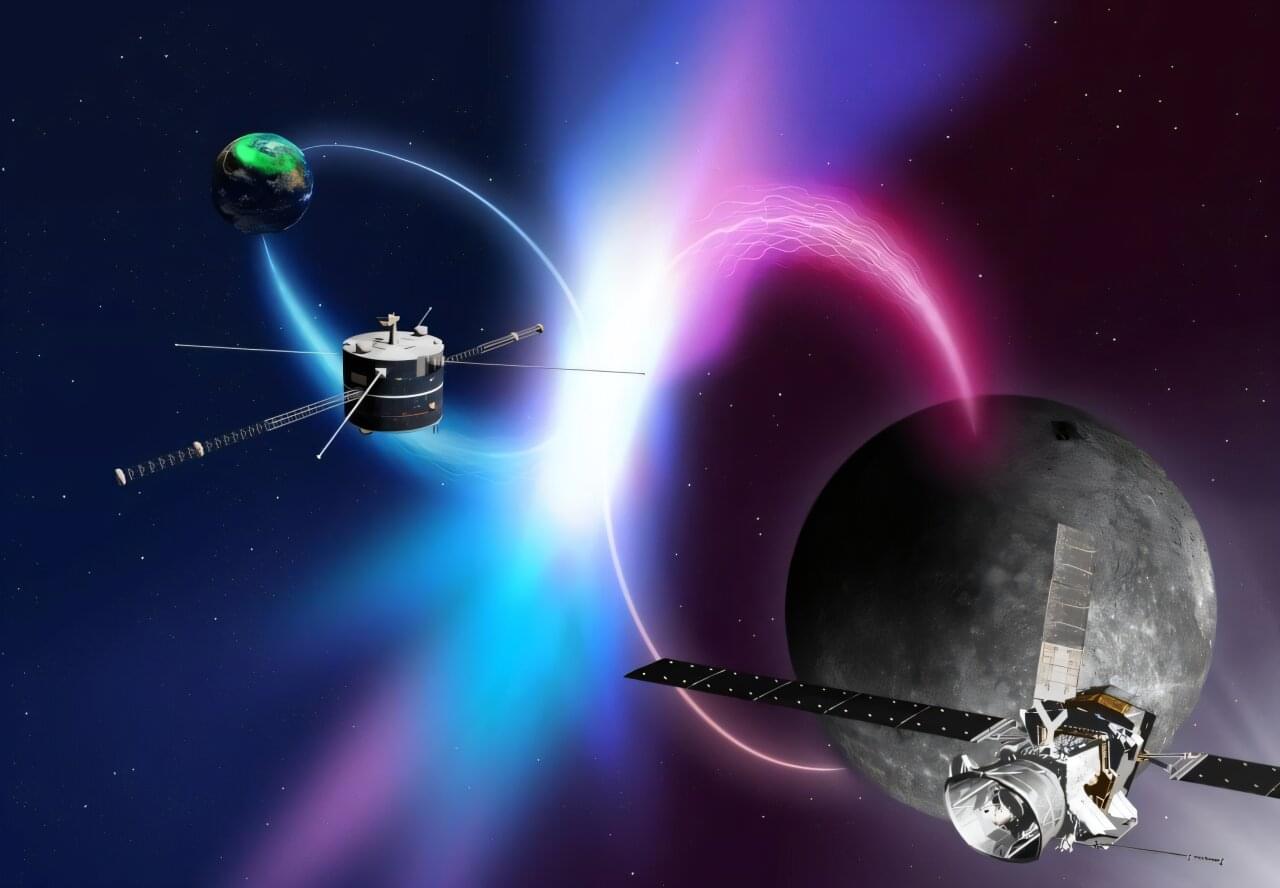
An international team from Kanazawa University (Japan), Tohoku University (Japan), LPP (France), and partners has demonstrated that chorus emissions, natural electromagnetic waves long studied in Earth’s magnetosphere, also occur in Mercury’s magnetosphere exhibiting similar chirping frequency changes.
Using the Plasma Wave Investigation instrument aboard BepiColombo’s Mercury orbiter Mio, six Mercury flybys between 2021 and 2025 detected plasma waves in the audible range. Comparison with decades of GEOTAIL data confirmed identical instantaneous frequency changes.
This provides the first reliable evidence of intense electron activity at Mercury, advancing understanding of auroral processes across the solar system.
As commercial interest in quantum technologies accelerates, entrepreneurial minds at the University of Waterloo are not waiting for opportunities—they are creating them.
Among them is Alex Maierean (MMath ‘24), CEO of Phantom Photonics and part-time Ph.D. student at the Institute for Quantum Computing (IQC). Her startup is developing ultra-sensitive quantum sensors that can filter out background noise and detect the faintest signals, even down to a single photon—the smallest unit of light. This offers new levels of precision and stealth for industries operating in extreme environments, from the depths of the ocean to outer space.
Launched in 2023, the Velocity startup emerged from fundamental research at an IQC lab led by Dr. Thomas Jennewein, IQC affiliate and adjunct faculty in the Department of Physics and Astronomy. Today, the startup is based at Velocity where it has established a dedicated lab space to continue to develop its quantum sensor technology and build its core team.

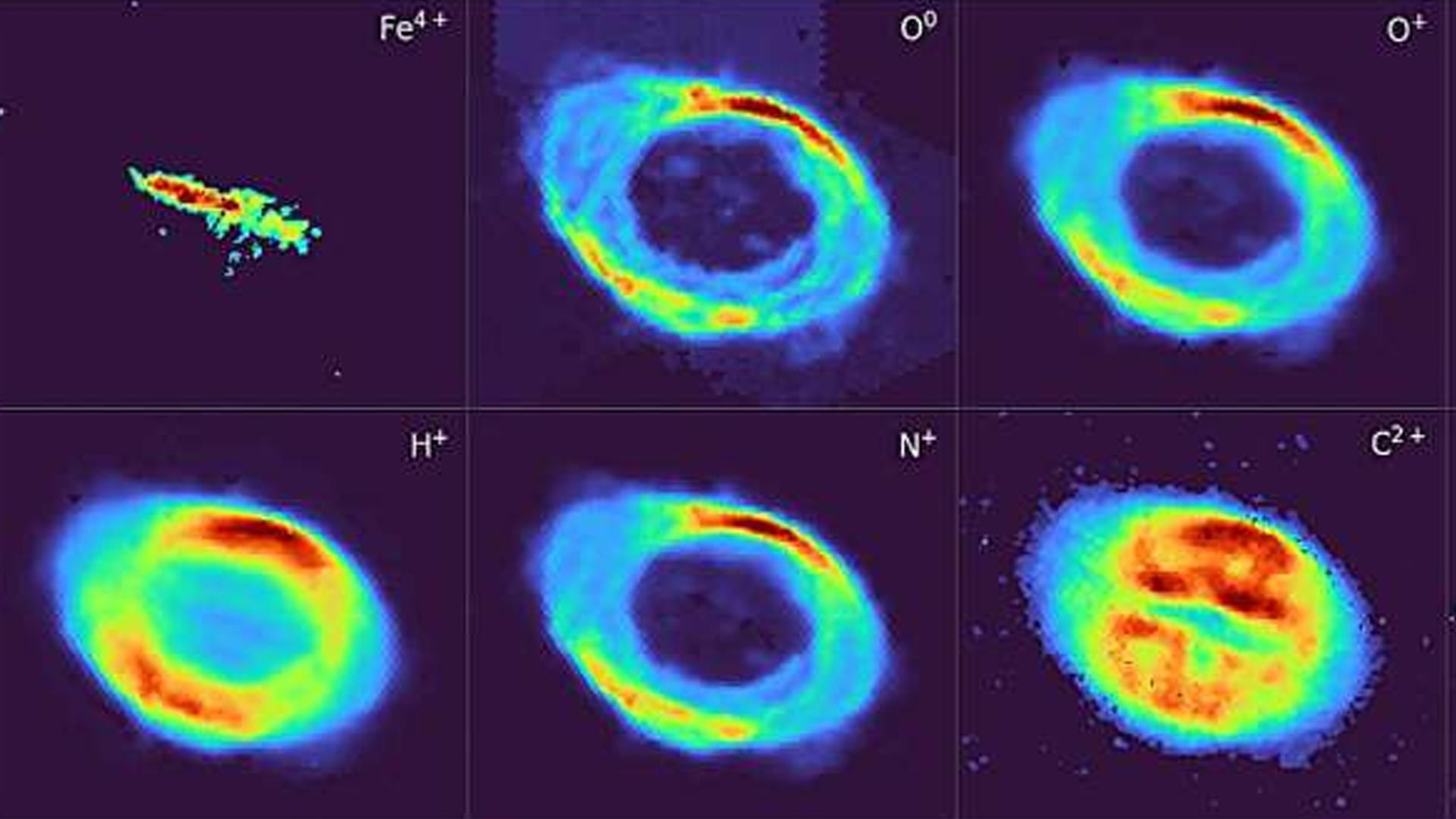
The two largest planets in the Solar System – Jupiter and Saturn – have a lot in common. They’re made of very similar stuff, they spin at similar speeds, and radiate internal heat similarly. Heck, they even both hoard moons in a similar way.
However, there’s a difference between the planets that has long puzzled scientists: the giant, vortical storms that cap their poles.
Saturn has one huge storm on each pole.
Sharing my latest Forbes article: by Chuck Brooks.
Thanks for reading and sharing!
#cybersecurity #tech #ai #quantum #space Forbes
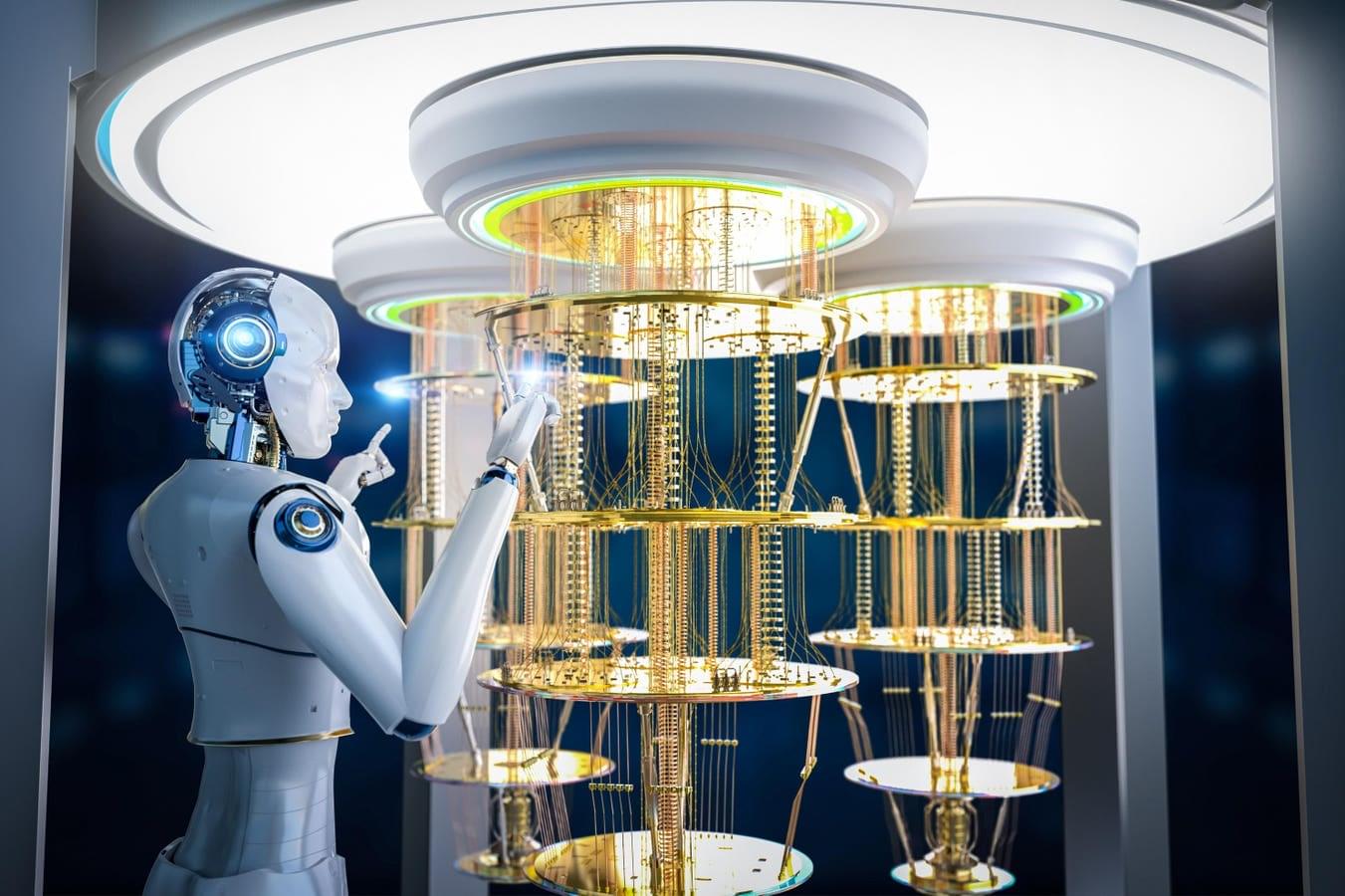
Artificial intelligence and quantum computing are no longer speculative technologies. They are reshaping cybersecurity, economic viability, and managing risk in real time.
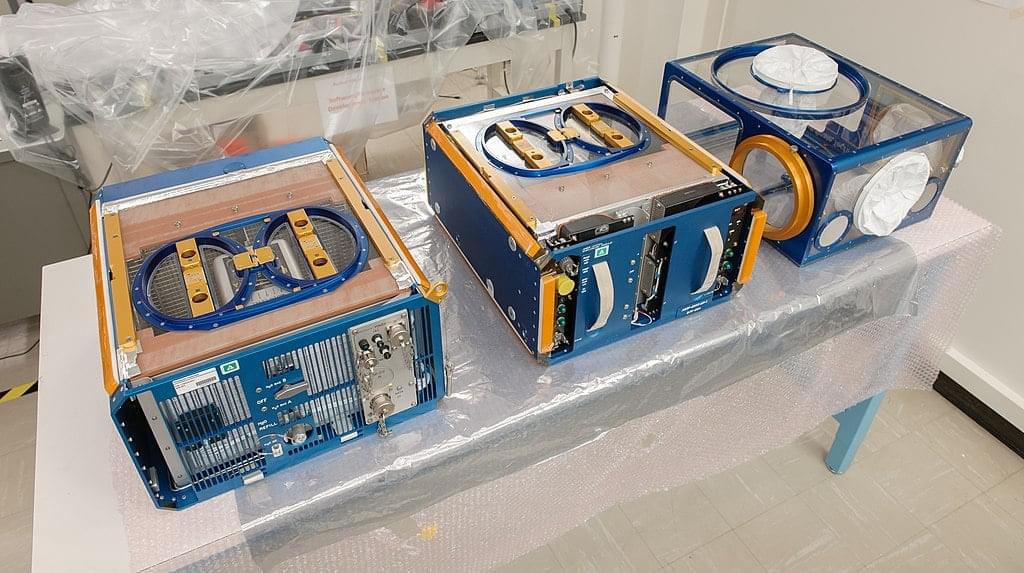
Four mice went to space as astronauts. One came back and became a mother. And that simple fact might matter more than you’d think for humanity’s future beyond Earth.
On 31 October, China launched four mice numbered 6, 98154, and 186, aboard the Shenzhou-21 spacecraft to the country’s space station, roughly 400 kilometers above Earth. For two weeks, the rodents lived in microgravity, exposed to space radiation and the peculiar conditions of orbital life. They returned safely on 14 November. Then, on 10 December, one of the females gave birth to nine healthy pups.
In a previous study, sperm from mice that had been in space had been used to fertilize female mice back in Earth. In this new study, six of the offspring survived, which researchers consider a normal survival rate. The mother is nursing properly, and the pups are active and developing well. Wang Hongmei, a researcher at the Chinese Academy of Sciences’ Institute of Zoology, emphasized the significance of their discovery that short term spaceflight didn’t damage the mouse’s ability to reproduce.
The Intelligence Revolution: Coupling AI and the Human Brain.
New videos DAILY: https://bigth.ink.
Join Big Think Edge for exclusive video lessons from top thinkers and doers: https://bigth.ink/Edge.
Edward Boyden is a Hertz Foundation Fellow and recipient of the prestigious Hertz Foundation Grant for graduate study in the applications of the physical, biological and engineering sciences. A professor of Biological Engineering and Brain and Cognitive Sciences at MIT, Edward Boyden explains how humanity is only at its infancy in merging with machines. His work is leading him towards the development of a “brain co-processor”, a device that interacts intimately with the brain to upload and download information to and from it, augmenting human capabilities in memory storage, decision making, and cognition. The first step, however, is understanding the brain on a much deeper level. With the support of the Fannie and John Hertz Foundation, Ed Boyden pursued a PhD in neurosciences from Stanford University.
EDWARD BOYDEN:
Edward Boyden is a professor of Biological Engineering and Brain and Cognitive Sciences at the MIT Media Lab and the McGovern Institute for Brain Research at MIT. He leads the Media Lab’s Synthetic Neurobiology group, which develops tools for analyzing and repairing complex biological systems, such as the brain, and applies them systematically both to reveal ground truth principles of biological function and to repair these systems.
These technologies, often created in interdisciplinary collaborations, include expansion microscopy (which enables complex biological systems to be imaged with nanoscale precision) optogenetic tools (which enable the activation and silencing of neural activity with light,) and optical, nanofabricated, and robotic interfaces (which enable recording and control of neural dynamics).
Boyden has launched an award-winning series of classes at MIT, which teach principles of neuroengineering, starting with the basic principles of how to control and observe neural functions, and culminating with strategies for launching companies in the nascent neurotechnology space. He also co-directs the MIT Center for Neurobiological Engineering, which aims to develop new tools to accelerate neuroscience progress.