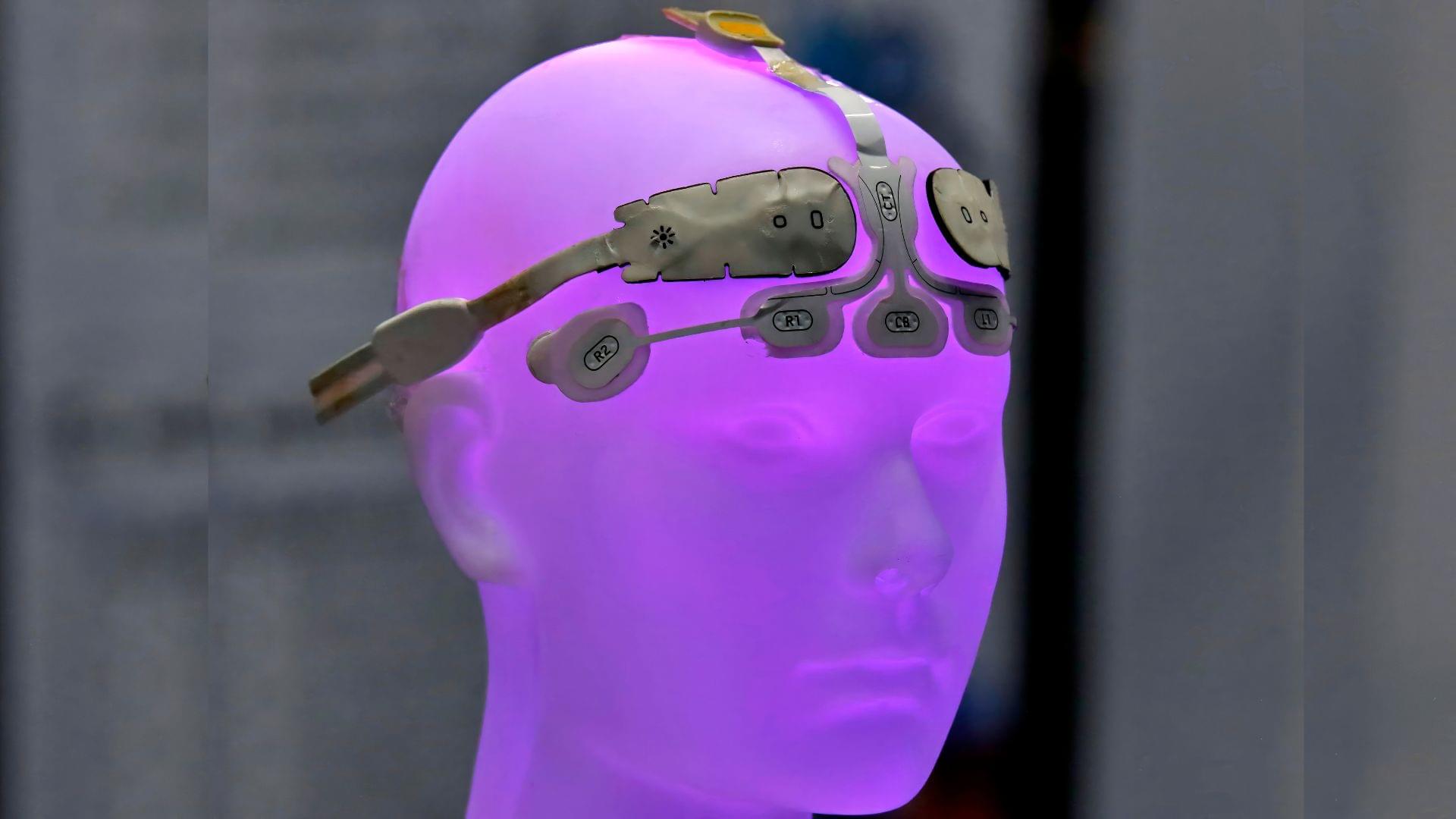
Body heat keeps battery-free brain monitor running wirelessly in outdoor test.
Osaka researchers built a wireless EEG system powered by body heat that worked outdoors above 89.6°F without batteries.
Patreon: / seanmcarroll
Blog post with audio player, show notes, and transcript: https://www.preposterousuniverse.com/.…
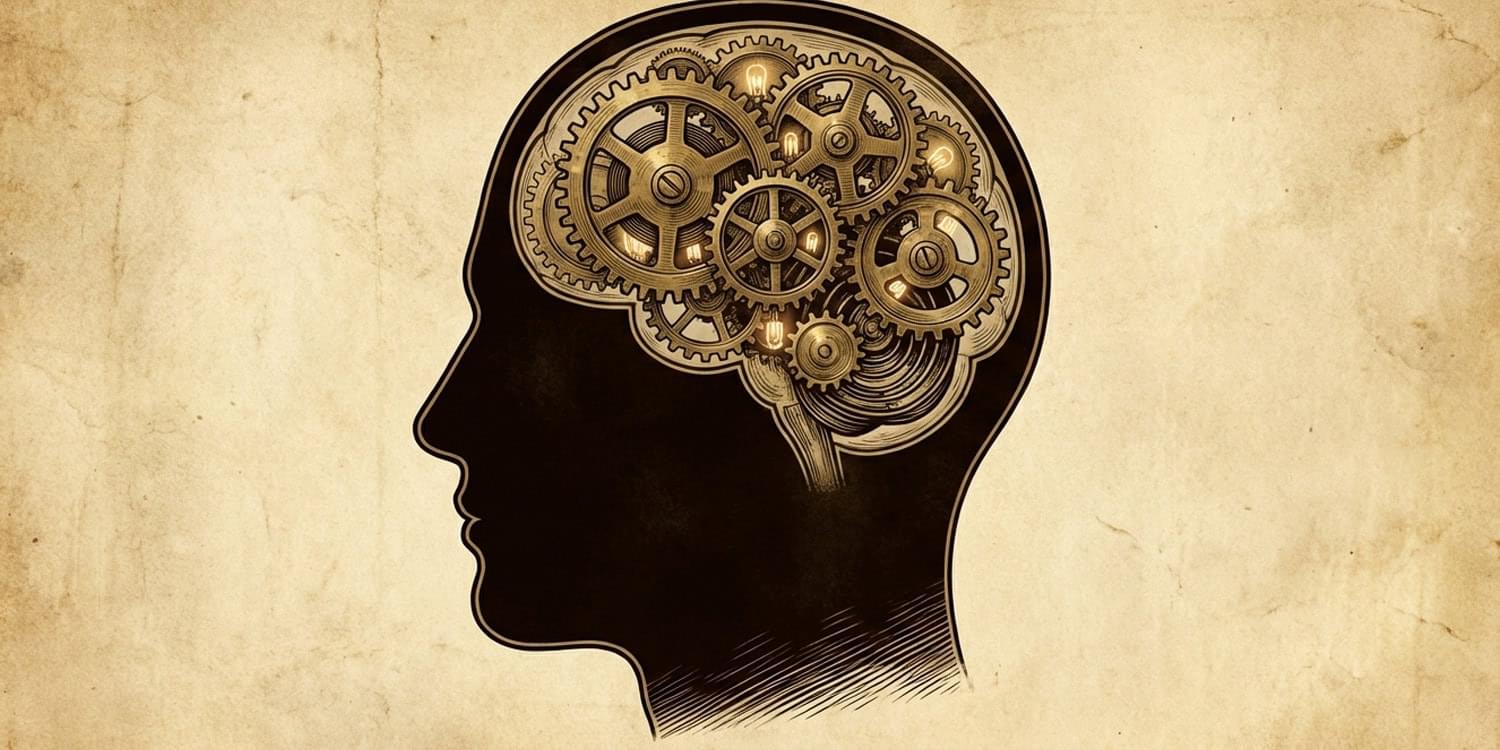
The connectome is the wiring diagram of a brain, a big matrix that tells us what neurons talk to what other neurons. Understanding it is an important step to understanding how brains work, but a long way from the final answer. A big next step is understanding how neuronal circuits connect to and guide bodily behavior. Very recent work on mapping the fruit-fly connectome has brought us closer to that goal. I talk with neuroscientist Bing Brunton about the connectome, how we can study it to understand bodily motion in flies and other creatures, and where it’s all taking us.
Bing Wen Brunton received her Ph.D. in neuroscience from Princeton University… She is currently a Professor of Biology and the Richard & Joan Komen University Chair at the University of Washington, with affiliations at the eScience Institute for Data Science, the Paul G. Allen School of Computer Science & Engineering, and the Department of Applied Mathematics.
Mindscape Podcast playlist: • Mindscape Podcast
Sean Carroll channel: / seancarroll.
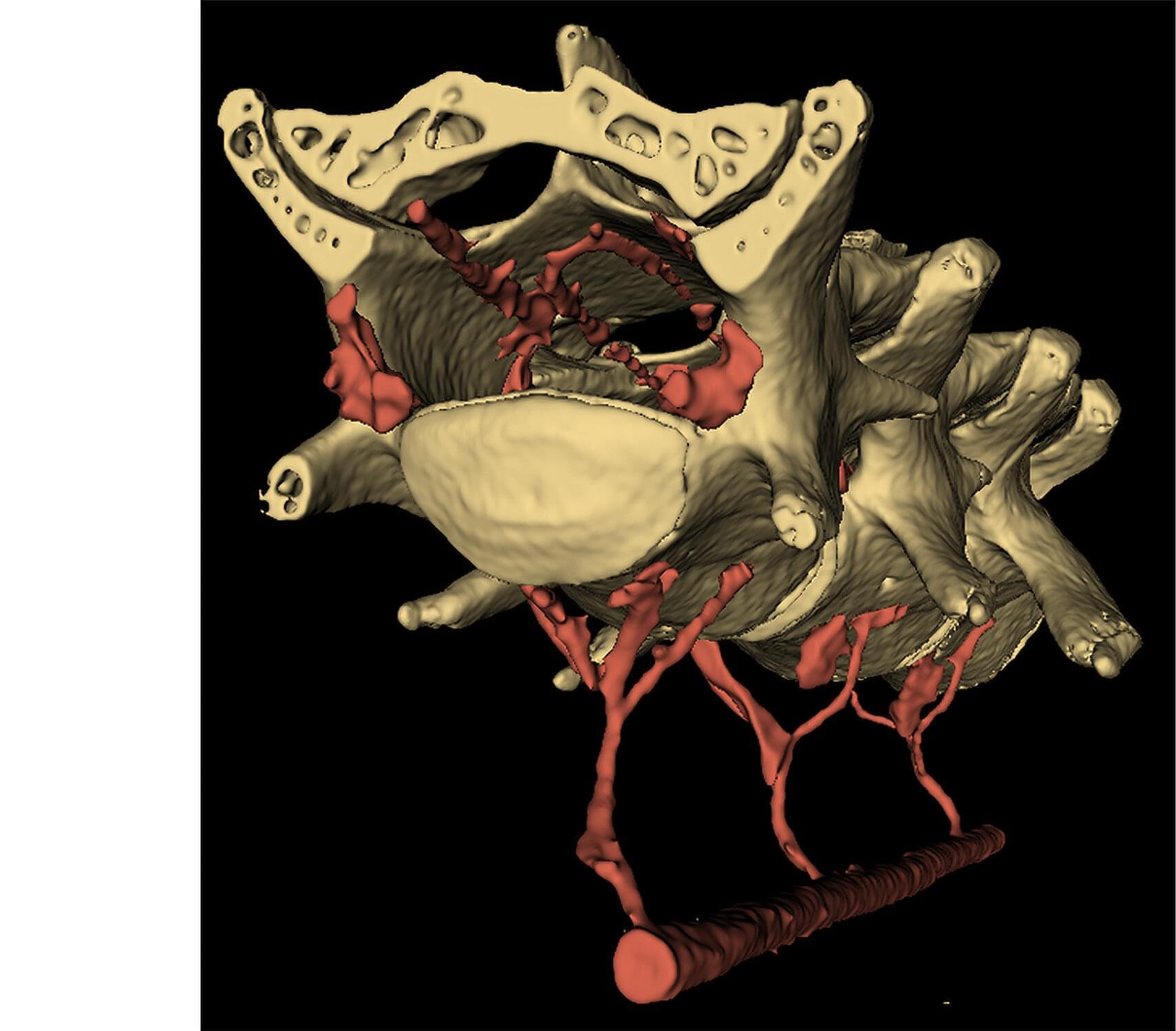
The brain is more mechanically connected to the body than previously appreciated, scientists report in Nature Neuroscience. Through a study using mice and simulations, the team found a potential biological mechanism underlying why exercise is thought to benefit brain health: abdominal contractions compress blood vessels connected to the spinal cord and the brain, enabling the organ to gently move within the skull. This swaying facilitates the surrounding cerebrospinal fluid to flow over the brain, potentially washing away neural waste that could cause problems for brain function.
According to Patrick Drew, professor of engineering science and mechanics, of neurosurgery, of biology and of biomedical engineering at Penn State, the work builds on previous studies detailing how sleep and neuron loss can influence how and when cerebrospinal fluid flushes through the brain.
“Our research explains how just moving around might serve as an important physiological mechanism promoting brain health,” said Drew, corresponding author on the paper. “In this study, we found that when the abdominal muscles contract, they push blood from the abdomen into the spinal cord, just like in a hydraulic system, applying pressure to the brain and making it move.
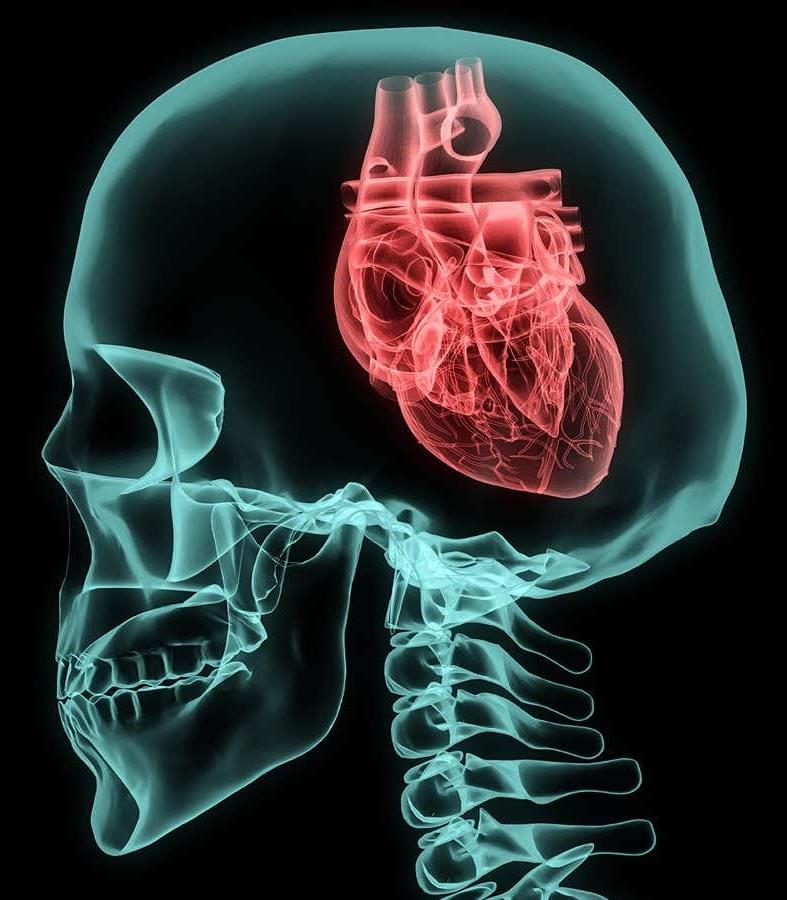
Smartwatches commonly use heart rate variability to monitor stress. Columnist Helen Thomson explores what this metric actually tells us, and whether it could also predict and diagnose depression – and help improve your mental health more generally.
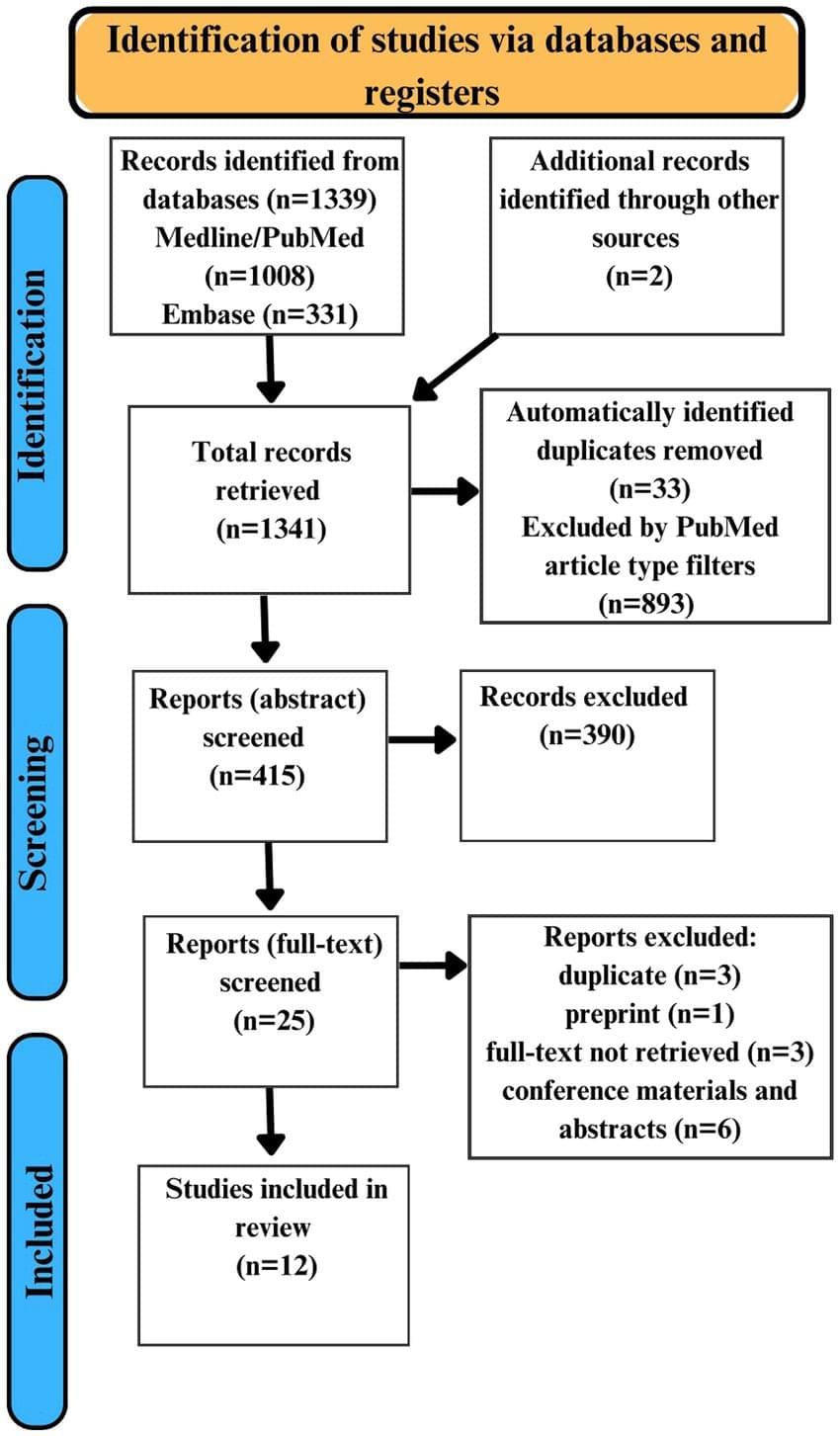
Alzheimer’s disease, a progressive neurodegenerative disorder, is marked by beta-amyloid plaque accumulation and cognitive decline. The limited efficacy and significant side effects of anti-amyloid monoclonal antibody therapies have prompted exploration into innovative treatments like focused ultrasound therapy. Focused ultrasound shows promise as a non-invasive technique for disrupting the blood–brain barrier, potentially enhancing drug delivery directly to the brain and improving the penetration of existing therapeutic agents.

A group of scientists in Switzerland are trying to create computing power using brain cells, in a field called biocomputing.
One day, they hope we could see data centres full of \.
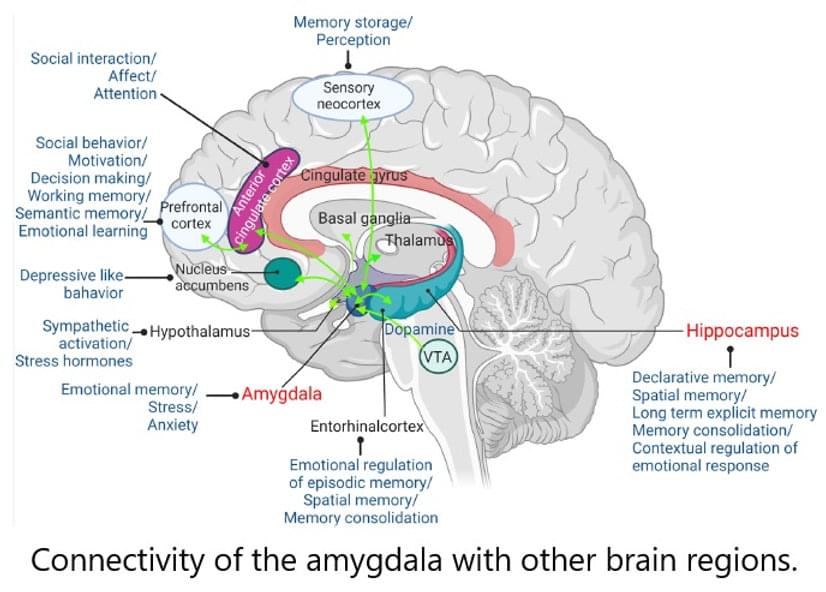
We often think of stress as something that just “gets on our nerves,” but what if it’s actually reshaping our brain — and our long-term health?A recent scientific review published in Biomedicine & Pharmacotherapy by Juhyun Song (2023) highlights a fascinating and urgent connection between the brain’s emotional hub — the amygdala — and our rising burden of metabolic diseases, dementia, and mental health disorders. This tiny almond-shaped structure deep in our brain does more than generate fear or

A lack of good quality sleep has long been linked to an increased risk of developing dementia, but new research goes further – giving us an optimal amount of overnight slumber to minimize dementia risk later in life.
Using data gathered and pooled from 69 previous studies, a team from York University in Canada ran a statistical analysis to look for associations with dementia for three different factors: physical activity, time spent sitting, and sleep duration.
These are all variables we can control ourselves, up to a point, and the number crunching showed that between 7 and 8 hours of slumber each night was the sweet spot when it came to minimizing dementia risk.