Toggle light / dark theme

Long-term antidepressant effects of psilocybin linked to functional brain changes

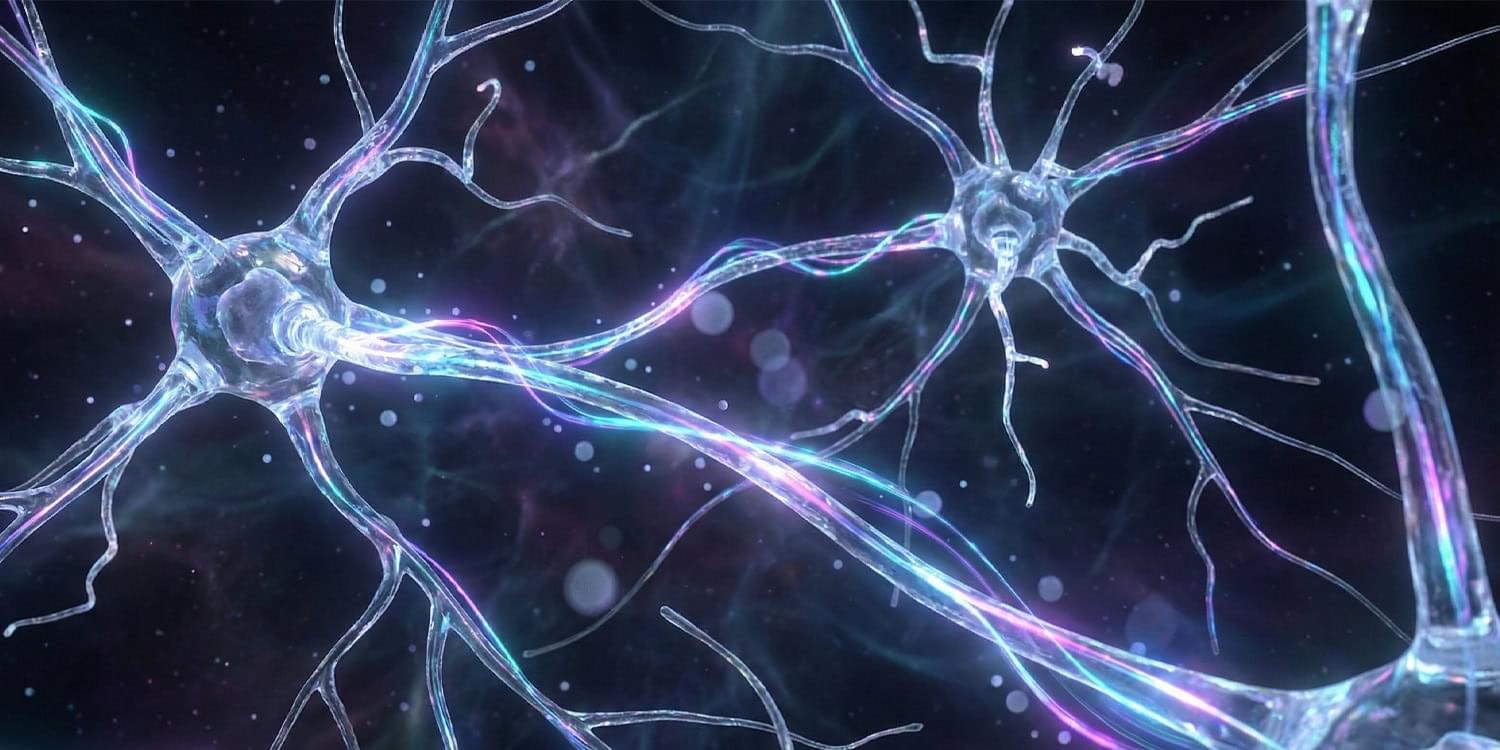
In the group treated with psilocybin, adapting neurons sat at a resting voltage that was closer to the threshold for firing. This state is known as depolarization. It means the cells are primed to activate more easily. The bursting neurons in psilocybin-treated rats also showed increased excitability. They required less input to trigger a signal and fired at faster rates than neurons in untreated rats.

The rats treated with 25CN-NBOH also exhibited functional changes, though the specific electrical alterations differed slightly from the psilocybin group. For instance, the bursting neurons in this group were not as easily triggered as those in the psilocybin group. However, the overall pattern confirmed that the drug had induced a lasting shift in neuronal function.

These electrophysiological findings provide a potential explanation for the behavioral results. While the physical branches of the neurons may have pruned back to normal levels, the cells “remembered” the treatment through altered electrical tuning. This functional shift allows the neural circuits to operate differently long after the drug has left the body.
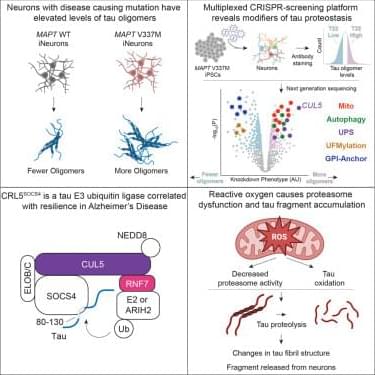

CRISPR screens in iPSC-derived neurons reveal principles of tau proteostasis

Now online! CRISPR screens in iPSC-derived neurons reveal that the E3 ubiquitin ligase CRL5SOCS4 ubiquitinates tau, that CUL5 expression is correlated with resilience in human Alzheimer’s disease, and that electron transport chain dysfunction alters tau degradation by the proteasome.

Spaceflight causes astronauts’ brains to shift, stretch and compress in microgravity

Spaceflight takes a physical toll on astronauts, causing muscles to atrophy, bones to thin and bodily fluids to shift. According to a new study published in the journal PNAS, we can now add another major change to that list. Being in microgravity causes the brain to change shape.

Here on Earth, gravity helps to keep the brain anchored in place while the cerebrospinal fluid that surrounds it acts as a cushion. Scientists already knew that, without gravity’s steady pull, the brain moves upward, but this new research showed that it is also stretched and compressed in several areas.

Brains on the move Researchers led by Rachel Seidler at the University of Florida reached this conclusion after studying MRI scans of 26 astronauts taken before and after their missions to the International Space Station. These were compared with scans from 24 volunteers who participated in a head-down tilt bed rest experiment. They spent 60 days lying at a six-degree downward angle to mimic how weightlessness causes bodily fluids and organs to move toward the head.

Chill brain-music interface: Using brain signals to enhance the emotional power of music

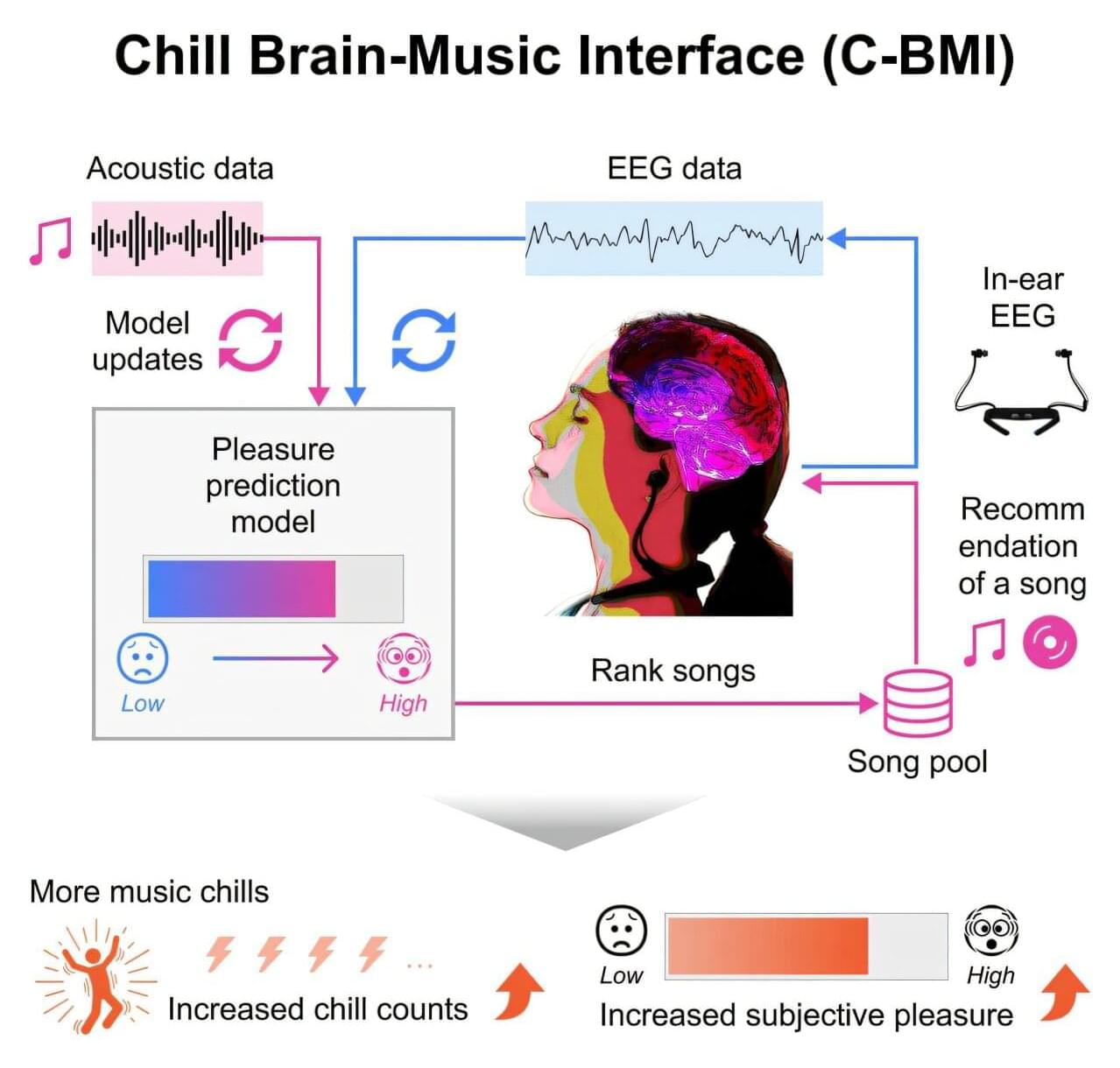
Musical chills are pleasurable shivers or goosebump sensations that people feel when they resonate with the music they’re listening to. They reduce stress and have beneficial side effects, but they are difficult to induce reliably. Now, researchers from Japan have developed a practical system that uses in-ear electroencephalography sensors to measure the brain’s response to music in real time and provide music suggestions that enhance chills.

Most people are familiar with “musical chills”—a sudden, involuntary shiver or goosebump sensation that occurs when a song resonates perfectly with one’s emotions. These chills are not just a surface-level feeling, but a profound neurological event. When we experience intense musical pleasure, parts of the brain’s reward system activate in a manner similar to how they would respond to life-affirming stimuli, such as beloved foods or positive social connections.

However, despite the universal nature of the experience, musical chills are difficult to trigger reliably. This limits our ability to harness their psychological and physiological benefits, even with today’s on-demand access to vast libraries of music.

The Path to Scalable Psychiatric Gene Therapy and a Future of Cures for Widespread Mental Illnesses

Hey everyone! I wrote a proposal on creating massively scalable gene therapy delivery systems towards unlocking cures for widespread debilitating psychiatric diseases! Would love for folks to take a read and provide constructive suggestions to iterate this vision. [ https://substack.com/home/post/p-186453159]


Restoring joy to a billion lives.

Neurotransmission-modulated whole-brain computation captures full task repertoire

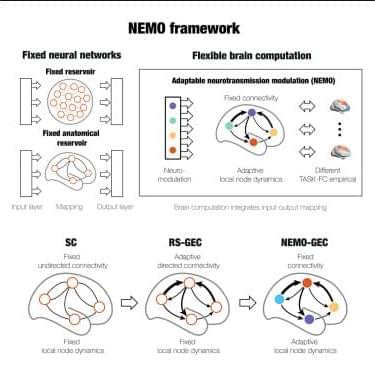
Deco et al. used neurotransmission-modulated (NEMO) whole-brain modeling to flexibly compute a broad repertoire of empirical tasks and associated neuroimaging data from 971 healthy participants. NEMO can sculpt the different brain dynamics in a fixed brain architecture to compute the rich repertoire of tasks required for surviving and thriving.

Signs of Sir Terry Pratchett’s dementia may have been hidden in his books

Signs of Sir Terry Pratchett’s dementia may have been present in his writing a decade before his official diagnosis, new research has found. Researchers have examined the lexical diversity—a measure of how varied an author’s word choices are—of 33 books from Pratchett’s Discworld series, focusing specifically on his use of nouns and adjectives.

The study found that Pratchett’s language in “The Lost Continent,” written almost 10 years before his diagnosis of posterior cortical atrophy (PCA), a rare form of Alzheimer’s, showed a significant decline in the complexity of the language used compared to his previous works.

The research team hopes that the study may aid in the early detection of dementia, for which there is currently no cure. The work is published in the journal Brain Sciences.

New study reveals how stress alters brain gene activity through RNA “switches”

The study, published in Genomic Psychiatry, identified how stress hormones activate specific RNA molecules called long noncoding RNAs, or IncRNAs, that interact with the gene-silencing complex PRC2, turning off genes that are vital to communication between neurons. In essence, these IncRNAs act like “switches,” turning off functionality for more than 3,000 genes, many of which support neurotransmitter signaling and other processes that are essential for healthy brain functioning. The study specifically discovered 79 IncRNAs that were significantly altered under stress conditions.

While scientists have long understood that stress hormones send signals to the brain that affect gene functionality, it was previously unknown as to exactly how these signals create long-lasting changes inside cells. The study, led by Yogesh Dwivedi, Ph.D., Distinguished Professor and Elesabeth Ridgely Shook Endowed Chair in the Department of Psychiatry and Behavioral Neurobiology, and co-director of UAB Depression and Suicide Center, uncovers how lncRNAs associate with a molecule called polycomb repressive complex 2, or PRC2, to modify chromatin following activation of the glucocorticoid receptor, or GR — the cell’s master regulator of stress response. Chromatin is important in relaying messages from the external environment, including stressful conditions, to alter the genetic composition, a process known as epigenetics.

“As chronic stress is a major risk factor for conditions like major depressive disorder, this newly uncovered link between stress hormones and IncRNA gene silencing could potentially lead to more targeted mental health treatments,” Dwivedi said. “In fact, stress-induced changes in chromatin structure have been implicated in a range of psychiatric and neurodegenerative conditions.”


IncRNAs act like “switches,” turning off functionality for more than 3,000 genes that are essential for healthy brain functioning. A recent groundbreaking study from researchers at the University of Alabama at Birmingham highlights the discovery of a molecular link between stress hormones and changes in brain cell communication, which could open the door for new treatments to address depression and other psychiatric conditions.

/* */